The Place
"The cost of your wish is served black."
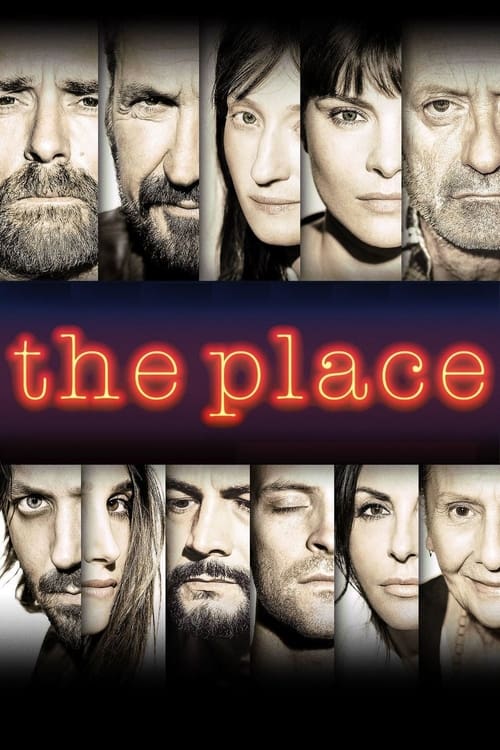
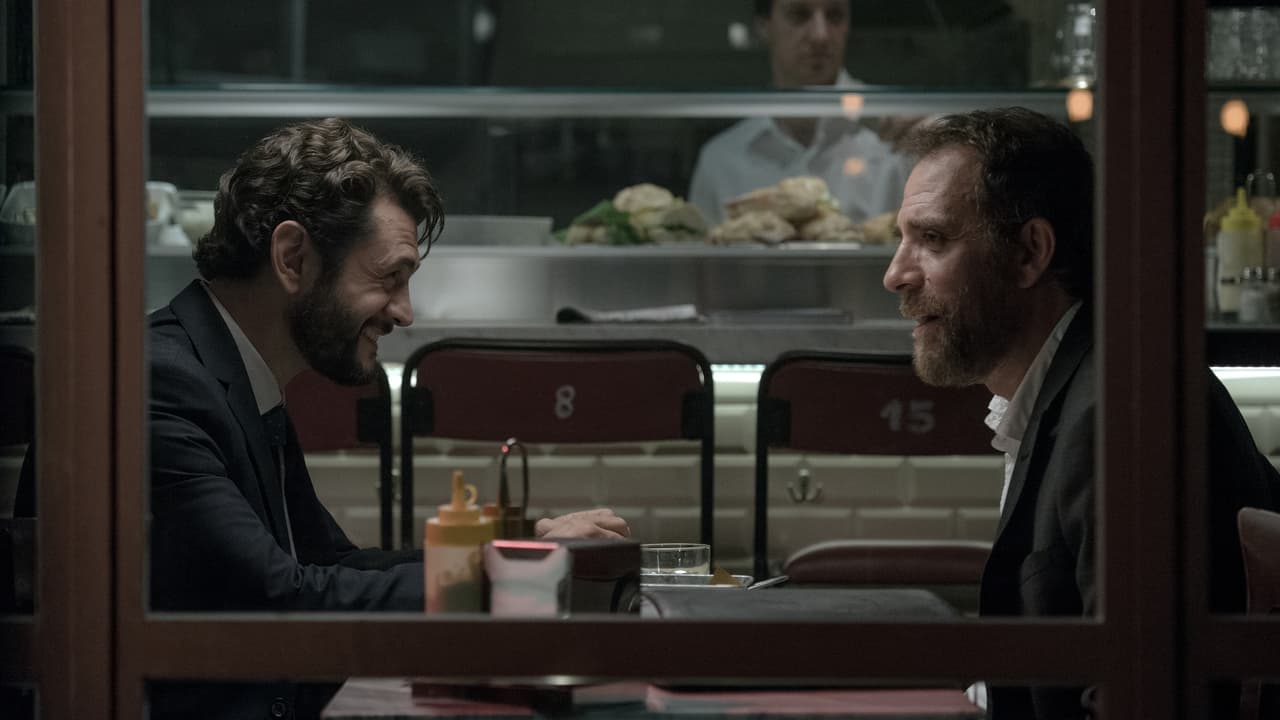
I watched The Place on a Tuesday afternoon while my neighbor was obsessively power-washing his driveway. The rhythmic, monotonous drone of the water outside actually provided a strange, meditative backbeat to a film that never leaves the confines of a single booth in a Roman cafe. It’s a movie that demands you sit still, listen, and slowly realize that the person sitting across from you might be a monster—or that you might be one yourself.
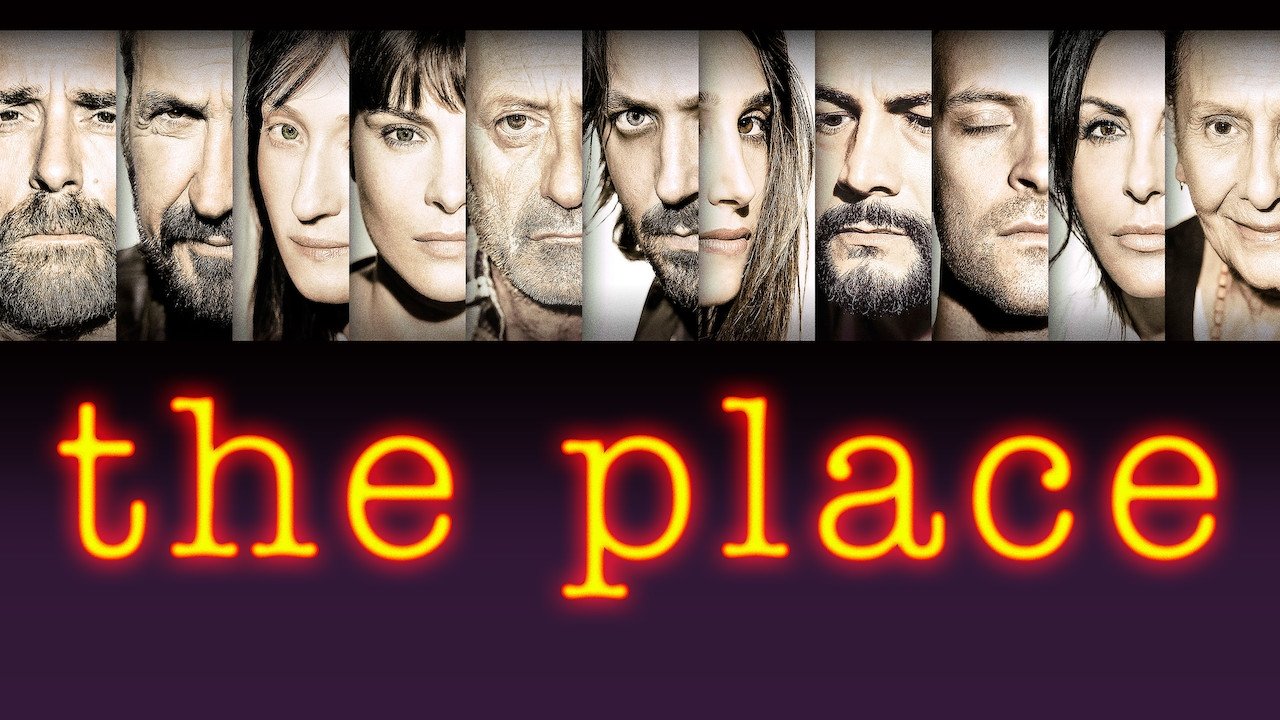
Directed by Paolo Genovese, who previously conquered the Italian box office with the phone-swapping drama Perfect Strangers (Perfetti Sconosciuti), this 2017 follow-up is even more stripped-back. There are no grand vistas, no car chases, and barely any "action" in the traditional sense. Instead, we have a man (played with a weary, bureaucratic coldness by Valerio Mastandrea) sitting at a corner table with a thick, weathered leather ledger. People come to him with impossible desires: a father wants his son cured of cancer; a woman wants to be beautiful; an old woman wants her husband's Alzheimer’s to vanish.
The man can make it happen. But the price isn’t money. It’s a task. And those tasks—ranging from planting a bomb to committing a robbery—are where the film’s teeth begin to sink in.
The Devil in the Details
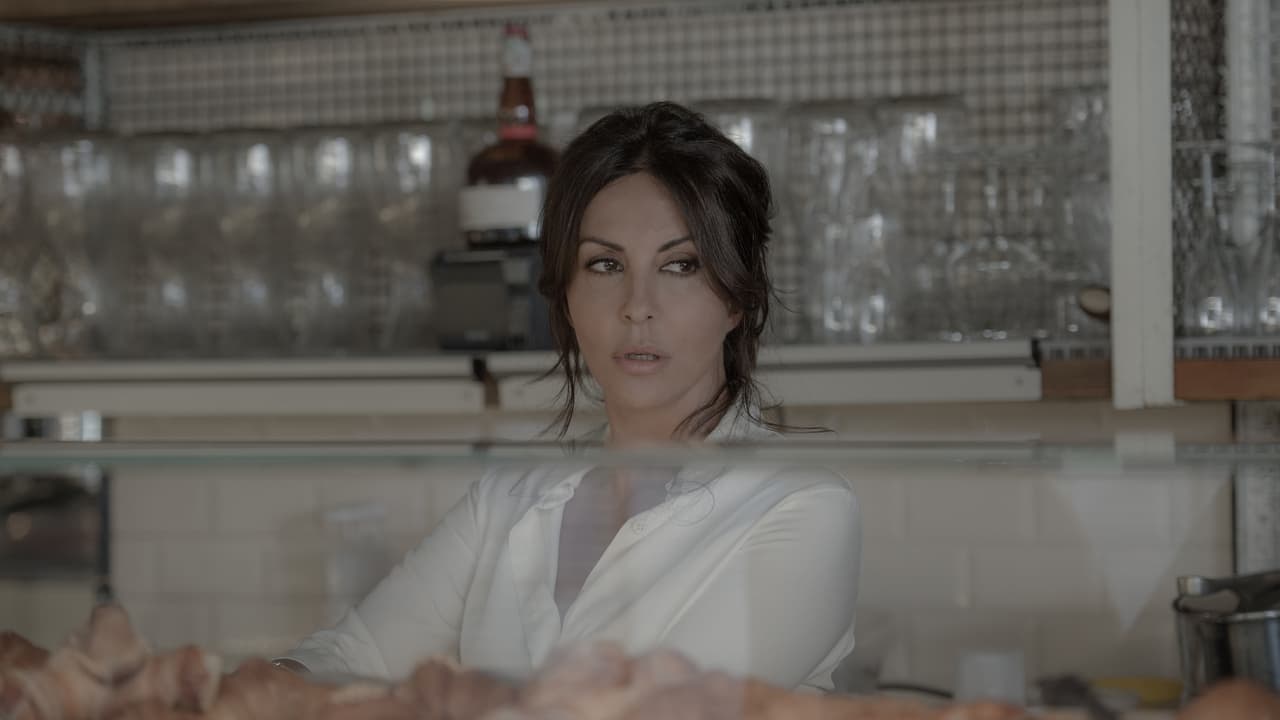
The genius of the film lies in what we don't see. We never see the tasks being performed. We only see the "clients" return to the booth to report their progress, their hesitations, and their eventual moral decay. Valerio Mastandrea, who worked with Genovese on Perfect Strangers, is the perfect anchor here. He doesn't play the man as a cackling demon; he plays him like a tired middle-manager of the soul. He’s just checking boxes, asking, "How did that make you feel?" while lives are being dismantled just off-camera.
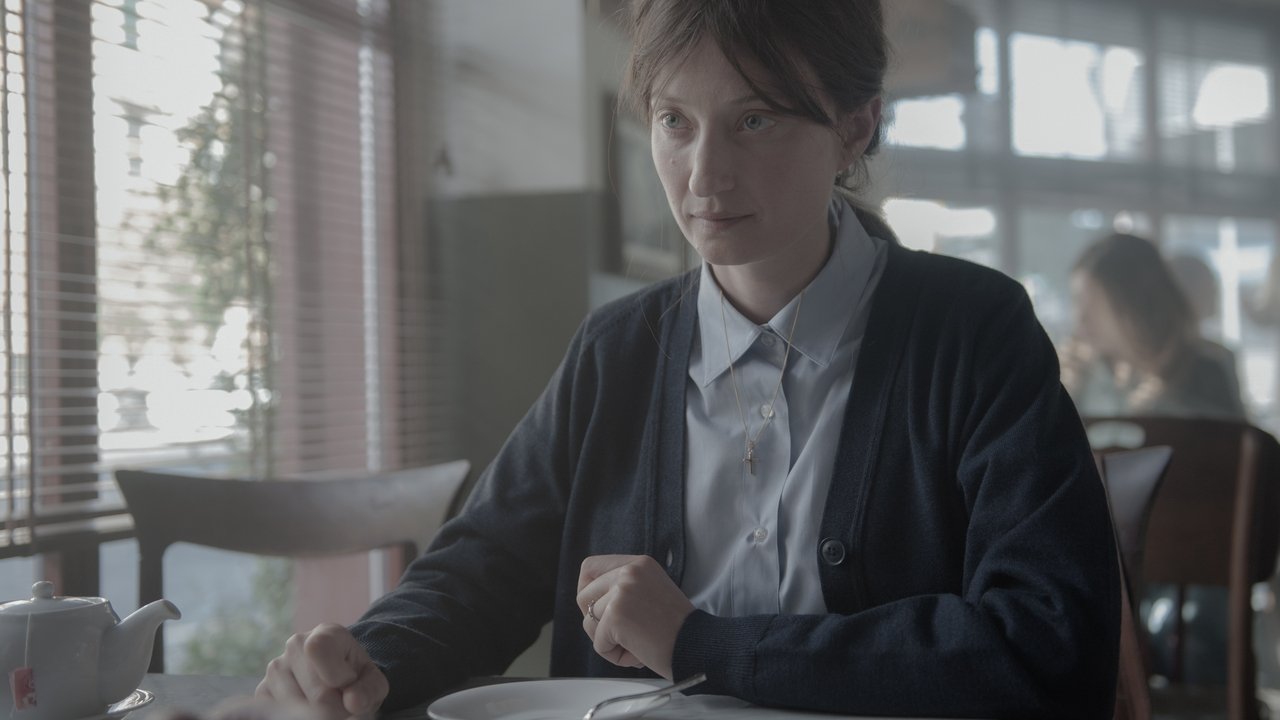
The ensemble cast is a who's-who of contemporary Italian talent. Marco Giallini (from Suburra) shows up as a crooked cop, while Alba Rohrwacher (the indie darling from The Wonders) plays a nun who begins to hear a different kind of voice. Watching them interact is like watching a series of high-stakes poker games where the currency is human decency. It’s essentially a high-stakes RPG for sociopaths, and the script is tight enough to keep you guessing which character will buckle first.
Interestingly, the film is actually an adaptation of the American web series The Booth at the End. While the original had a cult following, Genovese infuses this version with a specific kind of European cynicism and a much glossier, noir-inspired aesthetic. The cinematography by Fabrizio Lucci manages to make a dingy cafe booth look like the most important place on Earth, using shallow depth of field to trap us in the conversation with the characters.
A Mirror for the Modern Ego
Coming out in 2017, The Place arrived right as we were collectively leaning into the "puzzle box" era of cinema and TV. It shares DNA with things like Black Mirror, focusing on the dark intersection of human desire and the lengths we’ll go to satisfy our own egos. In an era where we are constantly told we can have anything we want with a click of a button, Genovese asks what happens when the "click" requires you to hurt someone else.
The film leans heavily into the "Contemporary Cinema" vibe of moral ambiguity. There are no easy heroes here. Even the characters you start off pitying—like the father trying to save his son—eventually make choices that will have you leaning back in your chair in disgust. It’s a grim look at the "me-first" mentality, suggesting that our biggest wishes are often just masks for our deepest selfishness.
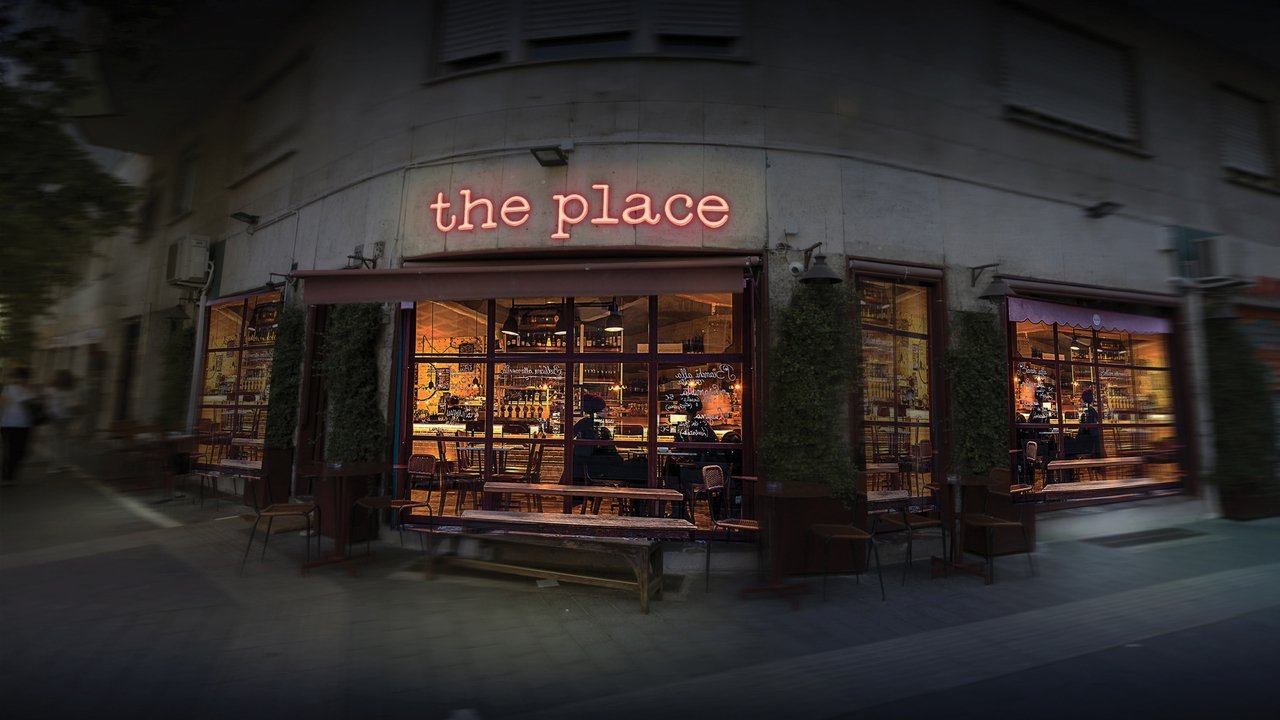
One bit of trivia that I found fascinating: the cafe itself isn't a studio set. It’s a real place in Rome called "The Corner," located on the Aventine Hill. After the film's release, it became a bit of a pilgrimage site for fans, though I doubt the real waiters offer the same kind of life-altering deals as the guy in the movie. Apparently, the production had to be incredibly disciplined because of the single-location constraint; they shot the film in just a few weeks, relying on the actors' ability to maintain intensity through pages and pages of dialogue.
The Weight of the Ledger
If there’s a flaw, it’s that the film's structure can feel a bit repetitive. By the hour mark, you know the rhythm: wish, task, progress report, moral crisis. Rinse and repeat. However, the interlocking nature of the stories—how one person’s task inadvertently affects another client’s wish—keeps the momentum from stalling. It’s a clockwork narrative that rewards close attention.
The ending has sparked plenty of debate on Italian film forums and social media, with some finding it a bit too ethereal compared to the grit of the rest of the movie. Personally, I think it fits. When you spend 100 minutes staring into the abyss of human cruelty, you need a moment to breathe, even if that breath feels a bit uncertain.
The Place is a masterclass in minimalist tension. It proves that you don't need a $200 million budget or a "The Volume" LED stage to create a compelling world; you just need a table, two chairs, and a script that knows exactly where your moral weak spots are. It’s a dark, brooding piece of work that will make you look at the stranger in the corner of your local coffee shop a little differently. Just don't ask him what's in the book.
Keep Exploring...
-
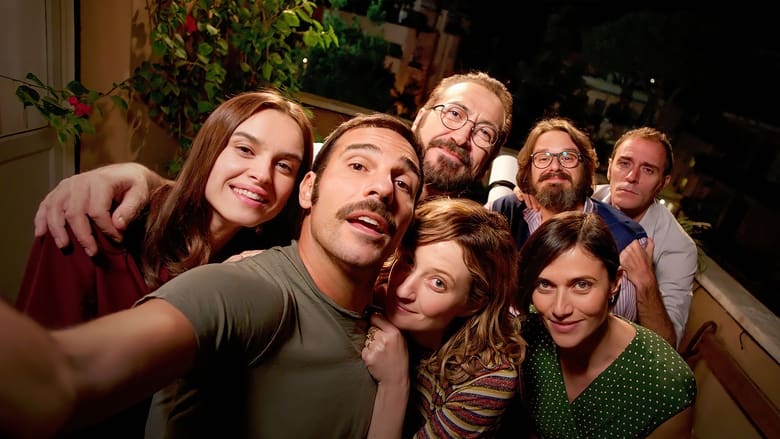
Perfect Strangers
2016
-
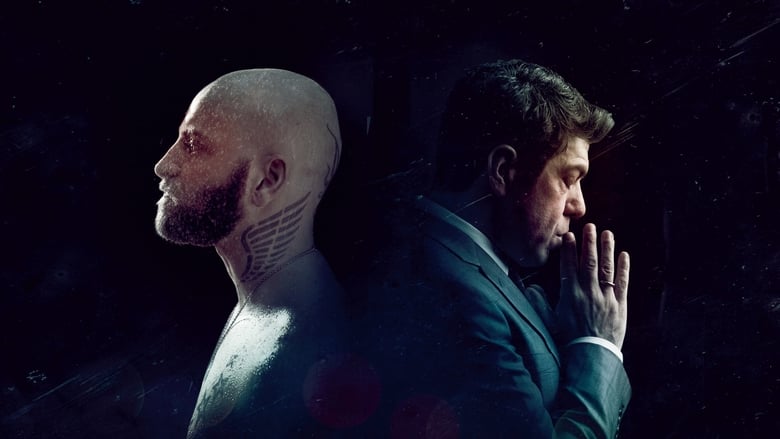
Suburra
2015
-
Batman vs. Robin
2015
-
Eye in the Sky
2015
-
Boyka: Undisputed IV
2016
-

Brimstone
2016
-

Miss Sloane
2016
-
The Salesman
2016
-
The Siege of Jadotville
2016
-

Detroit
2017
-
22 July
2018
-
Burning
2018
-
Mirage
2018
-
The Guilty
2018
-
An Officer and a Spy
2019
-
Hotel Mumbai
2019
-
Official Secrets
2019
-

The Professor and the Madman
2019
-

The Traitor
2019
-
Escape from Pretoria
2020