The Post
"The boldest decision in the history of news."
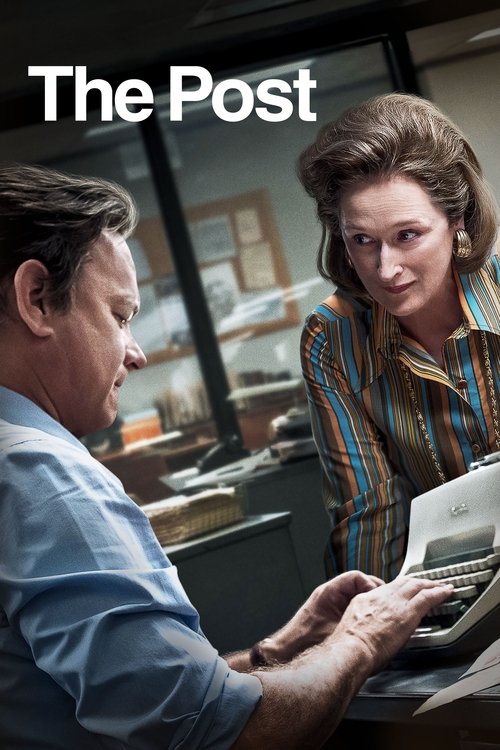
I watched The Post while wearing an incredibly itchy wool sweater that I’m convinced was woven in 1971, and honestly, the scratchy discomfort only heightened the period-accurate tension. There is something uniquely electrifying about watching people in bad suits argue about paper. Not just any paper, of course, but the Pentagon Papers—the top-secret study that proved the U.S. government had been lying about the Vietnam War for decades.
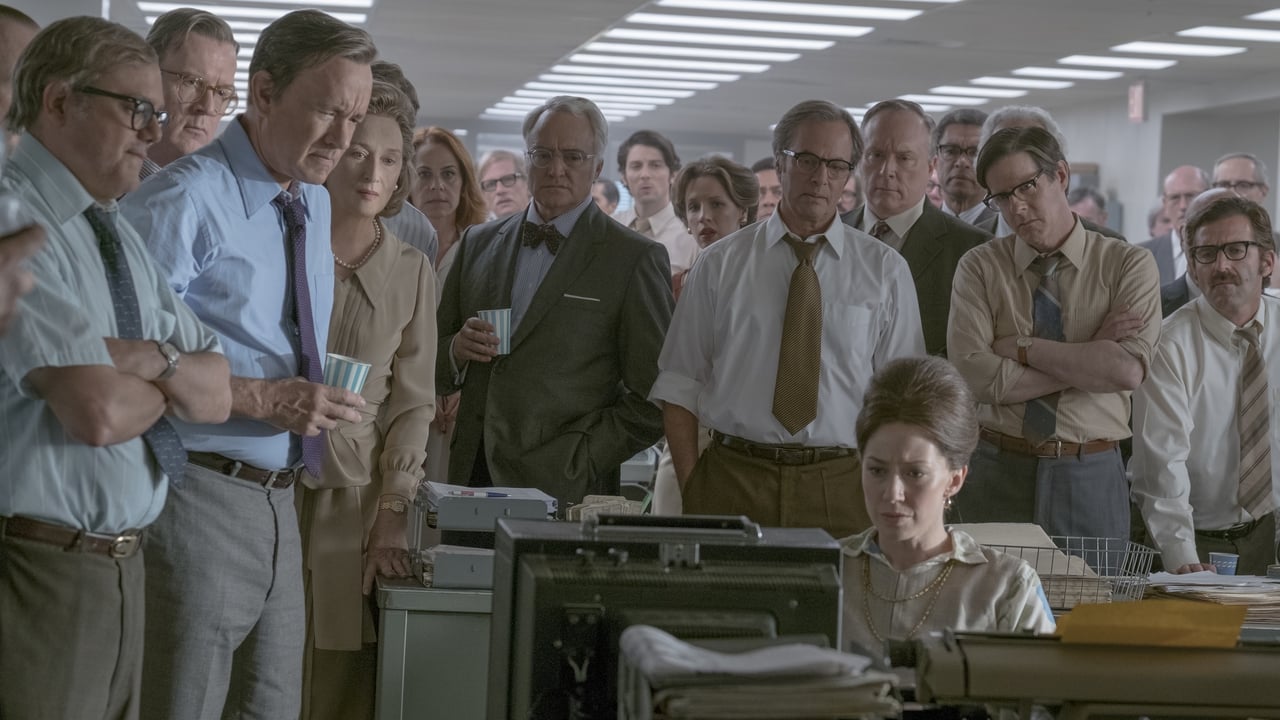
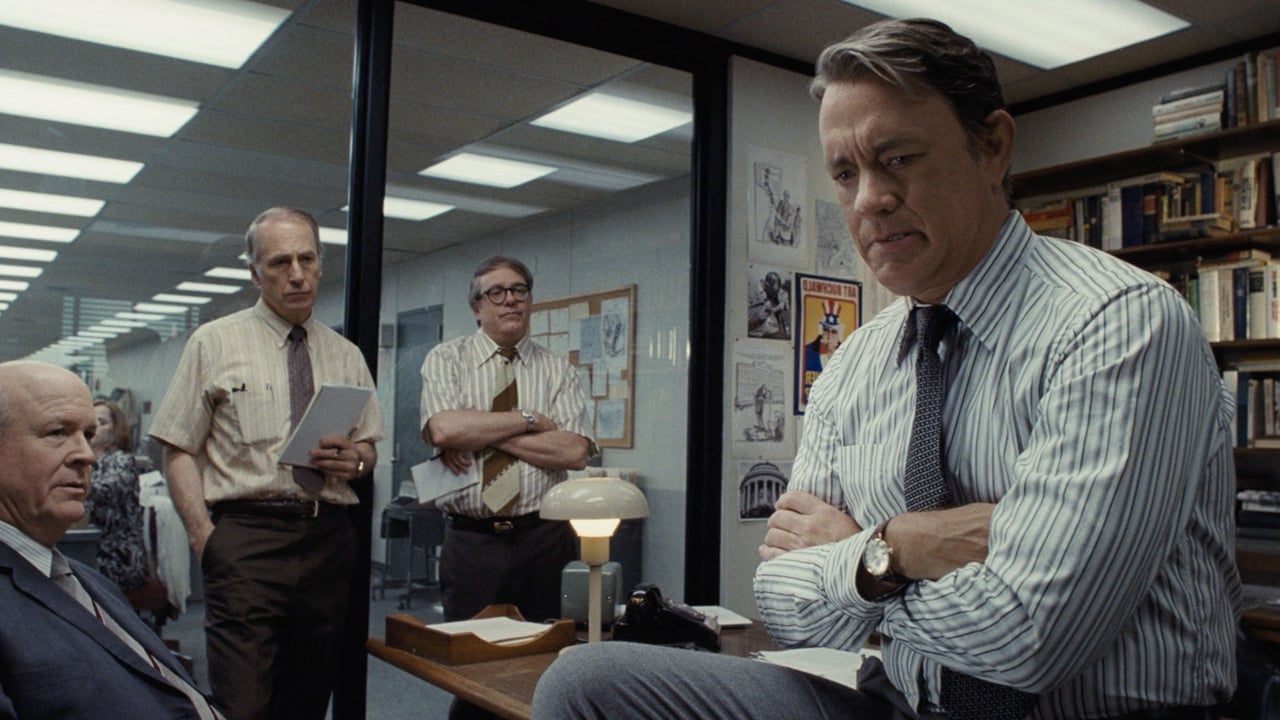
In a cinematic landscape currently sagging under the weight of multiverses and "legacy sequels" that nobody asked for, Steven Spielberg’s 2017 drama feels like a shot of pure adrenaline. It’s a film that shouldn’t be this exciting. It is, essentially, two hours of people talking in wood-paneled rooms, hovering over rotary phones, and staring intensely at lead type. Yet, because it was directed by a man who treats a printing press like a high-speed chase, it moves with the urgency of a ticking-clock thriller.
The Power Trio and the Press
This movie was famously fast-tracked. Spielberg read the script in early 2017 and realized that in a world of "alternative facts" and hostile rhetoric toward the media, he needed to make this now. He finished it in nine months. That haste is the film's secret weapon; it feels alive and unpolished in a way that Spielberg’s more "stately" historical works—like Lincoln—sometimes don’t.
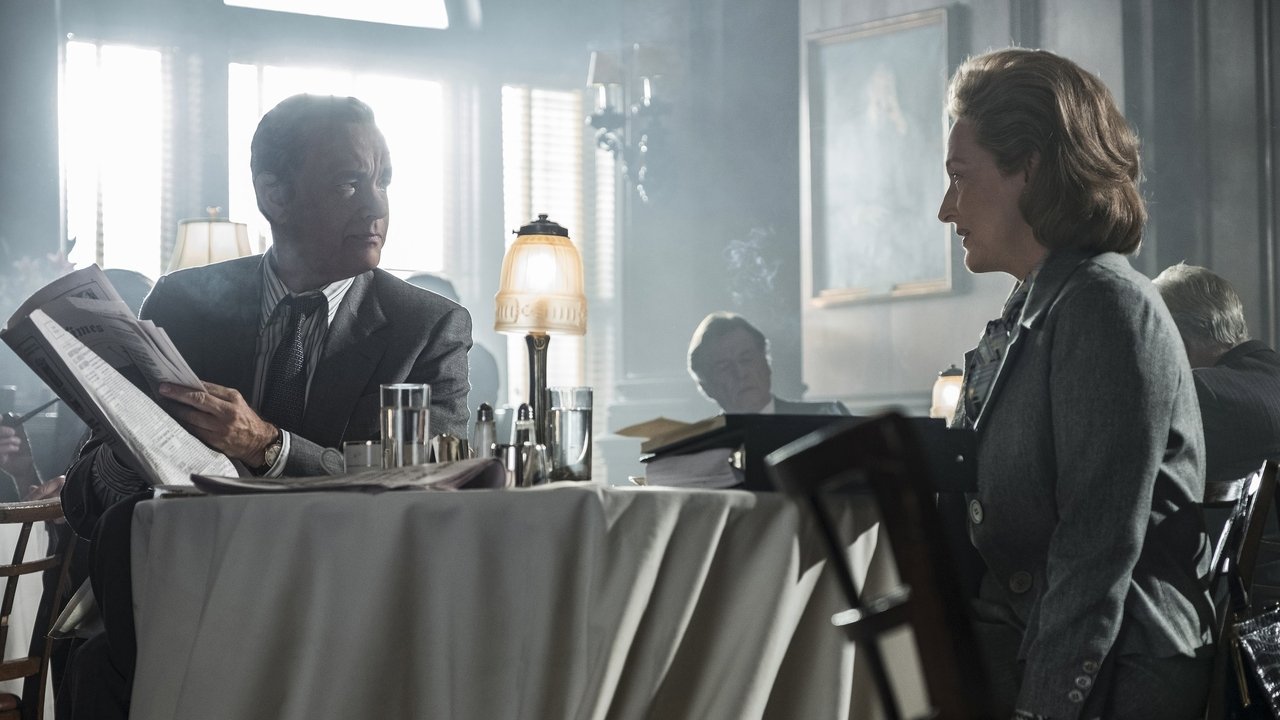
At the center is the first-time pairing of Meryl Streep and Tom Hanks. It’s almost absurd that it took this long for the two titans of their generation to share a screen, but the wait was worth it. Hanks, playing legendary Washington Post editor Ben Bradlee, is all gravel and bravado. He spends half the movie with his feet on desks, leaning back like a man who owns every room he enters. But Meryl Streep is the real soul here as Kay Graham.
Watching Streep navigate the transition from a hesitant socialite who inherited a newspaper to a titan who risks her legacy is a masterclass in subtlety. Streep does more with a shaky hand holding a martini glass than most actors do with a ten-minute monologue. Her Kay Graham isn't a superhero; she’s a woman who has been told her whole life that she’s a placeholder, finally deciding to take up space. The scene where she finally gives the "go" to publish is high-stakes theater at its finest.
A Modern Mirror in Vintage Frames
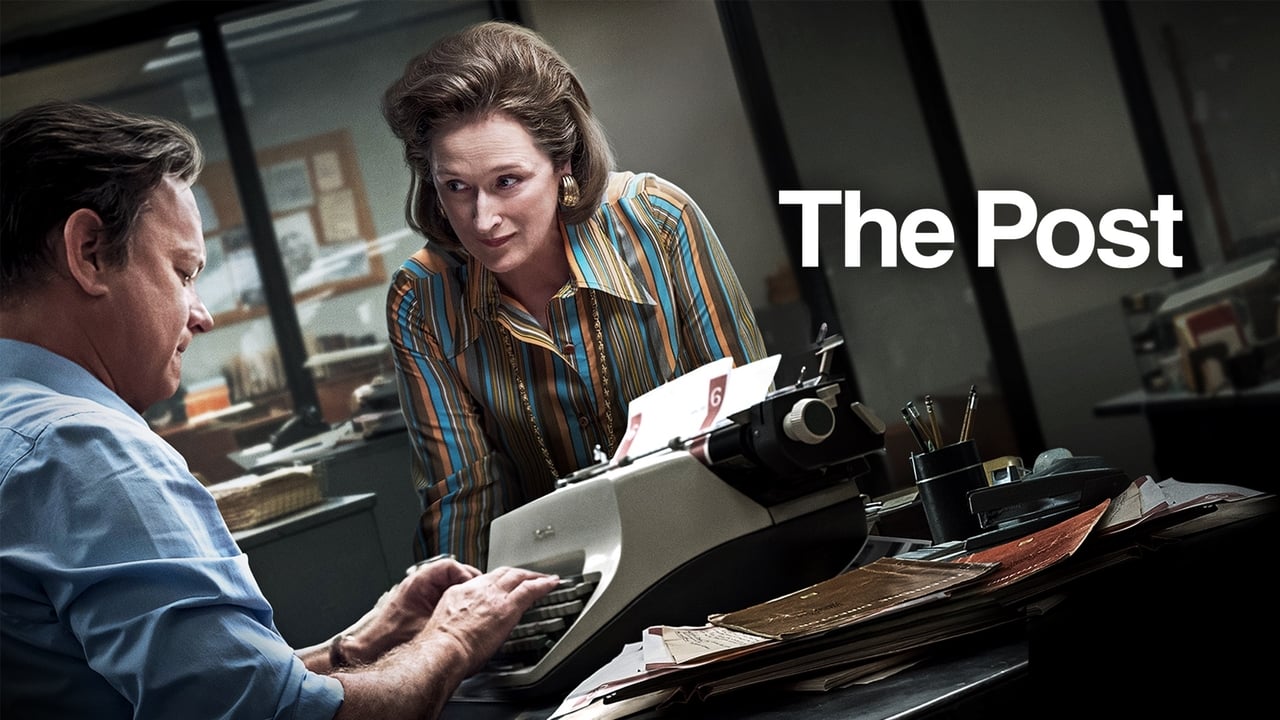
While the film is a period piece, its DNA is strictly 21st-century. In our current era of streaming dominance, where a movie like this might easily have been a six-part miniseries on Max, Spielberg insists on the theatricality of the moment. He utilizes his long-time cinematographer Janusz Kamiński (who also lensed Schindler's List and Saving Private Ryan) to bathe the newsrooms in a dusty, blue-grey light that feels both nostalgic and cold.
What I find most fascinating about The Post now, several years after its release, is how it avoids the trap of being a simple "love letter to journalism." It’s actually quite critical of the cozy relationships between the press and the politicians they cover. Kay Graham is friends with Robert McNamara (played with a tragic, bureaucratic stiffness by Bruce Greenwood); Ben Bradlee was pals with JFK. The movie asks: how can you tell the truth about people you have dinner with? It’s a question that feels even more pointed in our age of social media bubbles and partisan silos.
The ensemble cast is a "who’s who" of "Hey, it’s that guy!" excellence. Bob Odenkirk (fresh off Better Call Saul) is fantastic as the dogged Ben Bagdikian, and Sarah Paulson—while underused—delivers a crucial speech about the personal cost Kay Graham is paying that grounds the entire third act. Even Bradley Whitford (who we all remember from The West Wing) shows up to be the exactly-right-amount of patronizing as a board member who doesn't think a woman can handle the "big boy" world of finance.
Stuff You Didn't Notice
One of the coolest details about the production is the sound design. Spielberg and his team tracked down actual linotype machines to record the clatter and hum of a 1970s newsroom. In an age where most of us consume news via silent scrolls on a glass screen, the physical, mechanical violence of 1970s printing is a revelation. When those presses start rolling at the end, it sounds like a literal tank entering a battlefield.
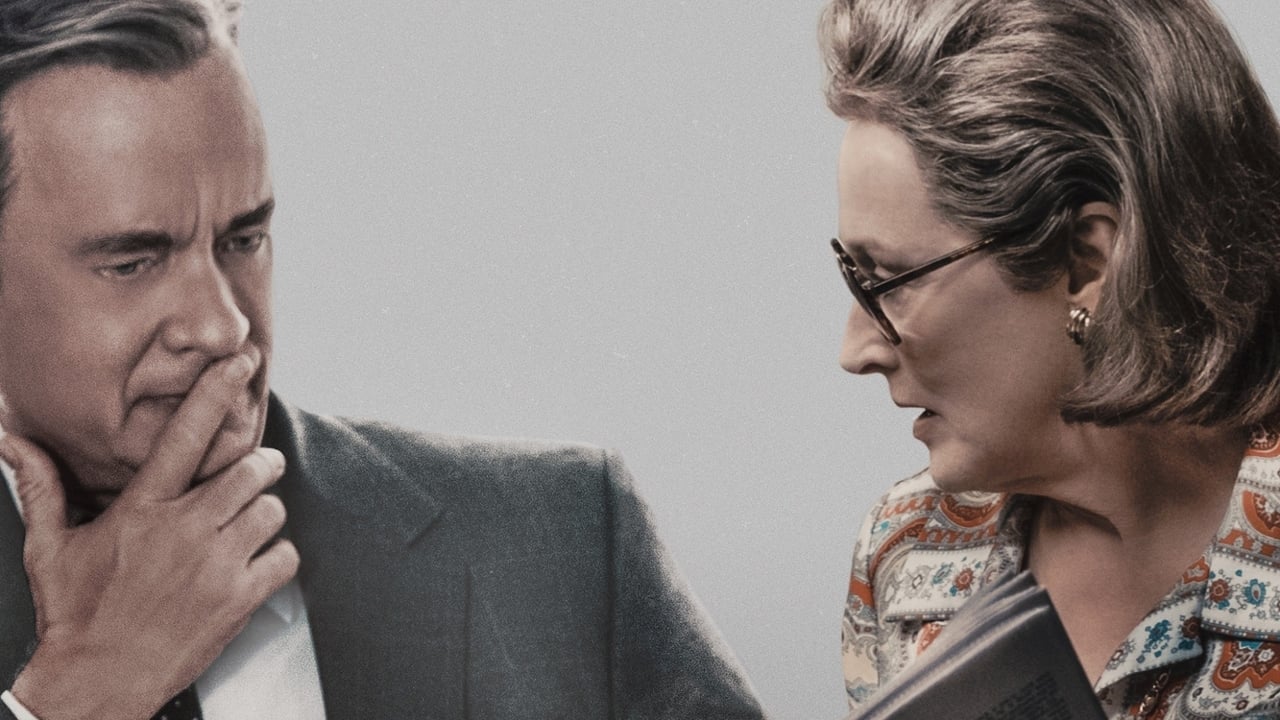
It’s also worth noting that The Post functions as a stealth prequel to All the President’s Men. If you watch them back-to-back, the final scene of Spielberg’s film leads directly into the opening of the 1976 classic. It’s a bit of "cinematic universe" building that I actually approve of because it’s rooted in history rather than intellectual property rights.
Financially, the movie was a massive hit, clearing nearly $180 million on a $50 million budget. It proved that audiences—even in the peak era of the MCU—would still show up for a "dad movie" if it was executed with this much craft and conviction. It doesn't rely on CGI or de-aging tech (though John Williams provides a score that is uncharacteristically rhythmic and tense); it relies on the idea that words matter.
The Post is a rare beast: a prestige drama that refuses to be boring. It’s a film that manages to make the act of reading a transcript feel like a life-or-death struggle. While it might lean a little too hard on its "message" in the final ten minutes, the performances from Streep and Hanks are so charismatic that you’re happy to be along for the ride. It’s a reminder that sometimes the most heroic thing a person can do is simply pick up a phone and say, "Let's go."
Keep Exploring...
-
Lincoln
2012
-

Bridge of Spies
2015
-
Elvis
2022
-
Sully
2016
-

First Man
2018
-
West Side Story
2021
-
The Color Purple
1985
-
Everest
2015
-
Spotlight
2015
-
Ip Man 4: The Finale
2019
-
Little Women
2019
-
The Fabelmans
2022
-

Ready Player One
2018
-
Ip Man 3
2015
-
Darkest Hour
2017
-
Downton Abbey
2019
-
A Beautiful Day in the Neighborhood
2019
-
Munich
2005
-
Black Mass
2015
-

In the Heart of the Sea
2015