The Wall
"One wall. Two men. No way out."
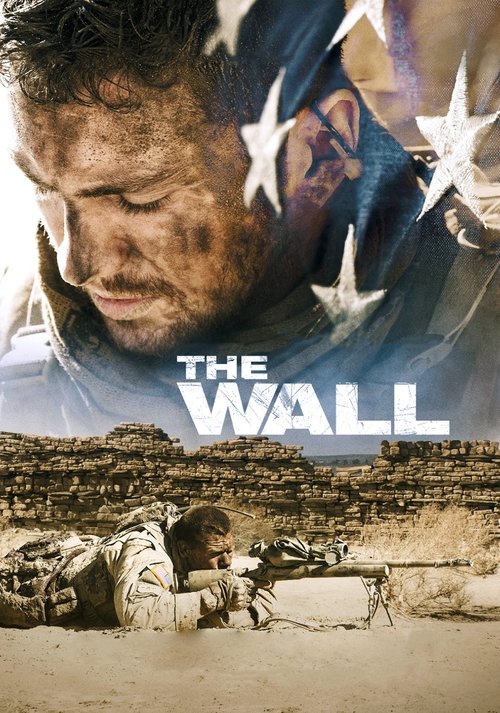
Most directors, after helming a massive, time-looping sci-fi blockbuster like Edge of Tomorrow, would probably look for an even bigger sandbox to play in. Not Doug Liman. In 2017, he decided to take $3 million—basically the catering budget for a Marvel movie—and go into the desert to film two guys and a crumbling pile of rocks. I remember watching this for the first time on my laptop while nursing a lukewarm, slightly flat lemon LaCroix, and the sheer dehydration on screen made me feel like I was the one swallowing sand. It’s a claustrophobic, mean little thriller that feels less like a traditional war movie and more like a high-stakes poker game where the cards are made of lead.
A Masterclass in Doing More with Less
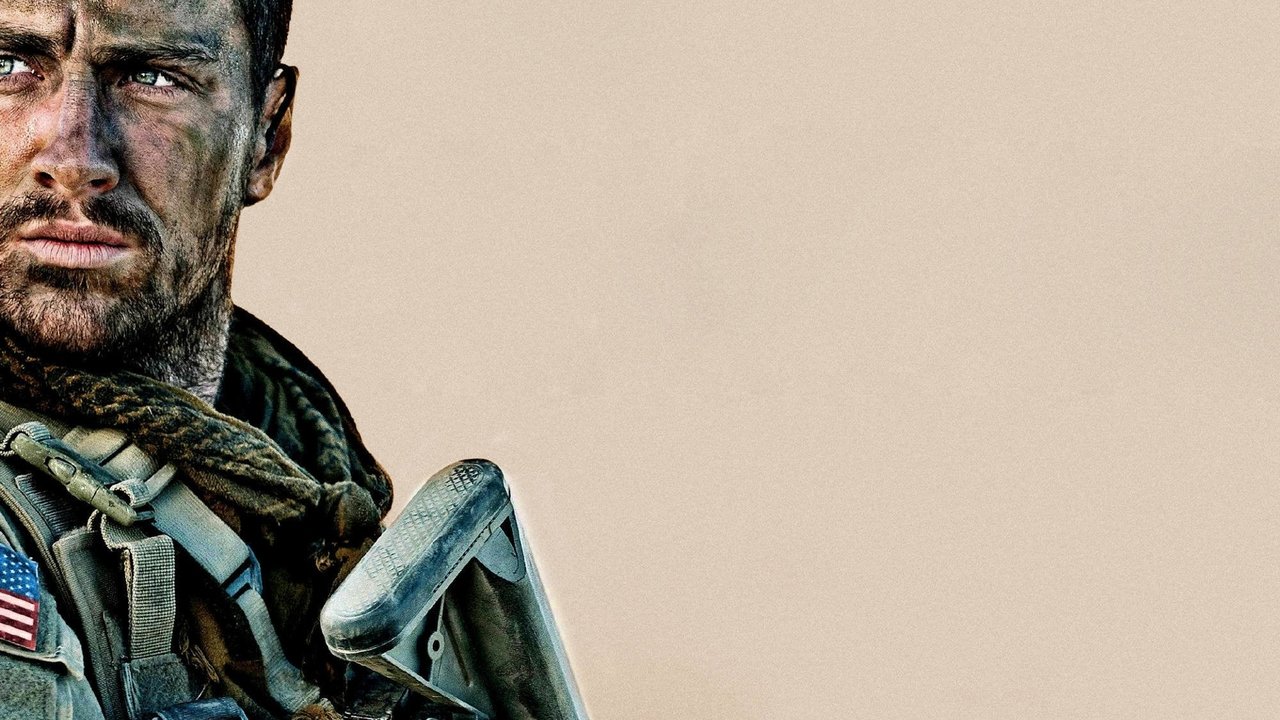
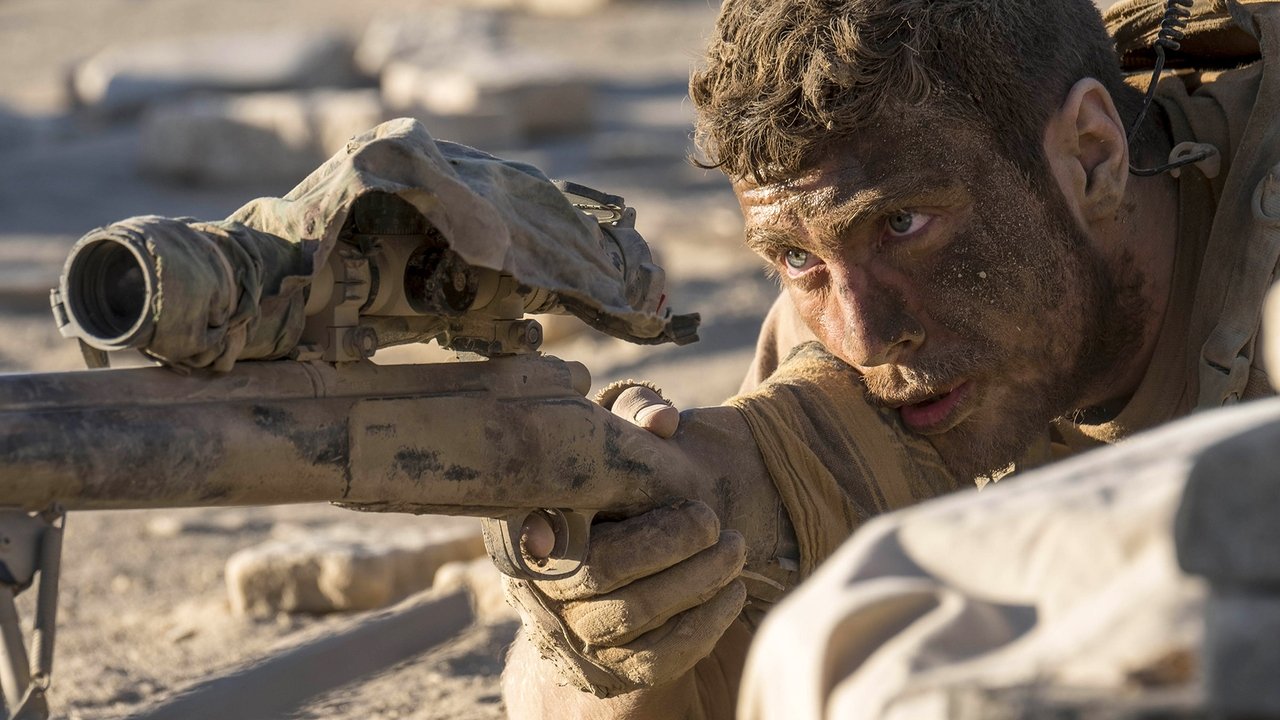
The setup is deceptively simple. We’re in Iraq, 2007. The war is officially "over," but try telling that to the ghosts in the ruins. Two soldiers—Matthews (John Cena) and Isaac (Aaron Taylor-Johnson)—are investigating a construction site where everyone has been picked off by a legendary sniper named Juba. Within the first ten minutes, things go south. Matthews is down, and Isaac is pinned behind a precarious stone wall with a bullet in his leg and a radio that only seems to pick up the voice of the man trying to kill him.
What follows is 90 minutes of psychological warfare. This isn't the kind of action movie where things explode every five minutes to keep you awake. Instead, Doug Liman (who also gave us the frenetic energy of The Bourne Identity) pivots to a grueling, slow-burn tension. The "action" here is found in the micro-movements: the way Isaac tries to reach a water bottle just out of grasp, the steadying of a breath, the clicking of a radio dial. It’s a "bottle movie" set in the wide-open desert, which is a brilliant subversion of the genre. You have miles of visibility, yet you’ve never felt more trapped.
The Invisible Antagonist
The heart of the film isn't the shooting; it's the talking. Laith Nakli provides the voice of Juba, the unseen Iraqi sniper, and he is terrifying precisely because he remains a ghost. In an era where we’re used to seeing every villain’s backstory via a five-minute flashback or a gritty monologue, Juba is just a voice on the other end of a radio. He’s taunting, intelligent, and deeply cynical. He quotes American literature and questions why these boys are even there.
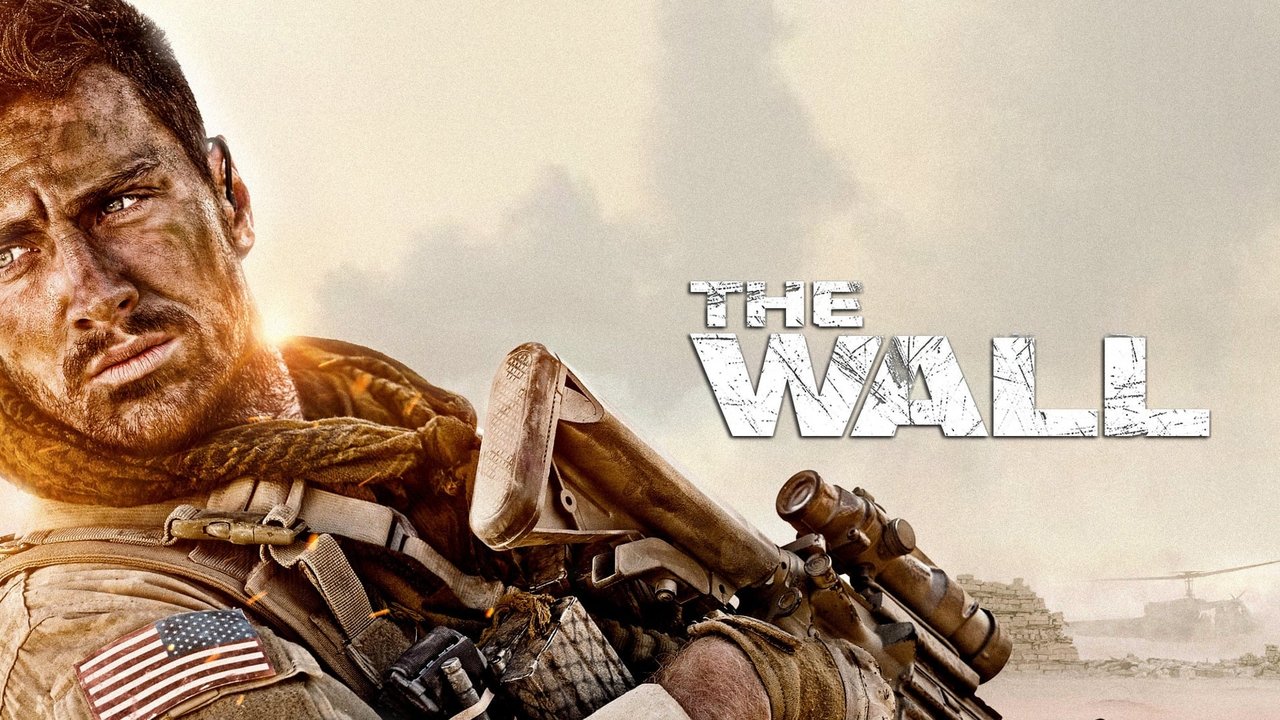
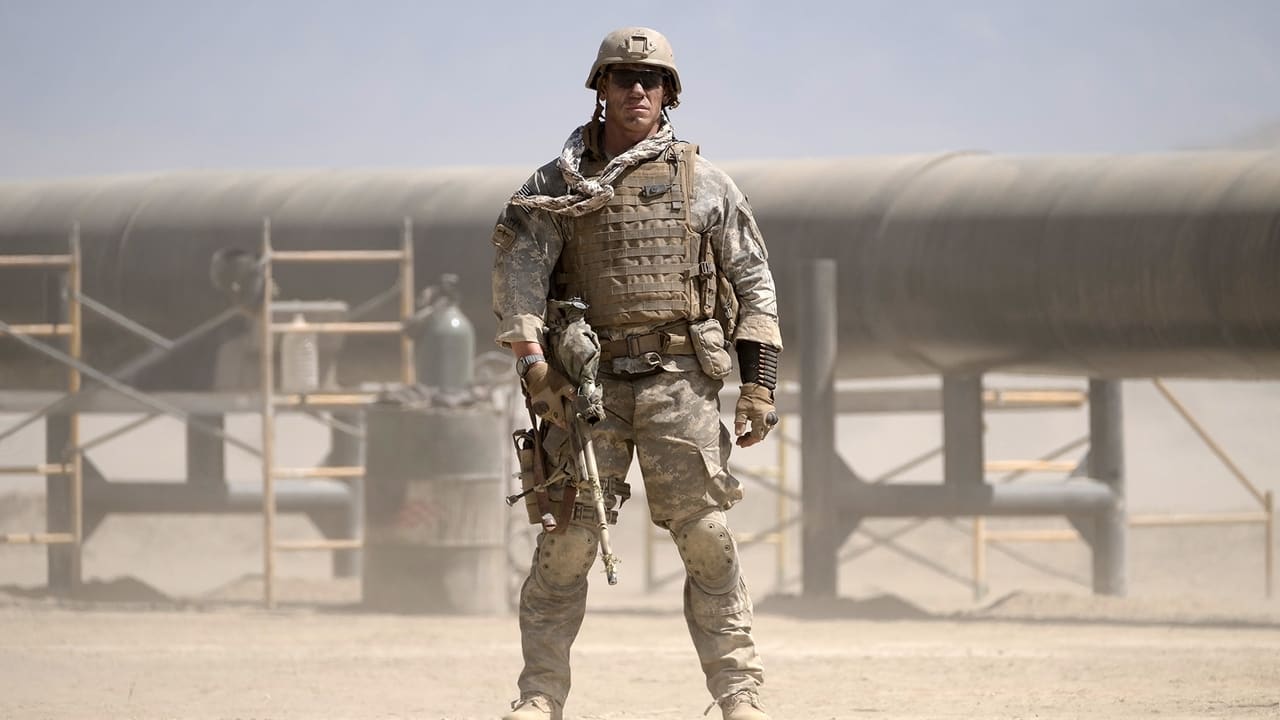
It’s here that the film engages with the contemporary exhaustion of the "forever wars." Released in 2017, The Wall caught the tail end of a decade defined by messy Middle Eastern interventions. It doesn't offer the heroic resolution of a Lone Survivor. Instead, it presents war as a series of errors and ego. Aaron Taylor-Johnson carries the entire film on his back (literally, as he crawls through the dirt), and he’s fantastic. He’s sweaty, panicked, and increasingly desperate. Meanwhile, John Cena spends a significant portion of the runtime face-down in the dirt, proving he’s the world’s most expensive piece of set dressing, though his presence adds a certain "big-screen" weight to what is essentially an indie experiment.
Scrappy Indie Ingenuity
From a production standpoint, The Wall is a fascinating relic of the early Amazon Studios era. Before they were spending half a billion dollars on The Lord of the Rings series, they were buying tight, character-driven scripts like this one by Dwain Worrell. It was actually the first script Amazon ever purchased, and you can see why. It’s a lean, mean production.
They shot the whole thing in just 14 days in the Mojave Desert. That speed shows up on screen—not as sloppiness, but as a raw, jagged edge. The cinematography by Roman Vasyanov (who shot Fury) captures the heat so well you’ll find yourself reaching for a glass of water. There’s no musical score to tell you how to feel, just the whistling wind and the occasional, deafening crack of a rifle. This is a film that relies entirely on sound design and pacing. If the rhythm of the dialogue drops, the movie dies. Fortunately, the editing keeps the screws tightening until the very last frame.
I’ve always had a soft spot for movies that set themselves a "challenge"—one location, limited cast, real-time stakes. The Wall succeeds because it doesn't try to be an epic. It knows it’s a B-movie with A-list talent, and it leans into that grit. It’s a reminder that you don't need a $200 million CGI sky-beam to create stakes. Sometimes, you just need a guy, a radio, and a very sturdy pile of bricks.
While it might feel a bit repetitive for those looking for John Wick levels of movement, The Wall is a sharp, cynical slice of military suspense. It’s a film that asks uncomfortable questions and refuses to provide the easy, patriotic answers we’ve grown accustomed to. It’s a small-scale battle that reflects a much larger, more complicated conflict, proving that in the hands of a capable director, even a pile of rocks can become a stage for a compelling drama. Just make sure you have a cold drink nearby before you hit play.
Keep Exploring...
-
13 Hours: The Secret Soldiers of Benghazi
2016
-
Allied
2016
-
American Made
2017
-
Road House
2024
-

Mr. & Mrs. Smith
2005
-
Batman vs. Robin
2015
-

In the Heart of the Sea
2015
-
San Andreas
2015
-

Son of Saul
2015
-
Jack Reacher: Never Go Back
2016
-
Patriots Day
2016
-
The Finest Hours
2016
-
The Siege of Jadotville
2016
-
12 Strong
2018
-
Death Wish
2018
-
Extinction
2018
-
Black and Blue
2019
-
Rambo: Last Blood
2019
-
The Outpost
2020
-
Sweet Girl
2021