The Zookeeper's Wife
"In the shadow of the Reich, mercy found a cage."
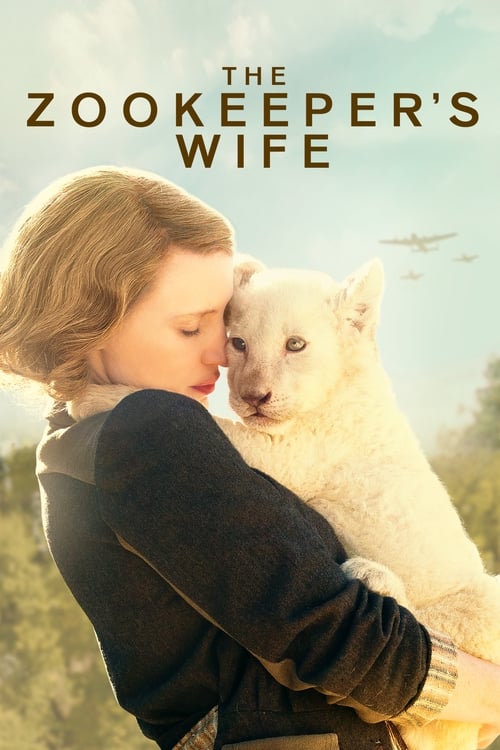
There’s a specific, haunting quiet that opens The Zookeeper’s Wife, a stillness that feels like a held breath before a scream. Before the Stukas scream over Warsaw and the cages are shattered, we see Jessica Chastain as Antonina Żabińska cycling through the zoo grounds, greeted by camels and elephant calves as if she’s the matriarch of a very strange, very peaceful family. It’s a sequence that feels dangerously idyllic, and I watched it while eating a lukewarm bowl of instant ramen that I’d definitely oversalted, feeling a weird pang of guilt for having such a mundane problem while the screen prepared to dissolve into chaos.
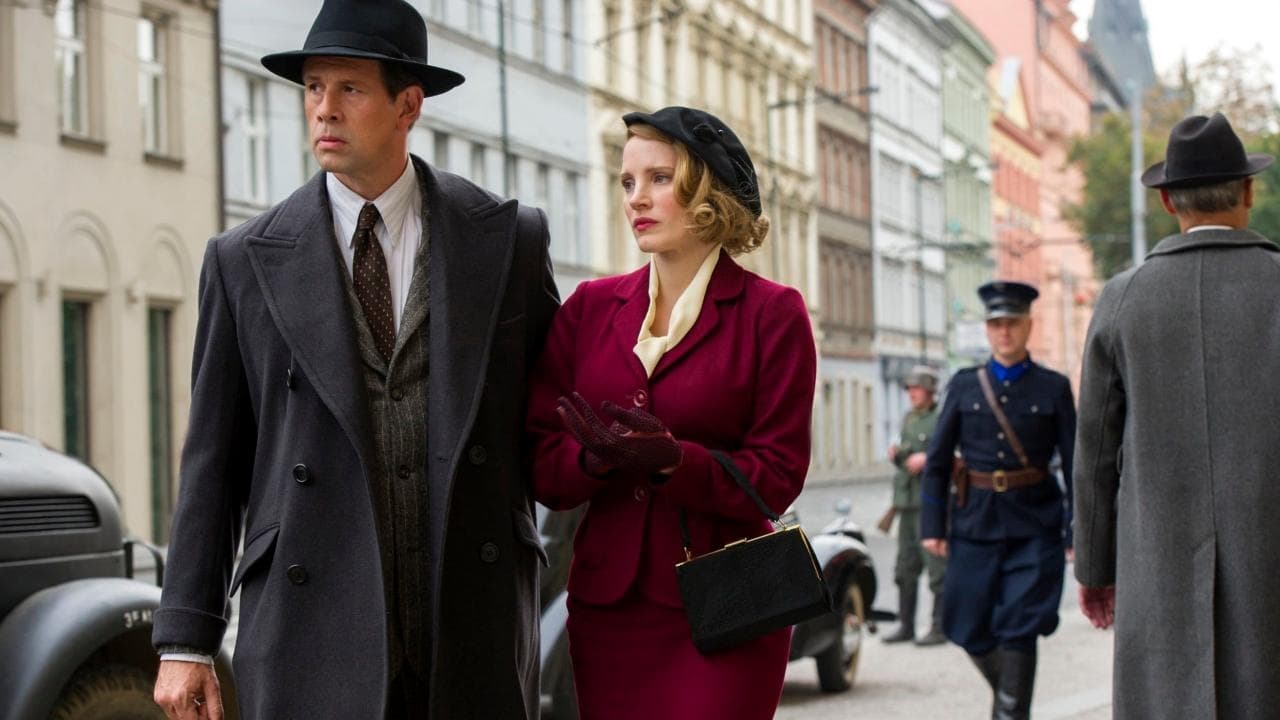
Released in 2017, directed by Niki Caro (who many know from Whale Rider or the live-action Mulan), the film tells the true story of Jan and Antonina Żabiński. When the Nazi invasion decimates their zoo, the couple decides to use the empty cages and their underground tunnels to hide hundreds of Jews escaping the Ghetto. It’s a "Holocaust drama," a subgenre that carries immense weight and, let’s be honest, a certain level of "prestige fatigue" for modern audiences. Yet, looking at it now, it occupies a fascinating space in the 2010s cinematic landscape—a mid-budget, female-led historical drama that actually made it to theaters before that entire category was swallowed whole by streaming platforms.
The Lioness of Warsaw
Jessica Chastain is the engine here. She’s an actor who often plays "hard" characters—think Zero Dark Thirty or Molly’s Game—but here she leans into a vulnerable, almost ethereal softness. Her Antonina communicates better with animals than with people, and Chastain plays her with a breathy, delicate Polish accent that occasionally wavers but carries the necessary emotional frequency.
Opposite her is Johan Heldenbergh as Jan. I really appreciated that the film didn't turn Jan into a generic action hero. He’s a man of science who is visibly eroding under the pressure of the secrets they’re keeping. Their chemistry feels like a real, lived-in marriage—messy, exhausted, and held together by a shared moral compass.
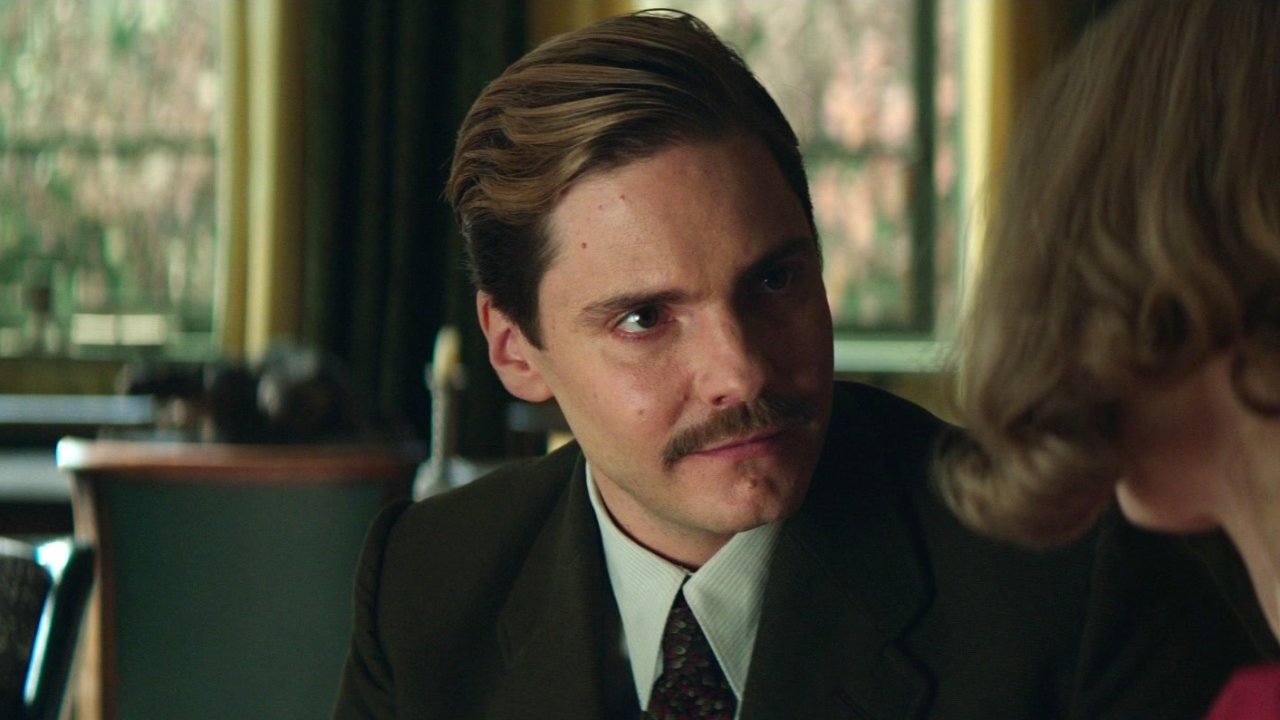
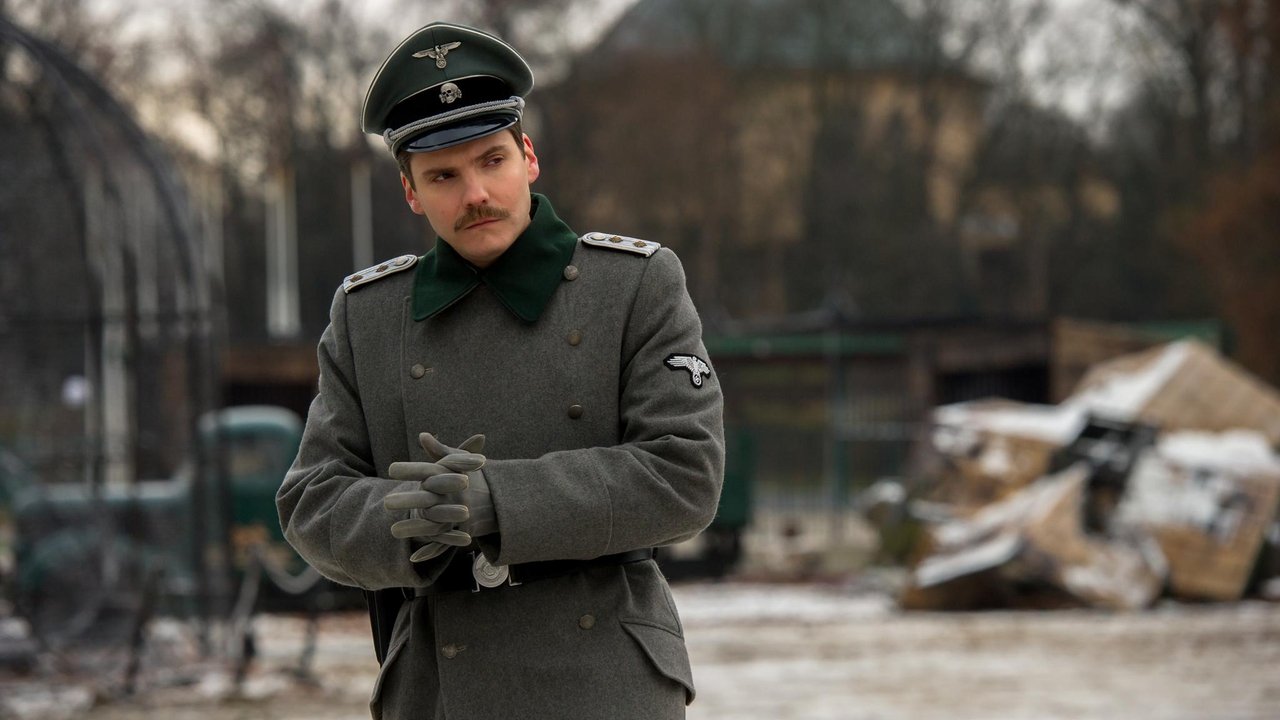
Then there’s Daniel Brühl. Look, Brühl is an incredible actor (go watch Rush or Goodbye Lenin!), but by 2017, he was essentially the go-to guy for "Complex German Man in a Uniform." As Lutz Heck, Hitler’s chief zoologist, he’s trying to "back-breed" extinct animals like the Aurochs. It’s a creepy, literal manifestation of the Nazi obsession with purity. Brühl’s Lutz Heck is what happens when a biology major gets a Hugo Boss uniform and a massive god complex. He’s the antagonist, but he’s played with a pathetic, needy edge that makes him more unsettling than a standard-issue villain.
A Different Kind of Resistance
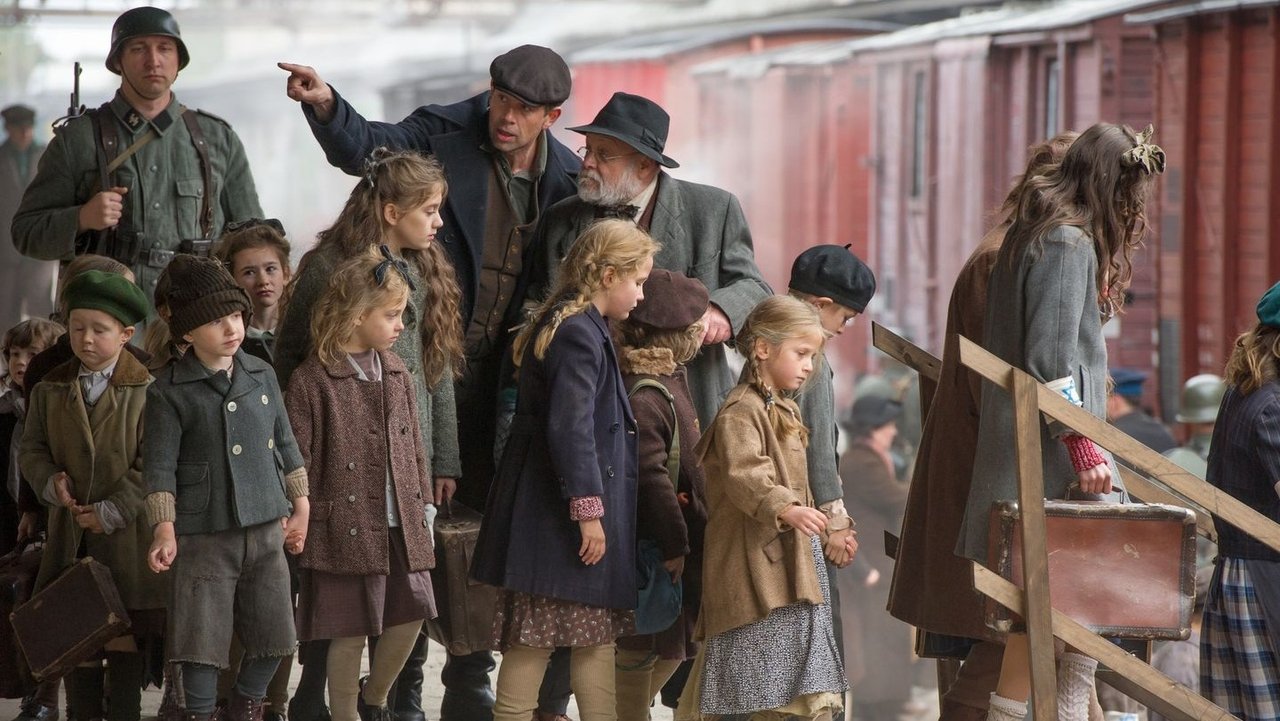
What I find most striking about this film through a contemporary lens is its focus on "soft resistance." Most war movies are obsessed with the ballistics—the caliber of the rifles, the strategy of the generals. Niki Caro is much more interested in the logistics of mercy. How do you feed 300 extra people without the neighbors noticing the grocery bill? How do you keep children quiet in a basement when soldiers are upstairs drinking schnapps?
The production design by Suzie Davies is top-tier. The zoo itself feels like a character that is slowly dying. The transition from a lush, sun-drenched sanctuary to a grey, skeletal ruin is heartbreaking. There’s a scene involving the "liquidation" of the animals that is genuinely difficult to watch. Caro insisted on using real animals whenever possible rather than relying on the CGI crutches that define the current era, and you can feel the difference. When Chastain is cuddling a real lion cub, the stakes feel tangible in a way that The Lion King remake could never touch.
However, the film does occasionally stumble into the "prestige-by-numbers" trap. The script by Angela Workman is earnest, but it sometimes feels a bit too polished for the grit of the subject matter. There are moments where the cinematography by Andrij Parekh is almost too beautiful, riskily turning the tragedy of the Warsaw Ghetto into a series of well-composed postcards.
The Vanishing Mid-Budget Drama
It’s worth noting that The Zookeeper’s Wife feels like a relic of a release strategy that died during the pandemic. In 2017, this was a solid theatrical release that made its money back ($26 million on a $20 million budget). Today, this would almost certainly be a "Netflix Original" or an "Apple TV+ Exclusive." There’s a certain weight that comes from seeing these stories on a big screen that we’re losing as we move toward the "content" era.
I’ll admit, the movie didn’t set the world on fire when it came out. It was overshadowed by bigger awards-season heavyweights, and it’s often left out of the conversation when people talk about the "essential" WWII films. But it deserves a spot on your watchlist, especially if you’re tired of the hyper-masculine "glory of war" narratives. It’s a film about the bravery required to be gentle in a world that has gone feral. It doesn't offer easy catharsis, and the ending leaves you with a heavy, contemplative sadness rather than a triumphant swell of music.
The Zookeeper's Wife is a sturdy, well-acted drama that manages to find a fresh angle on a period of history we’ve seen depicted a thousand times. While it occasionally feels a bit too "Hollywood" for its own good, the central performances and the unique focus on the intersection of human and animal trauma keep it grounded. It’s a reminder that even when the world is burning, there are people who will risk everything just to keep a small corner of it kind. If you’ve missed it in the shuffle of the last few years, it’s a quiet gem worth seeking out.

Keep Exploring...
-

Land of Mine
2015
-

Т-34
2018
-
Emancipation
2022
-
All Quiet on the Western Front
2022
-

The Outpost
2020
-
13 Hours: The Secret Soldiers of Benghazi
2016
-

Hacksaw Ridge
2016
-
The Siege of Jadotville
2016
-

1917
2019
-

Beasts of No Nation
2015
-

Detroit
2017
-

Hotel Mumbai
2019
-
The King
2019
-
Eye in the Sky
2015
-

Suite Française
2015
-
Anthropoid
2016
-

A Bag of Marbles
2017
-
See You Up There
2017
-
22 July
2018
-
An Officer and a Spy
2019