Thelma
"Repression is a very dangerous superpower."

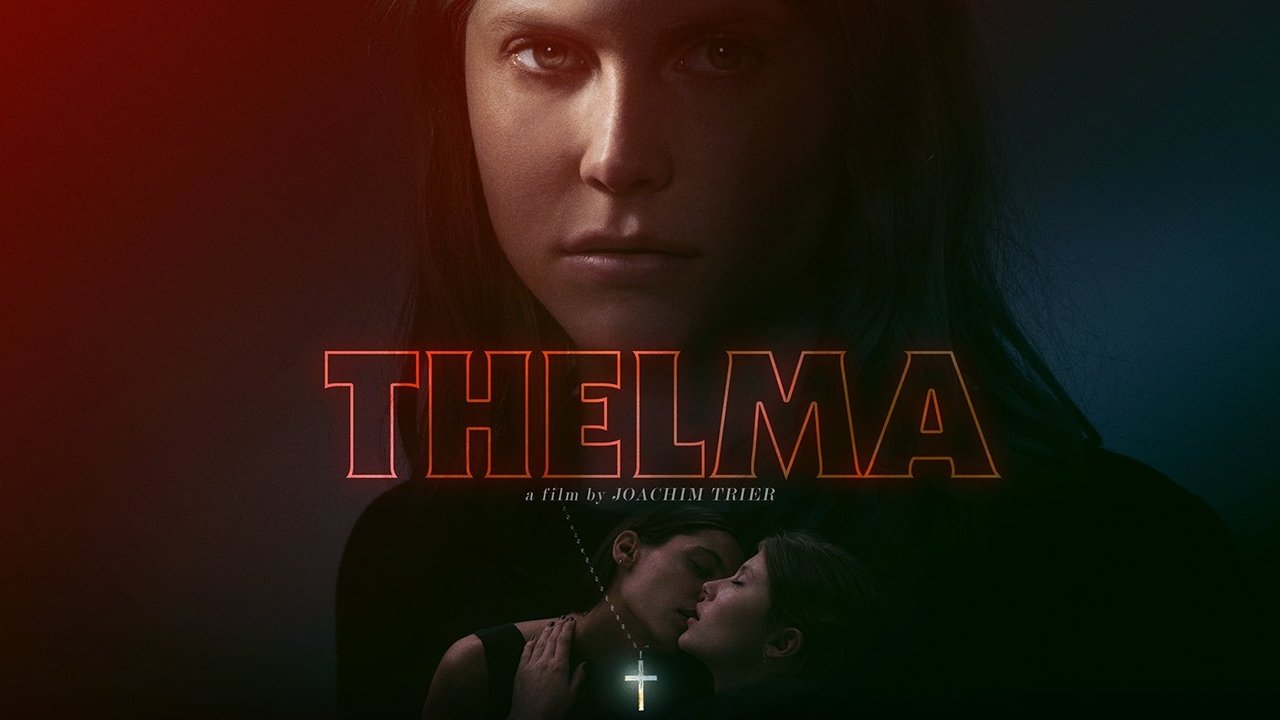
The film opens with a sequence that is frankly impossible to shake: a father and his young daughter trekking across a frozen lake into a snow-dusted forest. They spot a deer. The father raises his rifle, but he doesn't point it at the animal; for a split second, the barrel drifts toward the back of his daughter’s head. It’s a cold, clinical, and heart-stopping introduction to a story that manages to be both a tender queer romance and a bone-chilling supernatural thriller.
I watched this on a Tuesday night while trying to ignore a mounting pile of laundry, and by the end, the laundry felt like a secondary concern to the existential dread vibrating off my TV. Joachim Trier—the man who would later give us the millennial existential crisis The Worst Person in the World (2021)—crafted something entirely different here. Thelma (2017) is what happens when you take the DNA of a superhero origin story and strip away the spandex, replacing it with the suffocating weight of Norwegian Pietism and repressed desire.
The Physics of Fear
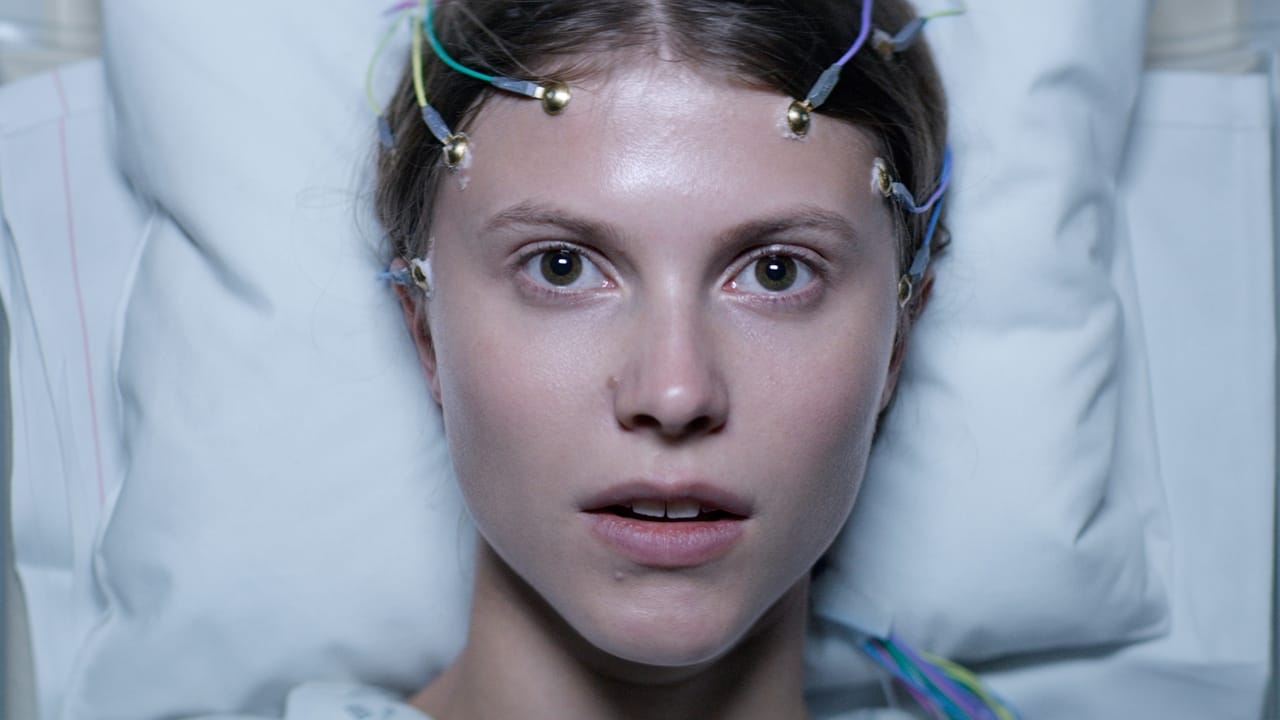
At its heart, the film follows Thelma, played by the luminous Eili Harboe, as she leaves her ultra-religious parents to attend university in Oslo. She is the definition of a "sheltered kid," the kind who probably thinks caffeine is a gateway drug. When she meets Anja (Kaya Wilkins), her world doesn’t just tilt—it starts to glitch. Thelma begins having violent, unexplained seizures that the doctors can't quite diagnose.
What I love about Harboe’s performance is the sheer physicality of it. These aren't "movie seizures" where someone just shakes a bit and wakes up with perfect hair. They are agonizing, awkward, and deeply uncomfortable to watch. To prepare for the role, Harboe worked closely with Marte Magnusdotter Solem (who plays the neurologist in the film) to study the mechanics of psychogenic non-epileptic seizures. It shows. When Thelma’s body betrays her, you feel the internal war between her upbringing and her biology. It’s basically 'Carrie' if Stephen King had been obsessed with Ingmar Bergman instead of prom queens.
A Cold Lens on a Hot Topic
Coming out in 2017, Thelma landed right in the middle of a major shift in contemporary cinema. We were moving away from the "jump scare" factory of the 2000s and into the era of "elevated horror"—a term critics love and fans mostly tolerate. It was the same year as Get Out and just after The Witch, films that used genre tropes to dissect social and psychological rot.
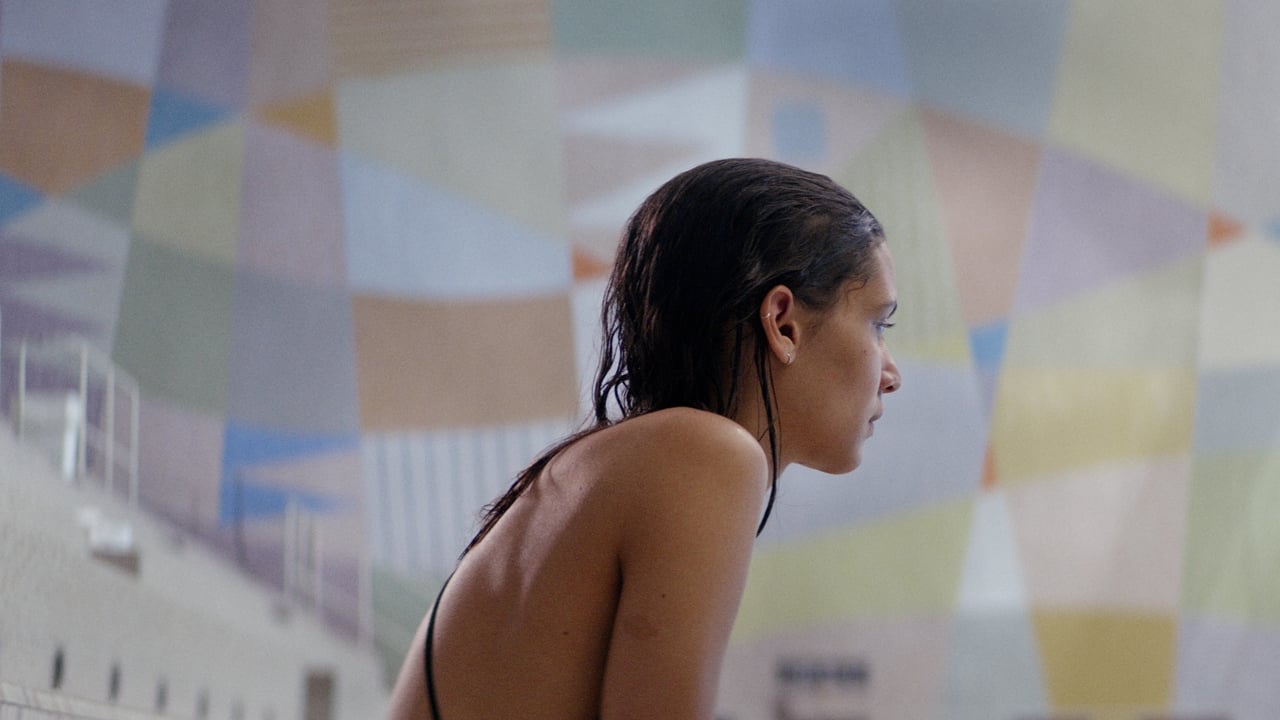
Thelma fits that mold perfectly but brings a uniquely Scandinavian chill to the table. Joachim Trier and his long-time writing partner Eskil Vogt (who also wrote the terrifying The Innocents) don't rely on shadows or monsters. Instead, they use the architecture of Oslo—vast, glass-heavy, and lonely—to mirror Thelma’s isolation. The cinematography by Jakob Ihre is so crisp you could practically cut your finger on the screen. There’s a scene in an opera house where the chandelier begins to sway, and the tension is so thick I actually stopped breathing for a second. It’s the kind of tension that makes you realize you’ve been clenching your jaw for forty-five minutes.
Why This One Slipped Through the Cracks
Despite being Norway's official entry for the Oscars that year, Thelma didn't exactly set the global box office on fire, pulling in about $1.5 million against a $5 million budget. It’s a classic victim of the "subtitle barrier" and the difficulty of marketing a film that refuses to stay in one lane. Is it a coming-out drama? A psychological thriller? A dark fairy tale? The answer is "yes," and that’s a nightmare for a marketing department trying to sell tickets to people who just want The Conjuring 4.
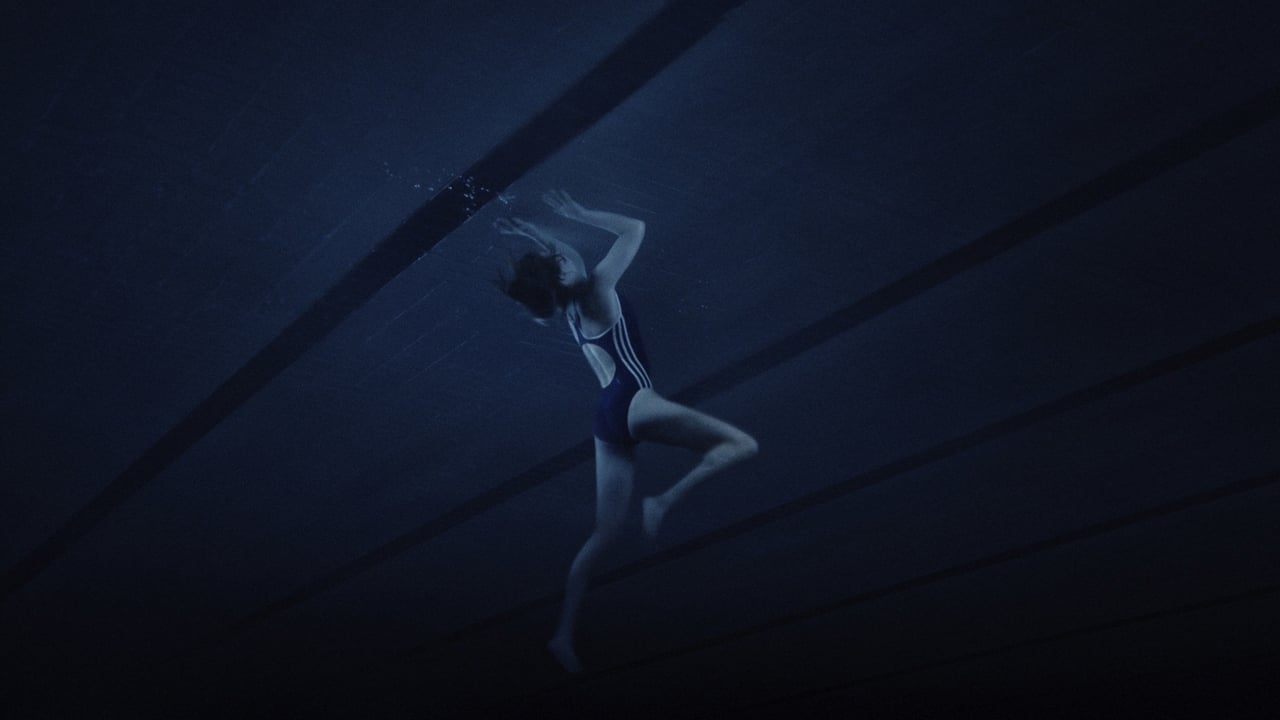
There’s some fascinating trivia buried in the production, too. For the scene involving a snake crawling over Thelma, they didn't use CGI. That was a real snake, and Kaya Wilkins (who is also a brilliant musician under the name Okay Kaya) had to maintain her composure while it did its thing. Also, the film’s score by Ola Fløttum is a masterclass in atmospheric dread—it’s the kind of music that makes a simple walk to the library feel like a descent into the underworld.
The film also serves as a fascinating look at how we view "representation" in the modern era. Thelma doesn't treat the queer romance as a "problem" in the way older films might have; the conflict isn't that she’s attracted to a woman, but that her very existence is a threat to the rigid, controlled world her father (Henrik Rafaelsen) has built for her. It’s about the power of the "true self," as the tagline suggests, and how terrifying it is when that self finally breaks the leash.
Thelma is a gorgeous, haunting piece of contemporary cinema that deserves a much larger cult following than it currently has. It’s a movie that trusts its audience to sit with the silence and the snow, building to a conclusion that is both horrific and strangely liberating. If you’ve ever felt like your own emotions were a little too big for the room you were standing in, this film is going to resonate in a way that’s almost uncomfortable. Just maybe watch it with the lights on—and keep an eye on your chandeliers.
Keep Exploring...
-
The Worst Person in the World
2021
-

Dark Places
2015
-

Personal Shopper
2016
-
The Discovery
2017
-
Burning
2018
-

The Professor and the Madman
2019
-

Black Box
2021
-
The Outfit
2022
-
Mirage
2018
-
Greta
2019
-
The Vast of Night
2019
-

The Lodge
2020
-
Luckiest Girl Alive
2022
-

No Exit
2022
-
Missing
2023
-
The Gift
2015
-
Suburbicon
2017
-
Bad Times at the El Royale
2018
-
Deep Water
2022
-

Reptile
2023