Three Billboards Outside Ebbing, Missouri
"Justice is a slow burn in a dying town."

The first time I saw those three blood-red billboards cutting through the morning mist of the North Carolina countryside—masquerading as Missouri—I felt a physical tightening in my chest. It wasn’t just the bluntness of the text; it was the sheer, jagged audacity of the woman who put them there. Frances McDormand enters this movie not as an actress looking for an Oscar (though she certainly found one), but as a force of nature in a jumpsuit. She’s Mildred Hayes, a mother who has run out of tears and replaced them with a steady, cooling supply of liquid rage.
I watched this film for the second time last Tuesday while nursing a slightly burnt tongue from a too-hot cup of peppermint tea. That minor, nagging physical irritation actually felt like the perfect headspace for a Martin McDonagh film. His stories don’t want you to be comfortable. They want you to itch.
A Masterclass in Moral Friction
Released in 2017, Three Billboards Outside Ebbing, Missouri arrived at a hyper-specific crossroads in our cultural conversation. It landed right as the #MeToo movement was gaining traction and as national dialogues about police accountability were reaching a fever pitch. In this environment, the film was a lightning rod. It’s a drama that refuses to behave like a "prestige" film should. It’s messy, it’s profane, and it’s frequently, uncomfortably funny in a way that makes you want to check if the person sitting next to you is also laughing.
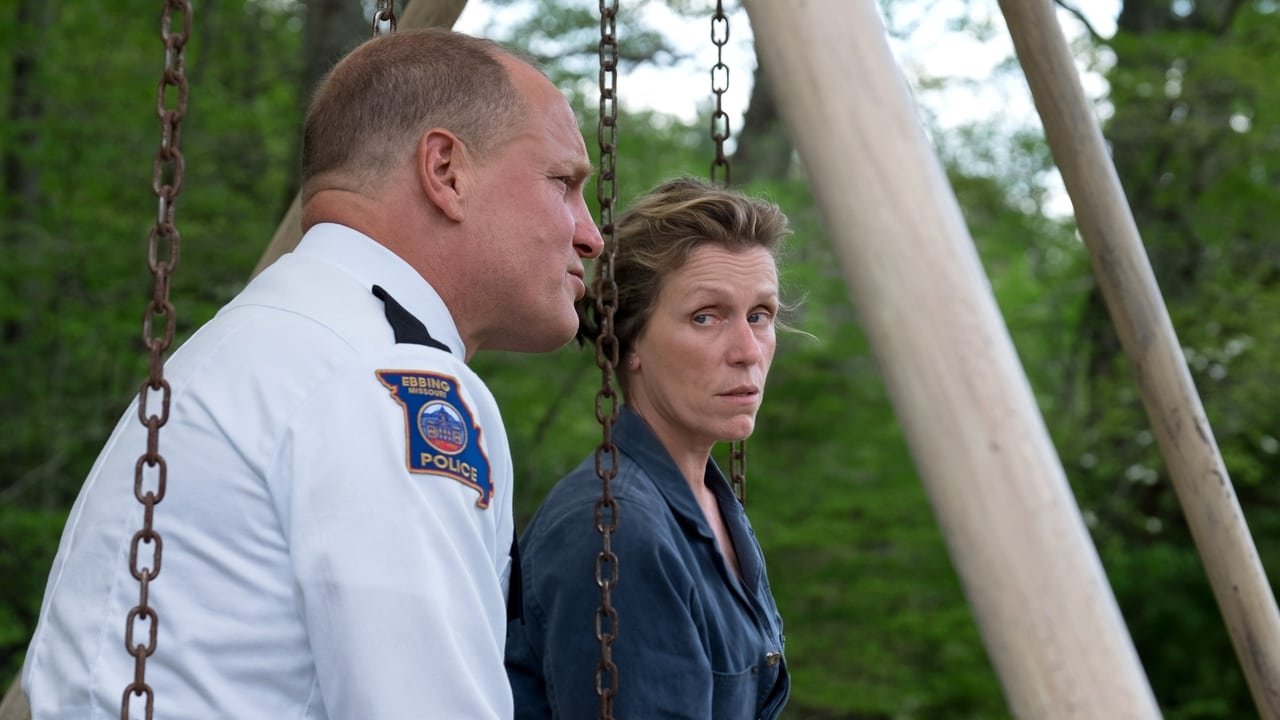
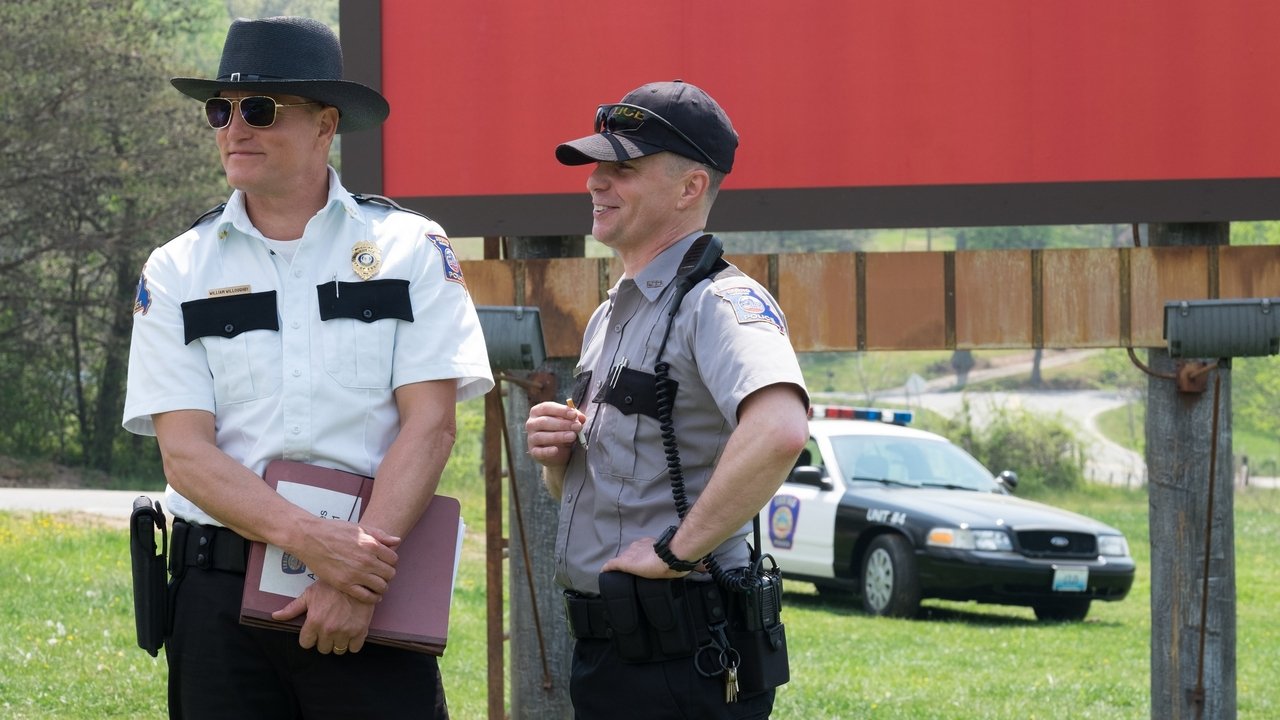
Mildred’s daughter was raped and murdered seven months prior, and the trail has gone cold. Her solution? Three signs questioning why Chief Bill Willoughby—played with a heartbreaking, weary grace by Woody Harrelson—hasn't made an arrest. This isn't a "whodunit." We never find out who killed Angela Hayes. Instead, it’s a "what-now-unit." It’s about the radioactive half-life of grief and how it mutates everyone it touches.
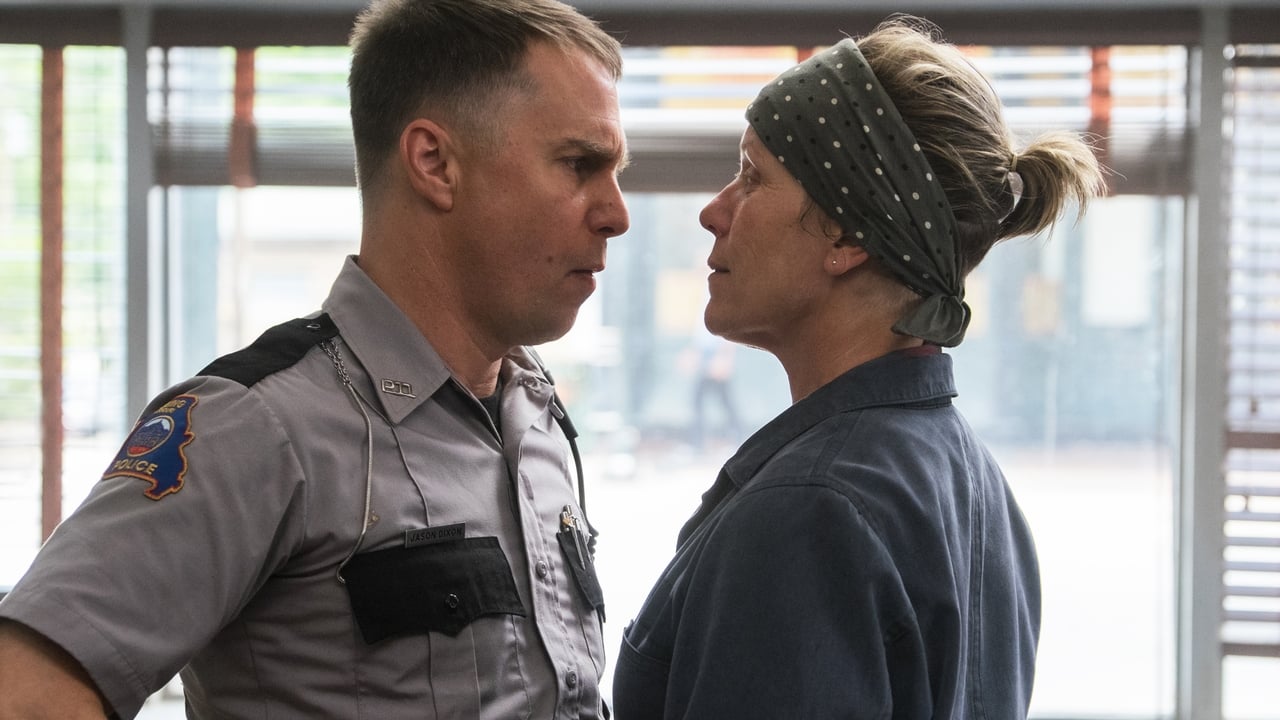
The film’s most controversial element—and the reason it sparked a thousand Twitter threads—is Sam Rockwell’s Officer Jason Dixon. Dixon is a racist, violent, "mother’s boy" with the intellectual depth of a birdbath. Watching Sam Rockwell navigate this character is like watching a tightrope walker over a pit of broken glass. By the end, the film asks you to do something nearly impossible: to see the flickers of humanity in a man who has spent the last ninety minutes being an absolute rotter. Dixon is a human car crash you’re forced to help out of the wreckage. Whether you think he "earns" his trajectory is the litmus test for how you view forgiveness in the modern age.
The Prestige of the Unpolished
Coming from the mind of Martin McDonagh (the guy who gave us In Bruges), the screenplay is a razor. Every line of dialogue feels like it was forged in a furnace and then sharpened. But what’s fascinating is how the film treats its "prestige" status. It was a massive awards contender, eventually scooping up seven Academy Award nominations and winning two (Best Actress for McDormand and Best Supporting Actor for Rockwell). Usually, "Oscar bait" feels sanded down and polite. This movie is Mildred Hayes kicking a teenager in the crotch while wearing a bandana. It’s ugly and it’s proud of it.
The technical execution is deceptive. Ben Davis’s cinematography captures the town of Ebbing with a dusty, lived-in quality that makes the bright red of the billboards feel like an open wound on the landscape. And then there’s the score by Carter Burwell. It’s got this folk-inflected, Western-inspired lilt that suggests we aren't just watching a small-town drama; we’re watching a high-noon standoff where no one actually knows how to shoot a gun.
Stuff You Didn't Notice
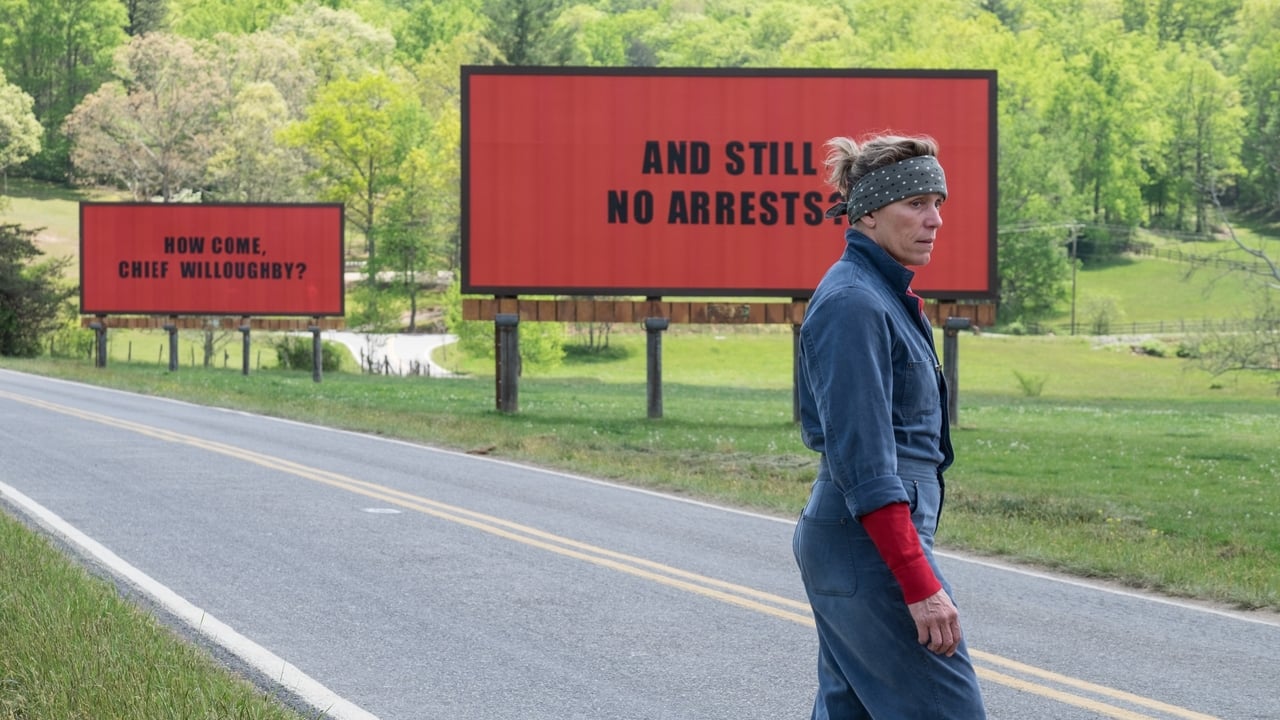
One of the more interesting bits of trivia involves the billboards themselves. They were actually erected along a stretch of road in Sylva, North Carolina, and they became such a local landmark during filming that the production had to cover them up when they weren't shooting to prevent car accidents. Apparently, the locals were just as stunned by the messages as the fictional residents of Ebbing.
The awards season for this film was a wild ride. While it was the critical darling of the fall, by the time the Oscars rolled around, the discourse had shifted. Critics began to tear into the film’s handling of race, specifically regarding Dixon’s character. It eventually lost Best Picture to The Shape of Water, leading to one of those "what if" scenarios film nerds love to debate. Does a movie about a woman seeking justice for her daughter lose to a movie about a woman falling in love with a fish-man because the fish-man is less politically complicated? It’s a question that could only exist in the 2010s.
Also, it’s worth noting that McDonagh wrote the role of Mildred specifically for Frances McDormand. She initially turned it down, feeling she was too old for the part, until her husband (filmmaker Joel Coen) told her to shut up and take it. I’m glad she listened. Her performance is a masterwork of stillness punctuated by explosions. She doesn't ask for your sympathy, and she doesn't give a damn if you like her.
Three Billboards is a film that demands to be wrestled with. It captures a specific contemporary anxiety—the feeling that the systems meant to protect us are failing, and the only response is a loud, public scream. It’s a drama that finds its power in the gaps between the dialogue, in the moments where characters realize they have more in common with their enemies than they’d like to admit. It’s not a comfortable watch, but it’s an essential one for anyone who likes their cinema with a bit of dirt under its fingernails.
Keep Exploring...
-
Joker
2019
-
The Banshees of Inisherin
2022
-
In Bruges
2008
-
Hell or High Water
2016
-
Patriots Day
2016
-
Snowden
2016
-
The Accountant
2016
-
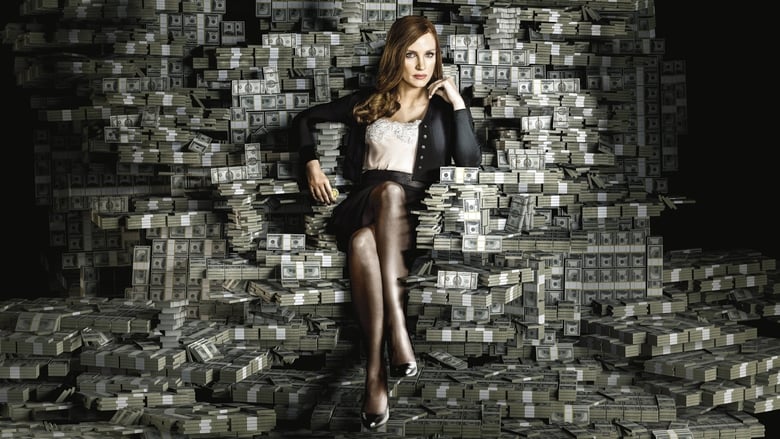
Molly's Game
2017
-
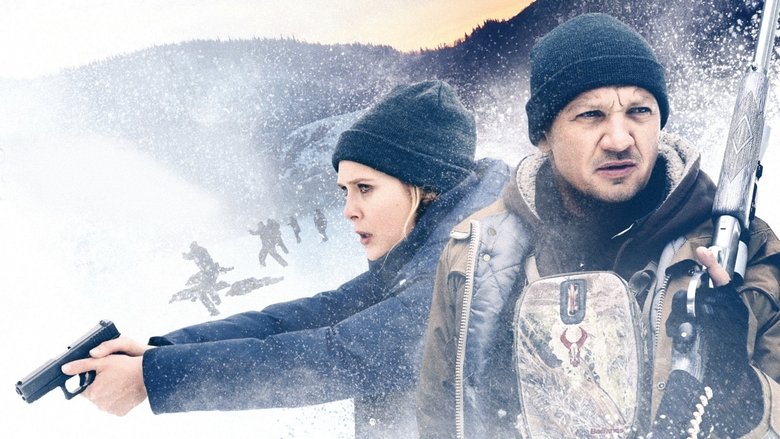
Wind River
2017
-
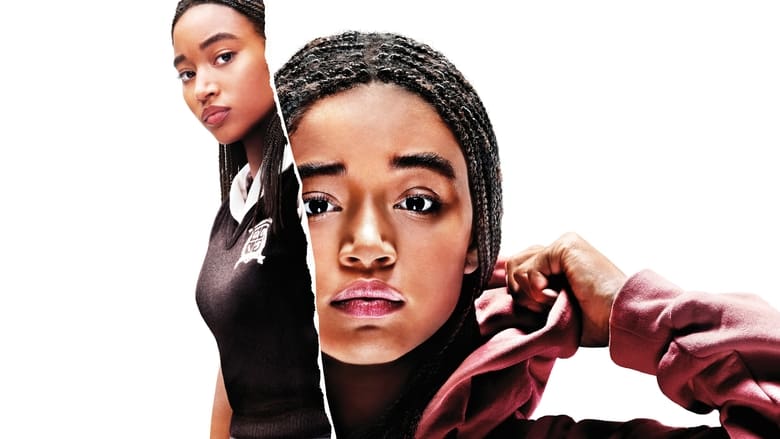
The Hate U Give
2018
-
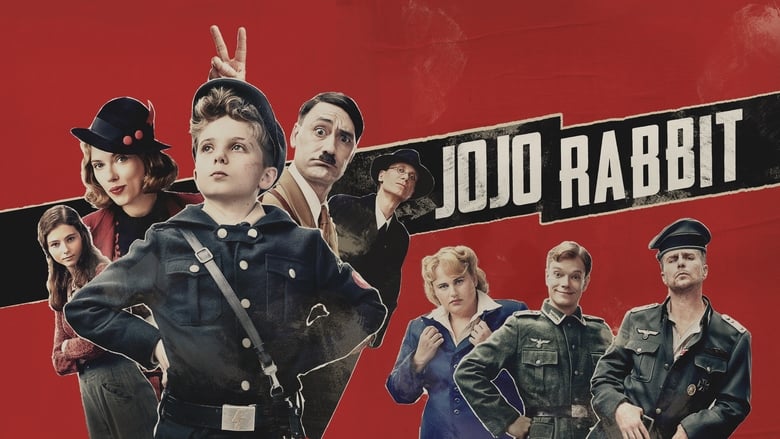
Jojo Rabbit
2019
-
Just Mercy
2019
-
Uncut Gems
2019
-
Promising Young Woman
2020
-
Wrath of Man
2021
-
The Outfit
2022
-
Fargo
1996
-
Batman vs. Robin
2015
-
Suburra
2015
-
Miss Sloane
2016