Unicorn Store
"Adulthood is a trap. Bring your own glitter."
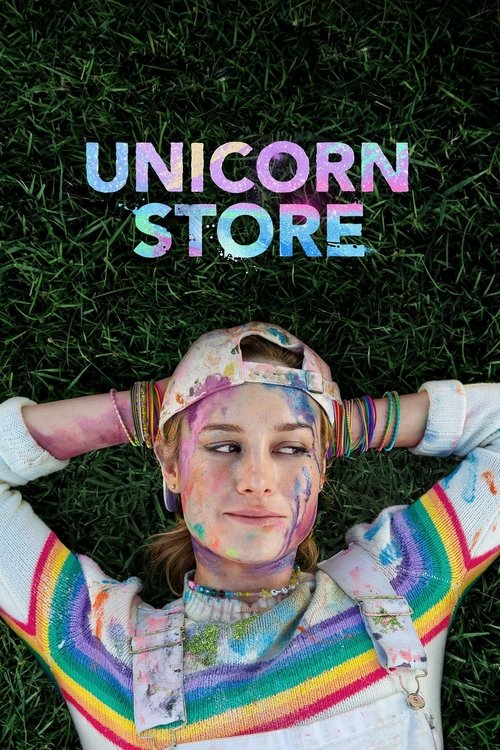
If you’ve ever looked at a spreadsheet and felt a soul-crushing urge to throw a bucket of neon-pink paint at your monitor, Brie Larson has made a movie specifically for you. Unicorn Store is the cinematic equivalent of a Trapper Keeper found in the back of a damp garage—it’s a bit musty, aggressively colorful, and unapologetically sincere about things most grown-ups have learned to be embarrassed by. I watched this while eating a slice of slightly stale birthday cake I’d found in the fridge, and honestly, the sugary, somewhat-deflated vibe of the snack perfectly mirrored the experience of being a twenty-something in a world that demands you stop liking things that sparkle.

The Sparkle-Dusted Crisis of Competence
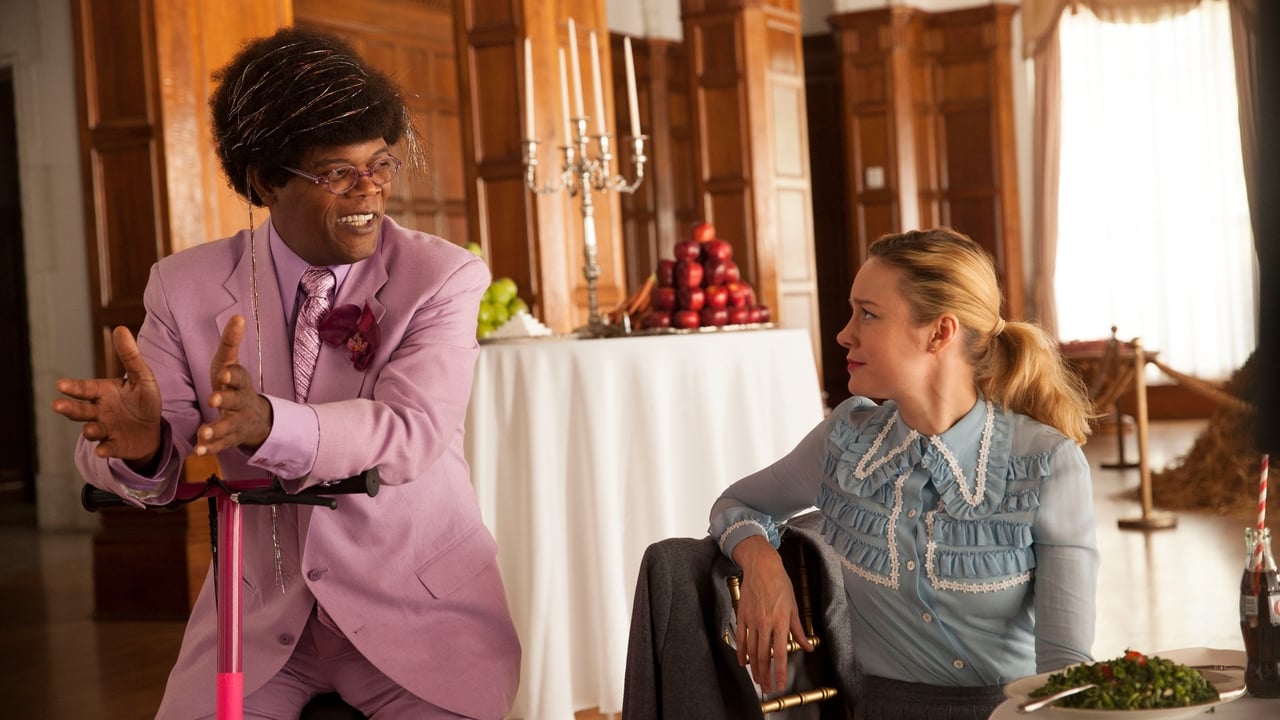
The film centers on Kit, played with a frantic, jittery energy by Brie Larson (fresh off her Oscar win for Room but before her MCU debut). Kit is an art school failure who has retreated to her parents' basement, drowning in a sea of failed rainbow-splattered canvases. When she takes a temp job at a soul-sucking marketing agency, she receives a mysterious, glitter-encrusted invitation to "The Store." Enter Samuel L. Jackson as The Salesman, sporting a pink tinsel suit that only a man of his legendary stature could pull off without looking like a rogue holiday decoration.
What I find most interesting about this debut is how it sits in our current era of "whim-core" and the "adulting" discourse. Released during the height of the streaming boom, Netflix snatched this up after it debuted at TIFF in 2017, largely because the world was hungry for anything featuring the future Captain Marvel. But Unicorn Store isn’t a superhero movie; it’s a portrait of arrested development that feels deeply relevant to a generation that entered the workforce during a period of economic instability and social media-induced FOMO. Kit is effectively a walking "participation trophy" who decided to stop participating.
Nick Fury and Captain Marvel’s Weird Weekend
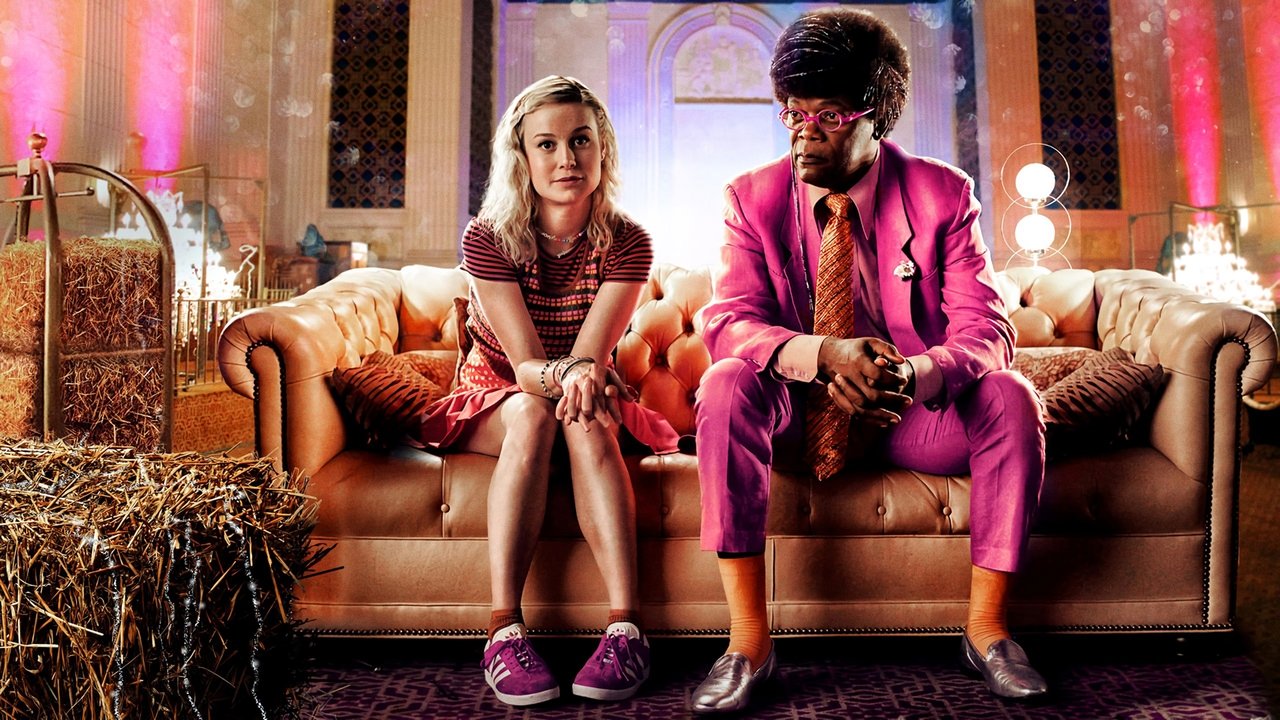
The chemistry between Brie Larson and Samuel L. Jackson is the backbone of the film, and it’s a delight to see them play in a sandbox that doesn't involve green screens or cosmic threats. Jackson brings a bizarre, rhythmic serenity to the role of the Salesman, while Larson leans into the unpolished, often unlikeable edges of Kit. She isn't a "manic pixie dream girl" meant to fix a man; she’s a woman who is genuinely struggling with the fact that the world is more beige than she was promised.
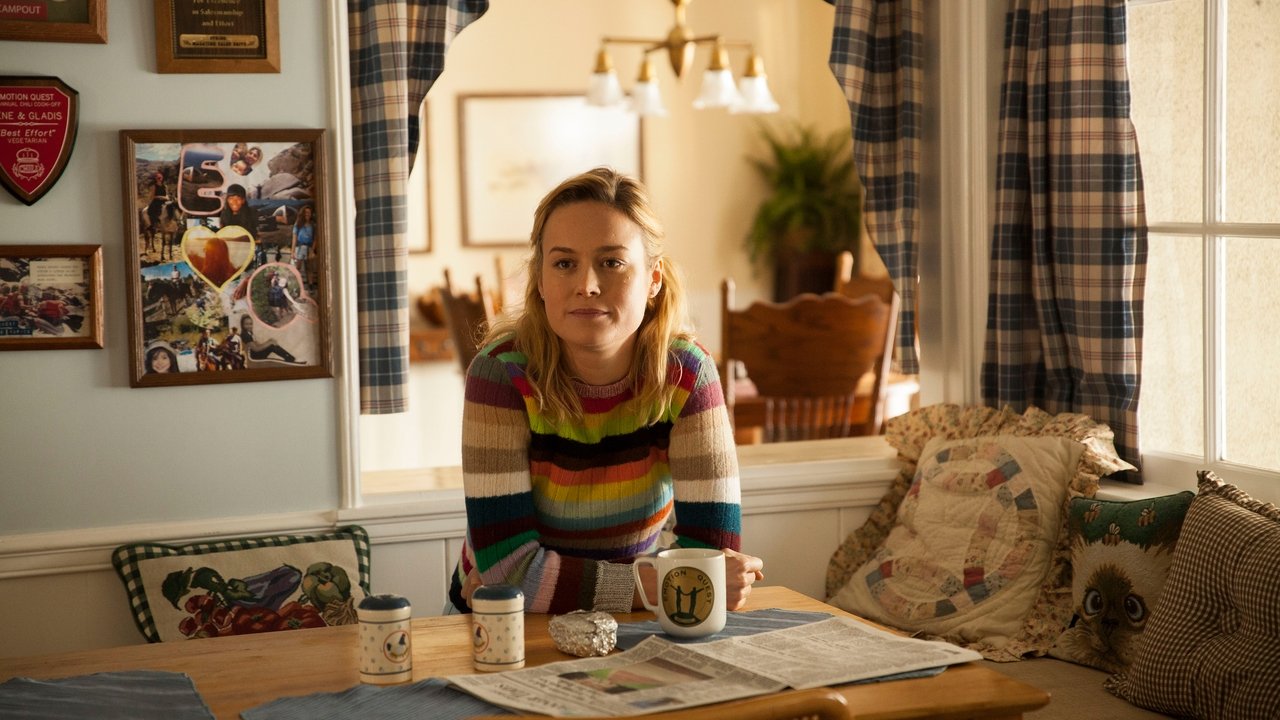
The supporting cast is equally stacked. Joan Cusack (Addams Family Values) and Bradley Whitford (Get Out) play Kit’s parents, Gladys and Gene, with a weary, New Age compassion that feels incredibly lived-in. They run a "healing" camp for teens, which provides a hilarious backdrop to Kit’s internal chaos. Then there’s Virgil, played by Mamoudou Athie (Archive 81), who acts as the film’s anchor. Virgil is the guy tasked with building Kit’s unicorn stable, and Athie’s performance is a lesson in understated comedic timing. He plays the "straight man" to Kit’s absurdity, but he does it with a soulful gentleness rather than judgment.
The High Price of Magical Realism
Cinematically, Brie Larson makes some bold directorial choices. Working with cinematographer Brett Pawlak, she creates a visual divide between the corporate world—all flat grays and fluorescent lights—and Kit’s internal world, which bleeds into the frame through vibrant, saturated hues. It’s not a subtle film, but then again, unicorns aren’t exactly known for their subtlety.
The production itself has a fascinating backstory. The screenplay by Samantha McIntyre had been floating around Hollywood for years—at one point, Miguel Arteta was attached to direct—but it was Larson who finally brought it to life, filming it in just 24 days. There’s a DIY, scrappy energy to the production that mirrors Kit’s own art. Some critics found the film’s earnestness to be "cloying" or "too much," but I’d argue that irony is the cheapest currency we have, and it’s refreshing to see a director commit so fully to a premise that invites mockery. It’s a film that asks: is it better to be a sane person in a boring world, or a "crazy" person in a magical one?
Interestingly, the film was caught in a bit of a release limbo. It was shot in 2016, but stayed on a shelf until 2019, when Netflix leveraged the Captain Marvel hype. Watching it now, it feels like a precursor to the "meta-indie" style that has become a staple of streaming platforms. It’s small, personal, and weird—the kind of mid-budget project that used to thrive in the 90s but now mostly lives in the digital libraries of the streaming giants.
Unicorn Store is a messy, glittery, and deeply felt exploration of what it means to grow up without growing boring. It won’t work for everyone—if you have a low tolerance for quirk, this will be your personal nightmare—but for those of us who still feel like we’re faking our way through "real life," it’s a lovely, neon-hued hug. It’s a reminder that even if you never get your unicorn, the act of building a stable for one is a pretty good way to spend your time. We need more films that aren't afraid to look a little ridiculous in the pursuit of something genuine.
Keep Exploring...
-
Justice League vs. Teen Titans
2016
-
Battle of the Sexes
2017
-
I Don't Feel at Home in This World Anymore
2017
-
Olaf's Frozen Adventure
2017
-
Can You Ever Forgive Me?
2018
-

Welcome to Marwen
2018
-

The Laundromat
2019
-

Fatman
2020
-

The Christmas Chronicles: Part Two
2020
-
Amsterdam
2022
-

The House
2022
-

Kinds of Kindness
2024
-
The Cobbler
2014
-

The Man Who Invented Christmas
2017
-
Nothing to Hide
2018
-
Terminal
2018
-
Haunted Mansion
2023
-
Beautiful Disaster
2023
-

A Dog's Purpose
2017
-
Soul
2020