Victoria & Abdul
"Royal protocol meets a very charming rebellion."

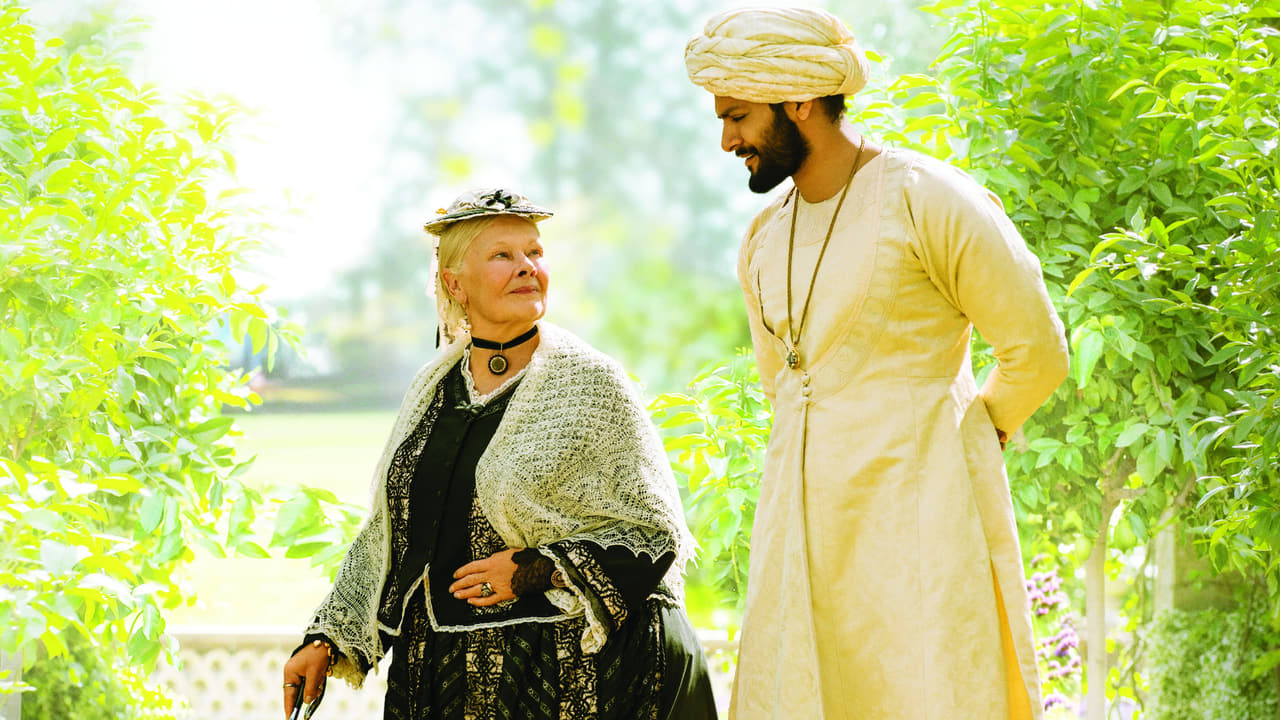
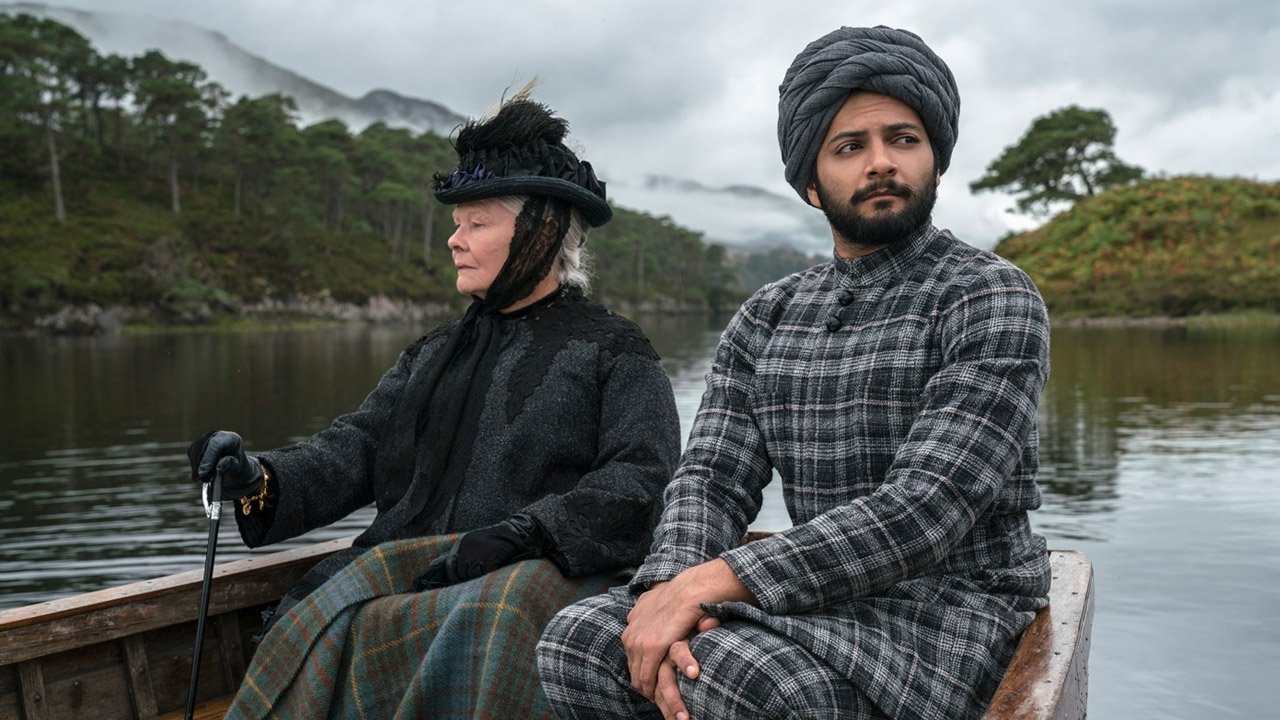
I’m watching Judi Dench eat jelly, and honestly, it’s the most riveting thing I’ve seen all week. There is a specific kind of cinematic magic that happens when an actor of her stature decides to play "boredom" as an extreme sport. In the opening movements of Victoria & Abdul, her Queen Victoria is a woman drowning in the beige sludge of Victorian ceremony. She’s falling asleep at her own banquet, surrounded by sycophants who are essentially furniture with heartbeats. Then walks in Ali Fazal, and suddenly, the Queen—and the movie—decides to wake up.
I watched this film on a rainy Tuesday while nursing a cup of Earl Grey that had gone dangerously cold, which I felt was an appropriately British way to engage with a story about the sunset of an empire. It’s a film that sits in that strange, modern "prestige" pocket: a mid-budget drama that looks like a million bucks (or twenty-two million, to be exact) but feels like it was built specifically to be watched by people on long-haul flights or by your grandmother on a Sunday afternoon.
The Royal Appetite for Rebellion
The plot is a "mostly true" account of the friendship between Victoria and Abdul Karim, a young clerk from Agra who is whisked away to England to present a ceremonial coin and somehow ends up becoming the Queen's "Munshi" (teacher). If you’ve seen Mrs. Brown (1997)—where Judi Dench played a younger version of the same Queen—you know the drill. Victoria is lonely, her son Bertie (Eddie Izzard) is a petulant nightmare, and she needs someone to treat her like a human being rather than a monument.
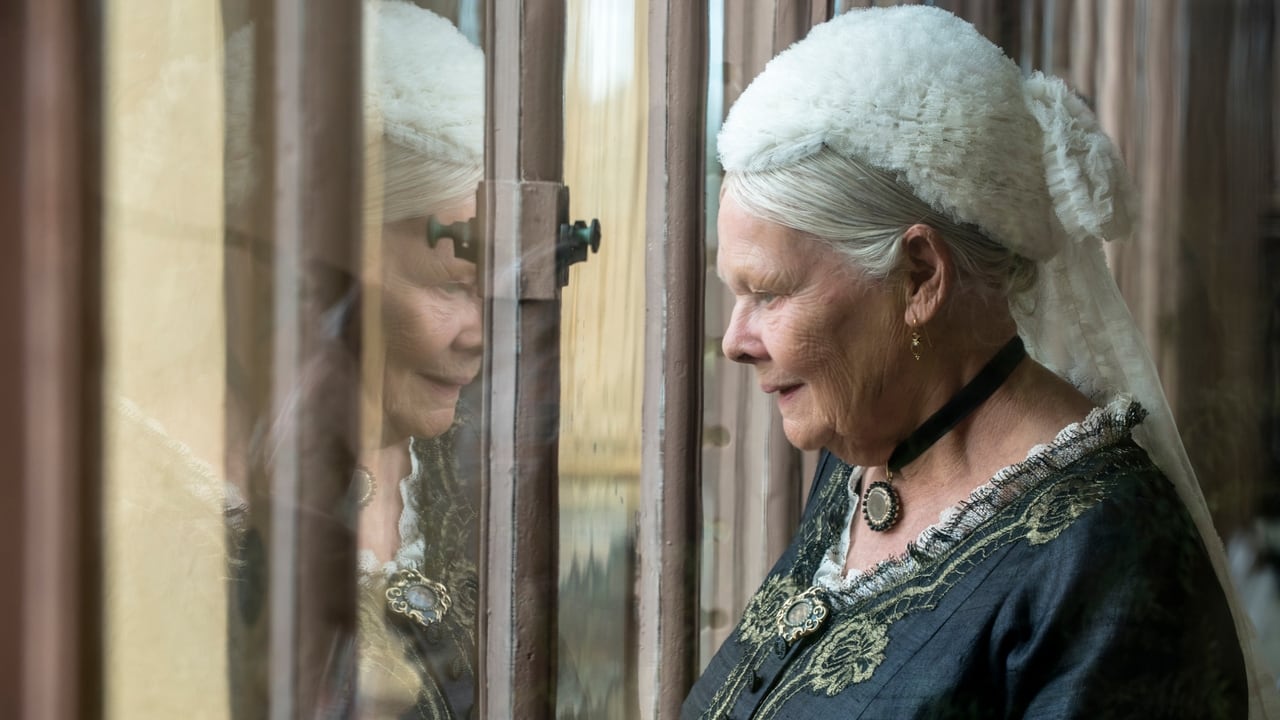
Ali Fazal is the secret weapon here. He has to play a character who is essentially a sentient ray of sunshine tasked with warming up a frozen monarch, and he does it with a grace that prevents Abdul from feeling like a total caricature. Their chemistry is genuinely sweet. When he starts teaching her Urdu, you can see the light return to Victoria's eyes. It’s a performance of nuance from Dench; she isn't just playing a Queen, she’s playing a woman who has realized she is the prisoner of her own crown.
A Masterclass in Restraint (and Grumpy Men)
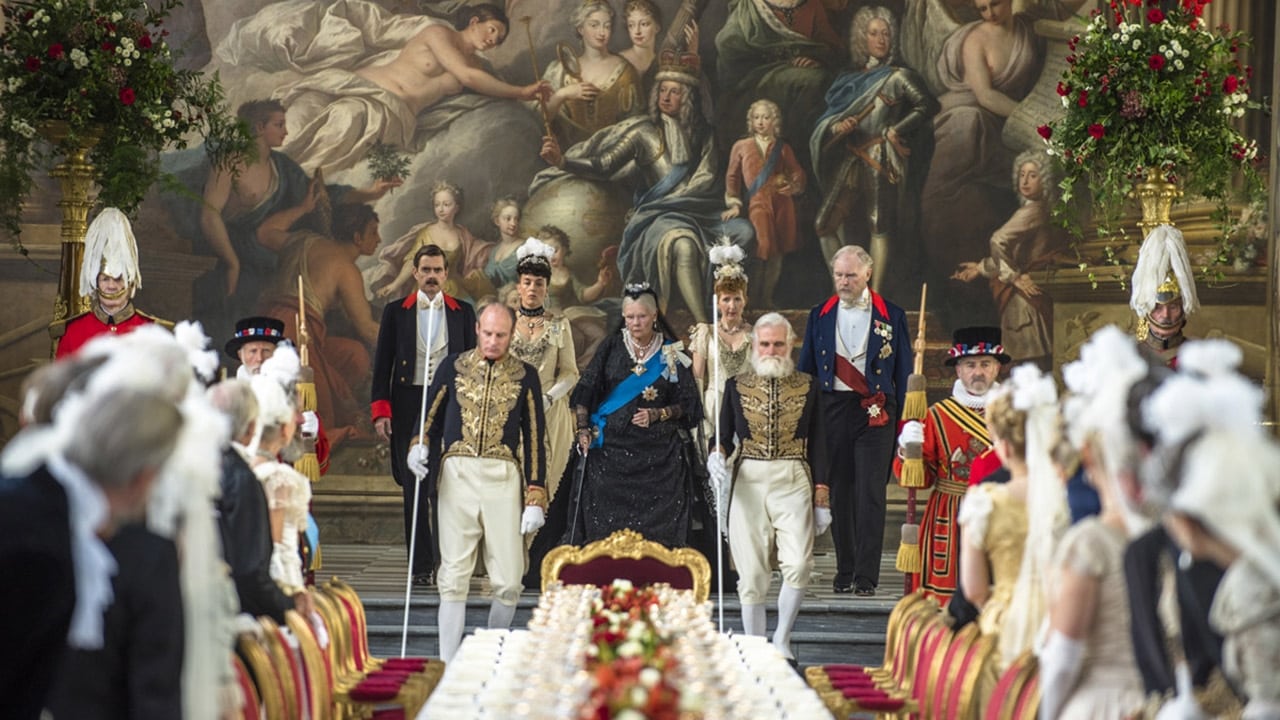
Director Stephen Frears, who previously navigated royal waters with The Queen, knows exactly how to frame the absurdity of the British court. He populates the background with a "who's who" of grumpy British character actors. The late Tim Pigott-Smith is wonderfully stiff as Sir Henry Ponsonby, and Michael Gambon shows up as Lord Salisbury looking like he’s perpetually smelling something slightly off-camera.
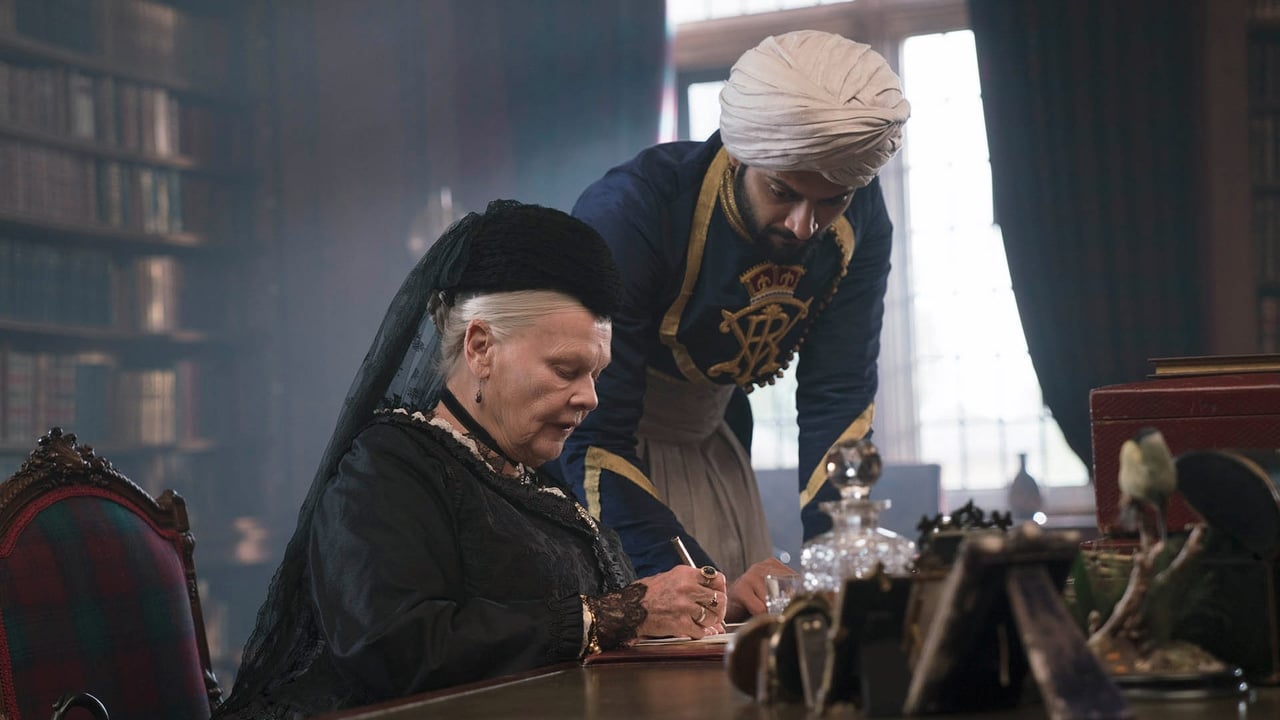
The drama doesn't come from sweeping battles or political intrigue, but from the sheer, horrified outrage of the royal household. The sight of an Indian man standing close to the Queen is treated by the staff like a literal apocalypse. It’s 'Driving Miss Daisy' with more lace and significantly better hats, and while the humor is often broad, the script by Lee Hall (the guy who gave us Billy Elliot) keeps the pacing brisk enough that you don't mind the formulaic beats.
The production design is where your eyes get a real workout. The costumes are lush, the palaces are sprawling, and Danny Cohen’s cinematography makes the Scottish Highlands look like a dream sequence. It’s "heritage cinema" at its most polished—the kind of movie where you can practically smell the floor wax in the hallways of Osborne House.
The "Forgotten" Reality of the Empire
While Victoria & Abdul was a solid box office performer in 2017, it has largely drifted into that "half-forgotten" territory of streaming libraries. Why? Because it’s a film that struggles with the very era it was released in. In a contemporary landscape where we are much more critical of colonial legacies, the film’s attempt to paint the British Empire as a well-meaning but slightly confused house party can feel a bit tone-deaf.
The film tries to have it both ways: it acknowledges the racism of the court, but it presents Victoria as somehow "above" the systemic oppression her empire was actively overseeing. It’s a fairy tale version of history. Interestingly, the real-life story only came to light in 2010 when journalist Shrabani Basu discovered Abdul’s private journals. The royal family had done such a thorough job of scrubbing him from history after Victoria’s death that he was practically a ghost until a decade ago.
This gives the film a "rediscovery" energy that makes it worth a look. It’s a reminder that history is often just a draft that the survivors get to edit. The film might be a sanitized version of the truth, but as a character study of a powerful woman refusing to go quietly into the night, it’s undeniably effective.
At the end of the day, you’re here for Judi Dench. She takes a script that could have been a Hallmark card and gives it bone and marrow. Whether she’s demanding a mango (which arrives tragically rotten) or staring down her cowardly cabinet, she reminds us why she’s the undisputed heavyweight champion of this genre. It’s a cozy, gorgeous, slightly flawed drama that’s perfect for a quiet evening when you want to feel sophisticated without having to think too hard about the geopolitical implications of the 19th century. Is it an "instant classic"? No. But it’s a charming footnote that deserved better than being buried in the "Recommended" tab.
Keep Exploring...
-
Florence Foster Jenkins
2016
-

Judy
2019
-
Colonia
2015
-
The 33
2015
-

Risen
2016
-
All Eyez on Me
2017
-
Battle of the Sexes
2017
-

Detroit
2017
-

The Zookeeper's Wife
2017
-
Mary Queen of Scots
2018
-

On the Basis of Sex
2018
-
Operation Finale
2018
-
The Current War
2018
-
A Beautiful Day in the Neighborhood
2019
-

Harriet
2019
-

Hotel Mumbai
2019
-
Mank
2020
-

The Outpost
2020
-

Belfast
2021
-

Land of Mine
2015