War for the Planet of the Apes
"The end of man. The beginning of a myth."
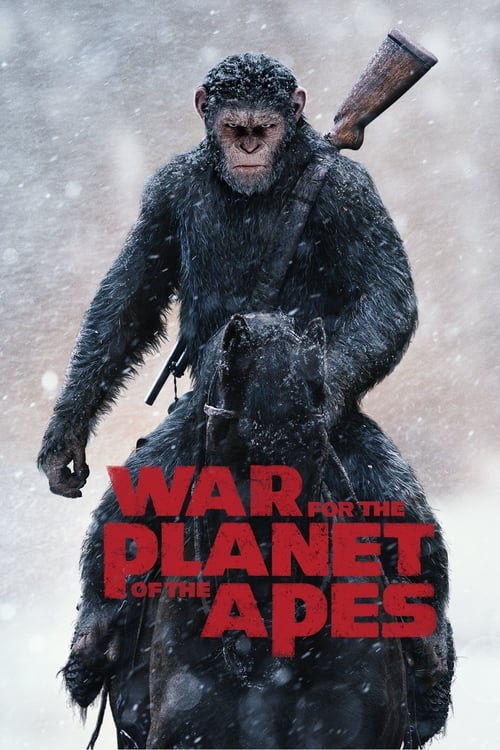
In 2017, the summer blockbuster season felt like a series of increasingly loud chores. We were neck-deep in the expansion of shared universes that required spreadsheets to track, and the fatigue was starting to settle into our collective bones like a damp chill. Then came Matt Reeves, closing out a trilogy about talking primates by delivering a somber, snow-caked funeral for the human race. War for the Planet of the Apes didn't just conclude a story; it felt like it was dragging the soul of the audience through the mud and the slush, demanding we witness the precise moment a species loses its grip on the world.
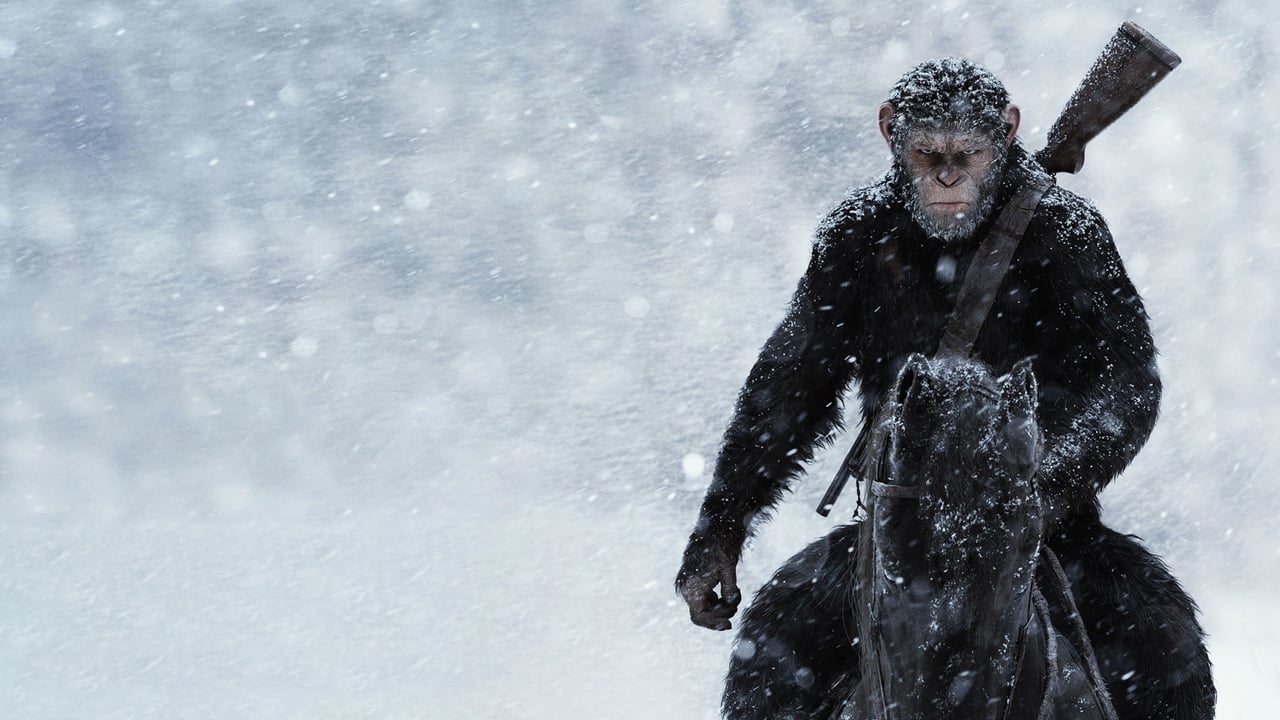
I watched this for the first time on a Tuesday night while eating a bowl of cold spaghetti because my microwave had died, and the sheer gloom on the screen made my lukewarm noodles feel like a feast of kings. There is something about the atmosphere Matt Reeves creates here—aided by the shadow-drenched cinematography of Michael Seresin—that makes you feel the dampness in your own socks.
The Weight of the Crown
At the center of it all is Andy Serkis as Caesar. By this third installment, the "Is it real acting?" debate regarding motion capture had been largely settled, but Serkis still managed to find a new gear. Caesar is no longer the revolutionary or the diplomat; he is a tired father, a grieving leader, and a man—well, ape—haunted by the ghost of Koba. To me, Caesar remains a more complex and morally fraught protagonist than 90% of the human heroes in modern cinema.
The "war" in the title is a bit of a misnomer, or at least a subversion. While the film opens with a terrifyingly grounded trench battle in the woods, the bulk of the story is a grim cross-country western that dissolves into a prison break drama. It’s about the internal war Caesar wages against his own hatred. When he encounters the Colonel, played with a terrifying, shaven-headed intensity by Woody Harrelson, it isn't just a clash of armies. It’s a clash of two different ways to face extinction. Harrelson is essentially playing a man who lost a long-distance staring contest with the abyss and decided to jump in.
A Technological Soul
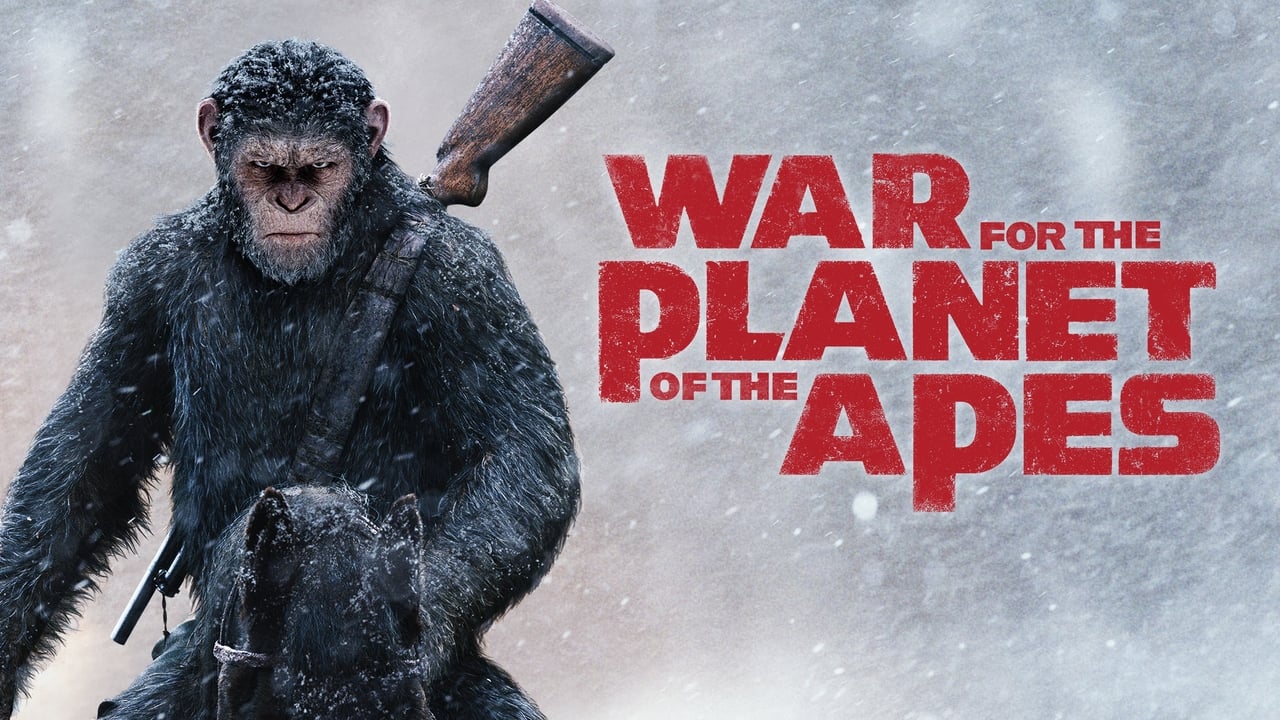
Technologically, this film represents a peak that few recent blockbusters have even bothered to aim for. In an era where we’ve become used to "The Volume" and flat, weightless CGI backgrounds, the sheer physicality of the apes in this film is staggering. During production, the performers, including Terry Notary as Rocket and Karin Konoval as the soulful Maurice, had to endure grueling shoots in the freezing forests and snow of British Columbia. Apparently, the technical demands were so high that Weta Digital had to utilize a massive rendering farm, at one point using up to 15,000 nodes to process the sheer detail of the wet fur and falling snow.
It shows. You don't just see the apes; you see the moisture on their muzzles and the exhaustion in their eyes. My cat, Barnaby, actually hissed at the screen during the scene where Woody Harrelson's Colonel is applying war paint. I think the cat recognized the predatory stillness in Harrelson’s performance—it’s a performance that doesn’t lean on villainous tropes but on a misguided, desperate sense of duty. He isn't a cartoon; he’s a man who has convinced himself that cruelty is the only remaining form of mercy.
The Human Ghost
The introduction of Steve Zahn as "Bad Ape" provides the only light in an otherwise suffocatingly dark room. It could have been a disastrous piece of comic relief, but Zahn imbues the character with such a heartbreaking sense of loneliness and trauma that he fits perfectly into the film’s mournful texture. He is the bridge between the apes who have lived in a community and the ones who have been broken by solitary survival.
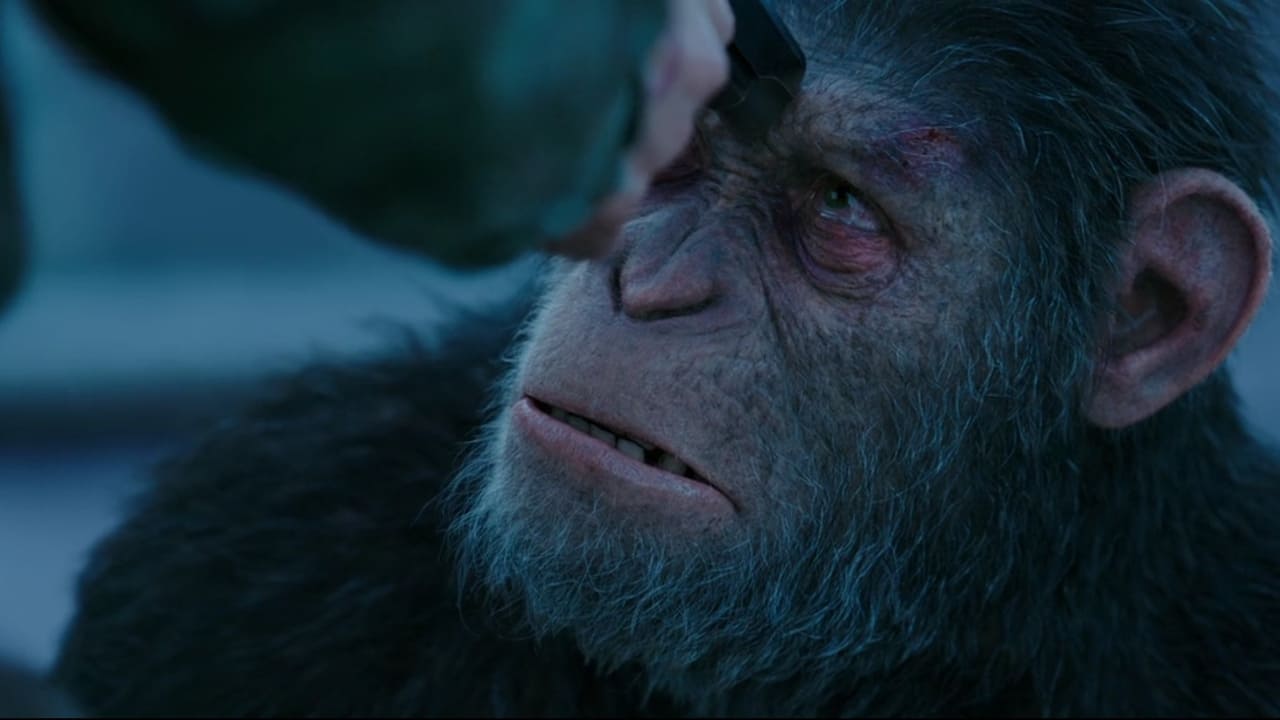
And then there is the score by Michael Giacchino. Eschewing the frantic bombast of typical sci-fi action, Giacchino leans into heavy piano chords and evocative, rhythmic percussion that sounds like a heart beating in a ribcage of ice. It’s a soundtrack for a world that is quietly turning the page on humanity. By the time we get to the final act, which references everything from The Great Escape to biblical epics, the film has earned its emotional weight. It doesn't rely on cheap callbacks to the 1968 original, though the presence of a young girl named Nova (Amiah Miller) serves as a poetic, tragic link to the inevitable future.
War for the Planet of the Apes is a rare breed of blockbuster that treats its audience like adults capable of handling silence, grief, and moral ambiguity. It’s a stunningly confident end to one of the most consistent trilogies in modern film history. While it might leave you feeling emotionally drained, it’s the kind of high-quality exhaustion that only comes from seeing a story told exactly the way it needed to be told. It’s a cold, hard look at the end of things, and it’s beautiful.


Keep Exploring...
-
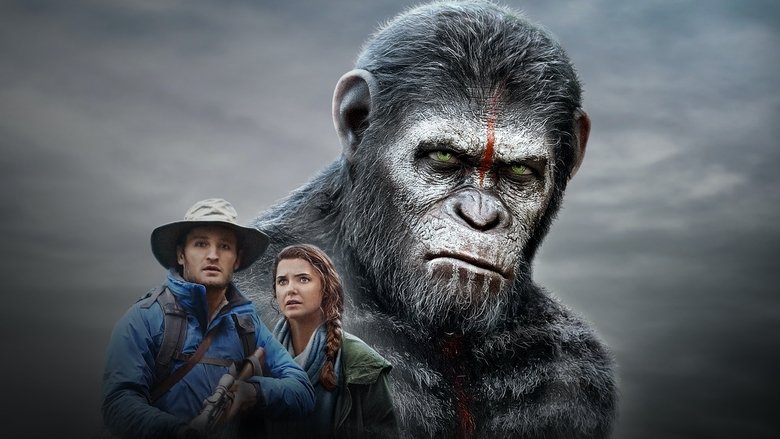
Dawn of the Planet of the Apes
2014
-
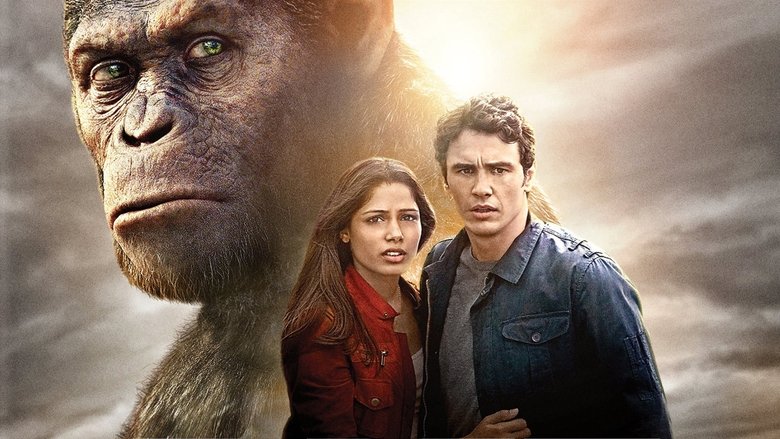
Rise of the Planet of the Apes
2011
-
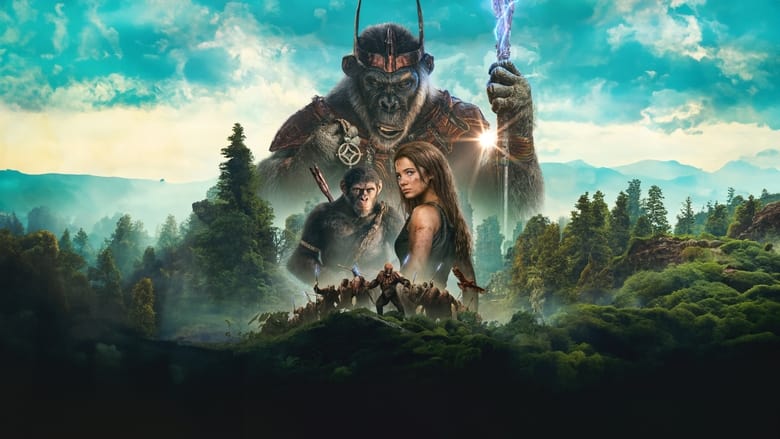
Kingdom of the Planet of the Apes
2024
-
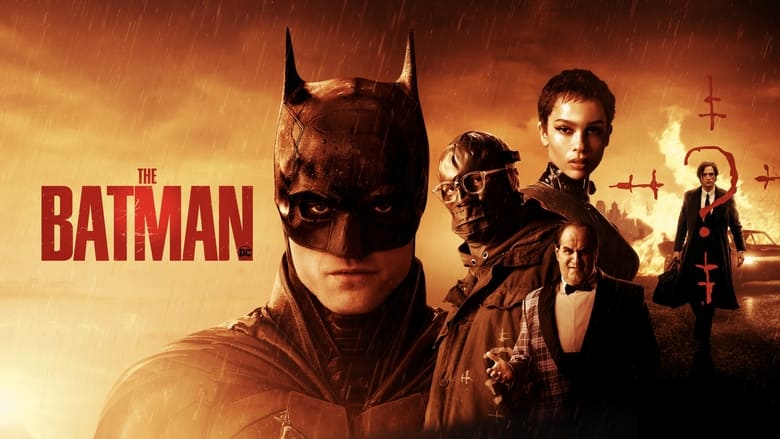
The Batman
2022
-
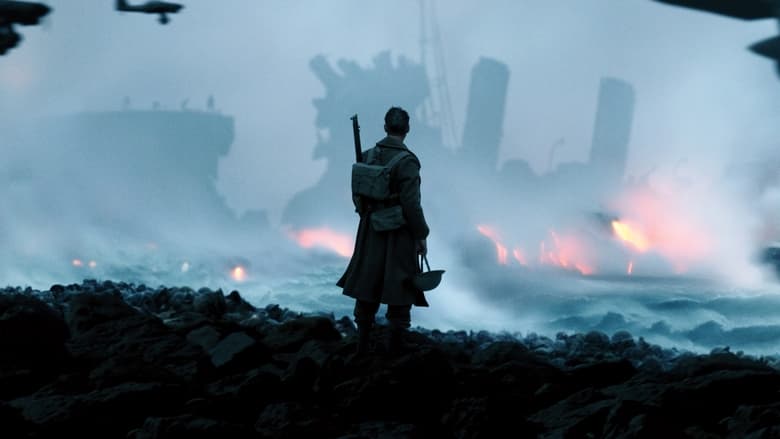
Dunkirk
2017
-

A Quiet Place
2018
-
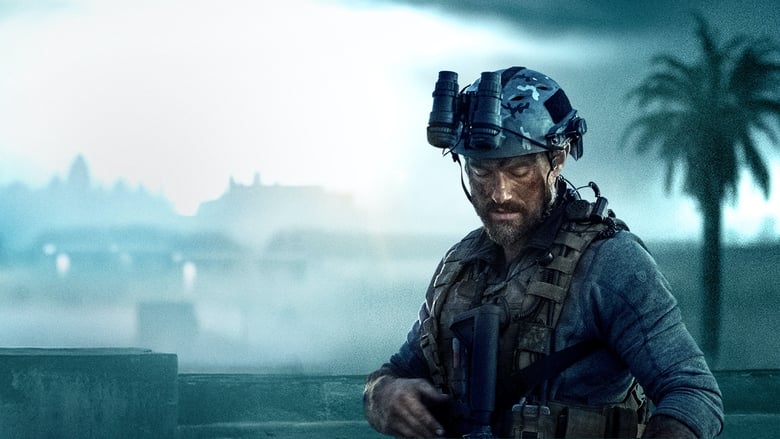
13 Hours: The Secret Soldiers of Benghazi
2016
-
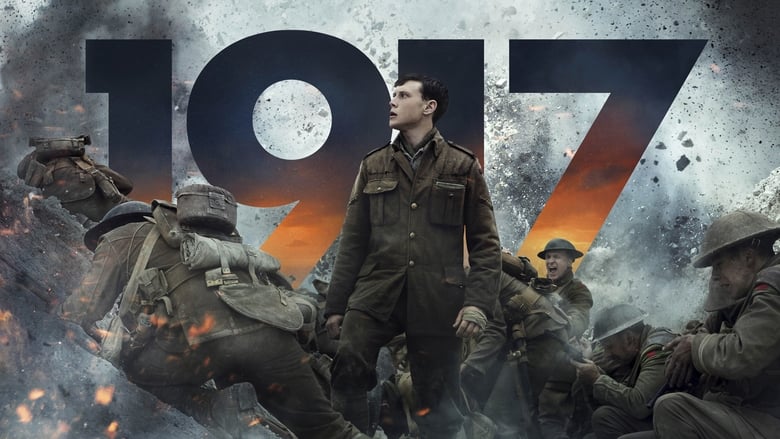
1917
2019
-

The Martian
2015
-
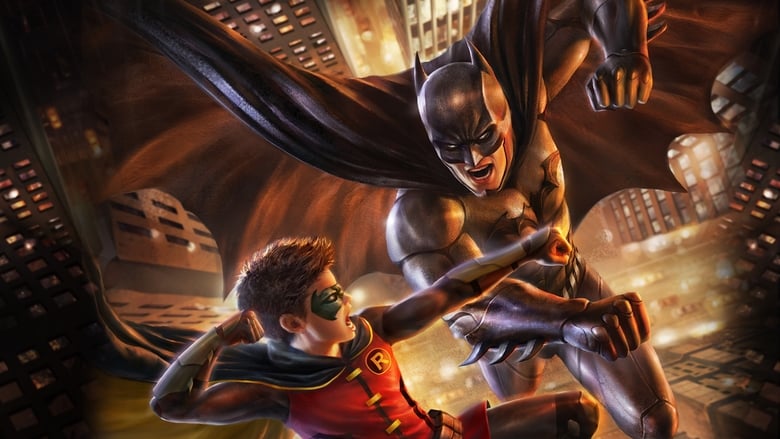
Batman vs. Robin
2015
-
Beasts of No Nation
2015
-
The Siege of Jadotville
2016
-

The Zookeeper's Wife
2017
-
Jojo Rabbit
2019
-
Greyhound
2020
-
Maze Runner: The Death Cure
2018
-

Once Upon a Time... in Hollywood
2019
-
A Quiet Place Part II
2021
-
10 Cloverfield Lane
2016
-
Arrival
2016