What Happened to Monday
"One soul, seven bodies, and no room to breathe."
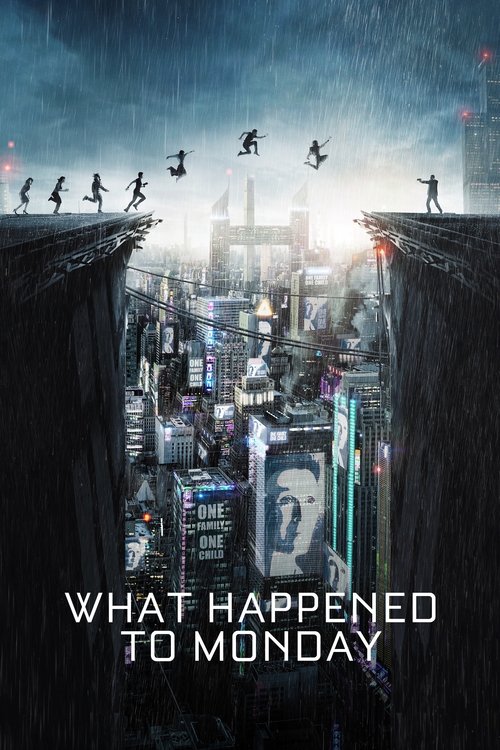
Imagine a world where your very existence is a bureaucratic error punishable by a permanent nap in a cryogenic freezer. That’s the sunny disposition of What Happened to Monday, a film that takes the "overpopulation" anxiety of the 1970s and gives it a brutal, high-tech makeover for the streaming age. I watched this on a Tuesday while eating a slightly-too-old bagel, and the irony of my snack’s expiration date wasn't lost on me as I watched seven sisters fight to keep their own "sell-by" dates from being moved up by a fascist government.
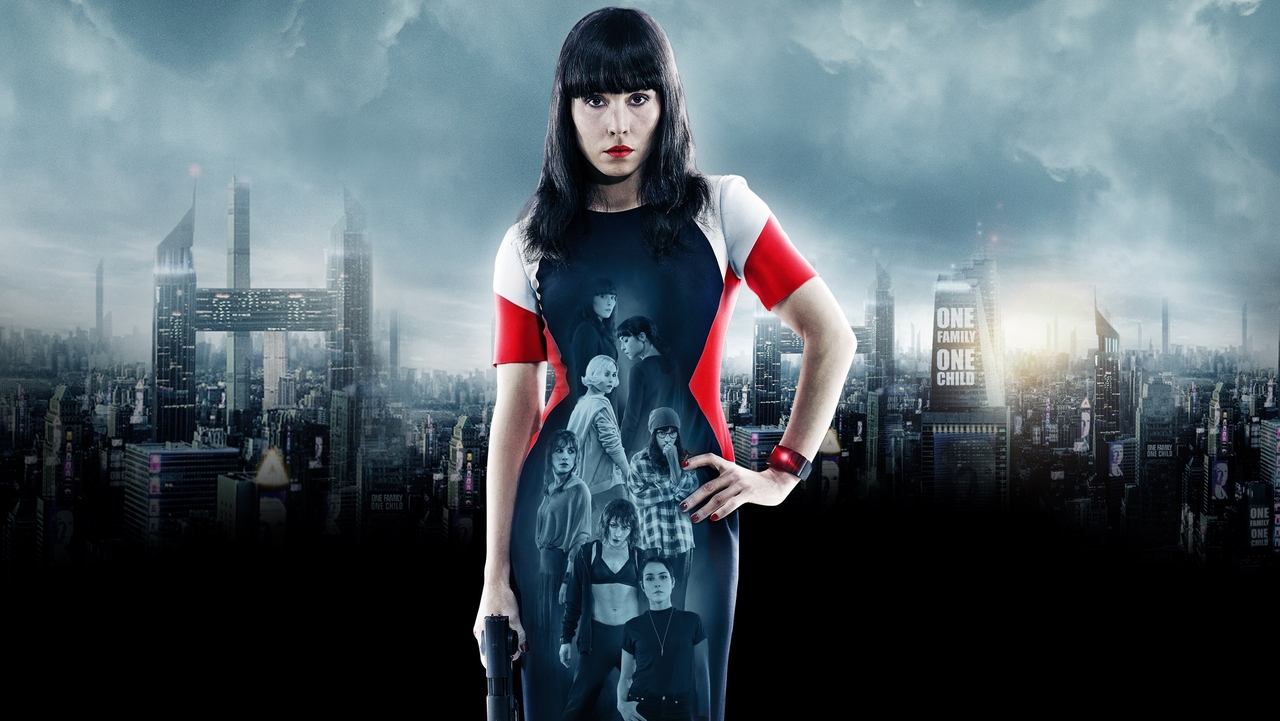
This isn't your standard, polished Hollywood dystopia. Because it was directed by Tommy Wirkola—the Norwegian filmmaker who gave us the "Nazi zombies" madness of Dead Snow—the film trades sterile sci-fi tropes for something much more desperate and blood-soaked. It’s a high-concept thriller that feels like a dystopian HR nightmare that ends in a literal meat grinder, and it’s all anchored by a performance that should have been a much bigger part of the 2017 awards conversation.
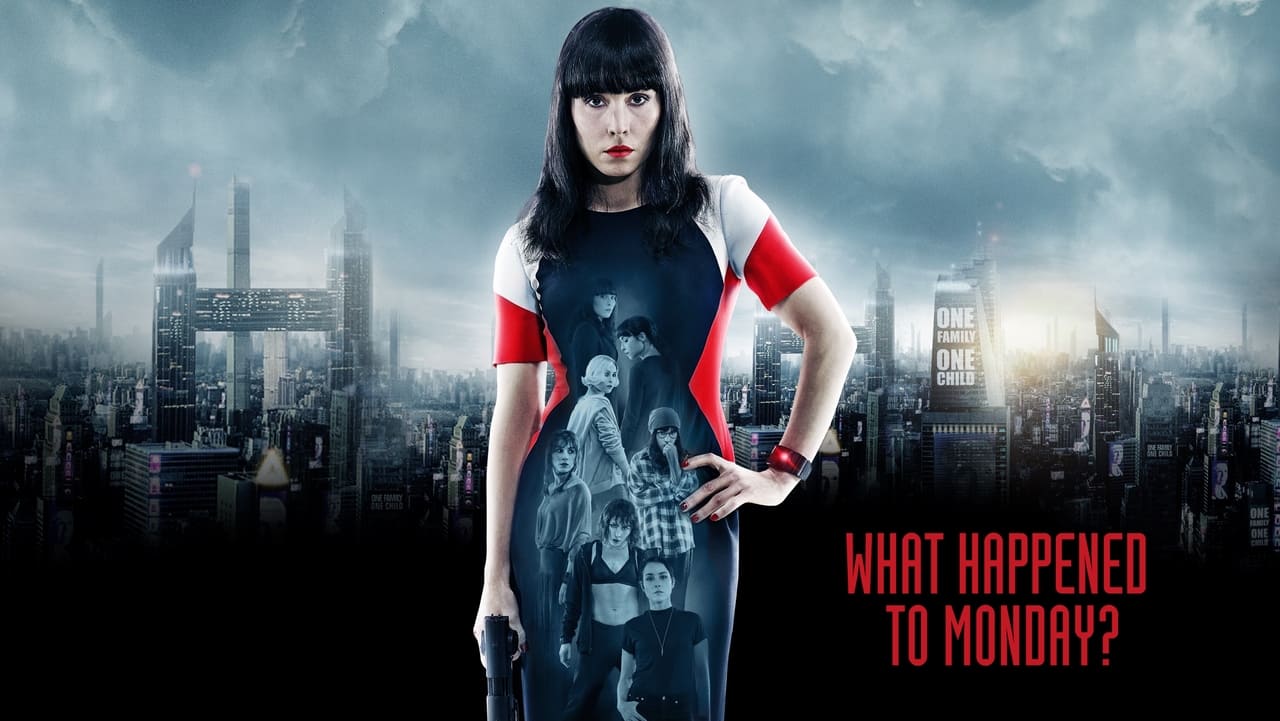
The Rapace Septet
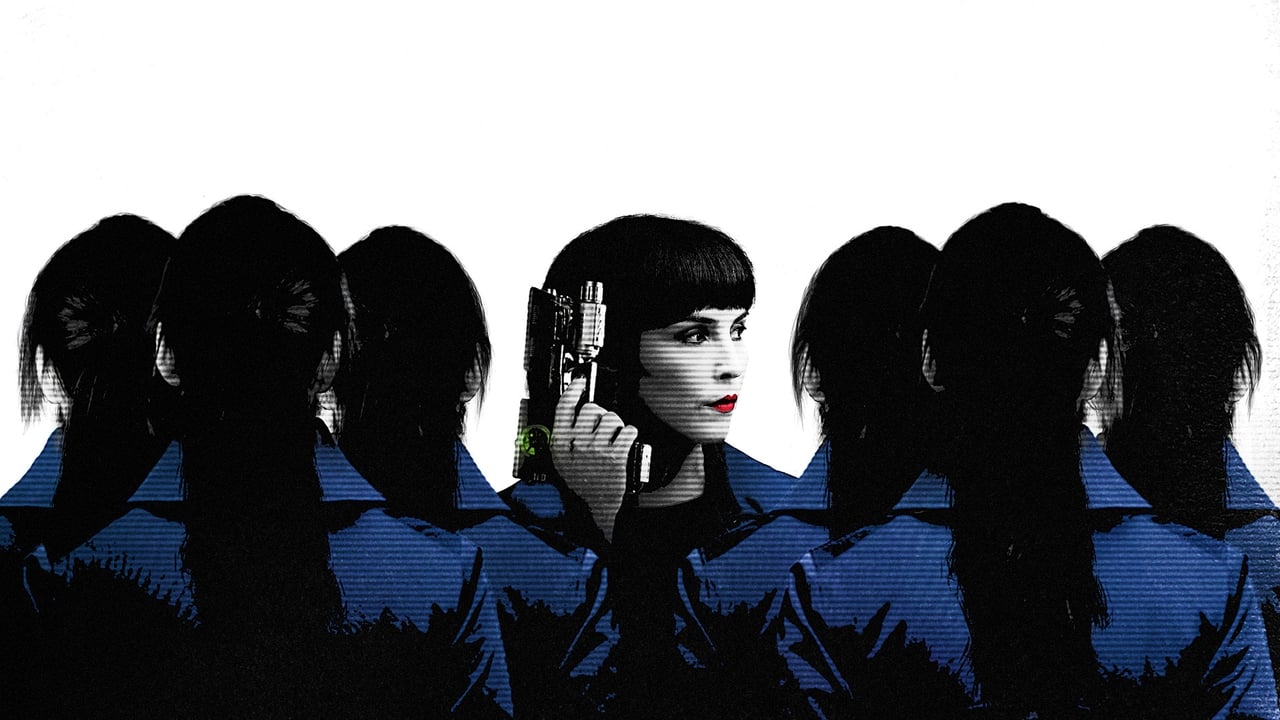
The heavy lifting here is done by Noomi Rapace, who doesn't just play a character; she plays an entire weekly calendar. She is the Settman siblings: Monday, Tuesday, Wednesday, Thursday, Friday, Saturday, and Sunday. They live in a world where the Child Allocation Bureau, led by a chillingly composed Glenn Close as Nicolette Cayman, enforces a strict one-child policy. To survive, the sisters share a single public identity, Karen Settman. Each girl only goes outside on the day corresponding to her name, while their grandfather, played with a weary, soulful grit by Willem Dafoe, trains them to be perfect mirrors of one another.
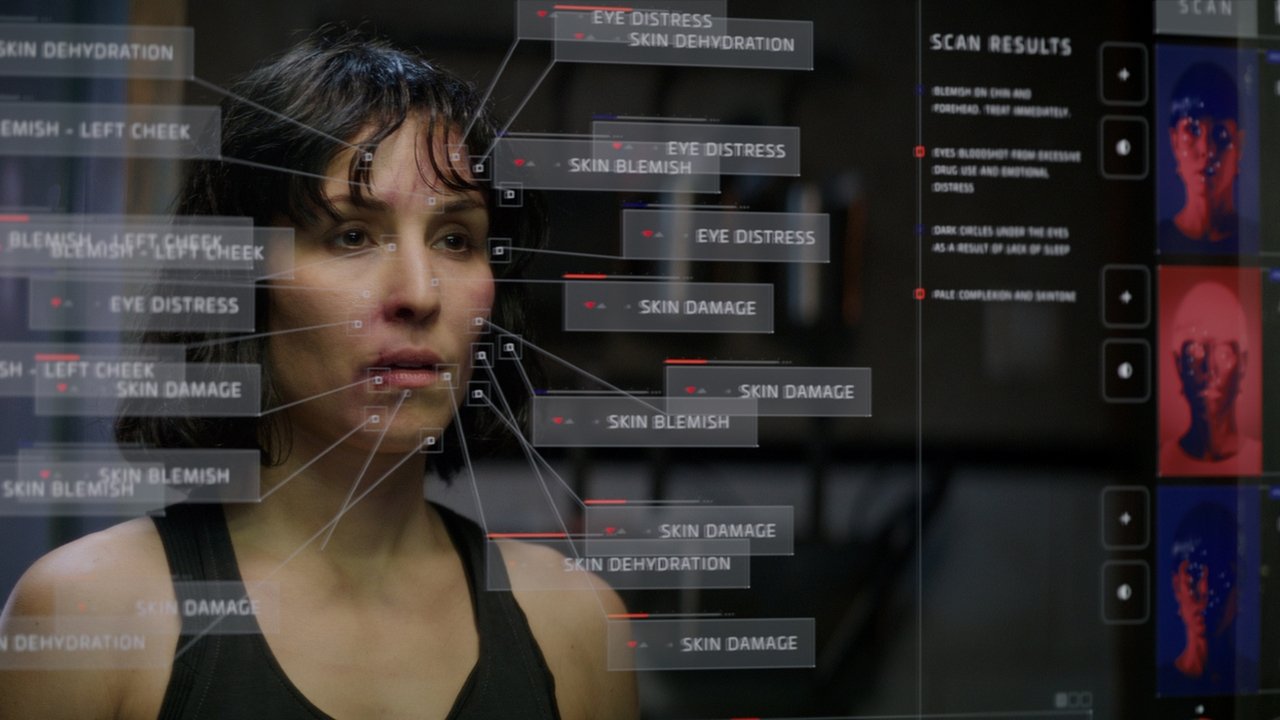
Rapace is incredible here. Usually, when an actor plays multiples, it feels like a gimmick—a "look at me" acting exercise. But she manages to make the sisters feel like distinct, fractious individuals who just happen to share a face. Thursday is the rebellious one; Friday is the tech genius; Saturday is the blonde party girl. When Monday fails to return home, the remaining six are thrust into a conspiracy that forces them out of their apartment and into the line of fire. Watching Rapace interact with herself is seamless, a testament to both the visual effects team and her own ability to maintain seven different emotional frequencies in a single scene.
Bruising, Close-Quarters Chaos
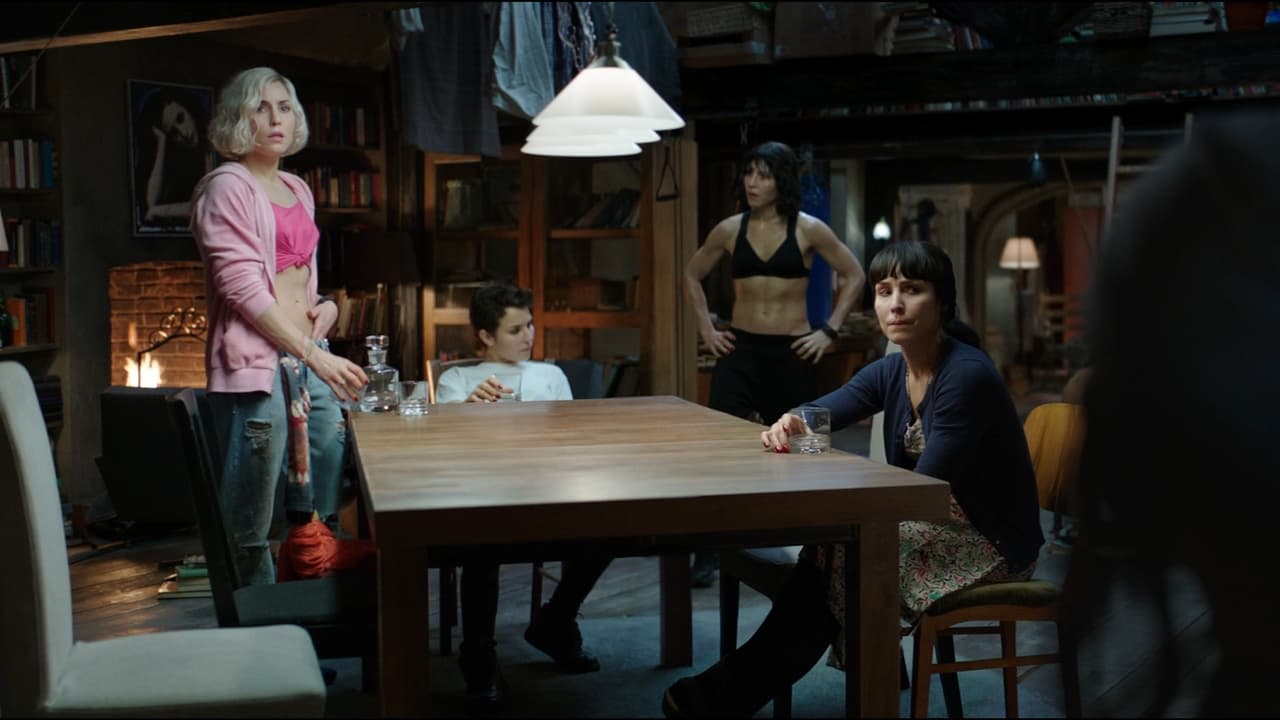
Wirkola brings a "R-rated" sensibility to the action that most contemporary sci-fi lacks. There is a sequence early on when the Bureau’s enforcers raid the sisters’ apartment, and it is a masterpiece of claustrophobic choreography. It’s not a clean, "superhero" fight. It’s a messy, screaming scramble for survival involving frying pans, boiling water, and a terrifying sense of physical consequence. The film makes it clear early on that these women are not invincible. When they get hit, they stay hit.
The action serves the story by emphasizing the stakes: if one sister dies, the "Karen Settman" identity begins to crumble. This creates a genuine sense of dread that is often missing from franchise-driven cinema. Because it was released primarily as a Netflix Original in many territories, it escaped the "PG-13" sanitization that usually plagues $20 million mid-budget thrillers. Glenn Close is essentially playing a terrifying version of a PTA president with a god complex, and her Bureau feels like a legitimate threat because the movie isn't afraid to be mean to its protagonists.
A Cult Hit in the Cloud
While it didn't set the traditional box office on fire, What Happened to Monday has found a dedicated life on streaming platforms. It’s the kind of movie you stumble across at 11 PM and can’t turn off because the hook is so sharp. It’s fascinating to look back at the behind-the-scenes hurdles—the script was actually on the "Black List" for years and was originally written for a male lead. It was Wirkola who suggested swapping the gender, realizing that a sisterhood offered a much deeper emotional well to draw from.
The production was a logistical gauntlet. To save money, they filmed in Romania over 94 days, and Noomi Rapace reportedly wore different earpieces for each sister so she could hear her own pre-recorded dialogue for the other roles. She even used specific perfumes for each character to help her "switch" into their headspaces during the grueling shoot. That level of dedication is what elevates this from a "B-movie" premise into something that feels urgent and lived-in.
The film does occasionally stumble into clichés—the "tech expert" typing frantically to "bypass the firewall" is a bit tired—but it makes up for it with sheer momentum. It’s a grim, intense look at what happens when human rights are traded for "the greater good," wrapped in a package of high-octane stunts and a career-best performance from Noomi Rapace. It’s a contemporary cult classic that reminds us that even in the age of streaming saturation, a clever idea and a lot of heart (and blood) can still cut through the noise.
In an era of endless sequels and "safe" IP, this is a refreshing, if brutal, slap to the face. It’s a film that takes its dark premise seriously without losing the entertainment value of a solid chase scene. If you haven't seen it yet, pick a day—preferably not Monday—and dive into this dystopian gem. You might never look at a weekly planner the same way again.
Keep Exploring...
-
Greenland
2020
-
Tenet
2020
-
Prey
2022
-
Self/less
2015
-

Don't Worry Darling
2022
-
The Maze Runner
2014
-
Batman vs. Robin
2015
-
Maze Runner: The Death Cure
2018
-
Sicario
2015
-
Patriots Day
2016
-
Hereditary
2018
-
Nobody
2021
-
Gemini Man
2019
-
Terminator: Dark Fate
2019
-

M3GAN 2.0
2025
-
Upgrade
2018
-
The Call
2020
-

Violent Night
2022
-
13 Hours: The Secret Soldiers of Benghazi
2016
-
Train to Busan
2016