Wind River
"The silence of the snow hides everything."
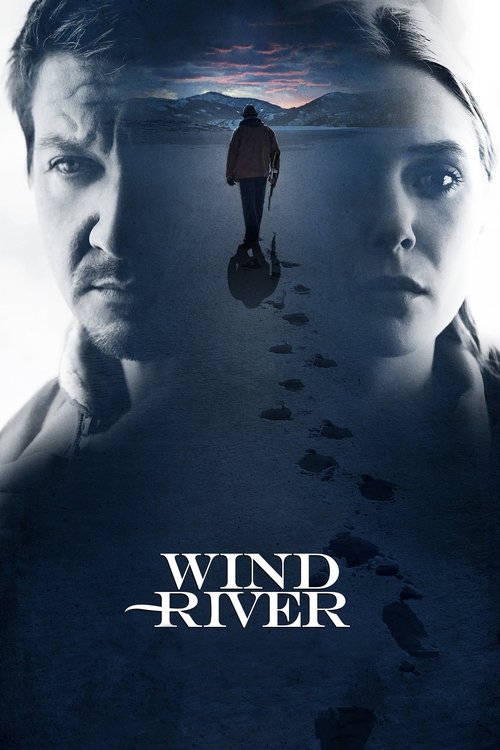
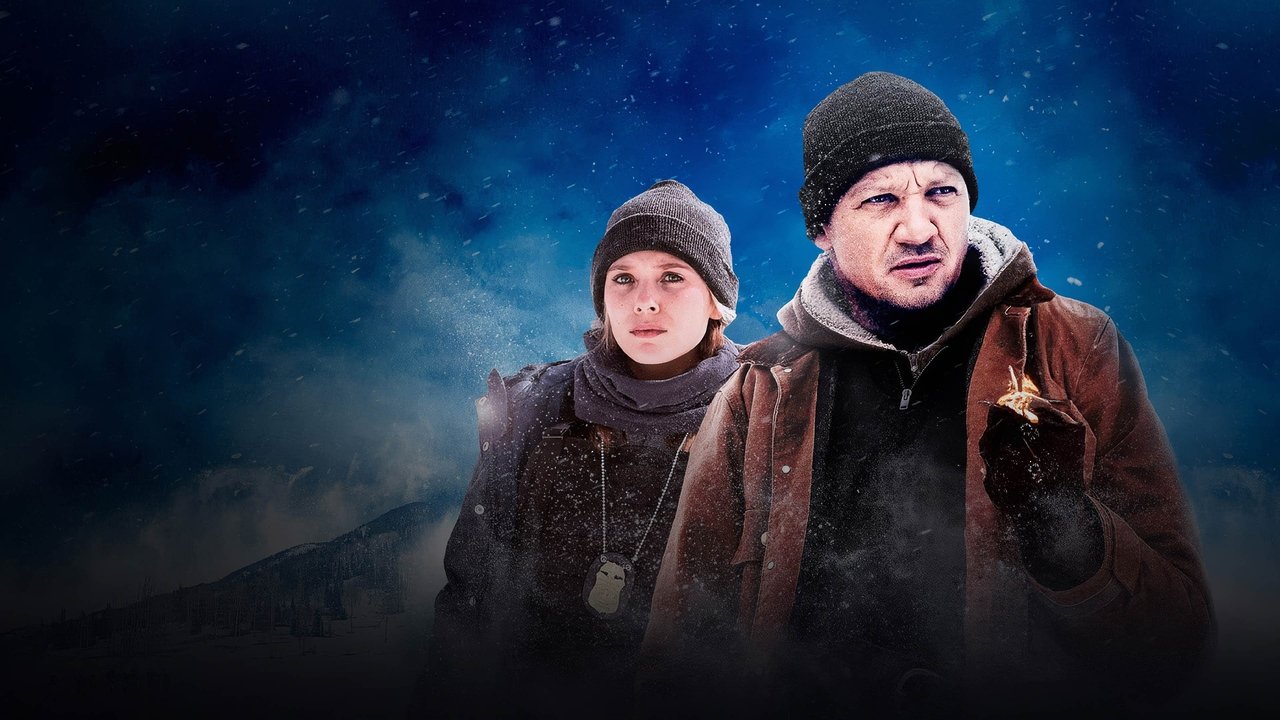
There is a specific kind of silence that only exists in sub-zero temperatures—a quiet so heavy it feels like it’s pressing against your eardrums, waiting for the wind to break it. When I first sat down with Wind River, I was drinking a cup of coffee that had gone lukewarm, but five minutes into the opening sequence—a terrifying, barefoot sprint across a moonlit frozen wasteland—the coffee might as well have been ice water. I felt the chill in my marrow. This isn't just a "cold" movie; it’s a film that uses the climate as a predatory force, a landscape where "luck" is the only thing standing between you and a frozen lung.
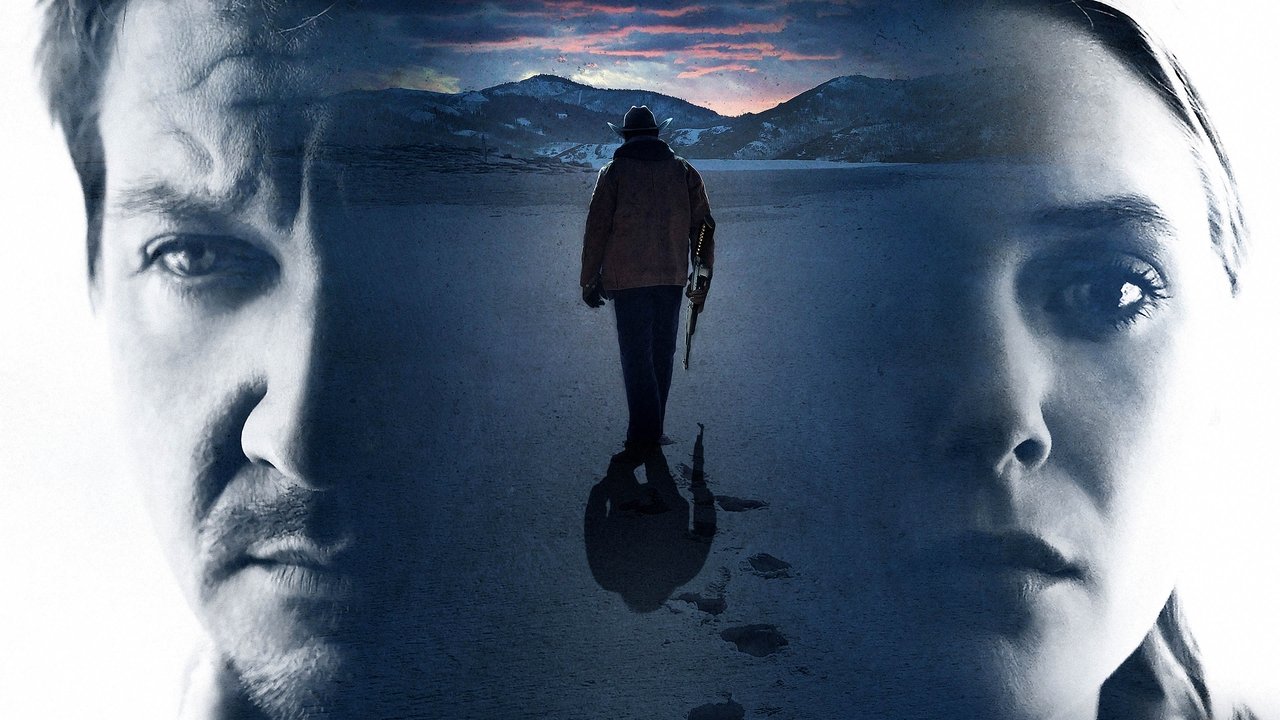
Released in 2017, Wind River arrived at a strange crossroads in contemporary cinema. We were right in the thick of the superhero monoculture—ironically, the film stars Jeremy Renner and Elizabeth Olsen at the height of their Marvel fame—yet it feels like the antithesis of a blockbuster. It’s part of Taylor Sheridan’s unofficial "Frontier Trilogy," following his scripts for Sicario (2015) and Hell or High Water (2016), and it marks the moment he stepped behind the camera to prove he could direct with the same jagged, unsentimental precision he brought to the page.
The Gritty Heart of the Frontier
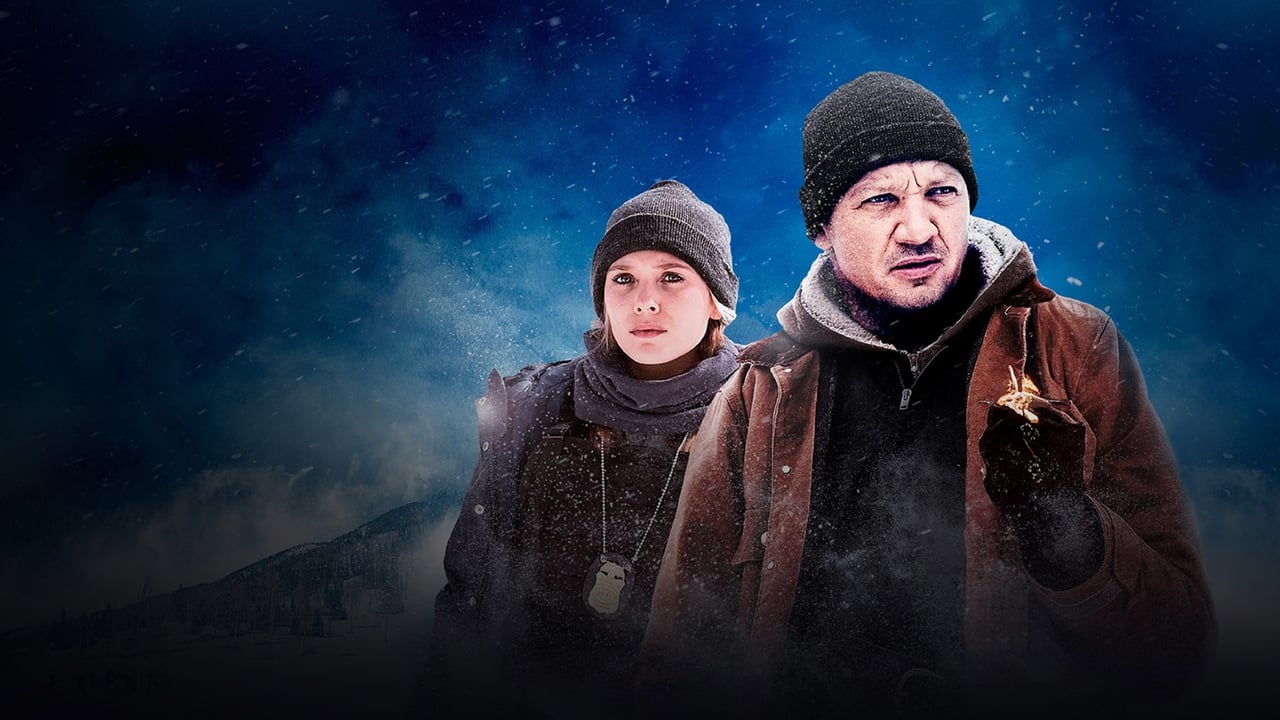
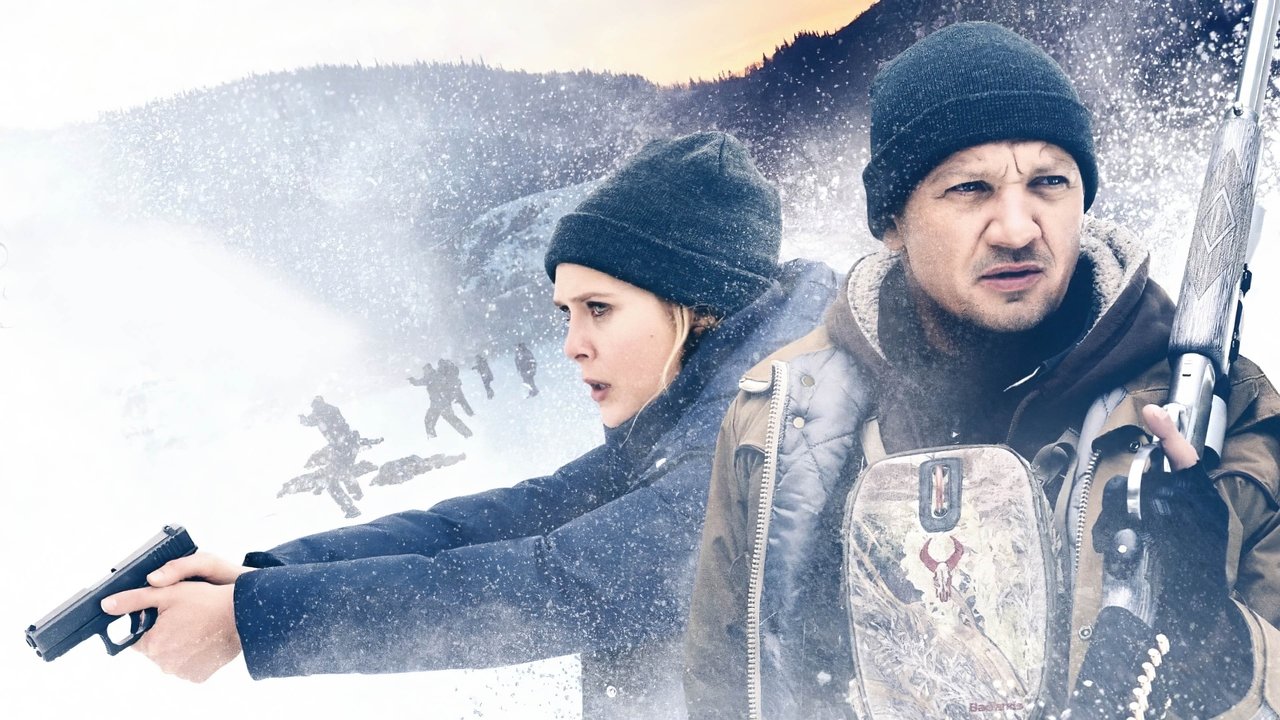
The plot kicks off when Jeremy Renner’s Cory Lambert, a U.S. Fish and Wildlife tracker, discovers the body of a young Indigenous woman in the middle of the wilderness. Enter Elizabeth Olsen as Jane Banner, an FBI agent who arrives from Las Vegas completely unprepared for a Wyoming winter. It sounds like a "fish-out-of-water" procedural, but Sheridan isn't interested in the usual CSI tropes. Instead, he uses the mystery to peel back the layers of life on the Wind River Reservation, a place where the law is spread thin and grief is a permanent resident.
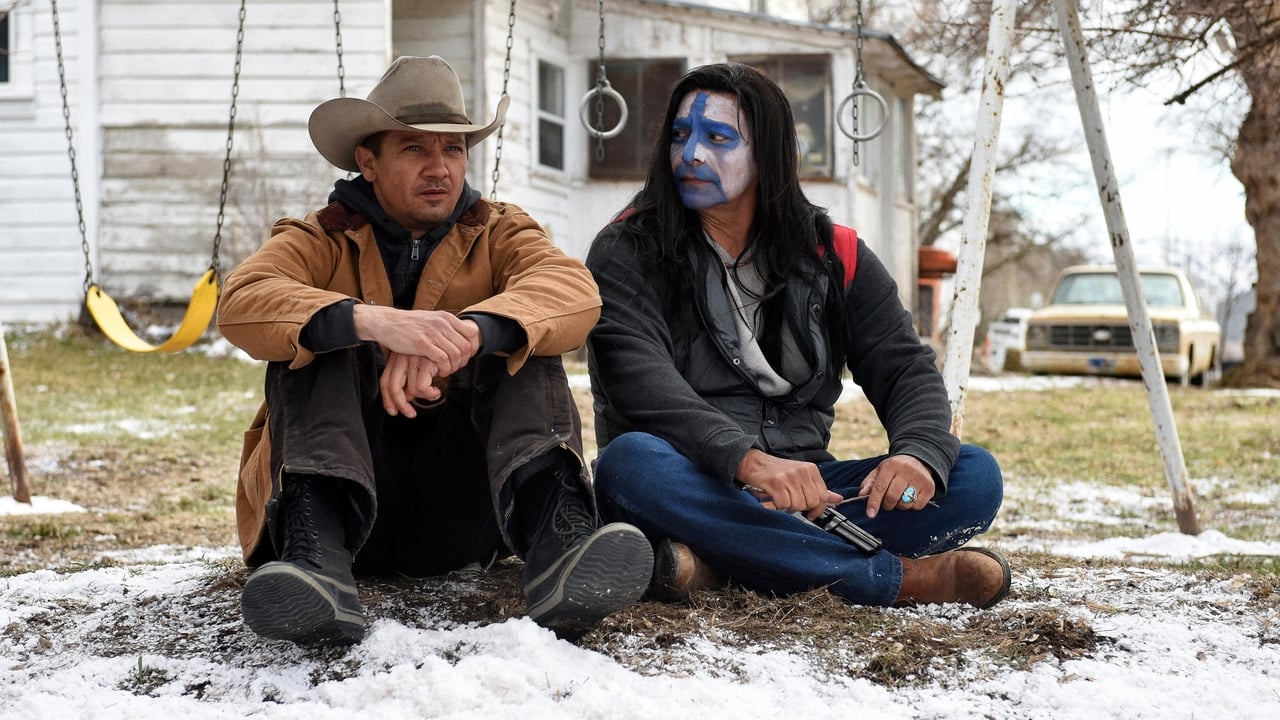
I’ve always found Jeremy Renner to be at his best when he’s playing men of few words and immense competence. Here, he’s a grieving father hiding behind the scope of a high-powered rifle, and he brings a weary, soulful gravity to the role that reminds me why he was nominated for an Oscar for The Hurt Locker. But the real soul of the film belongs to Gil Birmingham as Martin Hanson. There is a scene toward the end involving a "death face" and a bottle of spray paint that is so shattering it makes most modern dramas look like pantomime. It’s a performance that demands your full attention, capturing a specific kind of localized, systemic exhaustion.
Violence Without the Glamour
In an era of CGI-heavy action, the violence in Wind River feels jarringly physical. There is a standoff in the third act involving a group of private security contractors and local police that is easily one of the most tense sequences I’ve seen in the last decade. The shootout at the trailers is the only time the 'stand-off' trope has felt genuinely terrifying instead of cool. There’s no heroic music, no clever quips—just the deafening roar of gunfire and the realization that in the middle of nowhere, help isn't coming.
The film's cult status has only grown since its release, partly because it became a "survivor" of the industry itself. Wind River was originally a Weinstein Company release, but after the scandal broke, Taylor Sheridan and the producers fought tooth and nail to scrub Harvey’s name from the credits and redirect any profits to Indigenous women's charities. It was a bold move that mirrored the film's own themes of justice and reclamation.
Behind the scenes, the production was as brutal as the onscreen story. They filmed in the high altitudes of Park City, Utah, and Elizabeth Olsen actually suffered from snow blindness during the shoot. You can see that physical toll in the performances; the shivering isn't acting, and the way the actors' breath hangs in the air like a ghost is entirely real. Even Jon Bernthal, who shows up in a crucial flashback (and shot his entire role in just a few days between other projects), brings a desperate, frantic energy that lingers long after his screen time ends.
A Haunting Echo
What makes Wind River stick with me isn't just the mystery—which is solved with a grim, straightforward logic—but the atmosphere. The score by Nick Cave and Warren Ellis is hauntingly sparse, full of whispered vocals and weeping violins that sound like the wind moving through a canyon. It’s a film that respects the tragedy it depicts, ending with a title card about the missing persons statistics for Native American women that lands like a punch to the gut.
It’s a rare bird in the current cinematic landscape: a mid-budget, adult-oriented thriller that has something to say about the world without shouting it. It doesn't offer easy catharsis or a tidy ending where the "heroes" ride into the sunset. Instead, it offers a moment of quiet connection between two broken men on a porch, acknowledging that while the world is harsh and the wind is cold, we don't have to endure it entirely alone.
This is a film that rewards those who can handle the heavy lifting. It’s a masterclass in tension and setting, proving that Taylor Sheridan knows how to navigate the moral gray zones of the American West better than almost anyone working today. If you haven't seen it, wait for a cold night, turn off the lights, and let the Wyoming winter settle in. It’s a haunting, necessary piece of modern cinema that stays with you long after the snow melts.
Keep Exploring...
-
Hell or High Water
2016
-
Sherlock: The Abominable Bride
2016
-

Molly's Game
2017
-
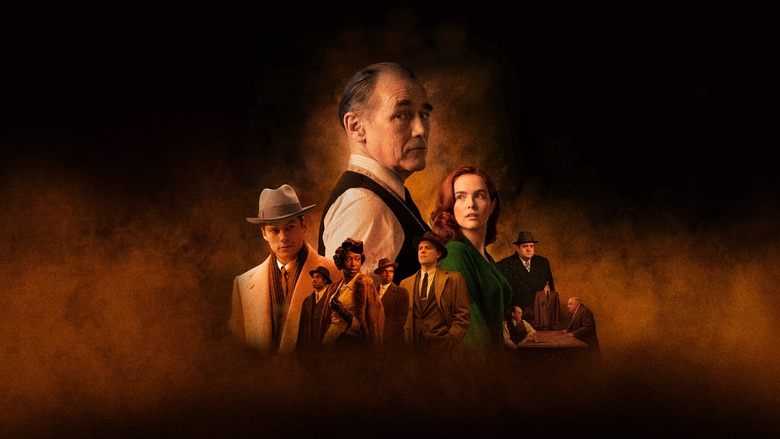
The Outfit
2022
-
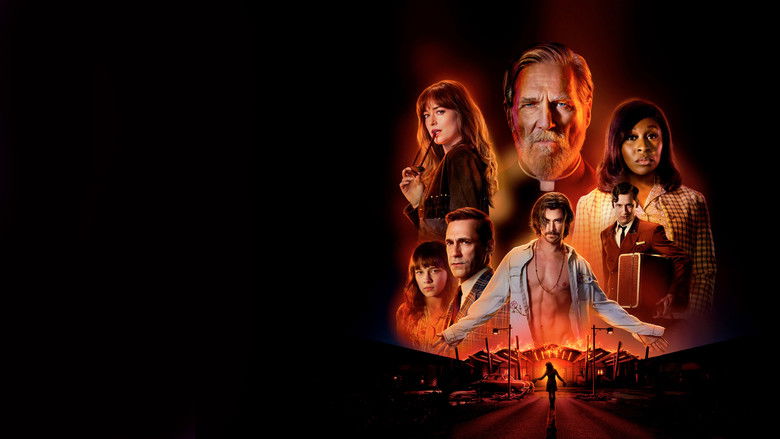
Bad Times at the El Royale
2018
-
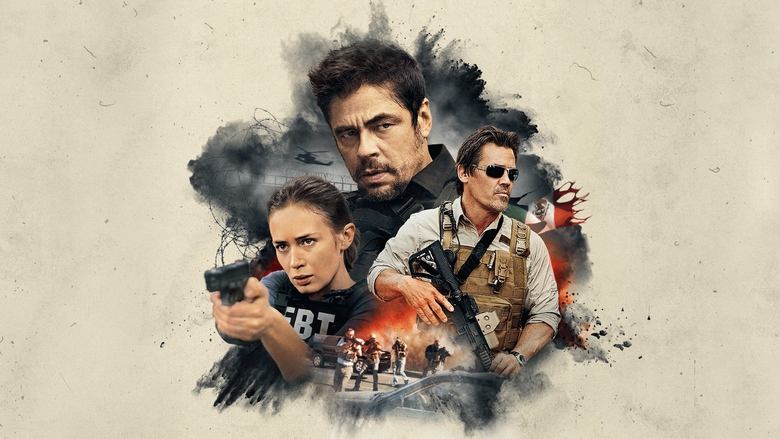
Sicario
2015
-
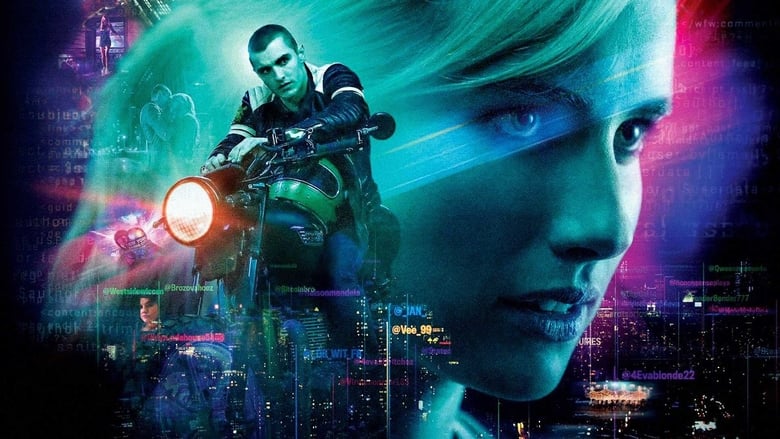
Nerve
2016
-
Patriots Day
2016
-
Snowden
2016
-

The Hate U Give
2018
-
Just Mercy
2019
-

Midsommar
2019
-
Uncut Gems
2019
-
Enola Holmes
2020
-

Promising Young Woman
2020
-
Wrath of Man
2021
-

Glass Onion: A Knives Out Mystery
2022
-
Papillon
2017
-

The House That Jack Built
2018
-
El Camino: A Breaking Bad Movie
2019