Wish Upon
"Seven wishes. Seven sacrifices. One very confused teenager."
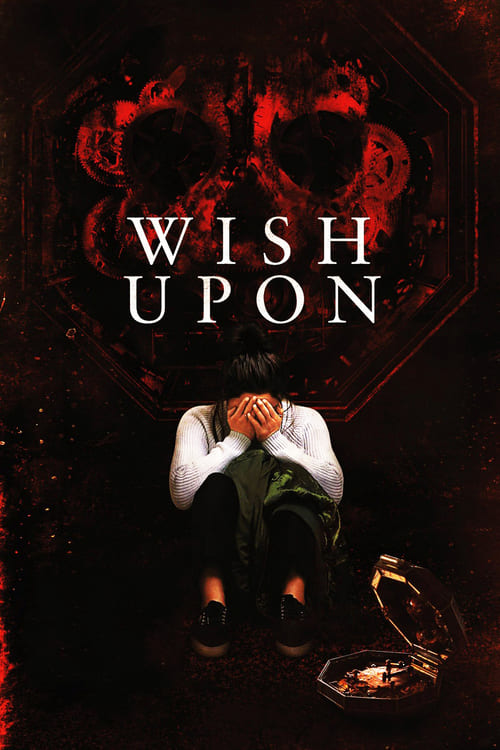
In the grand tradition of "Monkey's Paw" stories, there is usually a moment where the protagonist realizes that getting everything they ever wanted is actually a massive logistical nightmare. Usually, this realization comes through a chilling atmosphere or a soul-crushing twist. In 2017’s Wish Upon, that realization comes via a sequence where a character nearly dies because of a malfunctioning kitchen sink. It is a film that exists in a strange, shimmering bubble of late-2010s earnestness, and watching it today feels like peering into a time capsule of a cinematic era that was still trying to figure out how teenagers actually spoke to one another.
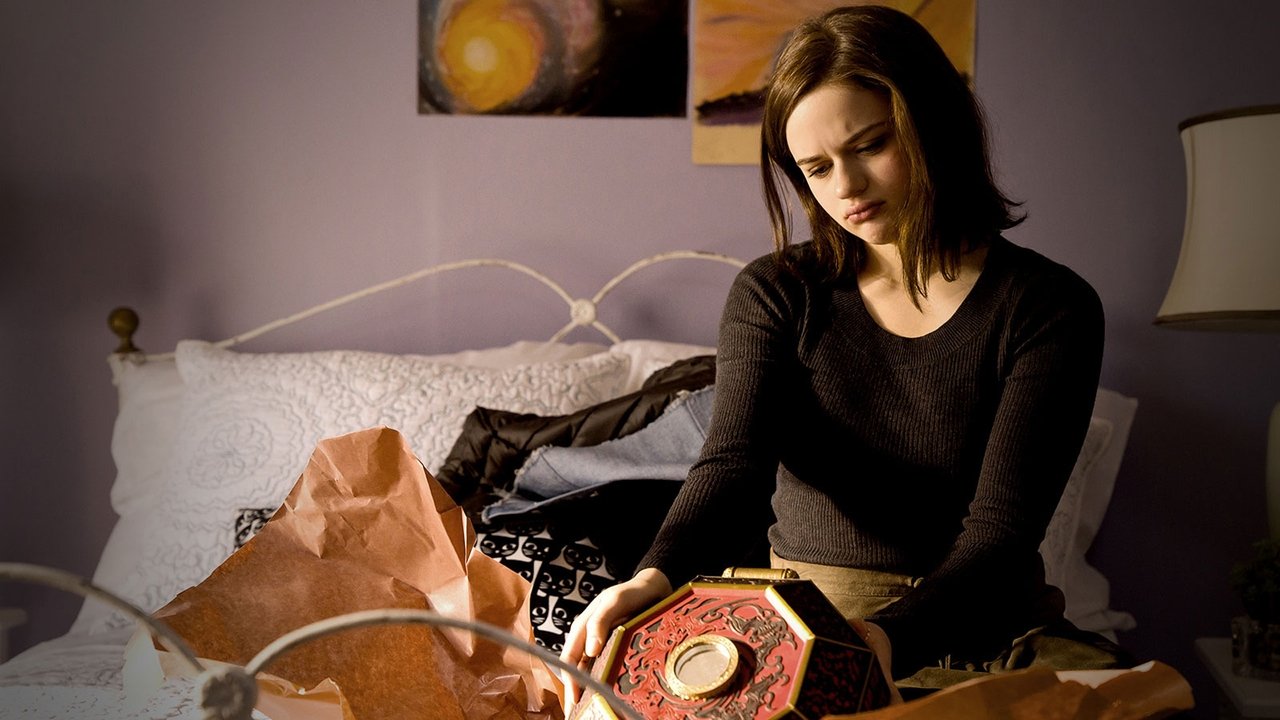
I watched this while nursing a lukewarm Pamplemousse LaCroix and wondering why I never bought a cool cursed music box at a yard sale, and honestly, the experience was more entertaining than a movie this "bad" has any right to be. It’s a film that leans so hard into its own tropes that it eventually falls out the other side into a realm of pure, unintentional comedic gold.
The 2017 Aesthetic and the Death of the "Cool" Teen
Released right on the cusp of the "elevated horror" boom—we were just months away from Hereditary changing the landscape—Wish Upon feels like one of the last gasps of the mid-budget, studio-driven teen slasher. Directed by John R. Leonetti, who had previously given us the much creepier Annabelle, this film attempts to bridge the gap between supernatural dread and high school melodrama.
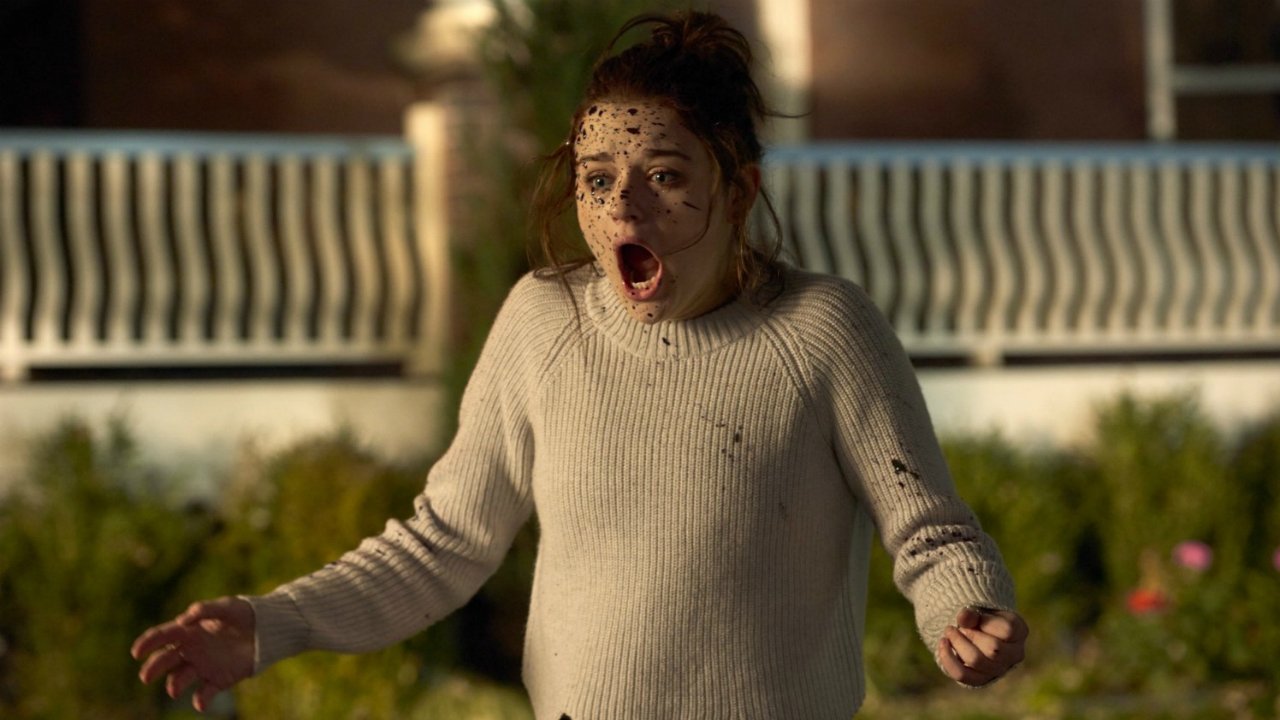
Our lead is Clare, played by Joey King (long before her The Act or The Princess fame), a social outcast whose father, played by a surprisingly grizzled Ryan Phillippe, spends his time dumpster diving for antiques and playing the saxophone. When he finds a mysterious Chinese music box that promises seven wishes, Clare naturally starts wishing for her bullies to "rot" and for the hottest guy in school to fall for her.
What makes this film so fascinatingly "of its time" is the dialogue. Screenwriter Barbara Marshall creates a world where teens say things like "You're totally the diggity" without a hint of irony. It’s as if the script was written by a sentient algorithm trying to simulate youth culture based on Instagram captions from 2014. This creates a bizarre disconnect; the movie wants us to feel the "visceral" weight of Clare’s choices, but it’s hard to stay grounded when the characters feel like they’ve been beamed in from a different planet.
Creative Kill-Logic and PG-13 Constraints
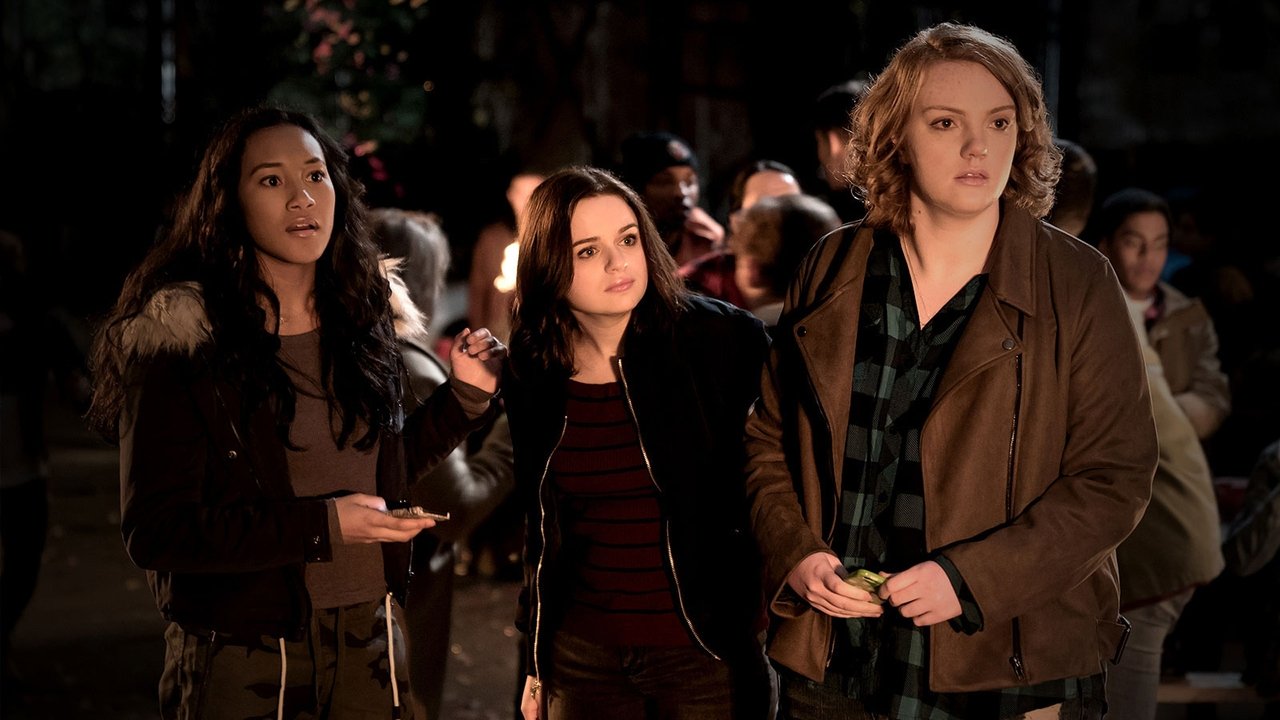
The "Fear Mechanics" here are heavily indebted to the Final Destination school of thought. Each wish requires a "blood price," which usually results in a Rube Goldberg-style accident involving a secondary character. We see Shannon Purser (the internet’s beloved Barb from Stranger Things) and Sherilyn Fenn (of Twin Peaks fame) navigating hazards that range from high-stakes elevators to particularly aggressive garbage disposals.
Because the film is PG-13, the gore is largely suggestive, which actually works in its favor. Leonetti knows how to build tension using spatial storytelling—you see the loose screw, you see the heavy object, you wait for the math to add up. However, the logic is often hilariously thin. At one point, a character dies because they simply... fell? The movie tries to make it look like a tragic twist of fate, but it often feels like the music box is just getting lazy with its kills.
The supporting cast does their best with the material. Ki Hong Lee, known for The Maze Runner, brings a much-needed groundedness to the role of Ryan, the only person who seems to realize that a blood-stained box from a dumpster might be bad news. Meanwhile, Sydney Park and Shannon Purser provide the classic "best friend" energy that anchors most of these teen screams.
The Forgotten Legacy of Broad Green Pictures
For those who follow industry trivia, Wish Upon is a bit of a "canary in the coal mine" for Broad Green Pictures. The studio had massive ambitions to become the next A24 or Lionsgate, but a string of box office disappointments—this being a primary one—led to them shuttering their production arm shortly after. It’s a reminder of a time when studios were still willing to throw $12 million at an original horror concept that wasn't tied to a massive franchise or a legacy IP.
Interestingly, there is an unrated director’s cut of the film that adds back some of the more gruesome details, but the theatrical version remains the definitive experience for anyone looking for that specific "sleepover horror" vibe. It’s a film that failed to make an impact at the box office ($14 million on a $12 million budget is a tough pill to swallow), but it has found a second life as a cult curiosity for fans of "so-bad-it's-good" cinema.
One bit of trivia that always tickles me: the production actually had multiple endings shot. The one we got is arguably the most cynical and hilariously abrupt, leaving the audience with a "wait, that’s it?" feeling that perfectly encapsulates the film's chaotic energy. It’s a movie that refuses to play by the rules of satisfying payoff, choosing instead to lean into the sheer absurdity of its premise.
Ultimately, Wish Upon is a fascinating artifact of the late 2010s. It’s a movie that tries to be a cautionary tale but ends up being a masterclass in how not to write teenage dialogue. Despite its flaws—or perhaps because of them—it’s an incredibly fun watch if you’re in the right headspace. It’s a low-stakes, high-cringe horror flick that reminds us that sometimes, the greatest curse of all isn't a magical box—it’s just being a teenager in 2017.
Keep Exploring...
-
The Silence
2019
-
Look Away
2018
-

Underworld: Blood Wars
2016
-
Gretel & Hansel
2020
-
Before I Wake
2016
-
The Mummy
2017
-

Men
2022
-
Regression
2015
-
Morgan
2016
-
The Other Side of the Door
2016
-
Assassination Nation
2018
-
Goosebumps 2: Haunted Halloween
2018
-
Hell Fest
2018
-
The Prodigy
2019
-
Brahms: The Boy II
2020
-
The Craft: Legacy
2020
-
The Turning
2020
-

The Invitation
2022
-
I Spit on Your Grave III: Vengeance Is Mine
2015
-
Friend Request
2016