Wonder
"Choose kind. It’s harder than it looks."

I watched Wonder on a Tuesday afternoon while eating a bowl of cereal that had gone slightly soggy because I got distracted by a text about my car's oil change. It’s the kind of movie that feels like it belongs in that specific headspace—the mundane, slightly messy reality of everyday life. On paper, this film looks like a direct assault on your tear ducts, the kind of "prestige" family drama designed in a lab to win awards and make parents feel like they’ve done their job for the week. But director Stephen Chbosky (the guy who gave us the definitive teen-angst anthem The Perks of Being a Wallflower) does something much smarter here. He doesn't just ask us to pity the kid with the facial difference; he demands we look at everyone else standing in his shadow.
The Architecture of Empathy
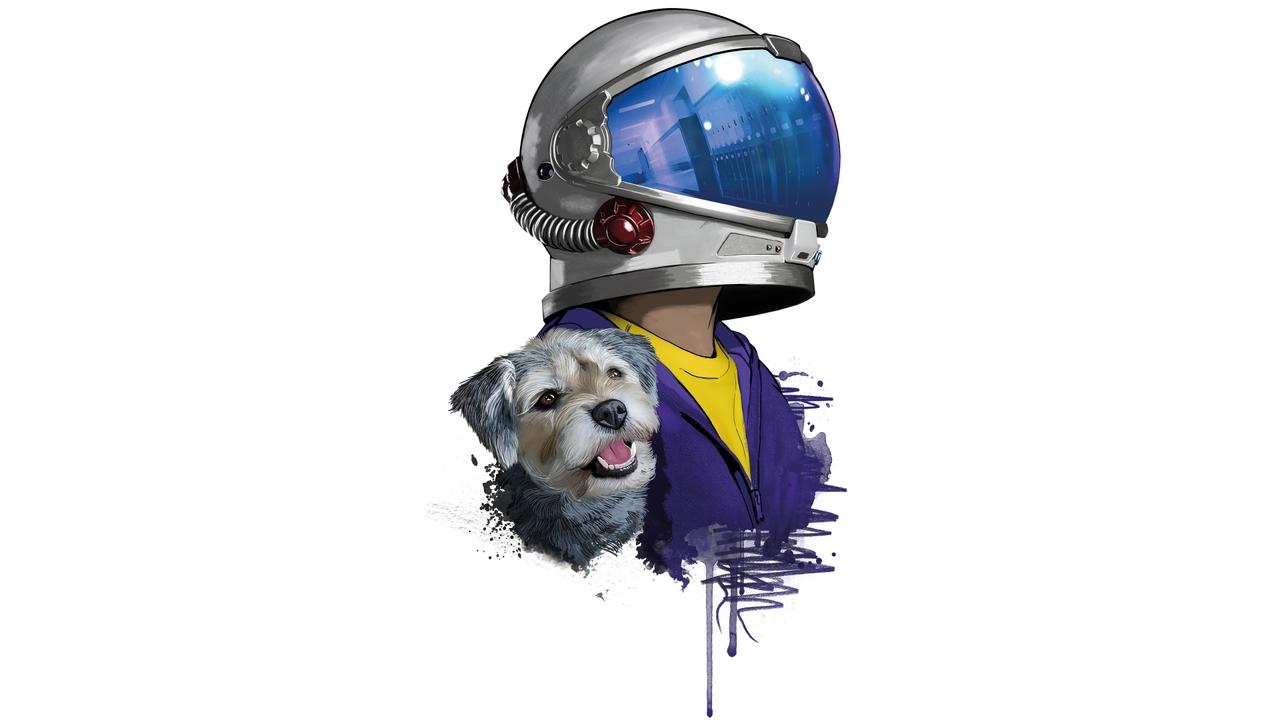
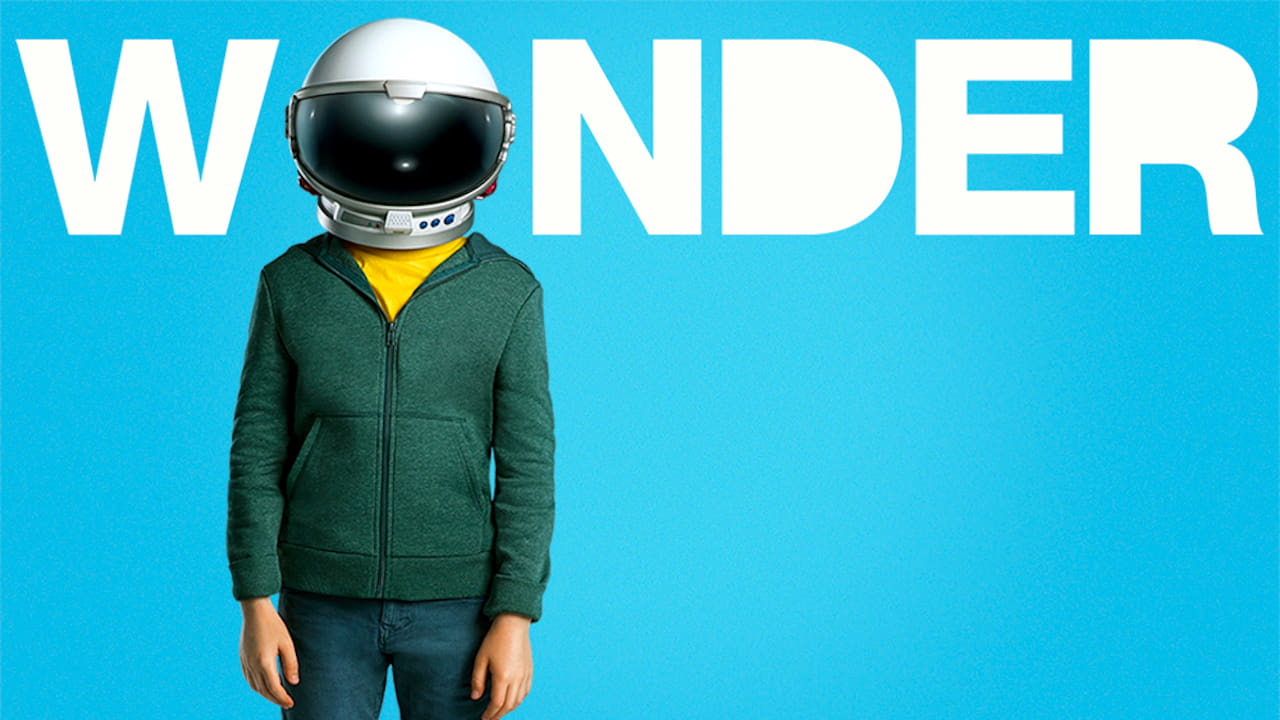
The story follows August "Auggie" Pullman, a ten-year-old with Treacher Collins syndrome who is transitioning from the safety of homeschooling to the shark tank of a private middle school. Jacob Tremblay, who already proved he was a generational talent in Room (2015), delivers a performance that survives the heavy prosthetic work. It’s all in his eyes and his posture. When he tucks his chin or hides under his astronaut helmet, you don’t just see a "brave" kid—you see a boy who is exhausted by the labor of being a public spectacle.
However, the real magic trick of Wonder—and the reason it rises above the typical Hallmark Channel fare—is its structural pivot. About thirty minutes in, just as you think you’ve settled into a standard "underdog overcomes bullying" narrative, the movie restarts from the perspective of his older sister, Via (Izabela Vidovic). This shift is a masterstroke. It acknowledges a harsh, rarely discussed truth: when one person in a family has a significant medical or social struggle, they become the sun that everyone else is forced to orbit. Via’s story is the secret heart of the movie, capturing the quiet loneliness of the "easy" child who has to raise herself because her parents are understandably preoccupied.
Performances Under Pressure
Julia Roberts and Owen Wilson play the parents, Isabel and Nate, and their chemistry is surprisingly grounded. Roberts does "strained but resilient" better than almost anyone in Hollywood, and there's a scene where she realizes her son has finally made a friend that hit me harder than any of the actual conflict. Owen Wilson is essentially playing a golden retriever in human form, providing a necessary levity that keeps the film from drowning in its own earnestness.
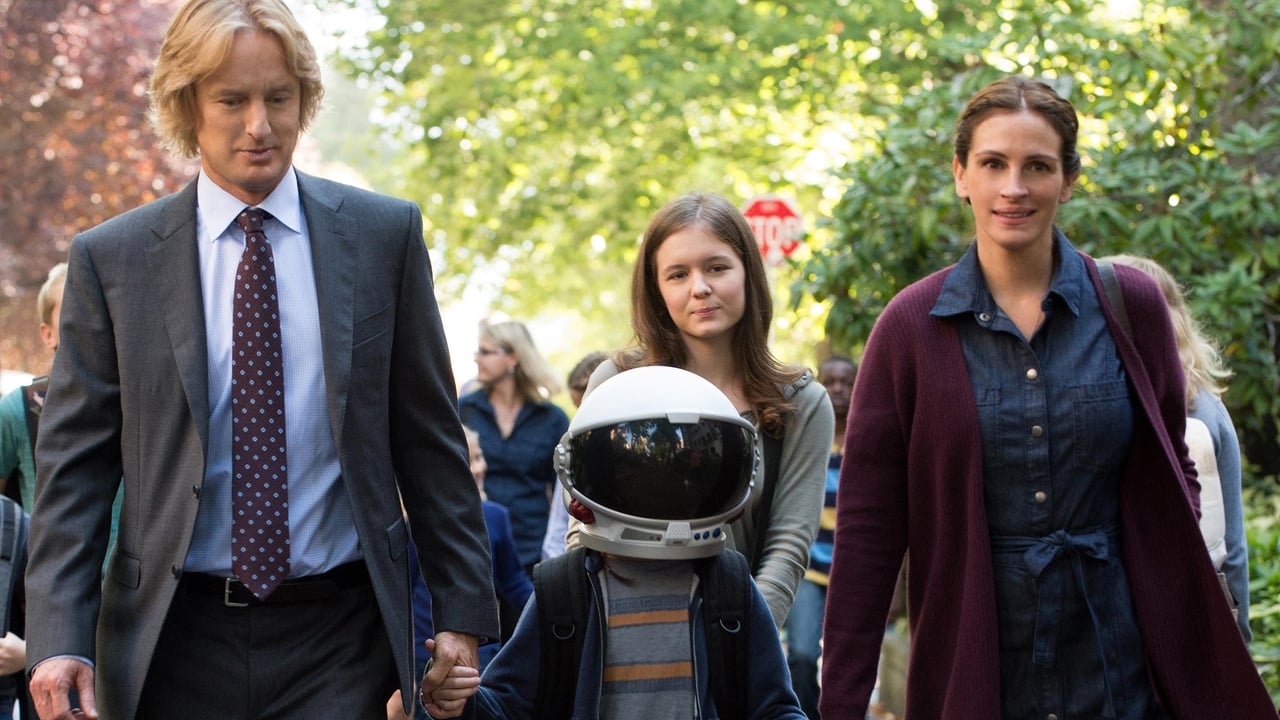
Then there’s the kids. Usually, child actors in these "meaningful" dramas can be a bit... much. But Noah Jupe, playing Auggie’s first real friend Jack Will, is fantastic. He captures that specific middle-school terror—the desperate need to be cool battling against the genuine desire to be a good person. The film acknowledges that kids aren't just "bullies" or "victims"; they are social creatures trying to navigate a world that doesn't provide them with a map.
More Than Just a Tearjerker
In our current era of "main character energy" and social media performance, Wonder feels like a necessary corrective. It’s a film about the radical act of noticing other people. It treats kindness not as a soft, fuzzy feeling, but as a difficult, conscious choice that requires actual work. The movie effectively argues that everyone is fighting a war we can’t see, which is a heavy philosophical lift for a film where a significant plot point involves a Minecraft session.
The production value is quietly top-tier, too. The makeup work by Arjen Tuiten—who rightfully earned an Oscar nomination for this—is incredible. It’s seamless enough that you forget about the latex and just see Auggie. The score by Marcelo Zarvos is gentle without being manipulative, which is a miracle in the "Family Drama" genre.
Stuff You Might Not Have Noticed
Prosthetic Preparation: Jacob Tremblay didn't just sit in a chair for 90 minutes; he actually went to retreats for children with facial differences and their families to ensure he wasn't just "playing a part" but representing a community. The Chbosky Touch: Much like in Perks of Being a Wallflower, Stephen Chbosky insisted on filming in a way that felt intimate. He used natural lighting whenever possible to avoid making the film look like a shiny commercial. A Massive Sleeper Hit: While we talk about franchise dominance, Wonder was a quiet box office titan. It turned a $20 million budget into over $315 million. In 2017, that was a massive win for mid-budget, original storytelling. Literary Roots: The movie stayed incredibly faithful to R.J. Palacio’s novel, largely because Julia Roberts was such a fan of the book (she read it to her own kids) that she became the film's biggest champion during development.
Wonder works because it respects its audience’s intelligence. It knows you know you’re supposed to cry, so it doesn't force the issue with swelling strings or over-the-top tragedy. Instead, it invites you to think about the people in your own life who might be feeling like "the sun" or a "neglected planet." It’s a beautifully shot, superbly acted reminder that being decent is the highest form of bravery we have. If you can get through the final assembly scene without at least a slight mistiness in your eyes, you might need to check your pulse.
Keep Exploring...
-

A Dog's Journey
2019
-
The Wild Robot
2024
-
The Perks of Being a Wallflower
2012
-
A Street Cat Named Bob
2016
-
Ford v Ferrari
2019
-
The Call of the Wild
2020
-
Spotlight
2015
-

Straight Outta Compton
2015
-

Captain Fantastic
2016
-
Love, Simon
2018
-

Five Feet Apart
2019
-
Little Women
2019
-
Guillermo del Toro's Pinocchio
2022
-
Inside Out
2015
-
Soul
2020
-
The Boy and the Beast
2015
-

Lion
2016
-
The Greatest Showman
2017
-

Midnight Sun
2018
-
The Father
2020