Wonder Wheel
"A boardwalk tragedy painted in neon."
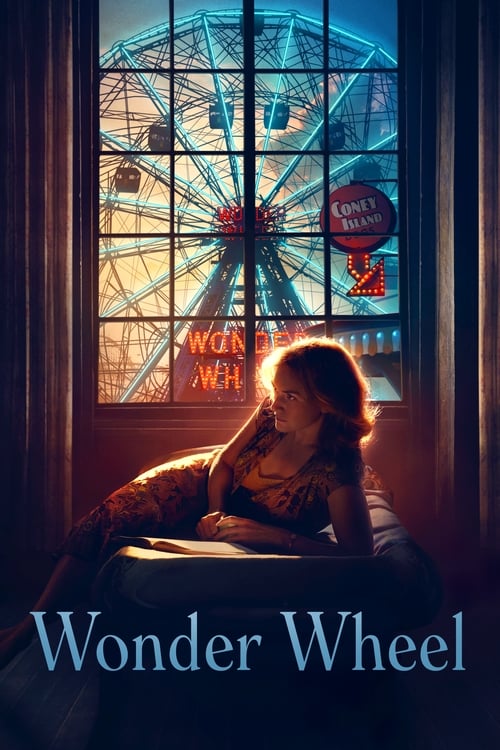
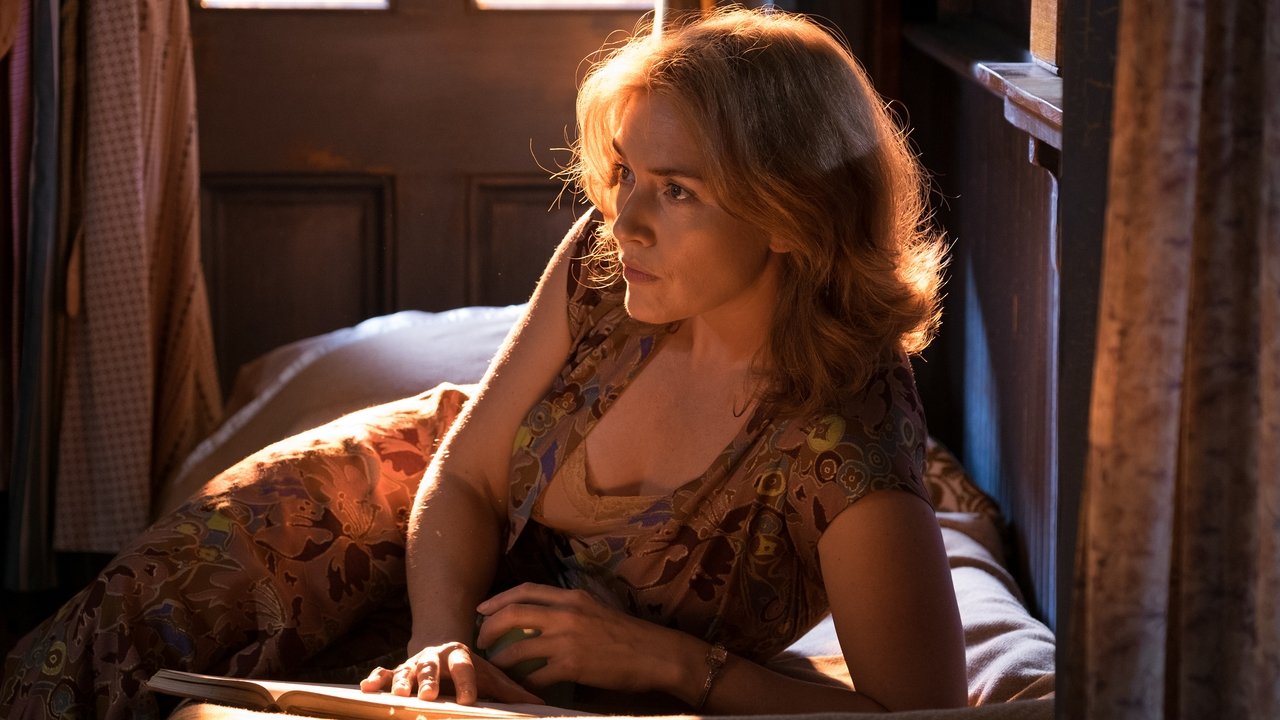
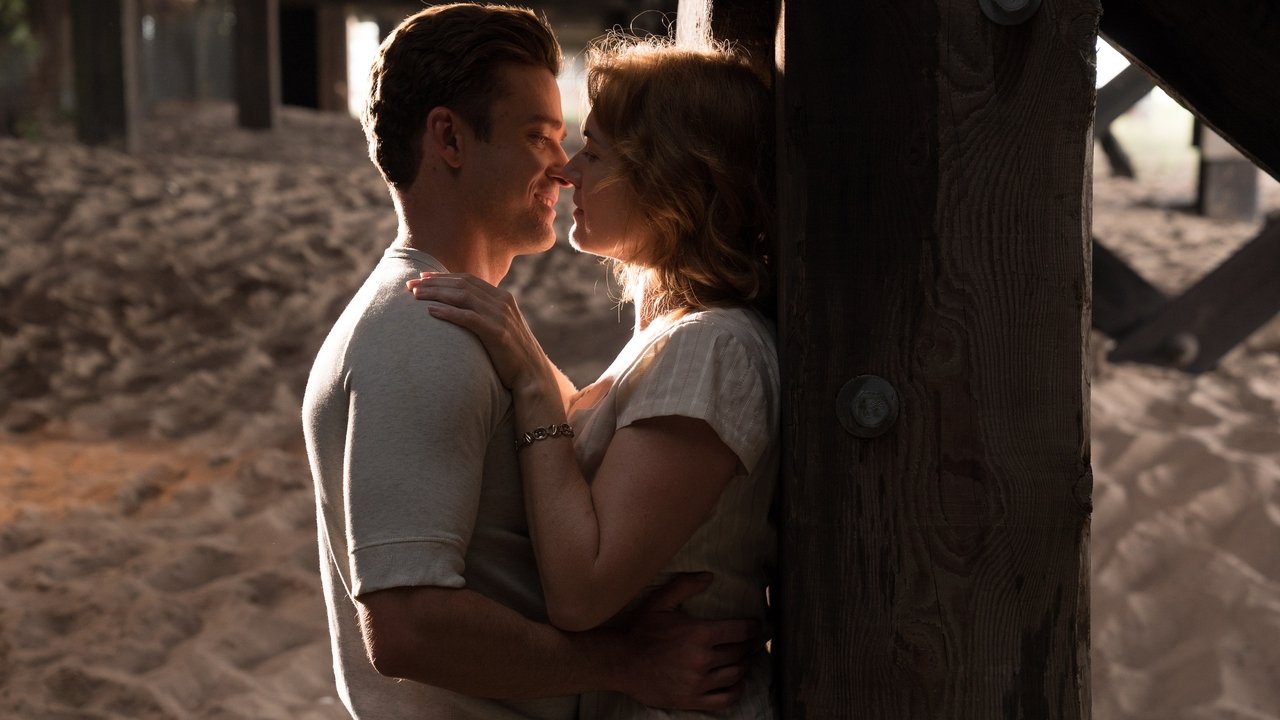
Vittorio Storaro is a wizard who treats light like a physical substance, and in Wonder Wheel, he turns the 1950s Coney Island boardwalk into a shifting kaleidoscope of emotional radiation. One moment, the frame is bathed in the warm, sunset orange of a carousel at dusk; the next, as a character’s mood sours, the light drains into a sickly, cold blue through a nearby window. I watched this on a rainy Tuesday afternoon while my neighbor was power-washing their driveway, and the constant hum weirdly synced up with the sound of the carousel, making the whole experience feel like a strange, low-frequency fever dream.
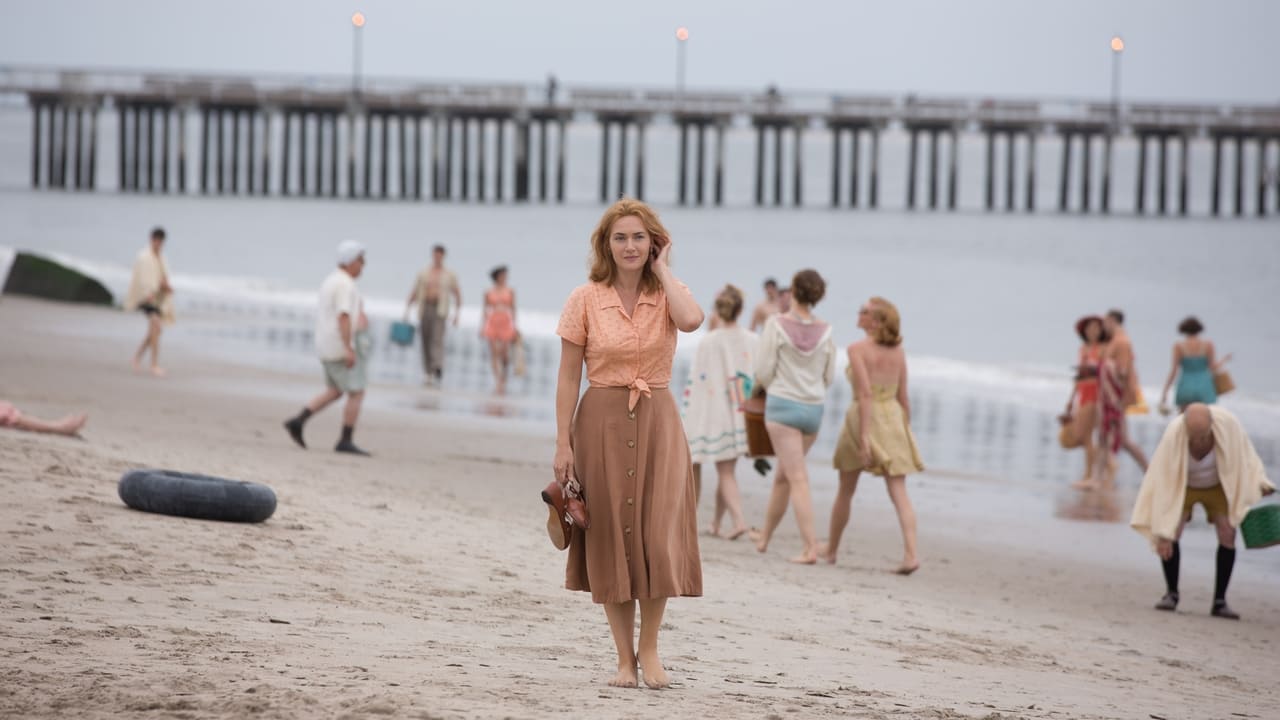
Released in late 2017, Wonder Wheel arrived at a complicated crossroads for both its creator and the industry. It was one of the flagship theatrical titles for Amazon Studios back when tech giants were still trying to prove they could play the prestige cinema game. But more importantly, it landed right as the #MeToo movement was fundamentally reshaping how we talk about certain directors. Consequently, the film didn't just underperform—it practically vaporized. It’s a "forgotten" movie that’s only seven years old, a contemporary oddity that feels like it belongs to a much older, dustier shelf of theatrical history.
The Theatre of the Boardwalk
The film functions less like a traditional movie and more like a high-budget stage play that happened to be filmed on location. We follow Ginny (Kate Winslet), a former actress now slinging clams and living in a cramped apartment directly above a noisy shooting gallery. She’s married to Humpty (Jim Belushi), a rough-edged carousel operator who’s one bad day away from relapsing into his drinking habits. Their lives are upended by the arrival of Humpty’s estranged daughter, Carolina (Juno Temple), who is hiding from the mob, and Mickey (Justin Timberlake), a lifeguard who fancies himself a budding Eugene O’Neill.
Kate Winslet is doing a lot of heavy lifting here, and I mean heavy. She plays Ginny with a raw, jagged desperation that borders on the operatic. She’s a woman who feels trapped by the literal and figurative noise of her life, and Winslet ensures you feel every bit of that migraine. It’s a performance of constant high-wire tension—Ginny is always one step away from a total psychological collapse. If you enjoy watching a master of the craft go full Blanche DuBois in a waitress uniform, it’s worth the price of admission alone. Jim Belushi is also a surprise, bringing a grounded, pathetic vulnerability to a character that could have easily been a one-dimensional brute.
A Narrator Out of Time
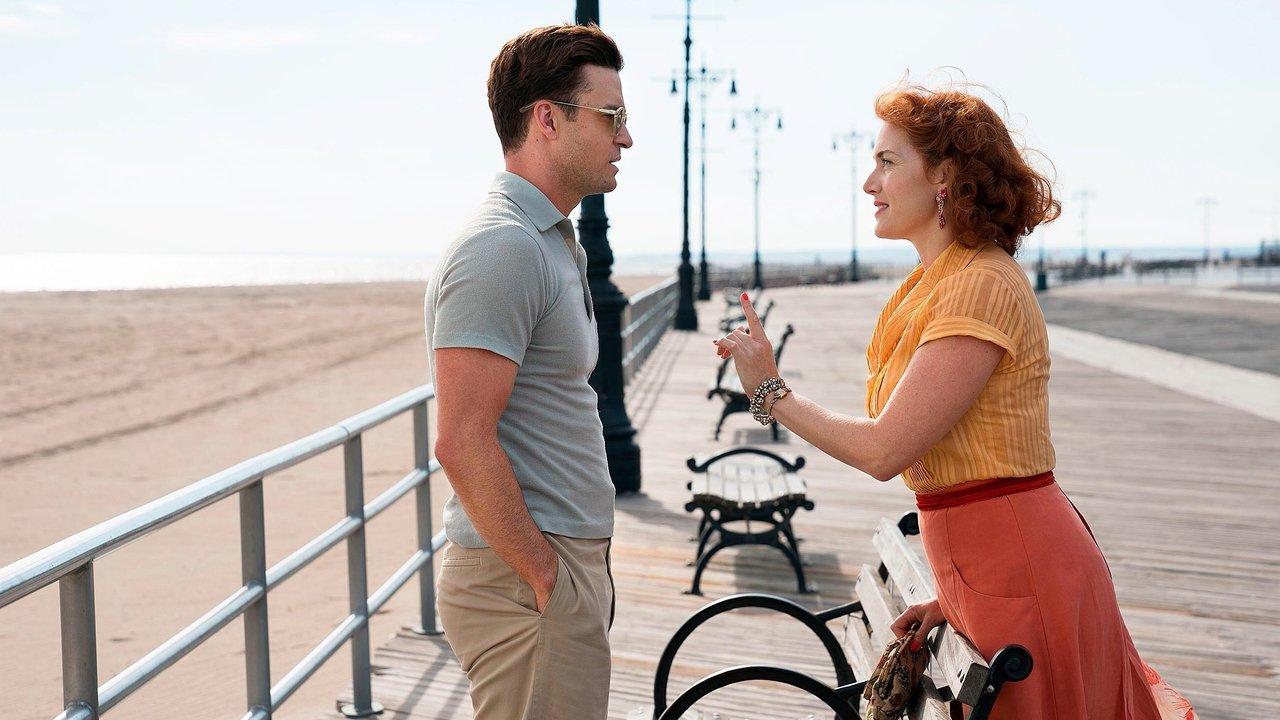
Then there’s Justin Timberlake. His character, Mickey, frequently breaks the fourth wall to narrate the story, explaining his love for symbols and melodrama. I’ll be honest: Timberlake is essentially playing a very handsome cardboard cutout. It’s a jarring casting choice that doesn't quite mesh with the period-piece grit the rest of the cast is trying to establish. Every time he looks at the camera to explain the "theatricality" of the situation, it feels like the movie is trying to apologize for being a drama.
The dialogue is vintage Woody Allen (who also wrote the screenplay), which is to say it’s hyper-literate, repetitive, and occasionally feels like it was written in 1964 and left in a drawer. In the context of 2017’s push for more naturalistic, diverse storytelling, Wonder Wheel felt like a relic upon arrival. It deals with themes of nostalgia and the crushing weight of past mistakes, but it does so in a way that feels insulated from the world outside the frame. It’s a film about people who are stuck, made by a filmmaker who is also, arguably, stuck in a specific creative loop.
Why It Vanished Into the Sea
So, why did nobody see this? Beyond the external controversies, Wonder Wheel is a difficult "sell." It’s a tragedy that looks like a candy shop. The disconnect between the gorgeous, saturated visuals and the miserable, spiraling lives of the characters is intentional, but it’s also exhausting. In an era where audiences were beginning to experience franchise fatigue and looking for "events," a claustrophobic family drama set in a clam house was a tough ask.
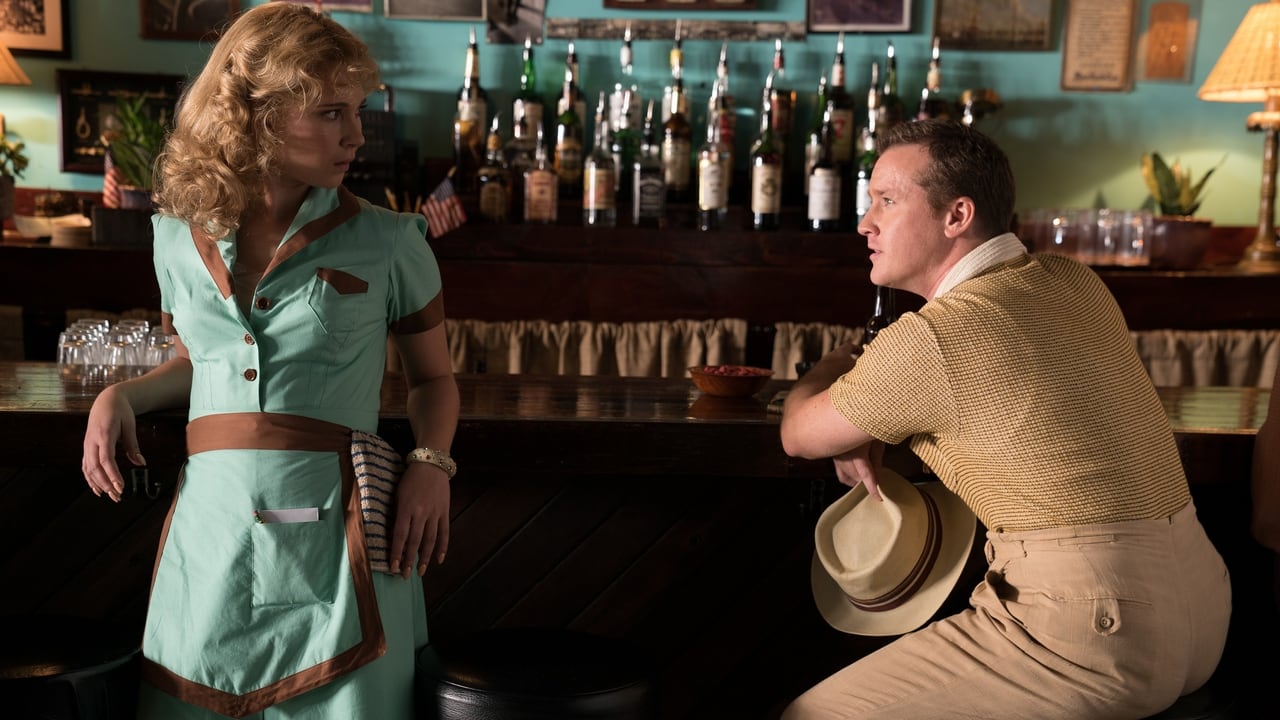
Amazon’s release strategy was also caught in that mid-transition period where streaming was starting to cannibalize the theatrical experience. For many, Wonder Wheel was just a title that appeared on a digital carousel a few months later, and then quietly disappeared into the depths of the "recommended" algorithm. It lacks the punch of Allen’s earlier late-career win Blue Jasmine, and it doesn't have the whimsical charm of Midnight in Paris. It exists in a lonely middle ground—it's a visual masterpiece trapped inside a moderately frustrating play.
Despite its flaws, I find myself thinking about those lights. The way Storaro captures the neon "Wonder Wheel" sign reflecting in a puddle or the way a character's face changes color mid-monologue is genuinely stunning. It’s a film for people who love the mechanics of filmmaking—the lighting, the blocking, the costumes—even if the story itself feels like it’s running in circles, much like the carousel at its center.
Wonder Wheel is a fascinating failure. It’s worth watching for Kate Winslet’s sheer commitment to the bit and for cinematography that belongs in a museum, but don't expect it to change your life. It’s a melancholy ride that ends exactly where it started, which is perhaps the point, but that doesn't make the journey any less bumpy. If you’re a completionist or a lighting nerd, give it a spin; otherwise, you might find yourself checking your watch before the sun sets over Coney Island.
Keep Exploring...
-
Café Society
2016
-
You Will Meet a Tall Dark Stranger
2010
-
Irrational Man
2015
-

A Rainy Day in New York
2019
-
Magic in the Moonlight
2014
-

Far from the Madding Crowd
2015
-
Equals
2015
-

Mother's Day
2016
-
The Choice
2016
-

The Light Between Oceans
2016
-
Home Again
2017
-
The Discovery
2017
-
The Aeronauts
2019
-
Tolkien
2019
-
After Ever Happy
2022
-

Suite Française
2015
-
Fallen
2016
-
High Strung
2016
-
Up for Love
2016
-
Attraction
2017