Wonder Woman
"An earnest beacon of hope that redefined what a modern superhero could be."
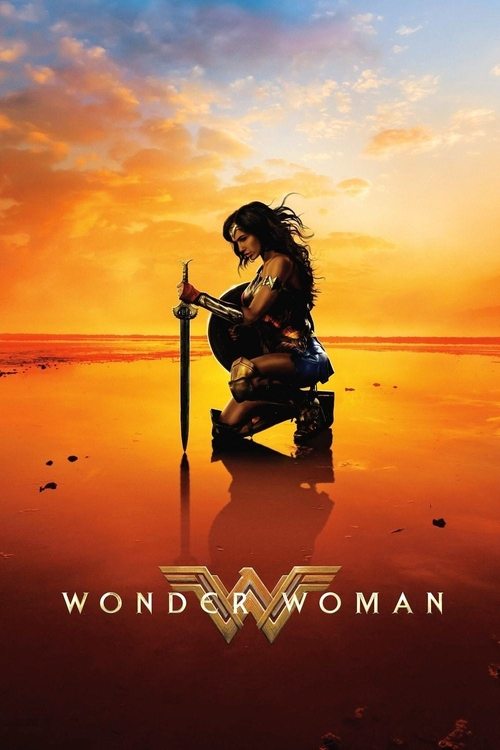
I vividly remember sitting in a theater where the air conditioning was cranked so high I had to wrap my arms around my lukewarm bucket of popcorn just to maintain core body temperature. Usually, that kind of distraction makes me resent a movie, but the moment Rupert Gregson-Williams’ electric cello theme kicked in, I completely forgot I was shivering. We were in the middle of a grim-dark era for DC movies, a time when "hope" felt like a dirty word in superhero scripts, and then Gal Gadot stepped out of a trench and changed the temperature of the entire genre.
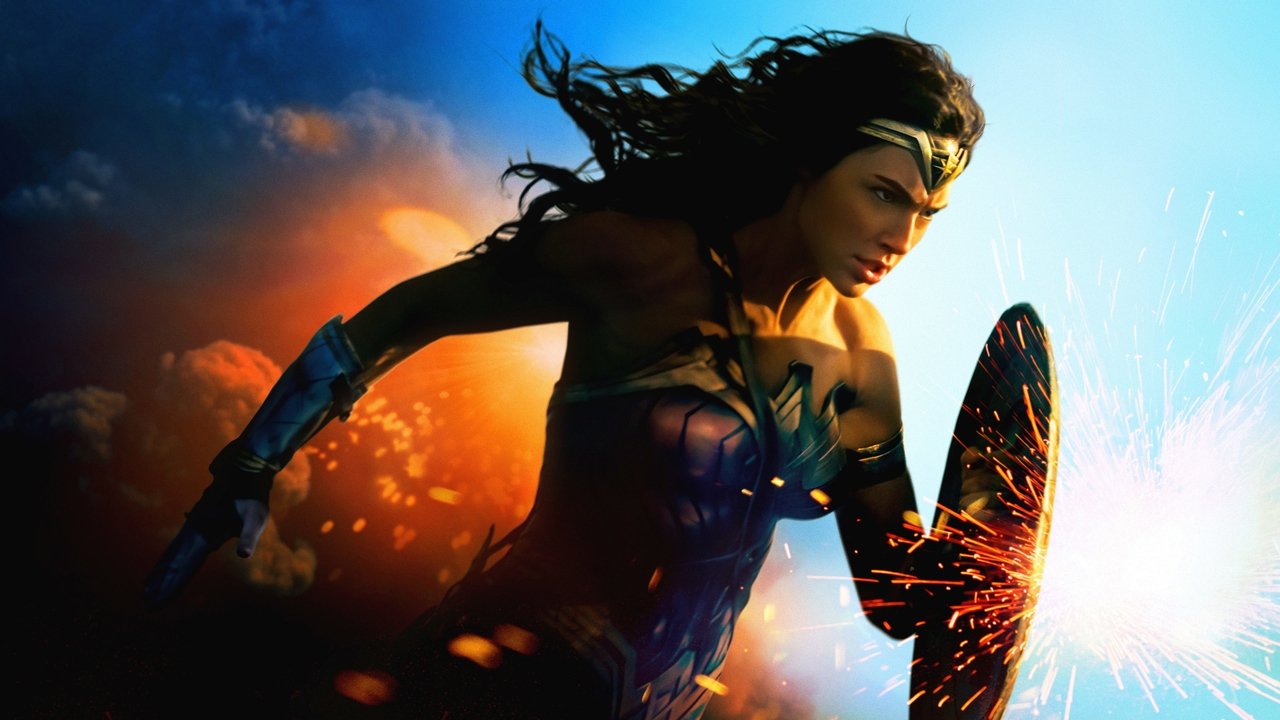
The Shield in the Mud
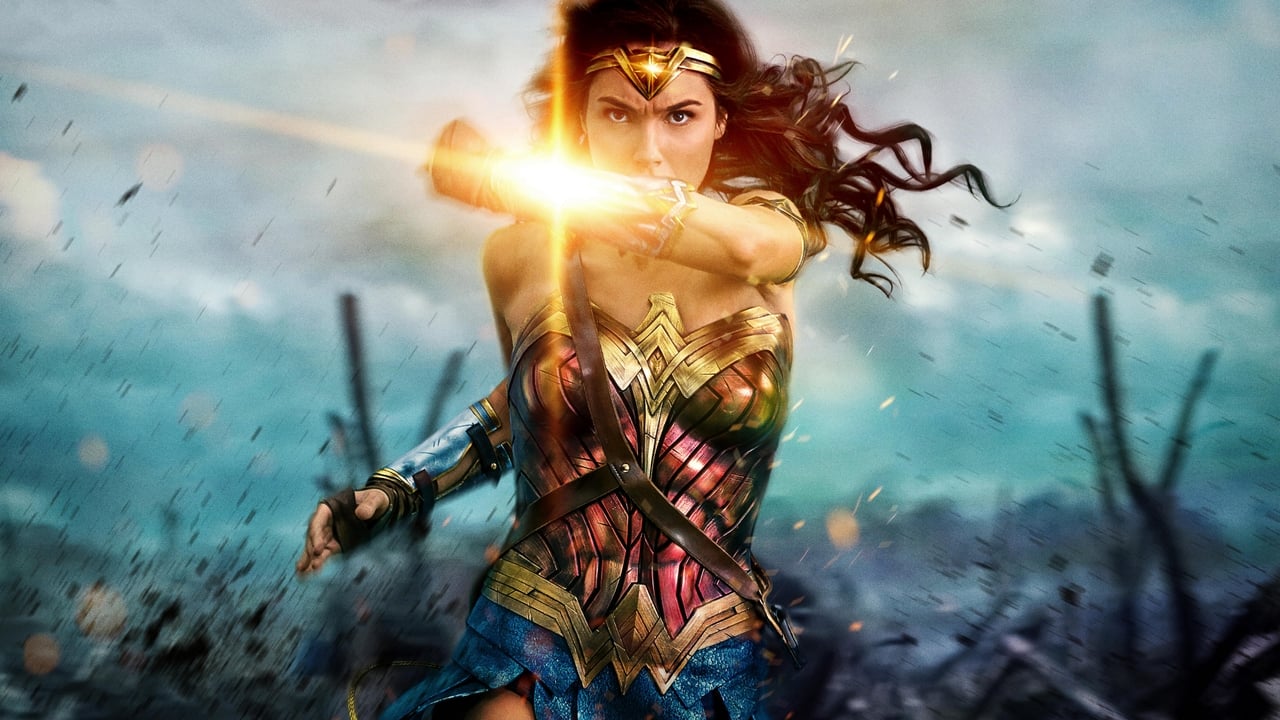
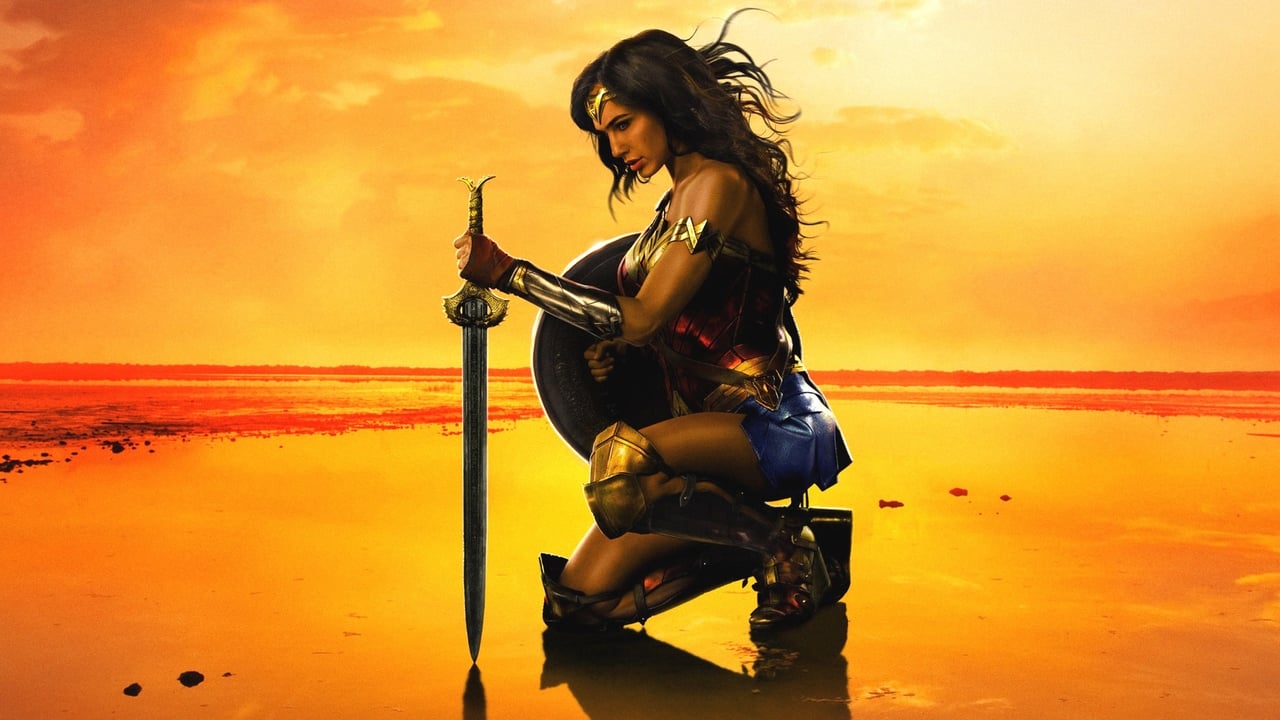
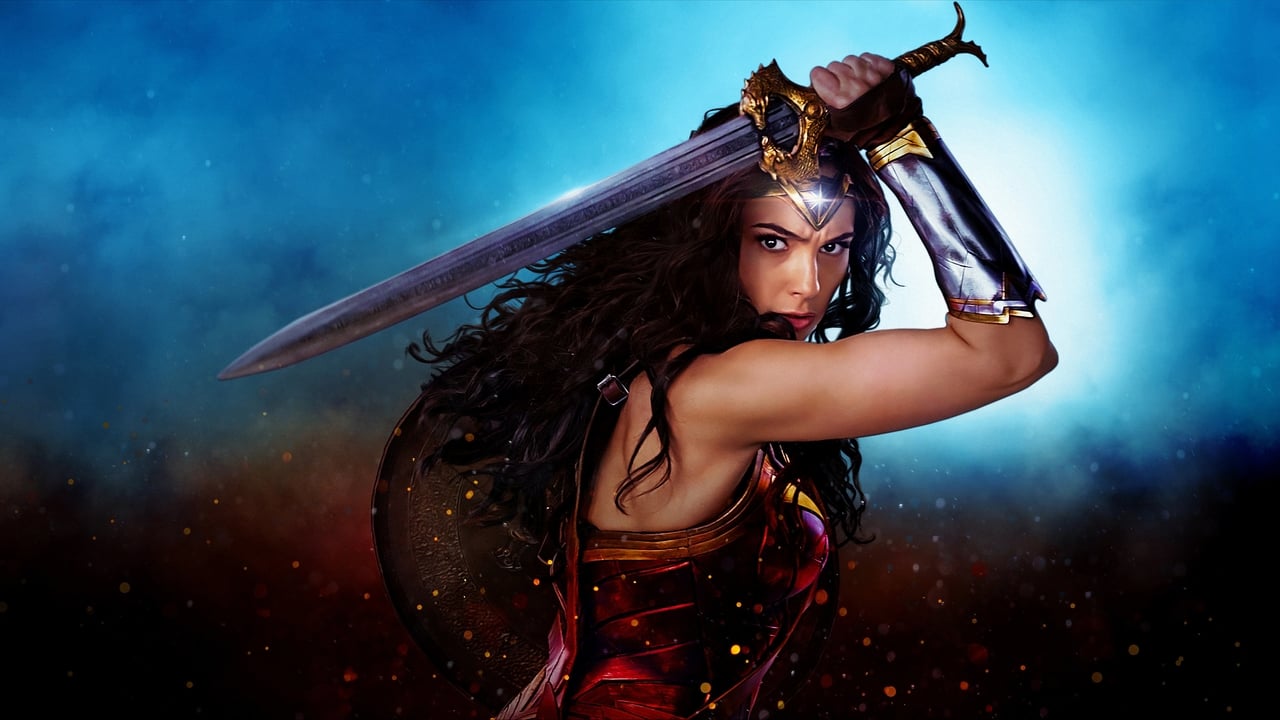
The "No Man's Land" sequence is, without exaggeration, the most important five minutes of superhero cinema in the last decade. It’s not just about the action—though watching Diana deflect HMG fire with her bracers is pure adrenaline—it’s about the shift in perspective. Director Patty Jenkins and cinematographer Matthew Jensen (who also shot Chronicle) chose to pivot from the desaturated, muddy greys of the WWI trenches to the vibrant, defiant red and blue of Diana’s armor.
I’ve seen a thousand explosions in movies, but watching Diana walk into a hail of bullets because she simply cannot ignore people in pain felt revolutionary. It wasn't about "stopping a villain" yet; it was about the fundamental human (or Amazonian) urge to help. The choreography here relies heavily on Gal Gadot’s physicality—she has this way of moving that feels both regal and immensely heavy, like every footfall carries the weight of her conviction. It’s a masterclass in using slow-motion not just to look cool, but to let the audience breathe in the heroism of the moment.
A Masterclass in Chemistry
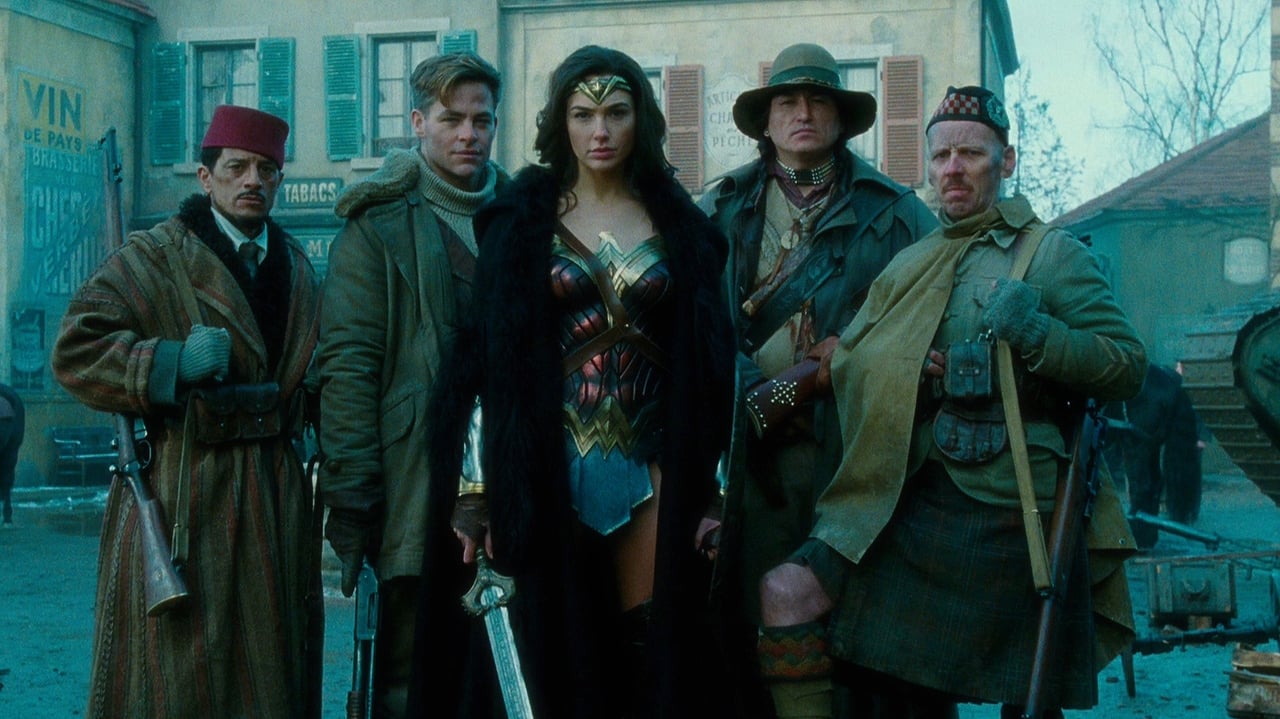
If Diana is the soul of the film, Chris Pine’s Steve Trevor is the much-needed connective tissue. Usually, the "love interest" in these massive blockbusters is a thankless role, but Chris Pine plays Steve with a weary, charming cynicism that perfectly offsets Diana’s fish-out-of-water sincerity. Their chemistry is effortless—I genuinely believe they like each other, which is more than I can say for most MCU or DCEU pairings.
The scenes in London, where Diana is baffled by corsets and the "World of Men," could have easily devolved into cheap slapstick. Instead, they’re used to highlight the absurdity of the era’s gender roles. I particularly loved Connie Nielsen as Hippolyta and Robin Wright as Antiope; the opening act on Themyscira feels like a lush, sun-drenched epic from a different age of filmmaking. The training sequences there didn't rely on shaky cam; they relied on the stunt team’s incredible coordination. Apparently, the "Amazon" army was comprised of actual elite athletes, including professional boxers, pentathletes, and CrossFit champions, which explains why the combat feels so grounded and powerful before the CGI gods take over.
The Budget, The Buzz, and The "God" Problem
Coming off the divisive reception of Batman v Superman, the pressure on this $149 million production was immense. Patty Jenkins became the first woman to direct a live-action superhero film with a budget of that scale, and she responded by delivering a film that grossed over $822 million worldwide. It wasn't just a hit; it was a cultural correction. I remember my social media feed being nothing but gold-filtered posters and "W" emojis for three weeks straight.
However, I have to be honest: the third act is where the wheels start to wobble. After two hours of nuanced character work and grounded war drama, the film dives headfirst into a digital blender. The final battle against Ares is an over-caffeinated CGI mess that forgets everything the previous two hours built. Seeing David Thewlis (whom I usually love in things like Harry Potter) encased in giant floating armor while shouting about war felt like a step back into the very "franchise tropes" the rest of the movie worked so hard to avoid. It’s a classic case of a studio feeling the need to end with a "big" boom when a quiet, personal confrontation would have hit twice as hard.
Beyond the Lasso
Despite the noisy finale, the film’s legacy is unshakable. It proved that audiences were starving for sincerity. We’d had enough of the "reluctant hero" who hates their job; we wanted someone who wore the crown because they believed they could make the world better. The production design is tactile—from the Greek-inspired architecture of the island to the soot-stained cobblestones of London—and it gives the fantasy elements a place to land.
Patty Jenkins managed to weave a story that felt like a bridge between the classic, earnest adventure of the original Superman (1978) and the high-tech, interconnected demands of the modern era. It’s a film that demands to be seen on a big screen, not because of the explosions, but because of the sheer scale of its heart. Even with its flaws, it remains the high-water mark for the first decade of the DC Extended Universe.
The film manages to be a grand spectacle without losing the human element that makes us care about the heroes in the first place. By the time the credits rolled and I walked out into the humid night air, I wasn't even thinking about the cold theater anymore. I was just thinking about how much I wanted to find a shield and stand up for something. That's the kind of magic only the best blockbusters can pull off.
Keep Exploring...
-
Wonder Woman 1984
2020
-
Doctor Strange
2016
-
Jumanji: Welcome to the Jungle
2017
-

Kong: Skull Island
2017
-
Aquaman
2018
-
Doctor Strange in the Multiverse of Madness
2022
-
Kung Fu Panda 4
2024
-
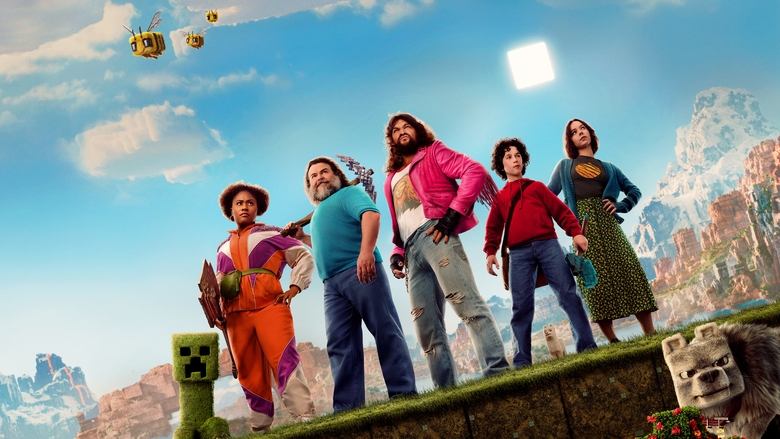
A Minecraft Movie
2025
-

How to Train Your Dragon
2025
-

Along with the Gods: The Two Worlds
2017
-
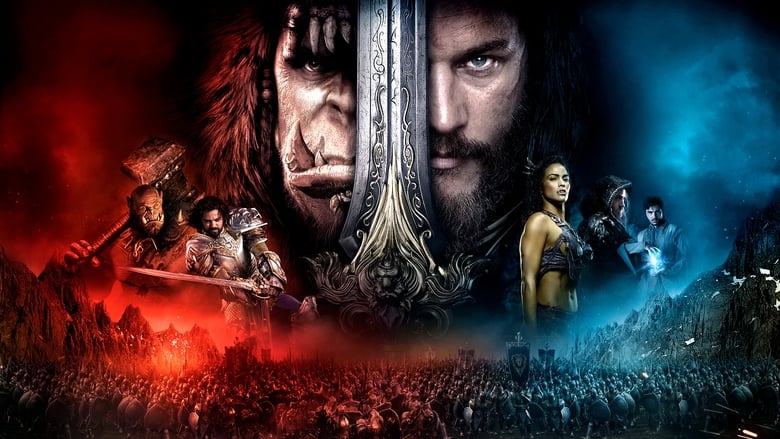
Warcraft
2016
-
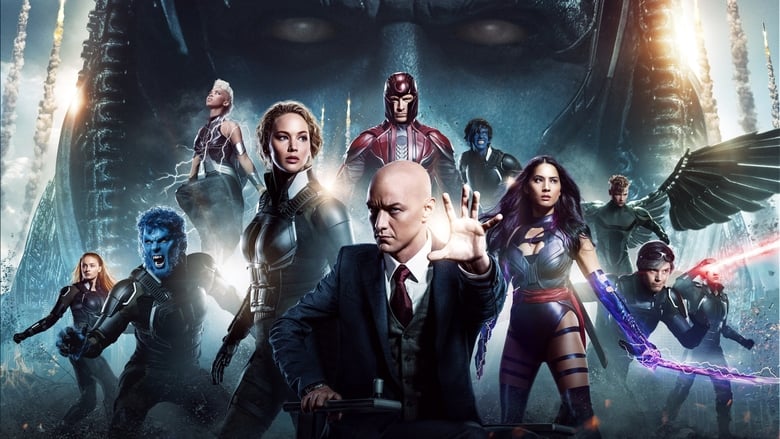
X-Men: Apocalypse
2016
-
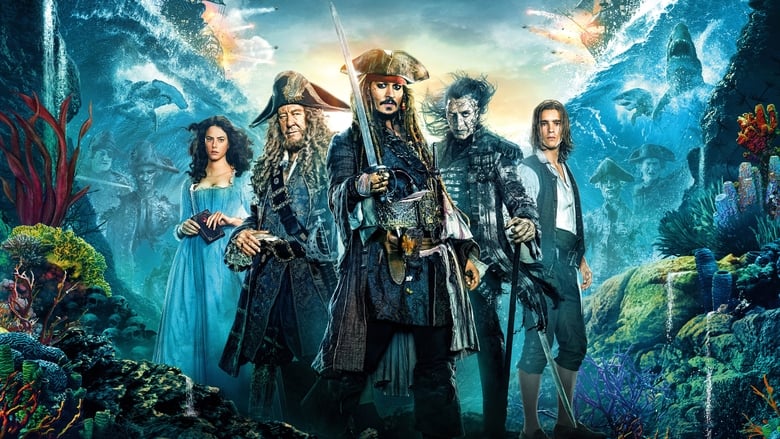
Pirates of the Caribbean: Dead Men Tell No Tales
2017
-
Tomb Raider
2018
-
Pokémon Detective Pikachu
2019
-

Jungle Cruise
2021
-
Raya and the Last Dragon
2021
-

Shang-Chi and the Legend of the Ten Rings
2021
-
Zack Snyder's Justice League
2021
-
The Northman
2022