You Were Never Really Here
"A hammer, a ghost, and the sound of silence."
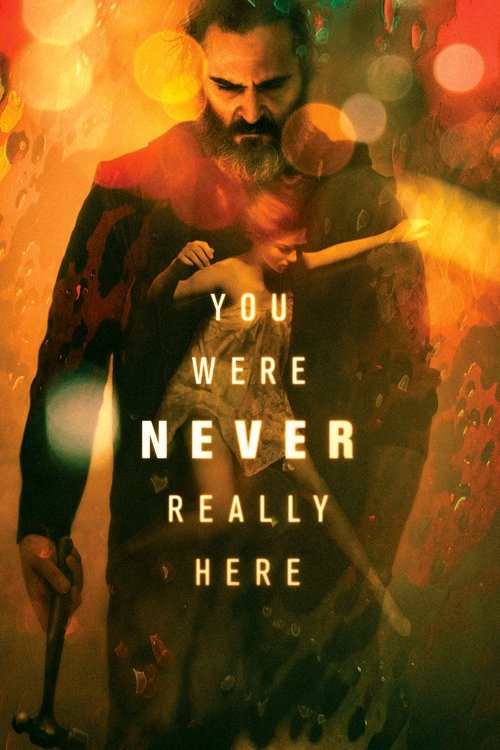
There is a specific, heavy silence you only find in the back aisles of a hardware store—the scent of sawdust, the cold weight of a ball-peen hammer, and the feeling that you could disappear between the shelves. Most movies treat a hardware store as a place for a quirky montage or a quick weapon pickup, but for Joe, it’s his armory and his sanctuary. He isn't looking for a "tactical" knife or a high-caliber rifle. He wants something that feels real, something that makes a thud, because Joe himself is a man who has been hollowed out by the world and is trying to find a way to strike back.
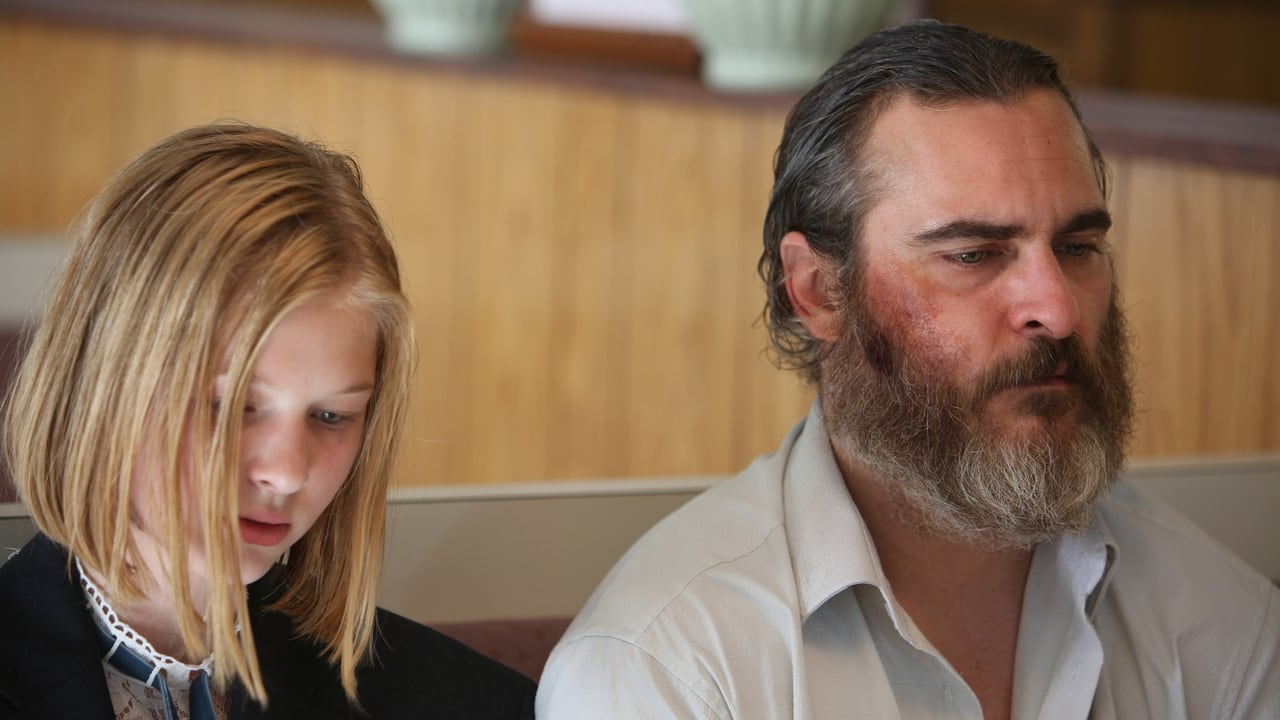
I watched this on my laptop while hiding from a particularly aggressive summer thunderstorm, sipping a lime seltzer that lost its carbonation about twenty minutes in, and somehow the flat, metallic taste of the drink perfectly matched the gray, rain-slicked mood of the film.
The Anti-Thriller Thriller
In an era where every mid-budget movie seems to be auditioning for a franchise or leaning on "John Wick" hyper-competence, Lynne Ramsay (who also gave us the haunting We Need to Talk About Kevin) decided to do something completely different. You Were Never Really Here is a rescue thriller that hates the idea of being a thriller. It takes the "man with a special set of skills" trope and strips it of all the cool, neon-soaked glory we’ve grown accustomed to.
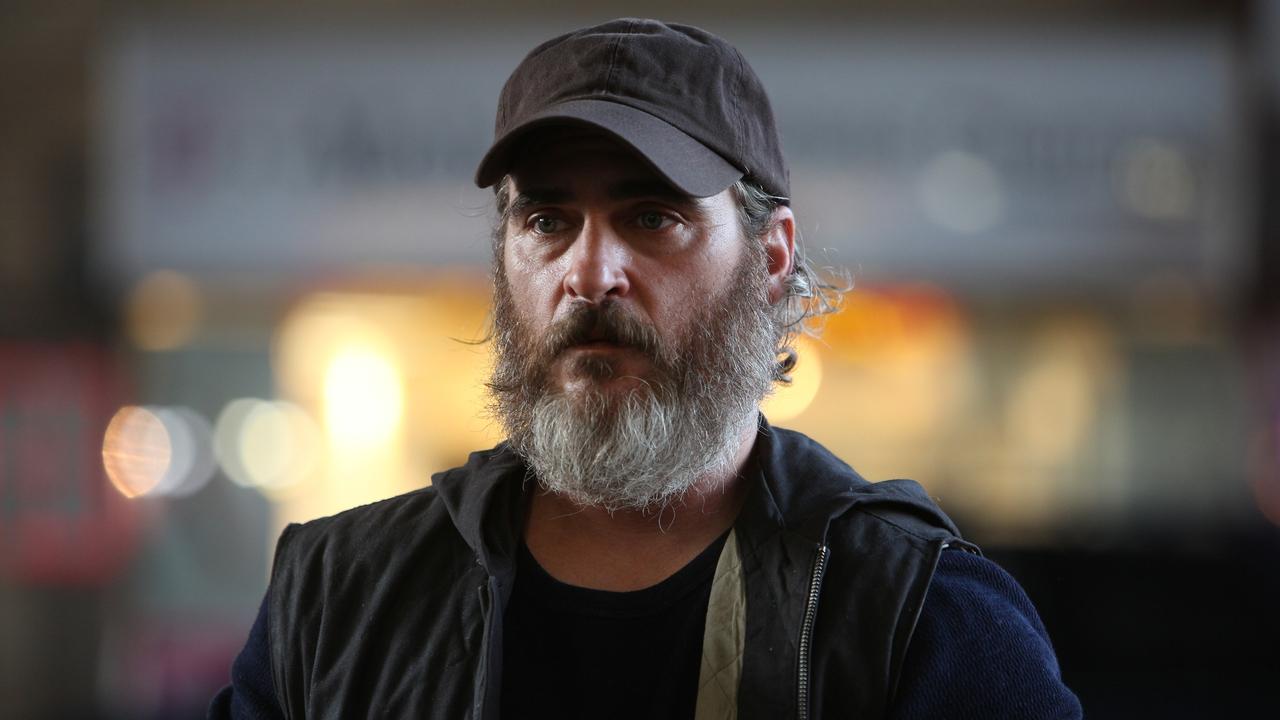
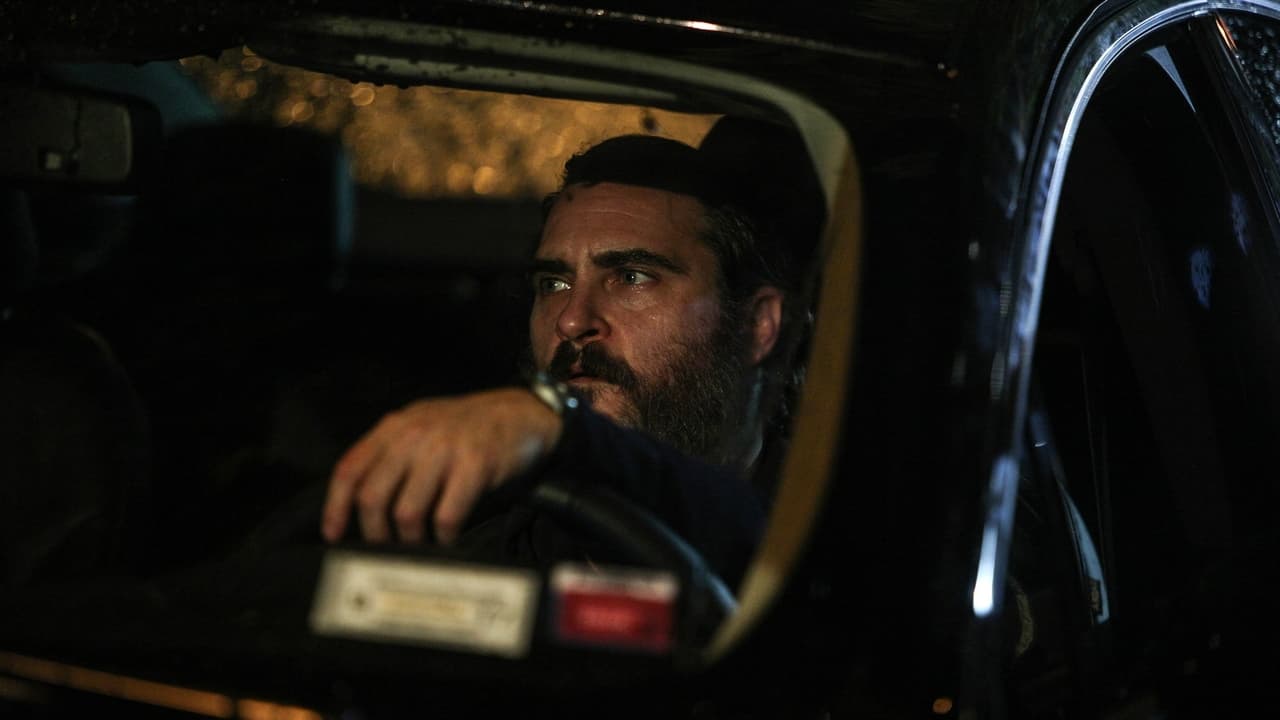
Joaquin Phoenix plays Joe, a veteran and former federal agent who lives with his elderly mother (Judith Roberts) and spends his nights rescuing girls from sex trafficking rings. But Joe isn't a superhero. He’s a sentient bruise. He’s bulky, graying, and breathes with a heavy, labored wheeze that makes you want to hand him an inhaler. He spends his downtime practicing suicide with a plastic bag and a timer. When he’s hired by a Senator to find his daughter, Nina (Ekaterina Samsonov), the movie shifts from a standard "find the girl" plot into a fragmented, psychological fever dream.
"Joe is less a lethal weapon and more a man trying to punch his way out of a fog." If you’re coming to this for a high body count and choreographed gunfights, you’re going to be disappointed—and that’s exactly why I love it. Lynne Ramsay refuses to give us the "satisfaction" of violence. Most of the action happens off-screen, or through the grainy, detached lens of a black-and-white security camera. We see the aftermath—the bodies on the floor, the blood on the walls—but we are denied the "fun" of the fight. It makes the violence feel sickeningly real rather than cinematic.
The Sound of a Breaking Mind
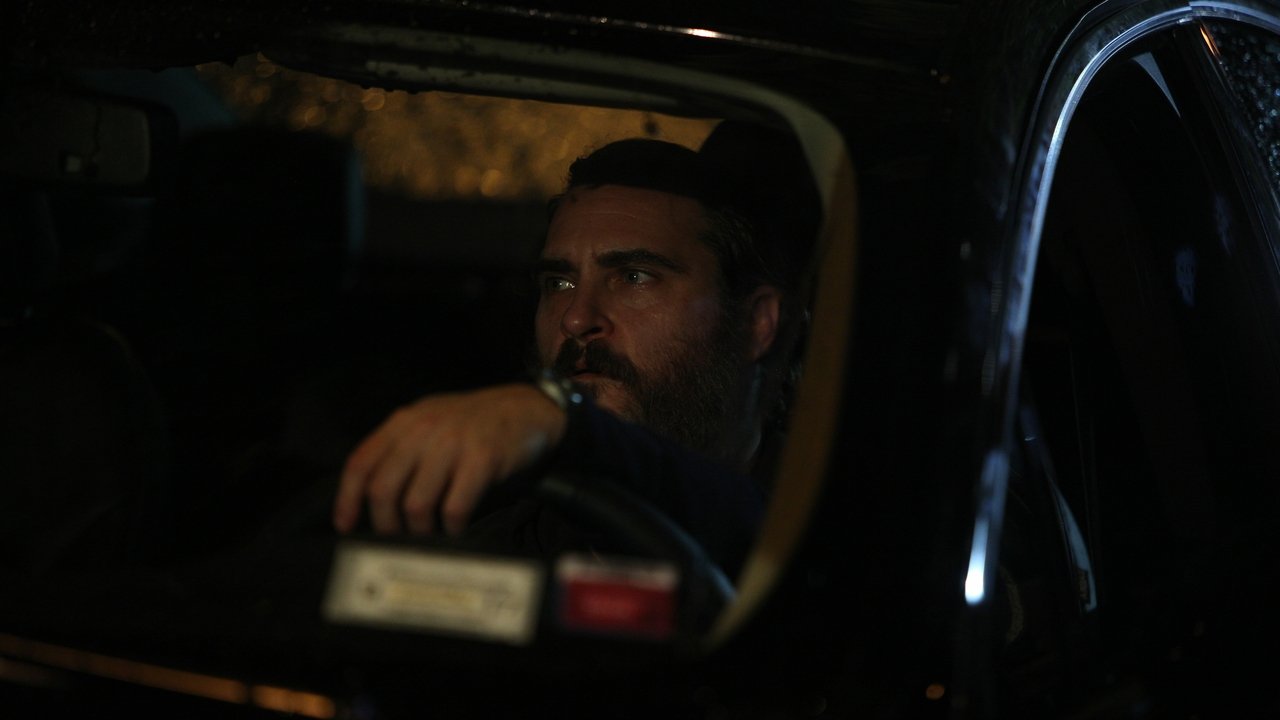
What really sets this film apart from its contemporary peers is the sheer artistry of the craft. In the 2010s, we saw a lot of films leaning heavily on CGI to create "grittiness," but Lynne Ramsay uses sound and editing like a surgeon’s scalpel. The score by Jonny Greenwood (the genius behind the sounds of There Will Be Blood and a little band called Radiohead) is absolutely essential. It’s a jagged, electronic, and often dissonant collection of sounds that feels like it’s being played directly inside Joe’s concussed skull.
There’s a scene involving a "hit" in a hotel that is one of the most brilliant bits of editing I’ve seen in years. Instead of a traditional action sequence, we see it through the hotel’s CCTV system. It’s silent, distant, and cold. It reminds me that "this is a movie about the ghost of a man doing a ghost of a job."
Interestingly, the script for the film was reportedly only about 50 pages long. For those who aren't screenplay nerds, that’s incredibly short—about half the length of a standard feature. Lynne Ramsay and Joaquin Phoenix spent their time on set stripping away dialogue, realizing that a look from Joe’s tired eyes said more than three pages of exposition ever could. Apparently, the film wasn't even fully finished when it premiered at Cannes; they were still editing it during the festival, and it still walked away with Best Screenplay and Best Actor. That tells you everything you need to know about the raw power of the footage they had.
A Cult Classic for the Modern Burnout
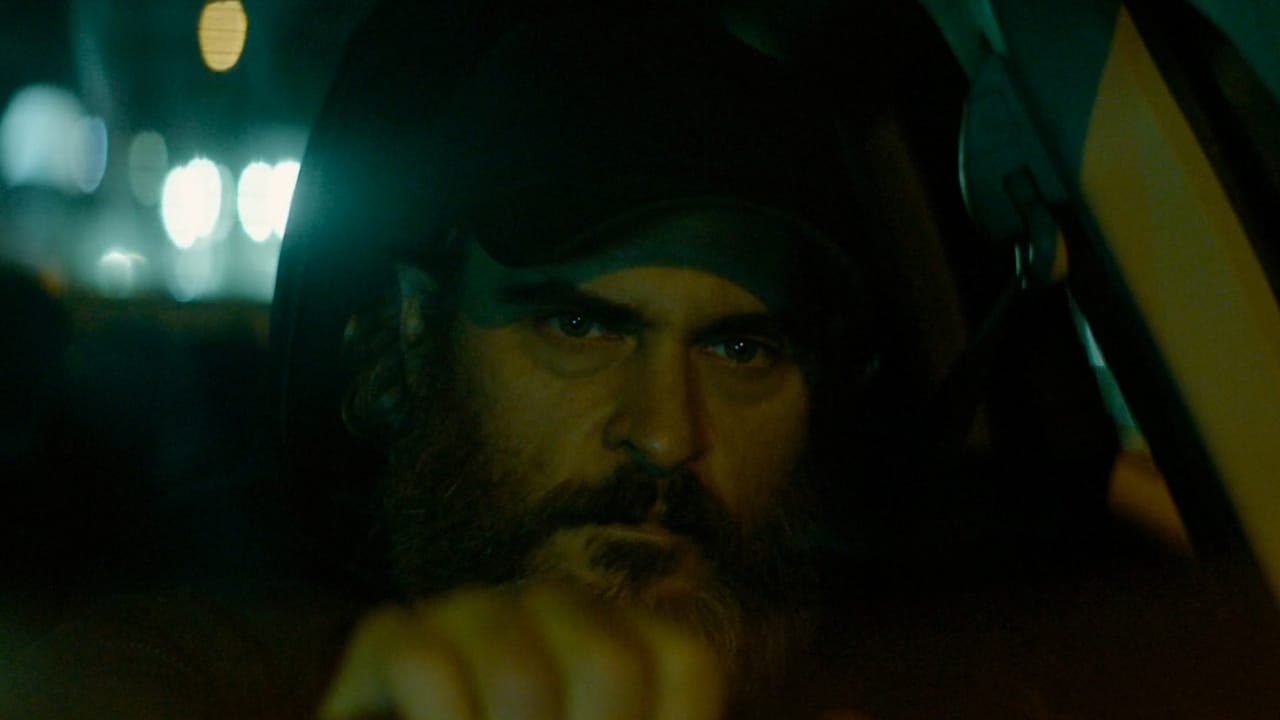
While it didn’t set the box office on fire, earning just over $9 million against its $17 million budget, You Were Never Really Here has cemented itself as a modern cult classic. It’s the kind of film that cinephiles pass around like a secret, a reminder that "contemporary cinema" doesn't have to mean "formulaic." It captures a very specific 21st-century anxiety—the feeling of being overwhelmed by a corrupt system and the personal trauma that stays in your marrow long after the "war" is over.
Joaquin Phoenix didn't do the typical "action star" workout for this. He deliberately cultivated a "thick," un-sculpted physique to look like a man who has let himself go but still possesses a terrifying, brute strength. He and Judith Roberts improvised many of their scenes together, creating a domestic tenderness that makes Joe’s external violence even harder to stomach. Their relationship is the beating heart of the movie; Joe can go from smashing a man's hand with a hammer to playfully singing a song with his mom in the kitchen. It’s weird, it’s uncomfortable, and it feels entirely human.
This isn't an "easy" watch, but it’s a rewarding one. It’s a film that stays with you, popping up in your head the next time you hear a sudden loud noise or see a flash of a yellow hammer in a window. It proves that you don't need a massive budget or a shared cinematic universe to tell a story that feels enormous. Sometimes, all you need is a broken man, a short script, and a director who isn't afraid to let the camera linger on the things we usually try to look away from. It’s a stunning, jagged little pill of a movie.
Keep Exploring...
-
Patriots Day
2016
-

Snowden
2016
-
Bad Times at the El Royale
2018
-

The House That Jack Built
2018
-
Widows
2018
-
The Highwaymen
2019
-

Uncut Gems
2019
-

Promising Young Woman
2020
-

Ambulance
2022
-

Shot Caller
2017
-
Dogman
2018
-
El Camino: A Breaking Bad Movie
2019
-

The Devil All the Time
2020
-
I Care a Lot
2021
-
Nightmare Alley
2021
-
We Need to Talk About Kevin
2011
-
Suburra
2015
-

Miss Sloane
2016
-
The Accountant
2016
-
The Infiltrator
2016