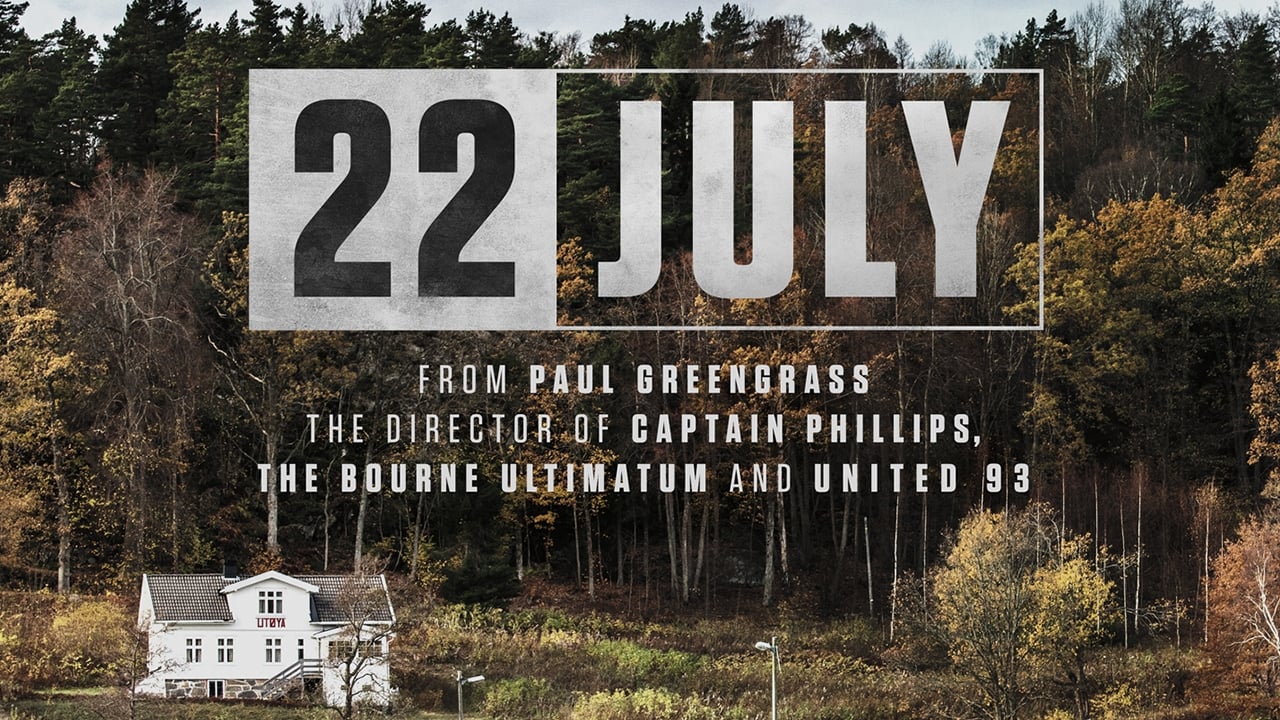
22 July
"The soul of a nation on trial."
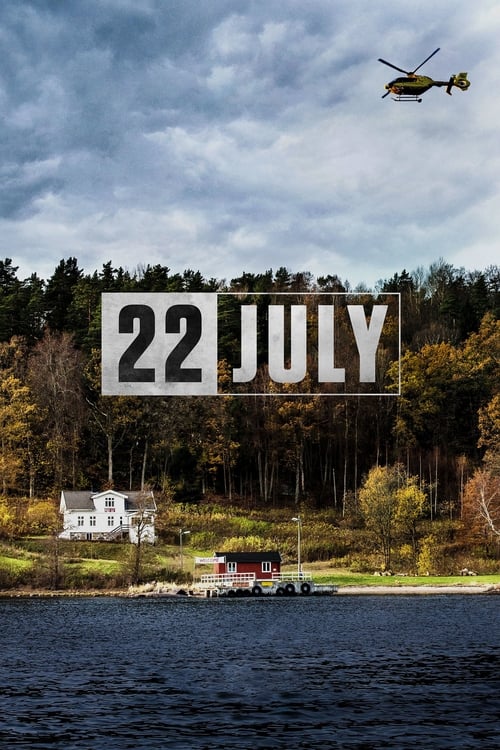
I’m usually a sucker for a Paul Greengrass thriller. Give me a shaky camera and Matt Damon sprinting through a train station, and I’m a happy camper. But watching 22 July was a different beast entirely. I sat down to watch this on a Tuesday evening while my upstairs neighbor was apparently practicing for a clog-dancing competition, and the rhythmic thump-thump-thump from the ceiling created a sickening counterpoint to the events on screen. It made the whole experience feel uncomfortably close, which is exactly where this movie wants to live.
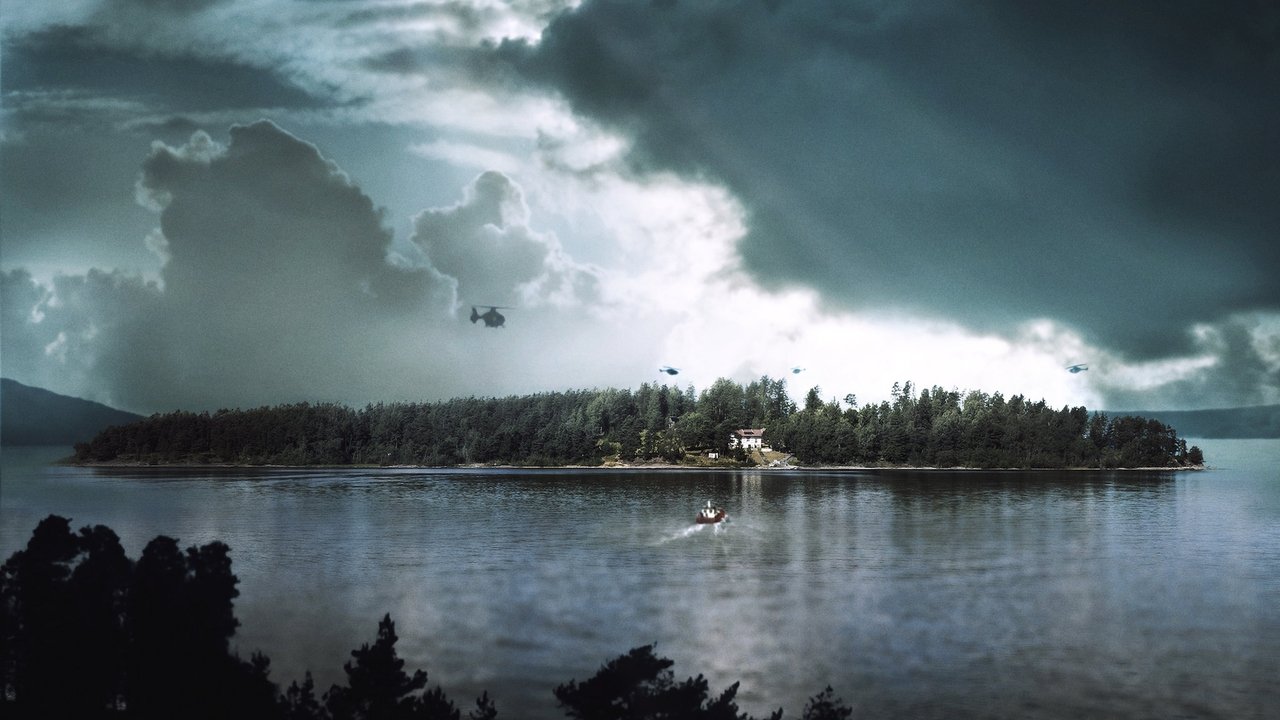
Released in 2018 as part of Netflix’s aggressive push into "prestige" adult dramas, 22 July tackled a wound that was—and is—still very raw for Norway. It’s a film about the 2011 domestic terrorist attacks where a neo-Nazi murdered 77 people, mostly teenagers, at a summer camp. In an era where streaming services were being accused of prioritizing quantity over quality, this was Greengrass planting a flag: cinema can still be a heavyweight tool for social autopsy, even if you’re watching it on your couch.
The Banality of the Monster
The film is essentially a three-act structure that refuses to follow the "action movie" rules Greengrass helped write. The first thirty minutes are a recreation of the attacks on Oslo and Utøya island. It is terrifying, not because it’s "kinetic" (a word I’ve promised myself never to use seriously), but because it is so methodical. Anders Danielsen Lie, playing the killer Anders Behring Breivik, gives a performance that made my skin crawl.
He doesn’t play Breivik as a cackling villain; he plays him as a self-important, bureaucratic incel who thinks he’s the hero of a history book that hasn't been written yet. Lie’s performance is a chilling reminder that the most dangerous people in the room are often the ones who think they’re the smartest. By the time the shooting stops and the legal and recovery process begins, you realize the movie isn't really about the "event." It’s about the refusal of a society to let one man’s vacuum of a soul consume their democratic values.
A Different Kind of Heroism
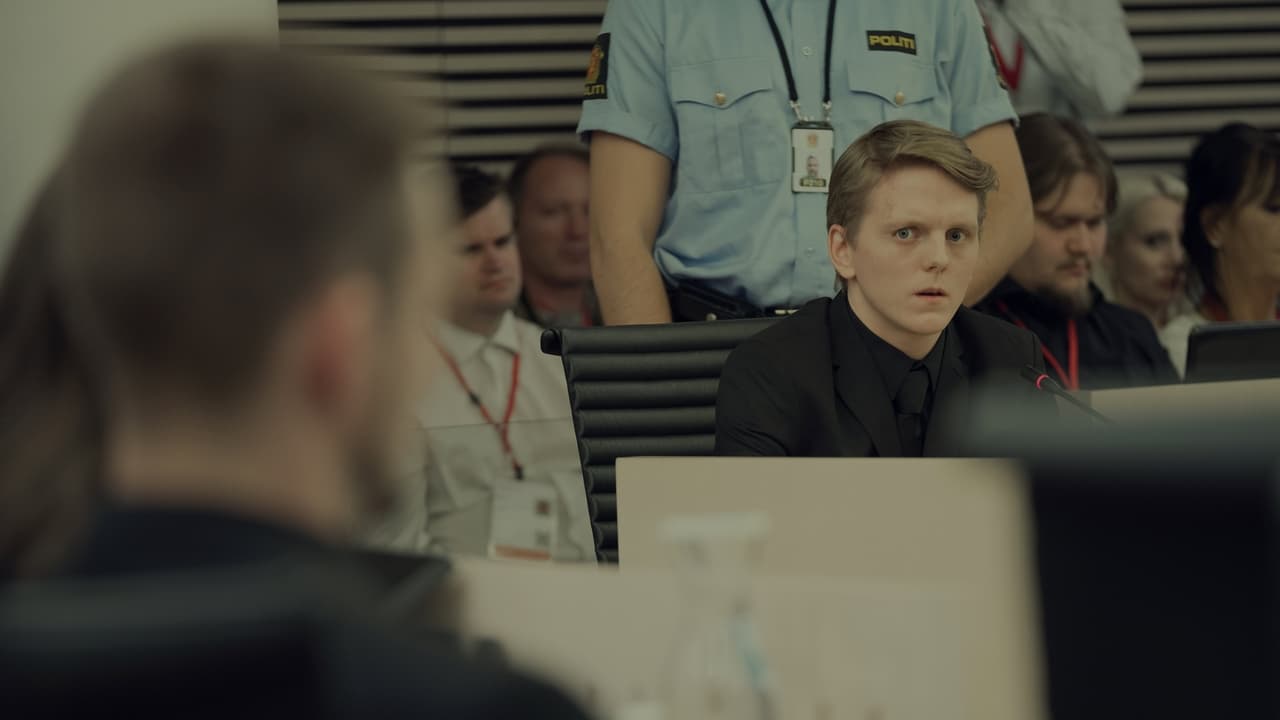
Once the smoke clears, the focus shifts to Viljar Hanssen, played with staggering vulnerability by Jonas Strand Gravli. Viljar is a survivor who was shot multiple times and left with fragments of a bullet lodged near his brain. While the killer is trying to turn his trial into a political platform, Viljar is just trying to learn how to walk again and look at himself in the mirror.
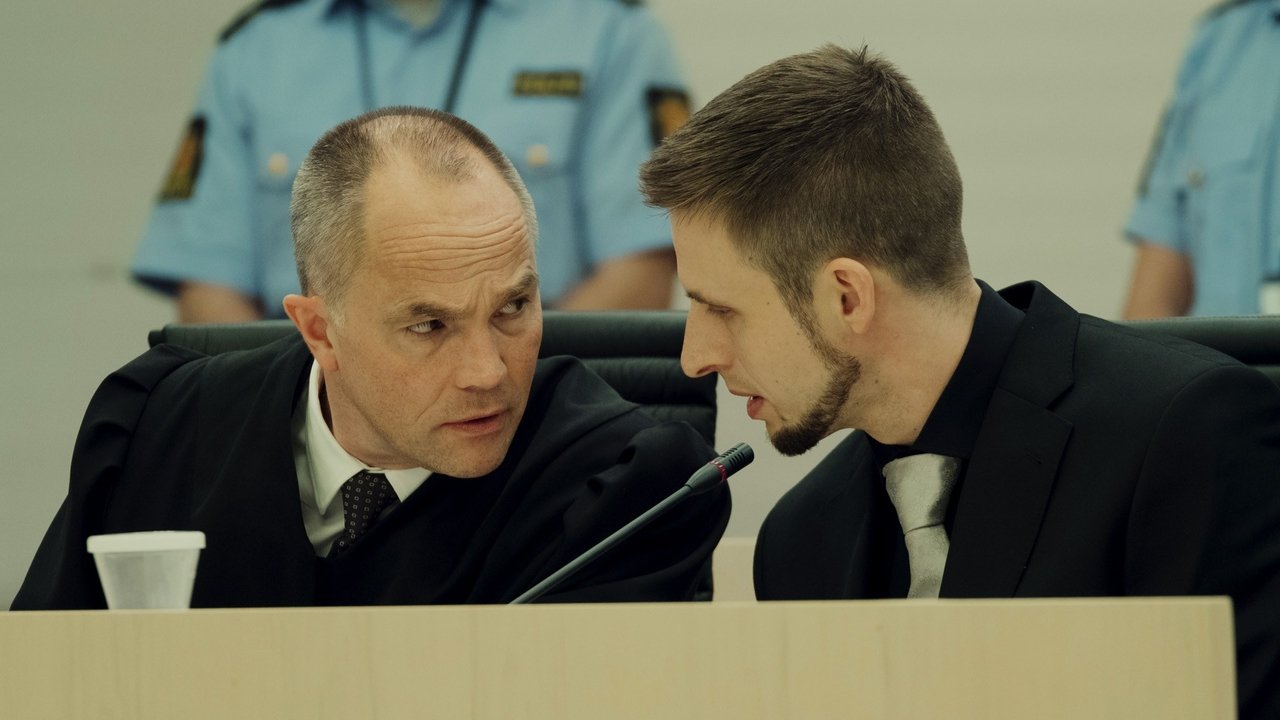
I found myself far more gripped by the scenes of Viljar’s physical therapy than the courtroom drama. Gravli captures that specific, agonizing teenage frustration—the feeling of a life interrupted by a senselessness you can't possibly wrap your head around. Opposite him, we have Jon Øigarden as Geir Lippestad, the lawyer tasked with defending the indefensible. It’s a thankless role, but Øigarden plays it with a weary, moral exhaustion that I found deeply moving. He’s not defending the man; he’s defending the right to a fair trial, even for a monster. It’s a subtle distinction that the film handles with a lot of grace, avoiding the "Hollywood" trap of making the lawyer a crusading hero.
Greengrass Finds His Stillness
If you’ve seen United 93 or Captain Phillips, you know Greengrass’s signature style. He usually shoots like he’s in the middle of a riot. In 22 July, however, he shows a surprising amount of restraint. He allows the camera to linger on the Norwegian landscape—the cold, blue fjords and the stark, modern interiors of the courtrooms. It’s a deliberate choice that mirrors the Norwegian temperament: calm, measured, and resolute.
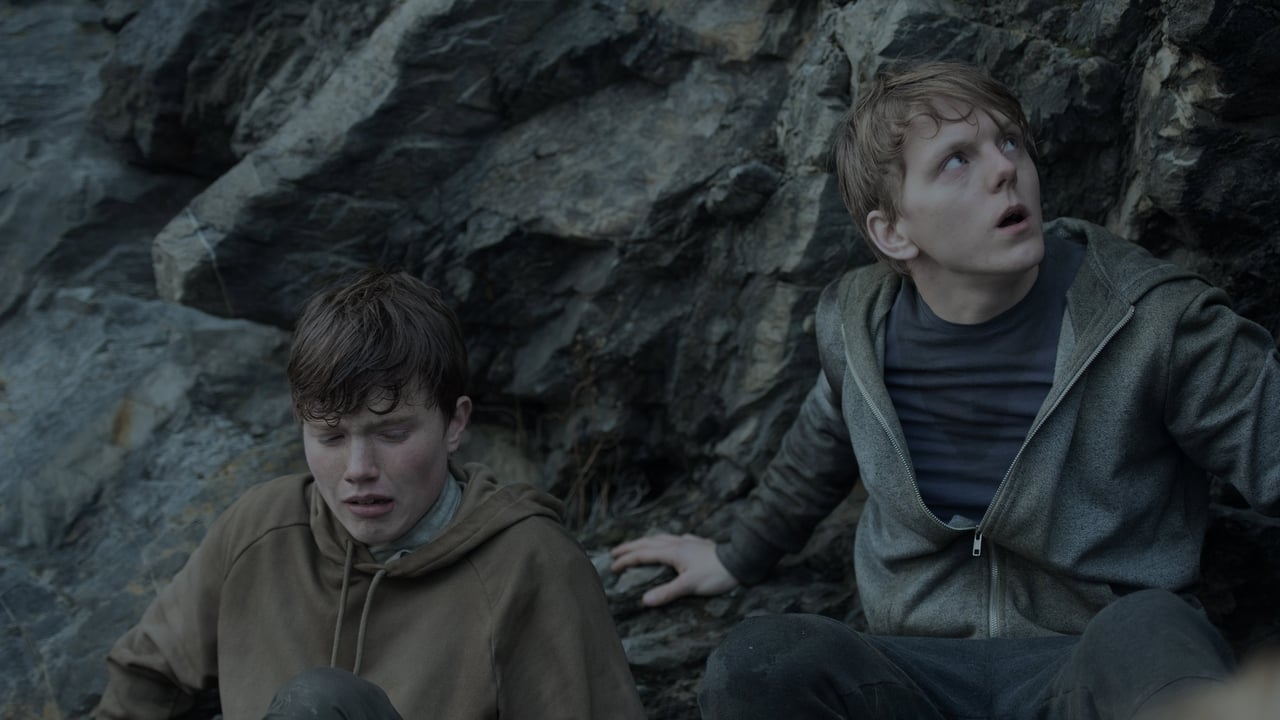
The film arrived in 2018, right as the world was grappling with a surge in far-right rhetoric and online radicalization. Because of that, 22 July feels less like a history lesson and more like a warning shot. It asks: How does a civilized society deal with someone who wants to burn the civilization down? The answer the film provides isn't a "brave heart" speech or a fistfight. It’s the slow, painful work of recovery and the stubborn insistence on the rule of law. This movie is basically a courtroom procedural that uses a tragedy as a Trojan horse to talk about the fragility of the West.
It isn't an easy watch. It’s long, it’s somber, and it’s emotionally draining. But in a contemporary landscape where we’re often saturated with "true crime" that exploits victims for cheap thrills, 22 July feels different. It feels responsible. It doesn’t try to understand the "why" of the killer—because there is no "why" that makes sense—it instead focuses on the "how" of the survivors. How do you keep going when the world stops making sense?
22 July is a heavy, necessary piece of filmmaking that proves Paul Greengrass can be just as effective when he’s standing still as when he’s running. It’s a film that respects its victims by focusing on their resilience rather than the killer's "mythology." I left it feeling hollow but weirdly hopeful, despite my neighbor’s best efforts to ruin the mood with his frantic ceiling-stomping. It’s a masterclass in how to tell a modern tragedy without losing your soul in the process.
Keep Exploring...
-
United 93
2006
-
Patriots Day
2016
-
Snowden
2016
-
Suburra
2015
-

Miss Sloane
2016
-

Detroit
2017
-
An Officer and a Spy
2019
-
Hotel Mumbai
2019
-

The Professor and the Madman
2019
-
November
2022
-
The Outfit
2022
-
Batman vs. Robin
2015
-
The Guilty
2018
-
Official Secrets
2019
-

The Traitor
2019
-
Escape from Pretoria
2020
-
The Courier
2020
-

Tetris
2023
-
News of the World
2020
-
The Accountant
2016