American Animals
"They didn't want to be ordinary."
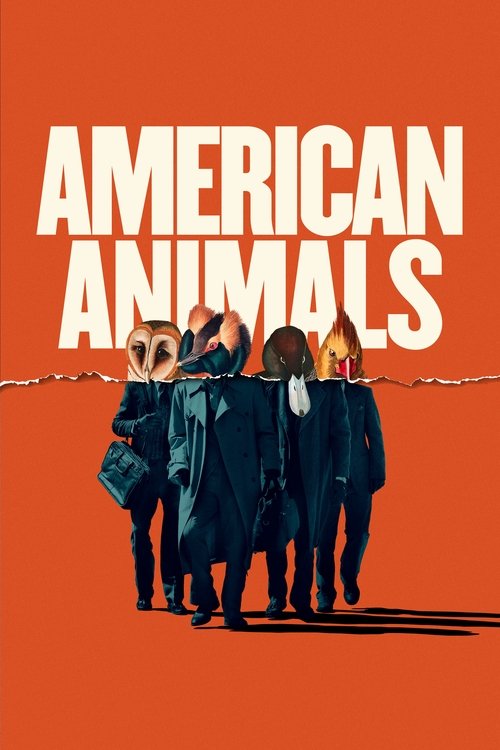
I’ve always nurtured a private theory that the most dangerous thing you can give a bored suburban teenager is a Criterion Channel subscription and a sense of entitlement. We all spend our twenties waiting for "the inciting incident"—that moment where the protagonist (us) is finally called to greatness. But what happens when the call never comes? If you’re the guys in American Animals, you decide to pick up the phone and dial the crime of the century yourself, even if you have no idea how to hold the handset.
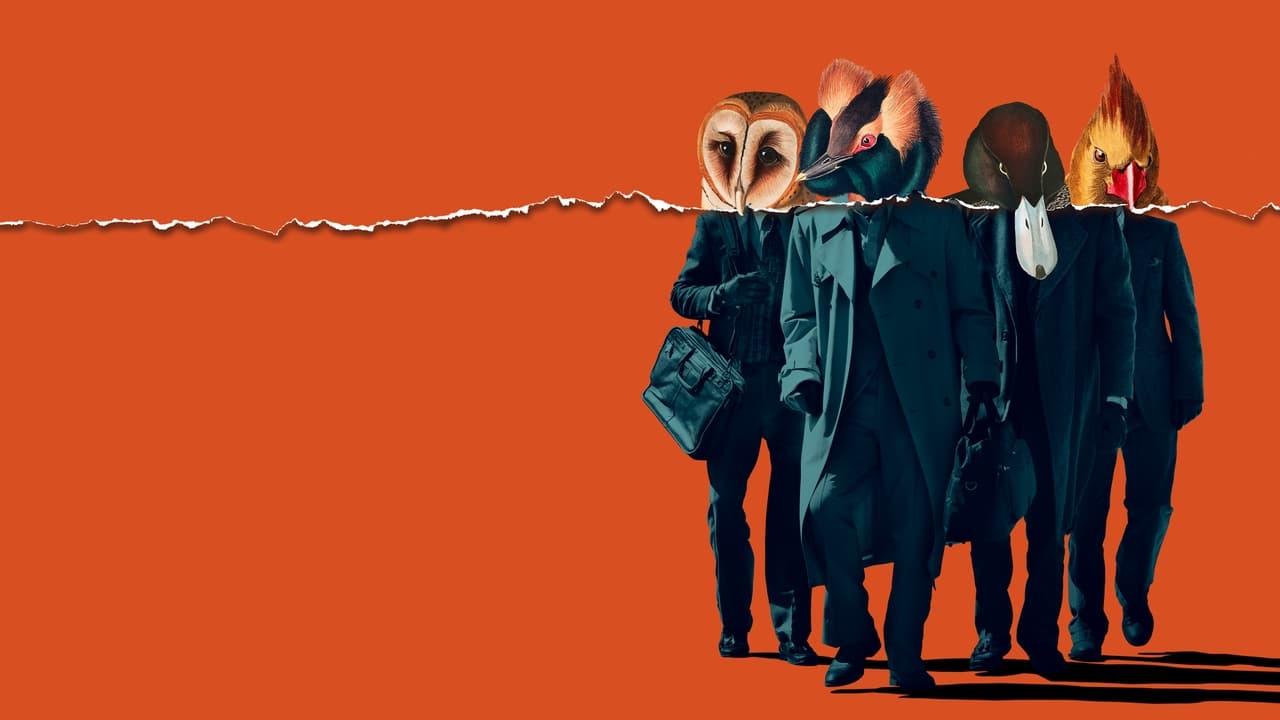
Released in 2018, right as the "true crime" boom was pivoting from sensationalist tabloids to prestige deconstructions, Bart Layton’s film feels like a cold glass of water to the face. It’s a heist movie, sure, but it’s also a savage autopsy of the "Main Character Syndrome" that defines our current era. I watched this for the third time last Tuesday while trying to ignore a persistent itch in my left ear caused by a stray Q-tip fiber, and it struck me just how much this film understands the desperation of wanting to feel significant.
The Ghost in the Machine
What makes American Animals an immediate standout in the crowded landscape of contemporary indie cinema is its structure. Bart Layton, who previously blew minds with the documentary The Imposter (2012), refuses to play by the standard "Based on a True Story" rules. Instead of just dramatizing the 2004 Transylvania University rare book heist, he weaves the actual, real-life perpetrators into the fabric of the film.
You’ll be watching Evan Peters—who is absolutely electric as the self-appointed visionary Warren Lipka—describe a meeting, only for the real Warren Lipka to appear on screen and contradict him. It’s a brilliant move that highlights the unreliability of memory and the way we narratize our own lives to make ourselves look cooler, or perhaps just less guilty. In an era where "fake news" and subjective truths dominate the discourse, seeing a film actively argue with itself about what actually happened feels incredibly vital. It’s not just a stylistic flourish; it’s the entire point.
A Masterclass in Misguided Ambition
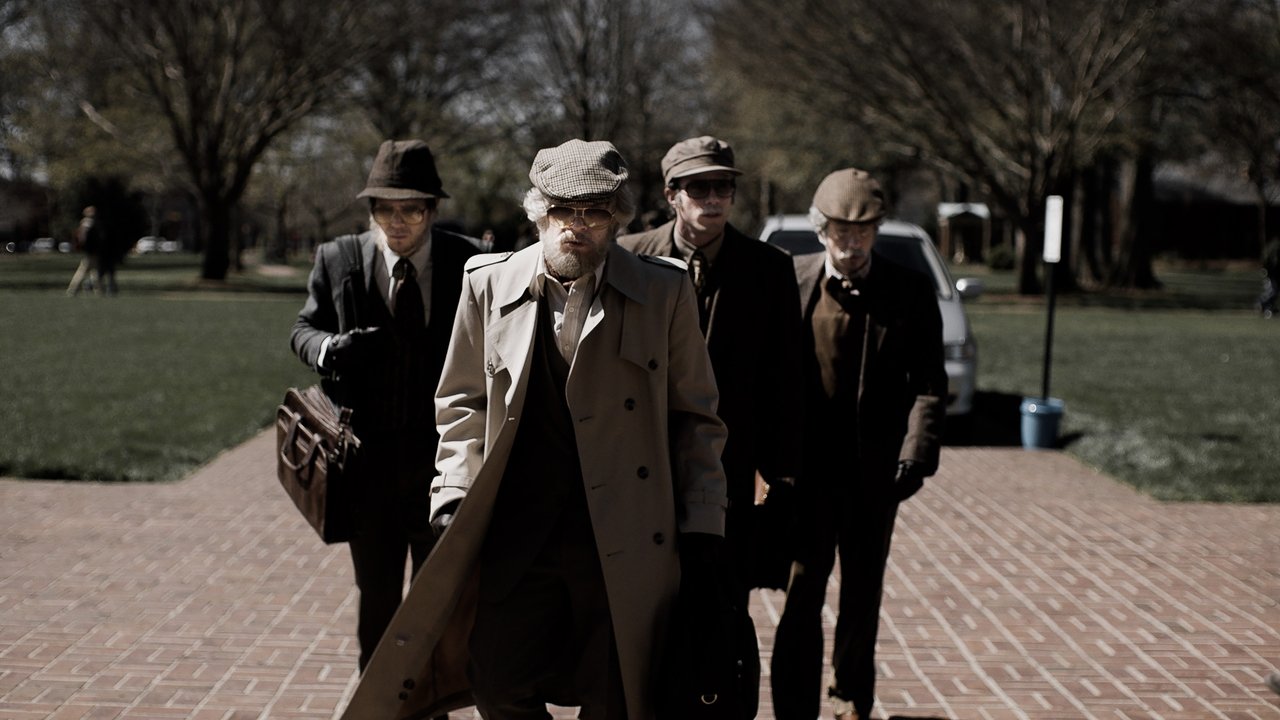
The cast here is a "who’s who" of talent that has since exploded. Barry Keoghan (who was equally unsettling in The Killing of a Sacred Deer) plays Spencer Reinhard with a quiet, soulful vacuity. He’s the artist who wants "the experience" of tragedy without actually wanting to suffer. Then you have Evan Peters, fresh off his X-Men (2014) speedster days, channeling a frantic, dangerous energy that feels like a pressurized steam pipe about to burst.
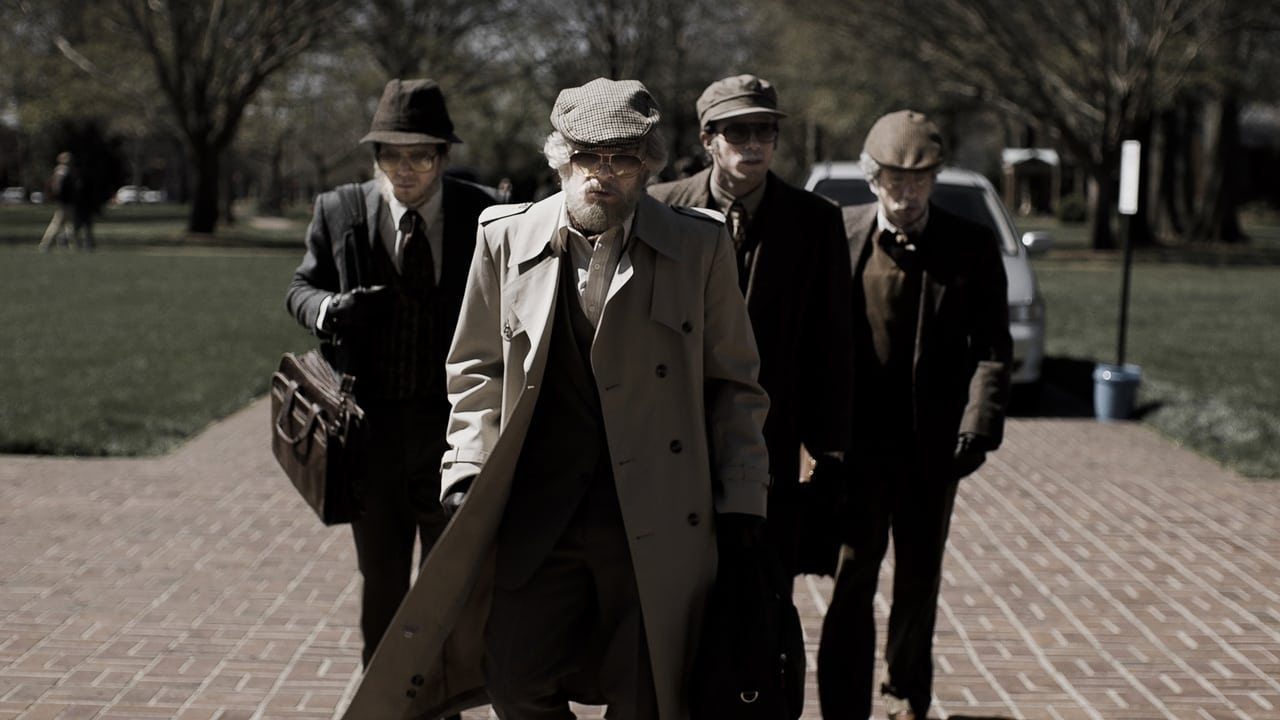
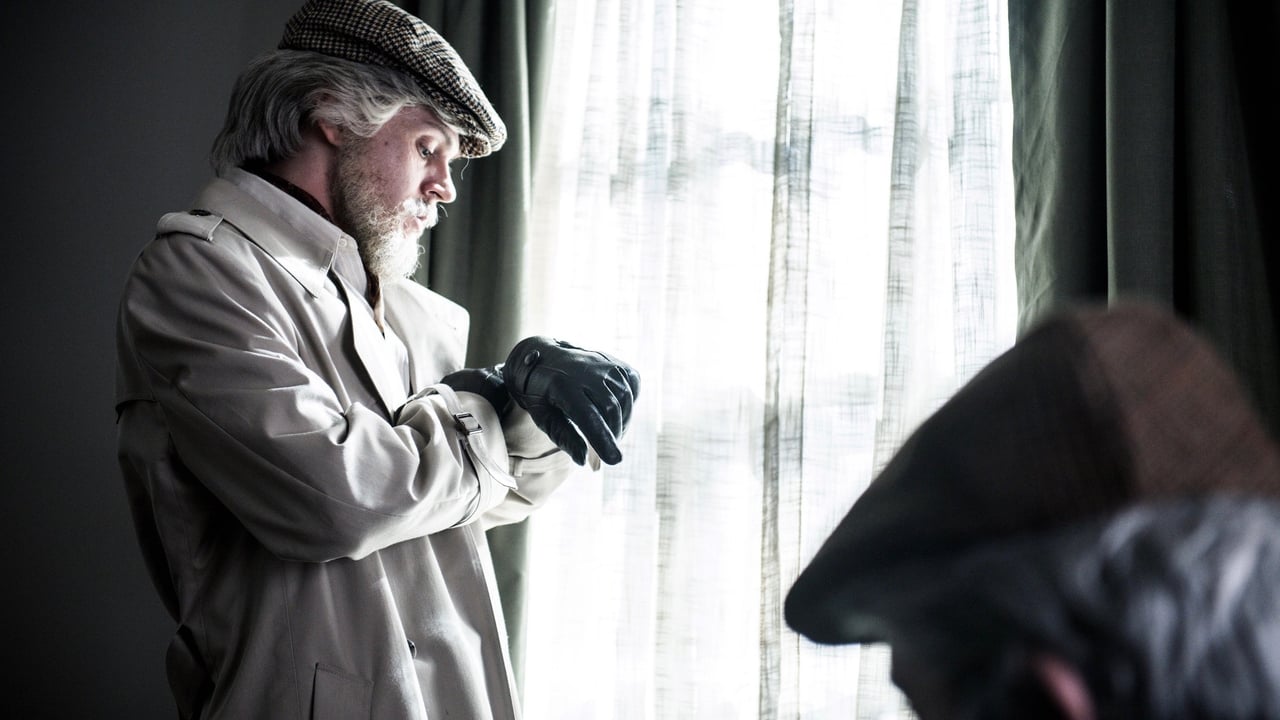
The chemistry between them is tragic. They aren't career criminals; they’re kids who have watched Ocean’s Eleven (2001) and Reservoir Dogs (1992) too many times. Watching them try to apply cinematic logic to a real-world robbery is like watching someone try to fly by flapping their arms really hard—it’s pathetic, hilarious, and ultimately devastating. When the heist finally happens, Layton strips away the cool soundtracks and slick editing. It is messy, loud, fumbled, and physically sickening. Ann Dowd—the patron saint of intense supporting roles—shows up as the librarian, and the shift in tone when she enters the scene is enough to give you whiplash. The fantasy of the "gentleman thief" evaporates, leaving only the ugly reality of a grandmother being tied up by some spoiled kids in bad old-man makeup.
The $3 Million Miracle
For a film made on a relatively modest $3 million budget, American Animals looks and feels like a prestige studio thriller. This is the hallmark of the modern indie gem: using limited resources to force creative storytelling. Because they couldn't afford massive set pieces, Layton focuses on the textures—the dusty silence of the library, the flickering blue light of a computer screen, the claustrophobia of a getaway car. Ole Bratt Birkeland’s cinematography manages to make Lexington, Kentucky look both mundane and mythological.

The trivia behind the shoot is just as fascinating. The real Spencer Reinhard actually provided his own sketches for the film, and the production was granted access to the actual university where the heist occurred—a rarity in a genre that usually has to faking locations. It’s also worth noting that the film didn't set the box office on fire, barely clawing back its budget. In the 2010s, if you weren't wearing a cape, you were fighting for air. But like many of the best films from the streaming transition era, its life began after the theatrical run, finding a cult audience on platforms where its "is-it-real-or-not" aesthetic could be paused and dissected.
American Animals is a cautionary tale for the "content" generation. It’s a reminder that the search for an "extraordinary" life often leads to a very ordinary prison cell. It’s stylish, smart, and deeply uncomfortable in all the right ways. If you’ve ever felt like your life was a movie waiting to start, watch this—it might just make you grateful for a boring Tuesday afternoon.
I particularly love how the film refuses to give these guys a heroic exit. There is no glory here, just the lingering realization that they broke their lives for some books they didn't even know how to sell. It’s the definitive heist movie for an era of bruised egos and social media envy. Go watch it, then maybe go for a walk and appreciate the fact that nobody is chasing you.
Keep Exploring...
-
Good Time
2017
-
Emily the Criminal
2022
-
The Exorcism of God
2022
-

Les Misérables
2019
-

Woman of the Hour
2024
-
Batman vs. Robin
2015
-
Black Mass
2015
-
Dope
2015
-
Mr. Holmes
2015
-
True Story
2015
-
Hail, Caesar!
2016
-
Hell or High Water
2016
-
Imperium
2016
-
Jack Reacher: Never Go Back
2016
-
Patriots Day
2016
-
Snowden
2016
-
The Accountant
2016
-
The Infiltrator
2016
-
War Dogs
2016
-
American Made
2017