Anon
"Your eyes are the ultimate crime scene."
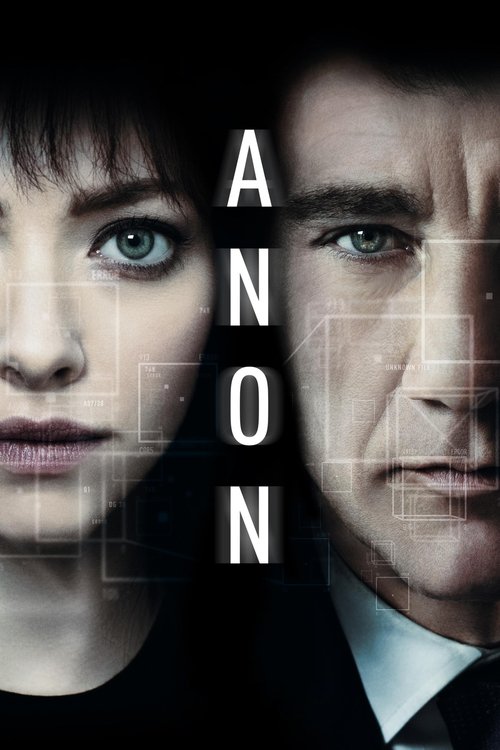
If you’ve ever felt like your phone was listening to you talk about buying a specific brand of artisanal pickles only to see an ad for those very pickles five minutes later, you’ve already experienced the mild horror of Anon. Directed by Andrew Niccol, the man who basically predicted our obsession with reality TV in The Truman Show and our obsession with genetic perfection in Gattaca, this 2018 thriller takes the concept of "data privacy" and turns it into a high-tech noir nightmare. I watched this on my laptop while eating a bowl of cereal that had gone slightly soggy, and there was something about the crunch-less texture of my breakfast that perfectly matched the sterile, hushed atmosphere of this film.
The Glass House of the Soul
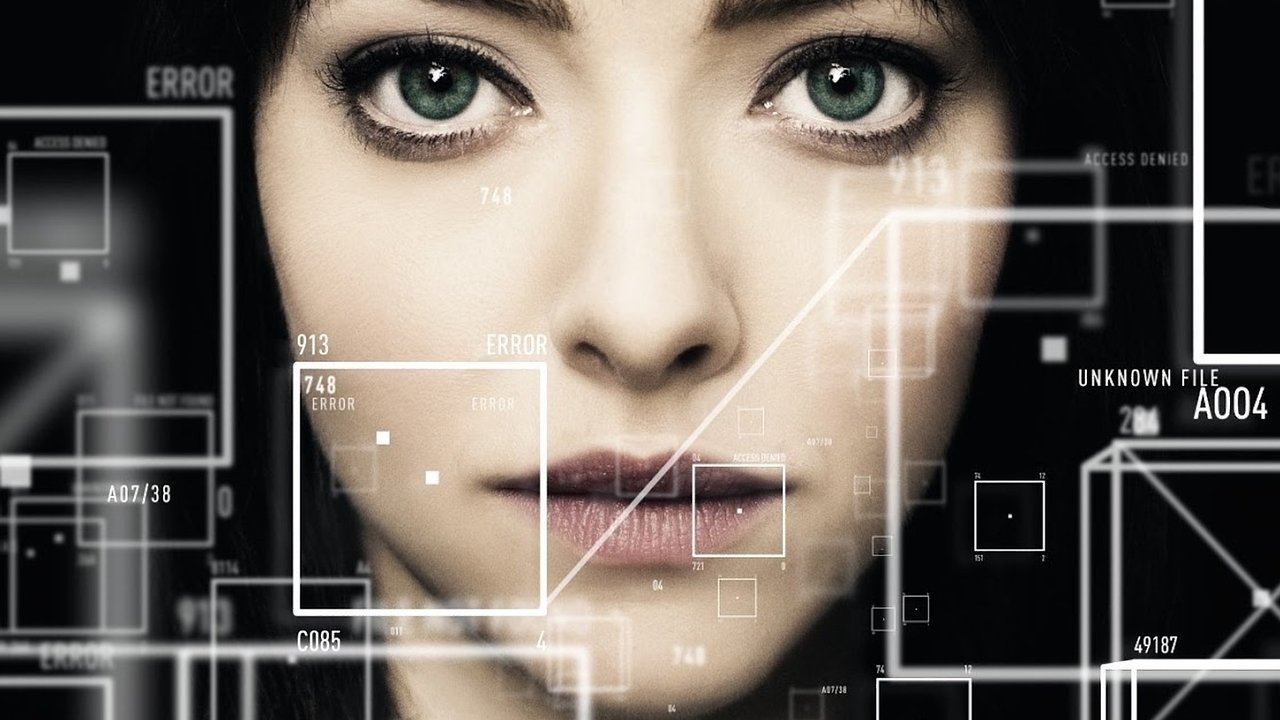
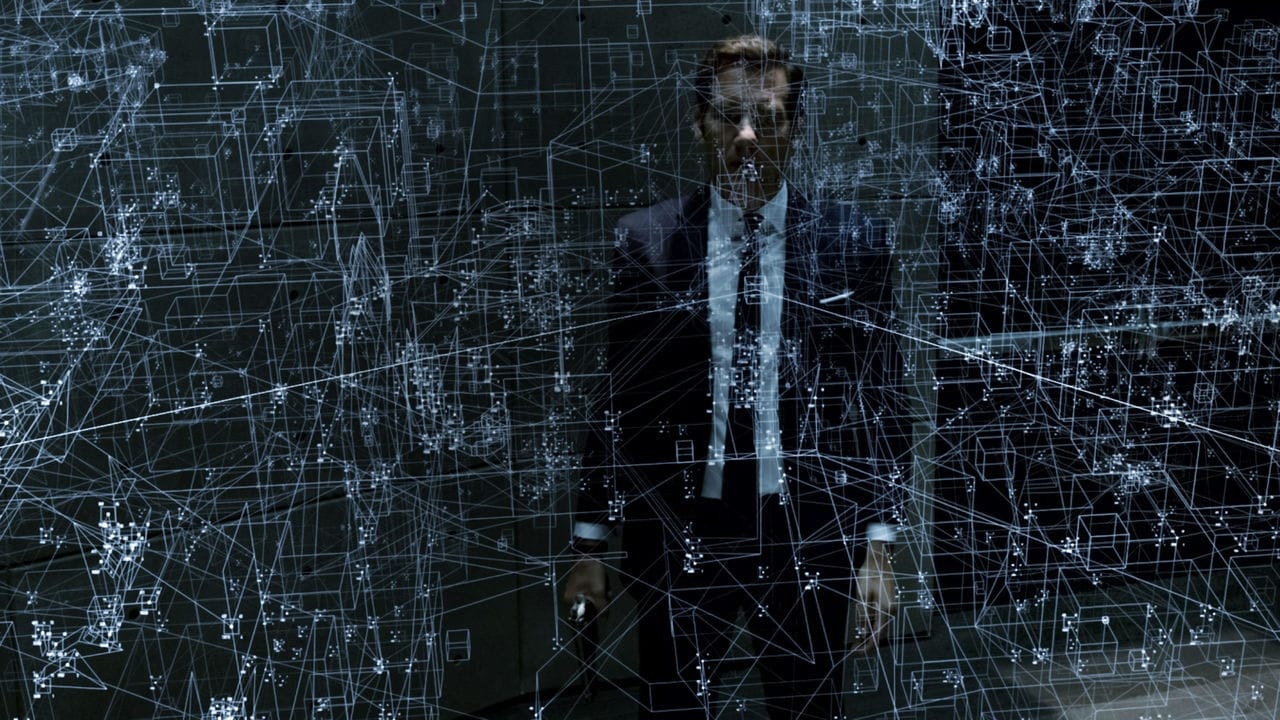
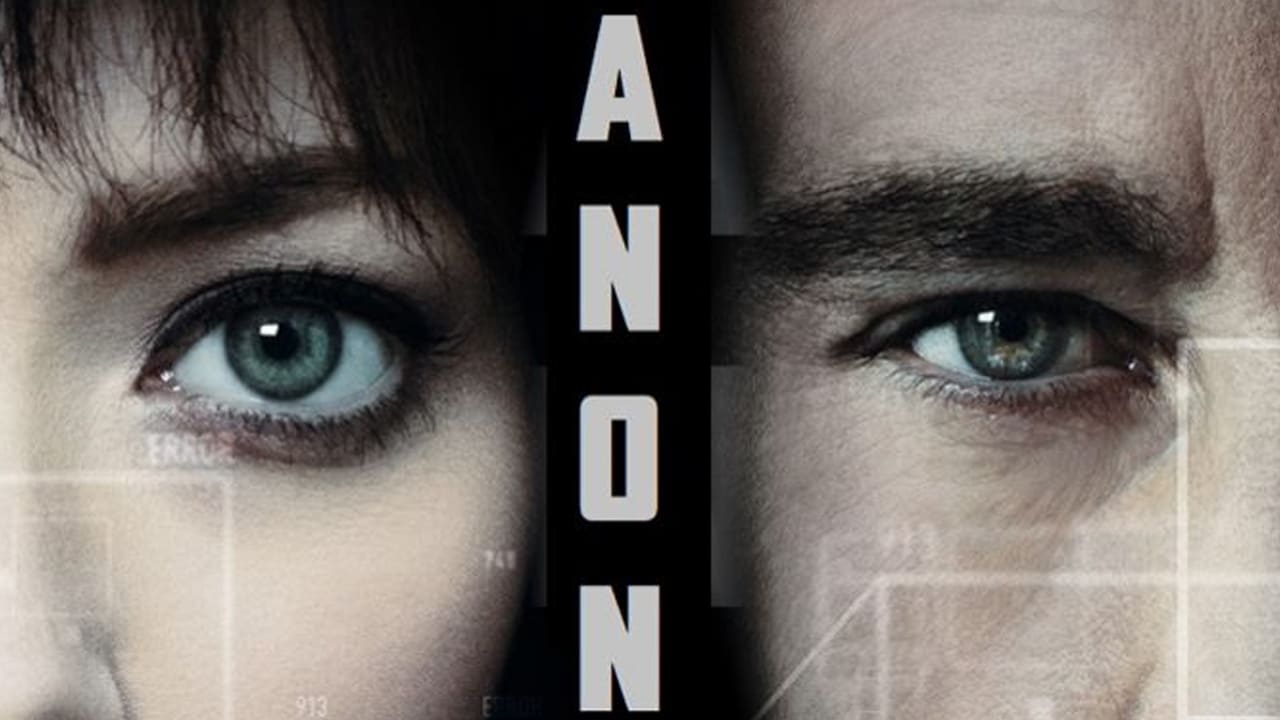
The world of Anon is one where the "Inner Eye" has replaced the smartphone. Everyone has an augmented reality overlay—called the Ether—recording everything they see, 24/7. It’s a detective’s dream. Clive Owen plays Sal Frieland, a weary investigator who solves crimes by simply pulling up the digital "cloud" of a victim’s memories and watching the murder from their perspective. It’s efficient, it’s cold, and it’s meant to be the end of crime. After all, how can you kill someone when your own eyeballs are the primary witness?
But, as any IT professional will tell you, if there’s a system, there’s someone who knows how to break it. Sal encounters a woman, known only as "The Girl" (Amanda Seyfried), who has no digital footprint. She is a literal ghost in the machine, a professional "deleter" who can hack the Ether to erase memories or, more terrifyingly, change what people are seeing in real-time. Clive Owen plays Sal with that specific brand of rumpled, chain-smoking melancholy he perfected in Children of Men, looking like a man who desperately needs a nap and a digital detox.
Apple Store Noir
Andrew Niccol has a very specific aesthetic. If you’ve seen his other work, you know the drill: lots of concrete, brutalist architecture, and clothes that look like they were designed by a high-end Scandinavian architect who hates buttons. Anon is gorgeous to look at, provided you like the color grey. The cinematography by Amir Mokri uses the first-person HUD (Heads-Up Display) to show us how these characters navigate the world, tagging every passerby with their name, age, and profession.
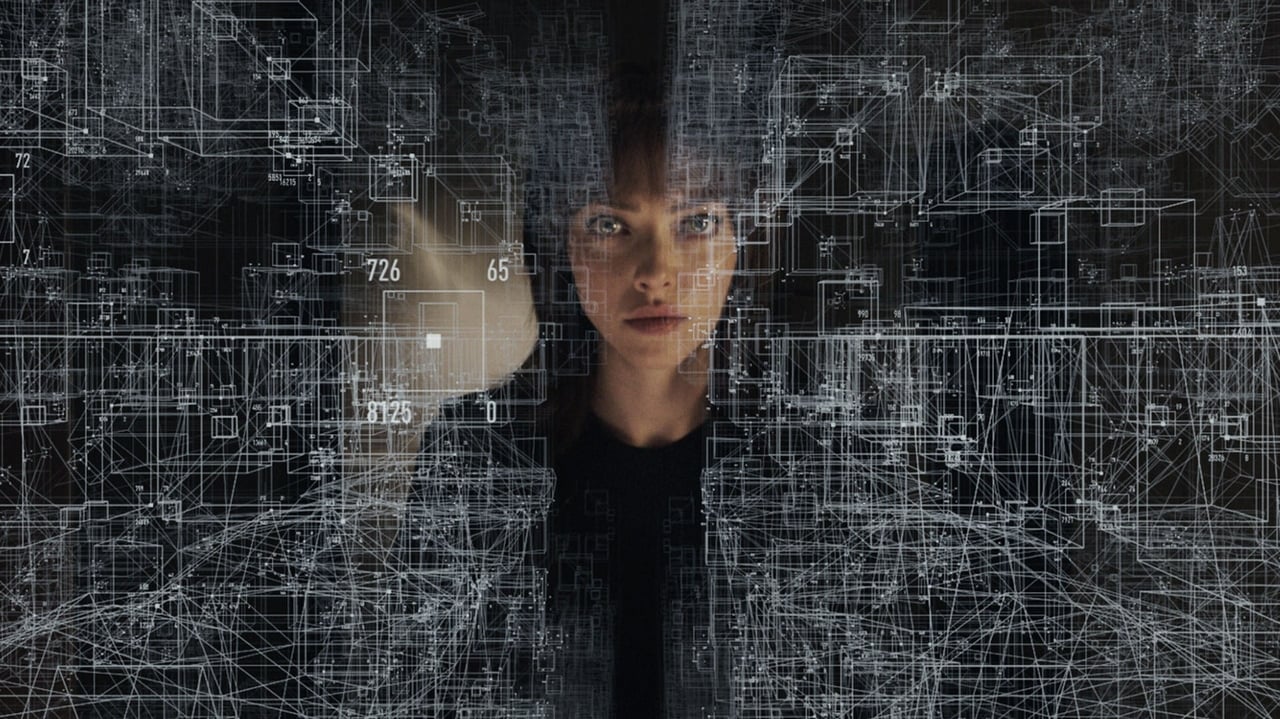
It’s an interesting gimmick, but it eventually feels a bit like watching a feature-length tutorial for a version of Google Glass that nobody actually bought. The real tension kicks in when the killer starts hacking Sal’s own vision. There’s a genuinely unsettling sequence where Sal is walking down a hallway and the killer replaces his sight with a feed of a completely different room. It’s the ultimate "What is reality?" moment, but the film often chooses to pivot back into a standard police procedural rather than leaning into the psychedelic possibilities of losing control over your own senses.
A Victim of the Streaming Flood
In the current era of cinema, Anon is a classic example of the "Lost in the Algorithm" phenomenon. Despite having two major stars and a visionary director, the film was released on Netflix in most territories after a very limited theatrical run. It’s the kind of movie that exists in a strange limbo—too smart to be a mindless action flick, but perhaps too clinical to become a viral sensation. It lacks the "water cooler" punch of a Black Mirror episode, even though it’s playing in the exact same sandbox.
The budget was roughly $20 million, which shows in the polished visual effects, but the box office return was a measly $1.2 million. That’s the reality of the streaming era: a film can be seen by millions on a Friday night but feel like it never existed by Monday morning. It’s a bit ironic for a movie about the struggle to remain anonymous; Anon itself has become somewhat anonymous in the vast sea of content. I also noticed Colm Feore popping up as Sal's boss, Charles Gattis. He's an actor who seems to have a permanent contract to play "stern man in a suit," and he’s predictably solid here, providing the necessary gravity to a plot that sometimes feels as thin as a fiber-optic cable.
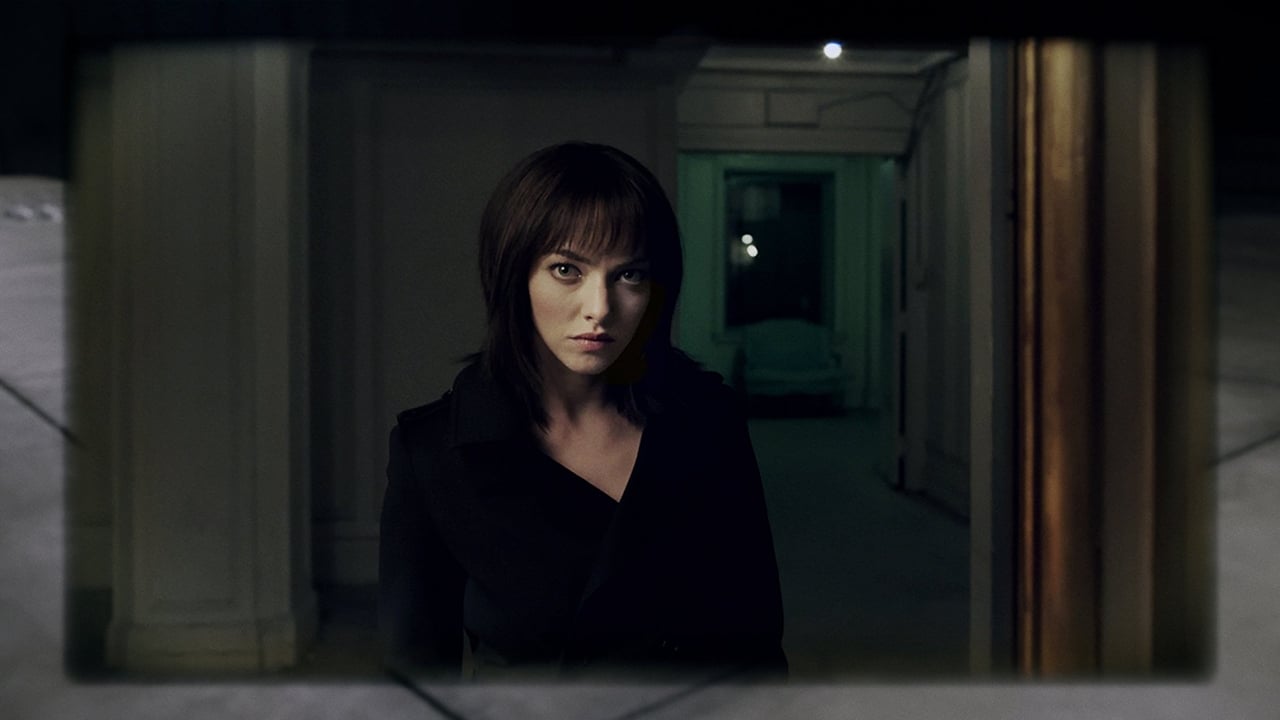
Ultimately, Anon is a fascinating "what-if" that gets a bit bogged down in its own somber mood. I appreciated the ideas—the notion that privacy is actually a vital human need, not just a luxury—but the execution is so stripped-back that it occasionally forgets to be a thriller. It’s a "vibe" movie, a digital noir that works best if you’re in the mood for something quiet, reflective, and slightly depressing. It didn't change my life, but it did make me want to put a piece of tape over my webcam for a few hours.
If you’re a fan of Andrew Niccol’s previous work or you just enjoy watching Clive Owen look perpetually disappointed in the future, it’s worth a look. Just don't expect it to hack your brain and leave a lasting impression. It’s a sleek, well-made distraction that, much like the digital footprints it depicts, is destined to be overwritten by the next big release in your queue.
Keep Exploring...
-
Secret in Their Eyes
2015
-
Survivor
2015
-
Suburbicon
2017
-
The Discovery
2017
-
Color Out of Space
2020
-

Dark Places
2015
-
2:22
2017
-
Crooked House
2017
-
Everybody Knows
2018
-
Hotel Artemis
2018
-
Mute
2018
-
Hypnotic
2023
-
Luther: The Fallen Sun
2023
-

Reptile
2023
-
The Girl in the Fog
2017
-
Terminal
2018
-
In Time
2011
-
The Girl on the Train
2016
-
Kin
2018
-
The Woman in the Window
2021