Aquaman
"Ride the tide of glorious, neon-soaked madness."

For decades, the cultural consensus on Arthur Curry was that he was the guy who rode a seahorse and talked to tuna—the punching bag of the Super Friends era. If you told a comic book fan in 2005 that the first DC character to out-earn the Dark Knight at the global box office would be the king of fish, they’d have assumed you’d spent too much time huffing underwater exhaust. Yet, here we are. James Wan’s Aquaman didn't just break the "lame" stigma; it shattered it with a trident made of pure, unadulterated maximalism.
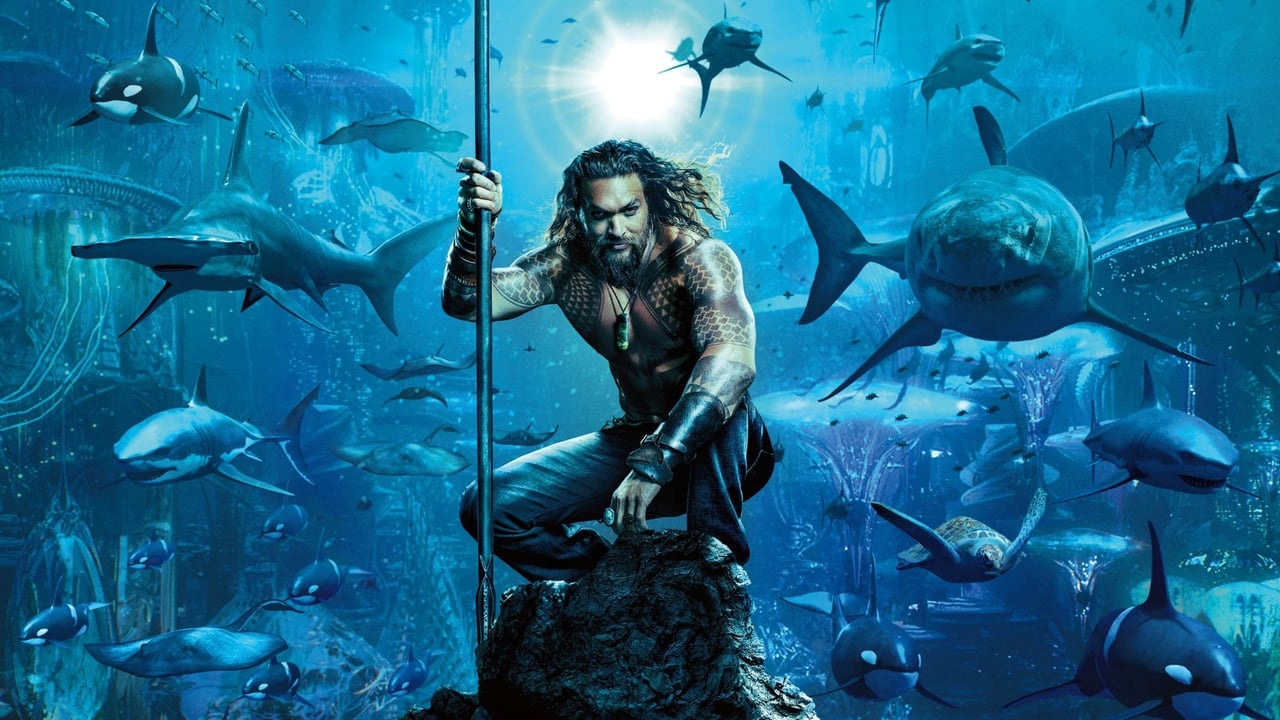
I watched this film for the third time while nursing a mild case of food poisoning from a questionable shrimp cocktail—the irony was not lost on me—and even through a haze of nausea, the sheer "more-is-more" energy of this movie is impossible to ignore. It is a film that refuses to blink, a wet, neon-soaked version of Star Wars that traded lightsabers for sea dragons and John Williams for a pulsing, synth-heavy score by Rupert Gregson-Williams.
The Guy Who Talks to Fish
At the center of this swirling vortex of CGI is Jason Momoa. Casting him was a masterstroke of subversion. By leaning into Momoa’s "surfer-bro-who-can-bench-press-a-truck" energy, the film sidesteps the character's inherent silliness by making the actor the loudest, most charismatic presence in the room. He plays Arthur not as a brooding monarch, but as a guy who is genuinely annoyed he has to save the world when there’s beer to be drank with his dad.
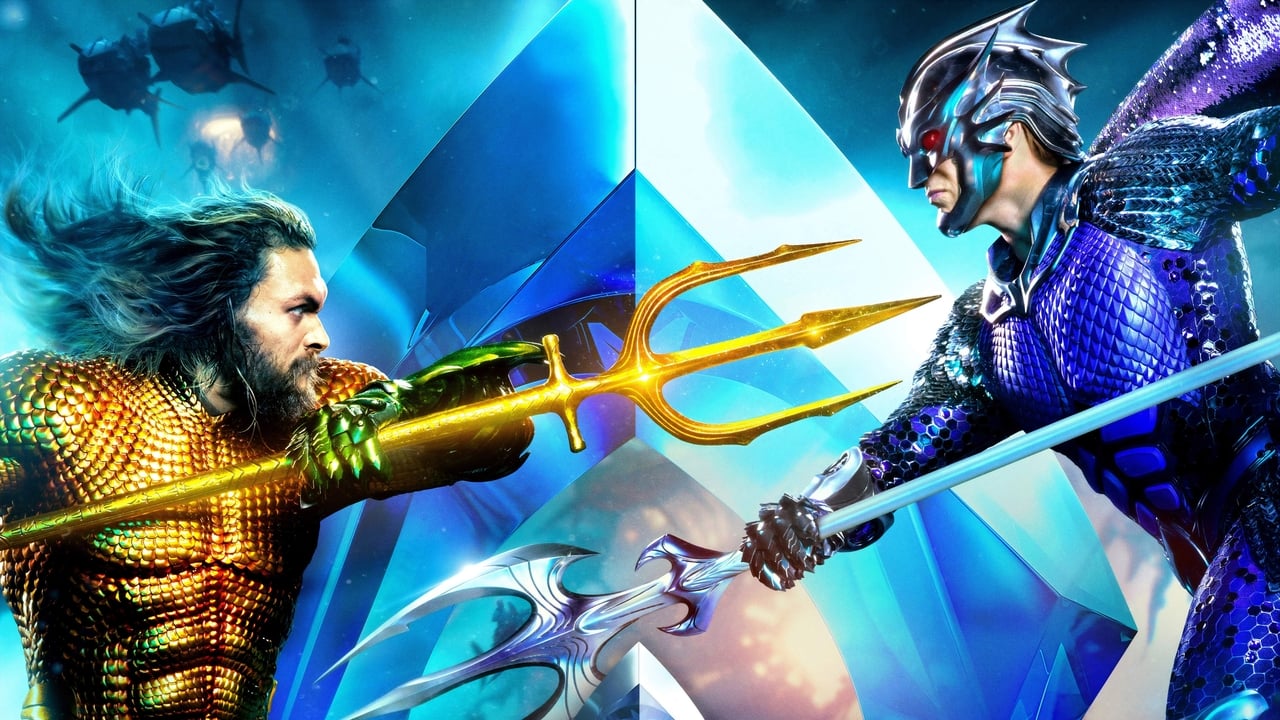
Opposite him, Amber Heard as Mera serves as the necessary straight-person to Arthur’s chaos, though her chemistry with Momoa is often more "grudging siblings" than "epic romance." But the real fun lies in the supporting cast. Willem Dafoe is surprisingly grounded as the mentor Vulko, while Patrick Wilson leans into the operatic villainy of King Orm with every fiber of his being. Wilson understands exactly what kind of movie he’s in; he delivers lines about "the surface world" with a Shakespearean gravity that makes the fact that he’s wearing a purple cape underwater feel almost normal.
James Wan’s Neon Nightmare
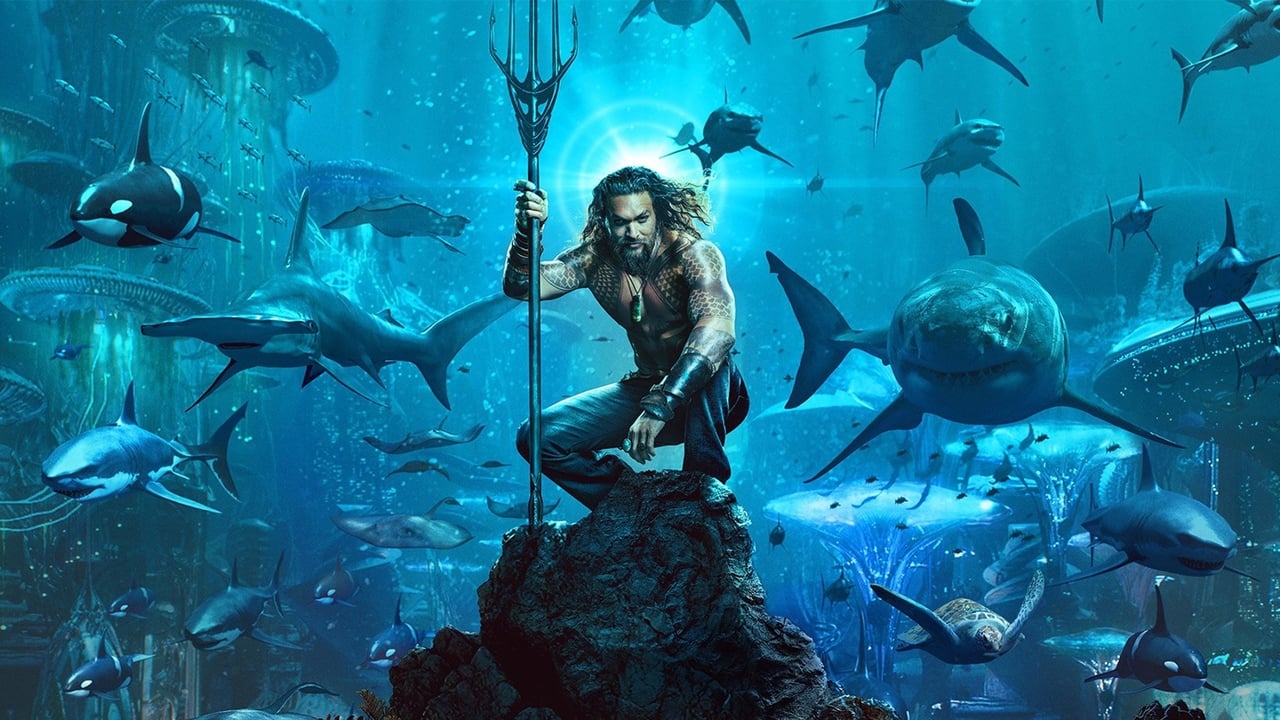
What sets Aquaman apart from the generic superhero sludge of the late 2010s is James Wan’s direction. Wan came from the world of low-budget horror (Saw, The Conjuring), and you can see that DNA everywhere. The sequence involving "The Trench"—where Arthur and Mera are swarmed by horrific, deep-sea monsters—is easily the best-directed moment in the modern DC filmography. It’s creepy, visually distinct, and uses lighting in a way that feels genuinely cinematic.
The action choreography is equally impressive. Wan loves a long, sweeping camera movement that tracks characters through multiple rooms or across rooftops. The Sicily chase is a standout, featuring a sequence where the camera follows Mera as she runs across ceramic tiles while simultaneously tracking Arthur fighting Black Manta. It’s clear, kinetic, and avoids the "shaky-cam" confusion that plagues so many contemporary blockbusters. It feels like Wan is playing with a $160 million toy box and is determined to show us every single thing he bought.
A Billion-Dollar Splash
The scale of the success here is hard to overstate. With a global haul of $1.15 billion, Aquaman became the highest-grossing DC film of all time—unadjusted for inflation—beating out even The Dark Knight Rises. It captured a cultural moment where audiences were perhaps a bit tired of the "grimdark" aesthetic and wanted a superhero movie that looked like a Lisa Frank folder come to life.
There’s a legendary bit of trivia that Nicole Kidman—who plays Atlanna—did her own opening fight sequence in a single, complex take. Seeing an Oscar winner dive through a living room wall to spear a futuristic commando is the kind of high-budget insanity that makes blockbuster cinema worth the price of admission. Despite the massive budget, the film felt like a gamble. It’s a movie that features Dolph Lundgren riding a giant seahorse and an octopus playing the drums during a gladiatorial match. In an era of focus-grouped franchises, shoving a guitar-playing octopus into a $200 million movie feels like a rebellious act.
Ultimately, Aquaman succeeds because it isn't ashamed of itself. It embraces the weirdness of its mythology and wraps it in the most expensive, visually stunning package possible. Is the dialogue clunky? Absolutely. Is the plot a standard "hero's journey" that you could predict from the first five minutes? Yes. But as a piece of pure spectacle, it’s a triumph. It’s a film that asks you to turn off the cynical part of your brain and just enjoy the sight of a man in gold scales riding a prehistoric shark into battle. Sometimes, that's exactly what the surface world needs.


Keep Exploring...
-
Aquaman and the Lost Kingdom
2023
-
A Minecraft Movie
2025
-
Batman v Superman: Dawn of Justice
2016
-
Doctor Strange
2016
-

Suicide Squad
2016
-
X-Men: Apocalypse
2016
-

Jumanji: Welcome to the Jungle
2017
-

Kong: Skull Island
2017
-
Pirates of the Caribbean: Dead Men Tell No Tales
2017
-

Wonder Woman
2017
-

Doctor Strange in the Multiverse of Madness
2022
-

The Northman
2022
-
Furious 7
2015
-

The Great Wall
2016
-

Kung Fu Panda 4
2024
-

The Conjuring 2
2016
-

Mortal Kombat
2021
-
The Last Witch Hunter
2015
-

The Legend of Tarzan
2016
-

Warcraft
2016