At Eternity's Gate
"To See the World in Yellow"
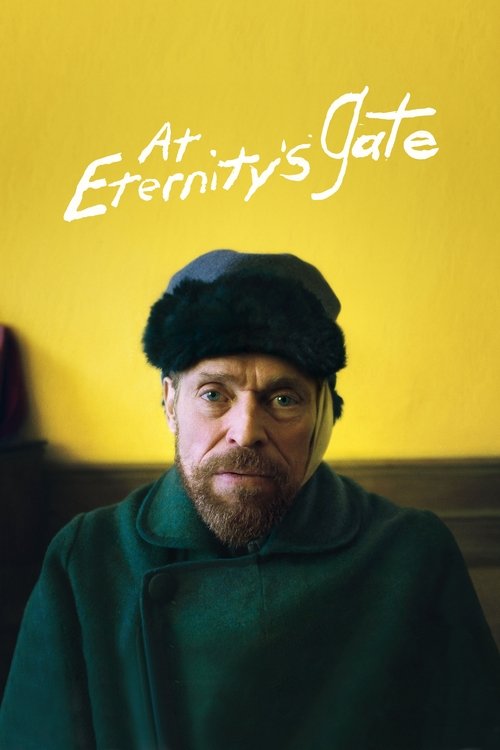
If you’ve ever stared at a Van Gogh painting and wondered if the man was actually seeing the world in vibrating waves of gold and blue, Julian Schnabel has an answer for you. At Eternity’s Gate isn't a movie you watch; it’s a movie you inhabit, often uncomfortably. I watched this on my laptop while a fly kept buzzing around my head, and honestly, the annoyance of the fly felt like a perfect 4D extension of Vincent’s mounting frustration with the world.

For a long time, the "artist biopic" followed a very safe, very boring formula: artist is poor, artist is crazy, artist dies, art becomes expensive. Schnabel—who is a world-renowned painter himself—decided to set that formula on fire. Released in 2018 during a moment when cinema was pivoting hard toward "experiential" storytelling (think Roma or The Favourite), this film cares less about the dates on a timeline and more about the dirt under Vincent’s fingernails.
The Face That Launched a Thousand Brushes
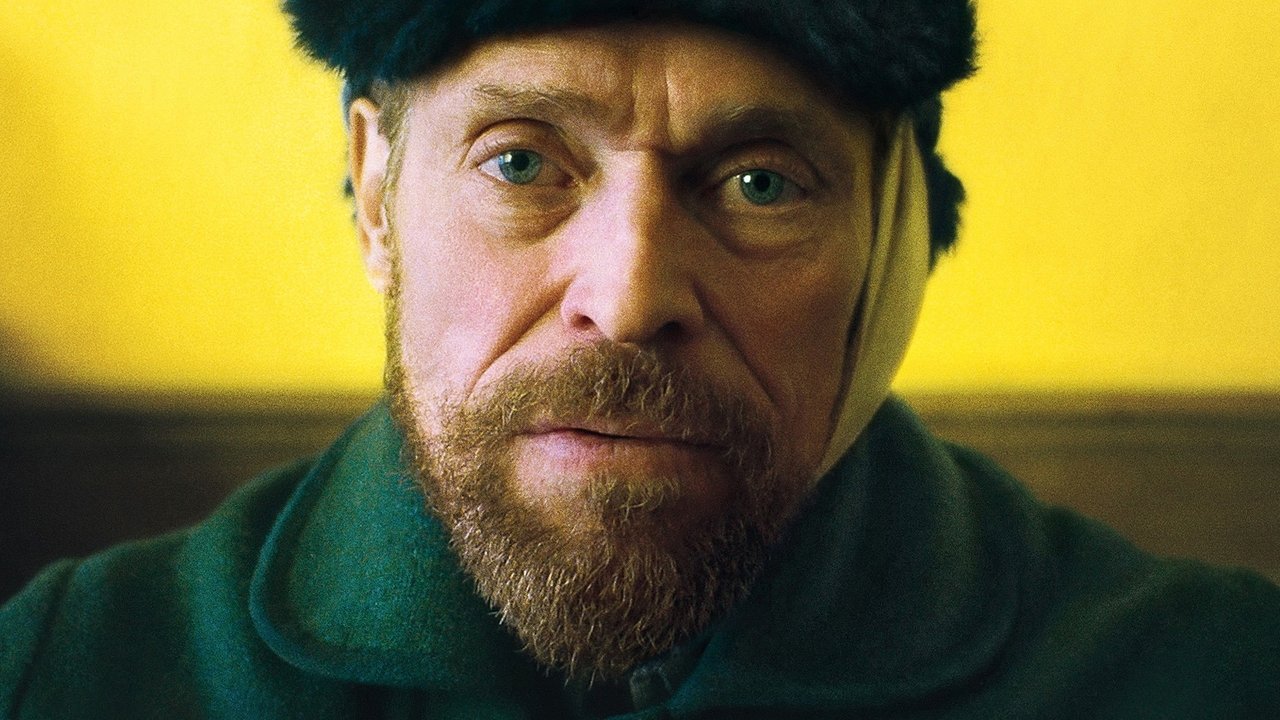
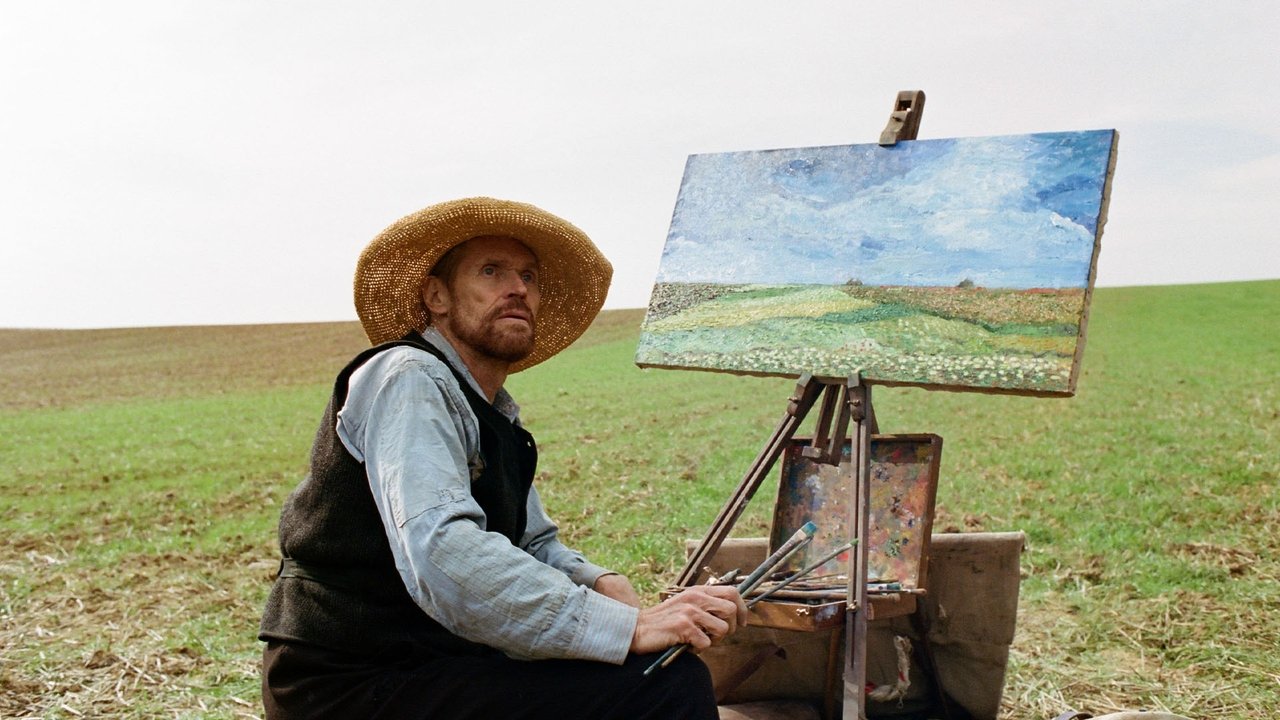
The first thing we have to talk about is Willem Dafoe. By 2018, we already knew Dafoe was a god-tier actor, but his performance here is something else entirely. There was some social media chatter at the time about the age gap—Vincent died at 37, and Dafoe was 62 during filming—but once the camera settles on his face, that conversation dies. Dafoe’s face is a topographical map of human sorrow, and he plays Vincent not as a "tortured genius" cliché, but as a man who is simply overwhelmed by the beauty of a sunset.
The supporting cast is equally sharp. Oscar Isaac shows up as Paul Gauguin, and their relationship is the emotional anchor of the film. It’s not a bromance; it’s a collision of two egos who speak different languages of light. Isaac plays Gauguin with a slick, almost arrogant modern energy that contrasts perfectly with Dafoe’s trembling sincerity. When they argue about painting "from nature" versus "from the mind," you realize you’re watching the birth of modern art in a dusty room in Arles. We even get a brief, haunting appearance by Mads Mikkelsen as a priest who tries (and fails) to wrap his head around Vincent’s theology.
A Concussion for the Senses
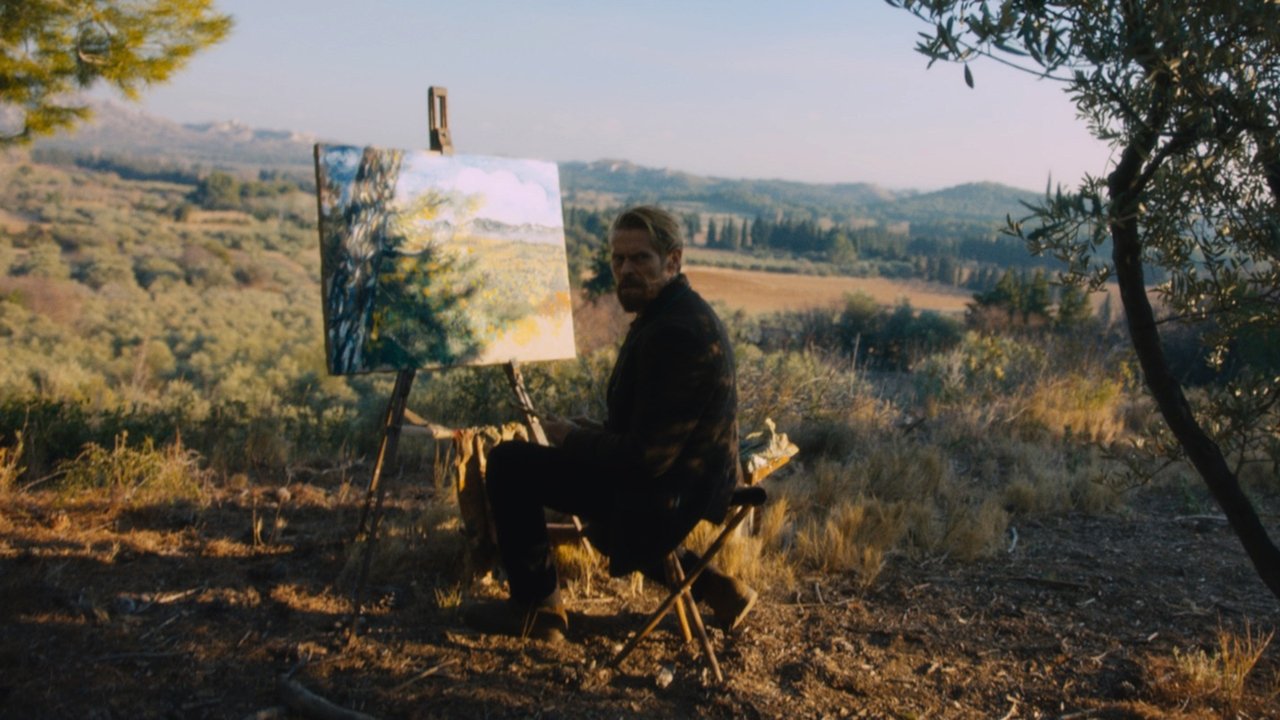
Now, a warning: the cinematography by Benoît Delhomme is polarizing. If you’re prone to motion sickness, you might want to keep a ginger ale handy. The camera is rarely still. It’s handheld, frantic, and often uses a split-diopter lens that keeps both the foreground and background in focus, creating a disorienting, hyper-real look.
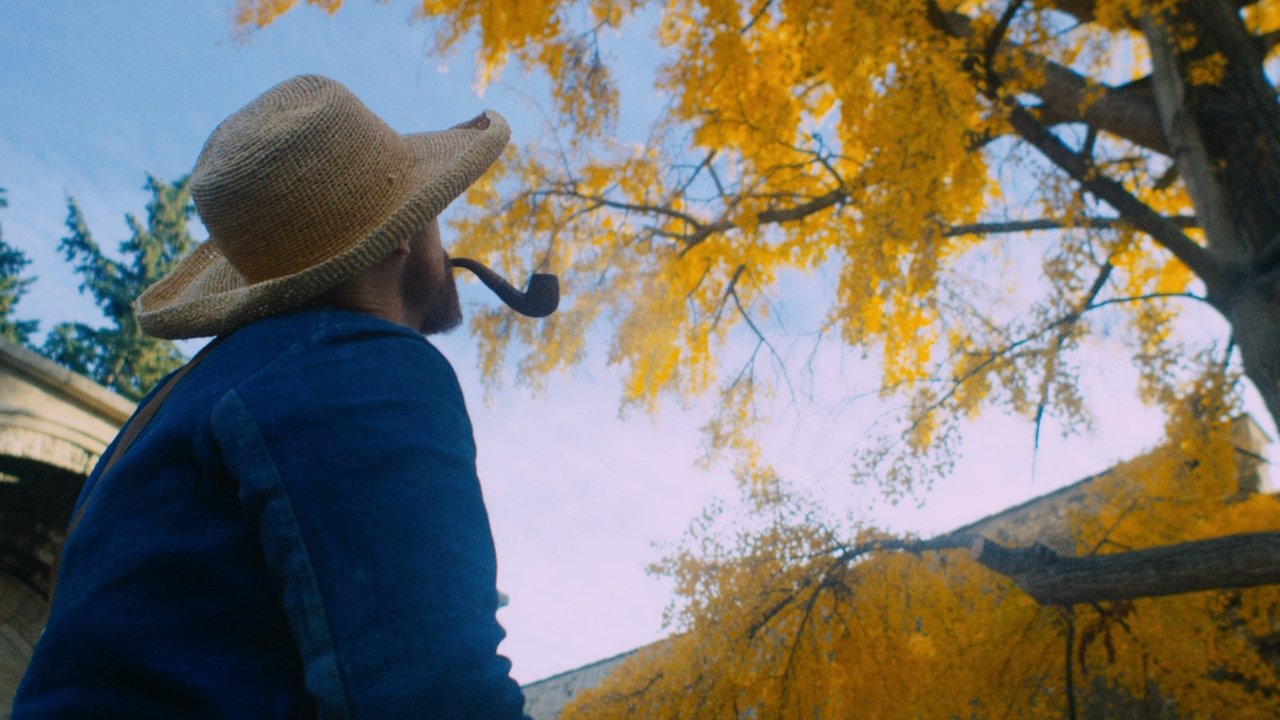
Schnabel and Delhomme used yellow filters so aggressively that the screen practically glows. It’s a bold choice that mirrors Vincent’s obsession with the color, but it’s also a reflection of the "Contemporary Cinema" era's obsession with digital manipulation to achieve a specific "vibe." Unlike the clean, de-aged CGI of the MCU movies coming out the same year, At Eternity’s Gate feels tactile and messy. It’s a movie that smells like turpentine and wet grass.
There’s a sequence where Vincent just walks through a field, and the camera follows him so closely you can almost feel the wind. It’s long, it’s quiet, and it would never survive a studio executive’s "pacing" notes. But in this era of streaming dominance, where films like this often find their second life on platforms like Netflix after a brief theatrical run, these "slow cinema" moments are what make it stand out from the noise of franchise fatigue.
Stuff You Didn't Notice
One of the coolest details about the production is that Schnabel actually taught Willem Dafoe how to paint. That’s not a stunt—many of the hands you see painting on screen are Dafoe’s actual hands. He wasn't just miming the brushstrokes; he was making the marks. There’s a scene where he paints a pair of old boots, and you can see the genuine concentration on his face. It’s one of the few times a movie about an artist actually feels like it understands the labor involved in the craft.
The film also incorporates a controversial "lost" sketchbook of Van Gogh's that was "discovered" in 2016. While many art historians claim the book is a fake, Schnabel uses it as a key narrative device. It’s a very 2018 move—weaving "fake news" or disputed history into a narrative to see what truths it might unlock. Whether the book is real or not doesn't matter as much as what it represents: our desperate, ongoing need to find something new in a man we’ve already mythologized to death.
At Eternity’s Gate is a rare bird. It manages to take one of the most famous figures in history and make him feel like a stranger again. It’s not always an easy watch—the shaky camera and the unrelenting sadness can be a lot—but it’s a profound look at what it means to see the world differently. If you’re tired of biopics that feel like a laundry list of achievements, give this one a spin. Just be prepared to see the color yellow in a whole new way when the credits roll.
Keep Exploring...
-
The Diving Bell and the Butterfly
2007
-
An Officer and a Spy
2019
-
The Siege of Jadotville
2016
-
The Aeronauts
2019
-
Elle
2016
-
See You Up There
2017
-
Anomalisa
2015
-
Batman vs. Robin
2015
-

Beasts of No Nation
2015
-

Colonia
2015
-
Dope
2015
-
Equals
2015
-

Far from the Madding Crowd
2015
-

Max
2015
-
McFarland, USA
2015
-
Mr. Holmes
2015
-

Pawn Sacrifice
2015
-

The Stanford Prison Experiment
2015
-
Trumbo
2015
-
While We're Young
2015