Avengers: Infinity War
"A cosmic tragedy disguised as a blockbuster that actually let the bad guy win."
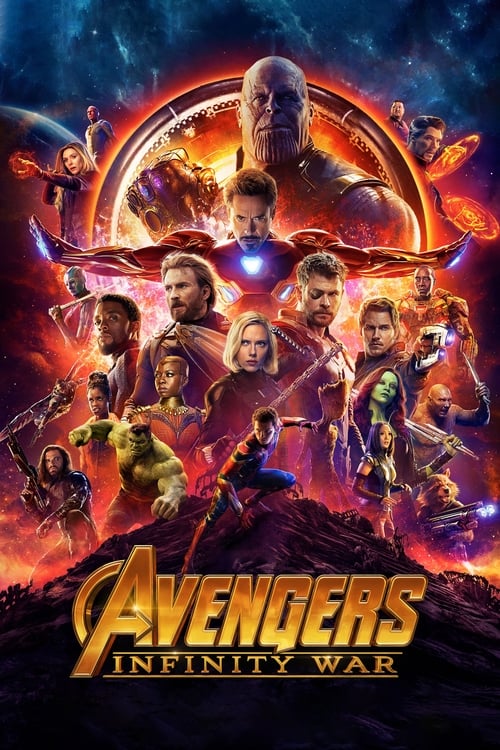
I remember watching this while nursing a slightly lukewarm cherry ICEE that turned my tongue a shade of purple that weirdly matched the villain’s complexion. The theater was packed, the air smelled like over-salted butter, and there was this palpable, nervous electricity. We had spent a decade watching these heroes win, and deep down, I think we all expected another last-minute save. Instead, the credits rolled in total, suffocating silence. You could hear a pin drop, or more accurately, you could hear several hundred people collectively realizing they’d just witnessed a $300 million tragedy.
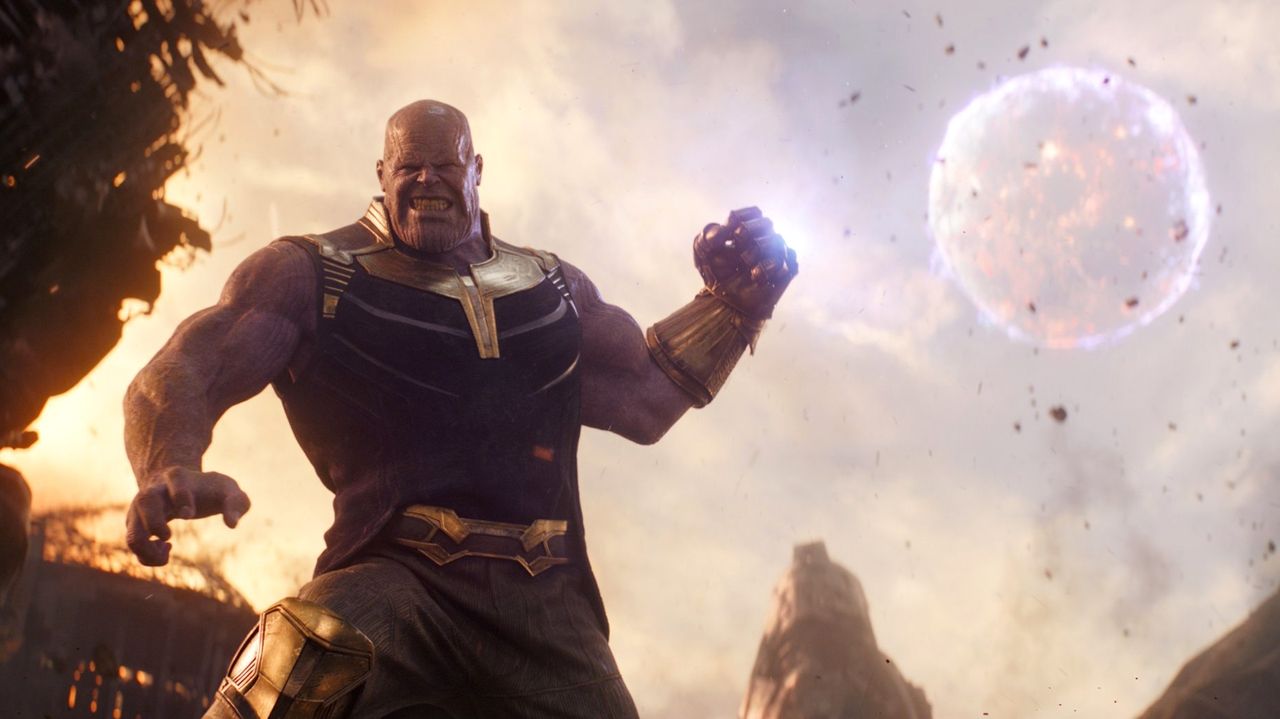
The Purple Elephant in the Room
In the era of franchise saturation, Avengers: Infinity War did something genuinely ballsy: it made the antagonist the protagonist. Josh Brolin (who I still associate with the gritty intensity of No Country for Old Men) delivers a performance as Thanos that shouldn't work under layers of purple CGI, yet it’s the emotional anchor of the film. He isn’t just a cackling warlord; he’s a zealot with a horrific, internally consistent logic.
While most modern blockbusters struggle to give their villains more than five minutes of backstory, Joe Russo and Anthony Russo let Thanos drive the narrative. We follow his "hero's journey" as he sacrifices the only thing he loves to achieve a goal he believes is righteous. It’s a subversion of the "Contemporary Cinema" trope where the villain is just a mirror image of the hero. Thanos is something else entirely—a cosmic force of Malthusian anxiety.
A Logistic Miracle of Punching
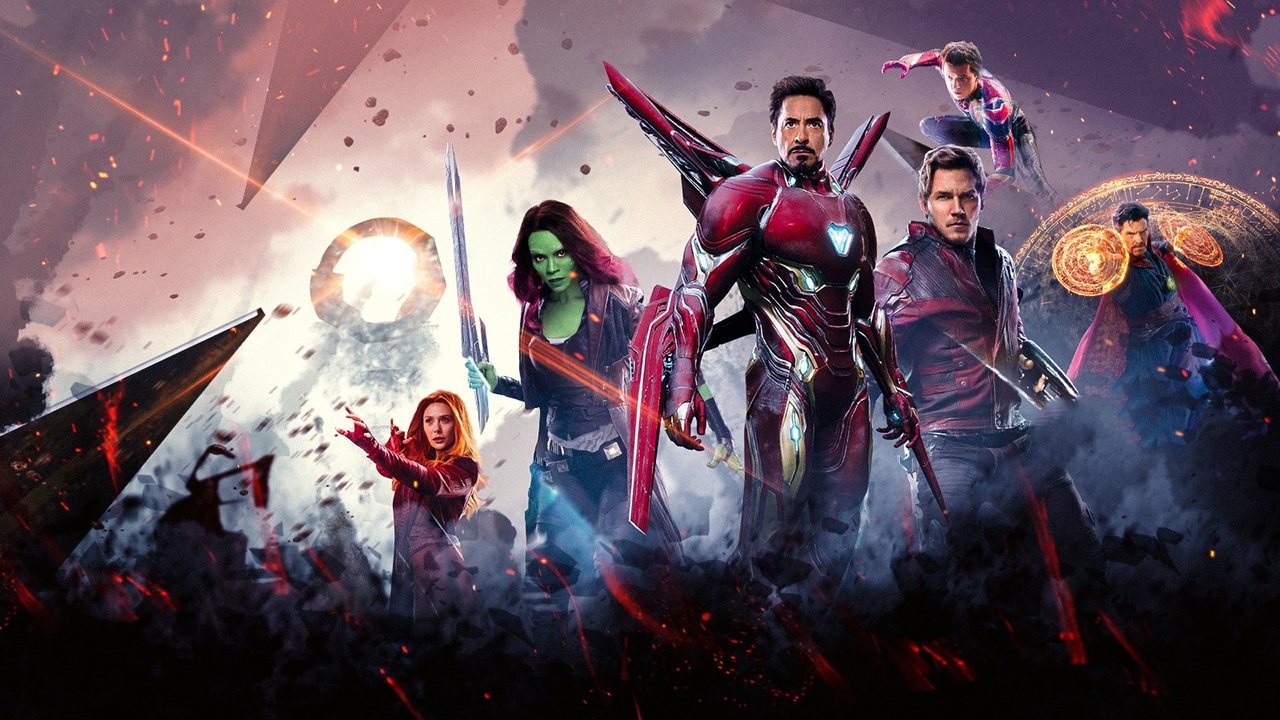
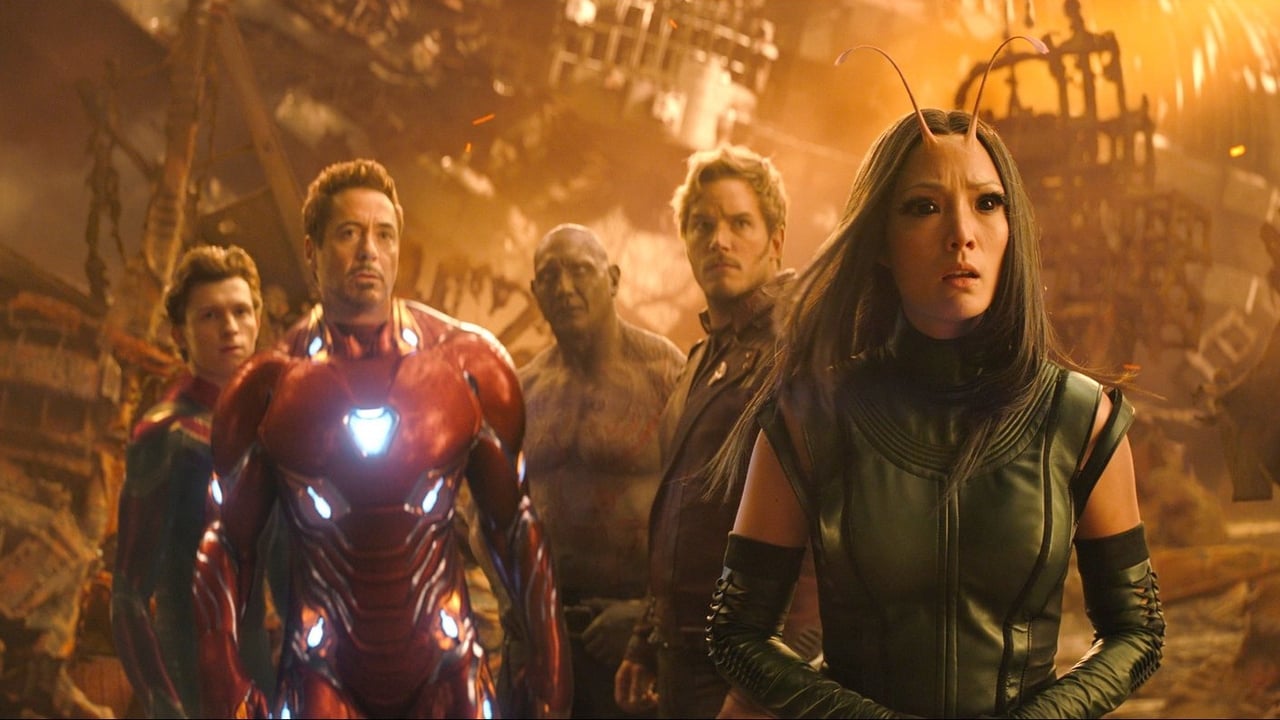
From an action standpoint, the film is a masterclass in geography. Usually, when you cram sixty characters into a movie, the screen turns into a digital soup where you can’t tell who is hitting whom. But here, the Russo brothers—honing the tactical clarity they showed in Captain America: The Winter Soldier—split the cast into manageable squads.
The fight on Titan is my personal high-water mark for the MCU. It’s inventive, using Benedict Cumberbatch’s Dr. Strange magic to create portals for Tom Holland’s Spider-Man, while Robert Downey Jr.’s Iron Man throws everything including the kitchen sink (and a moon) at Thanos. Star-Lord’s ego is the real villain of the movie in this sequence, and while fans spent years screaming at Chris Pratt’s character for his mid-fight meltdown, I actually appreciated it. It felt human. It felt messy. It reminded me that these aren't just action figures; they're grieving, impulsive idiots.
The Cost of Doing Business
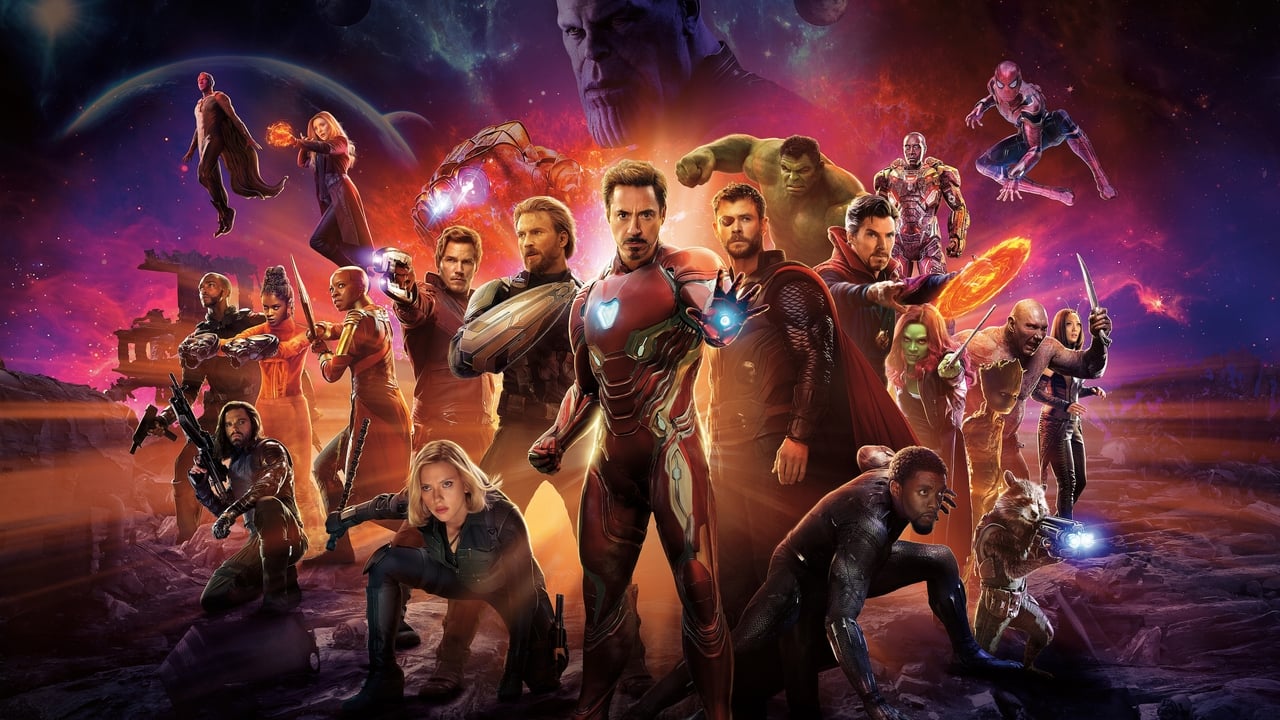
The scale of this production is almost vulgar. With a budget rumored to be north of $300,000,000, every cent is on the screen. The transition from the gritty, Bourne-esque street fight in Edinburgh featuring Scarlett Johansson and Chris Evans to the sprawling, Lord of the Rings-style siege of Wakanda is seamless.
Speaking of Wakanda, Thor’s entrance in Wakanda is the cinematic equivalent of a double espresso shot. Chris Hemsworth, having finally found his comedic and dramatic footing in Thor: Ragnarok, carries the most emotional weight of the "original" crew here. The score by Alan Silvestri—the man who gave us the iconic Back to the Future theme—swells at just the right moment, making you believe, if only for a second, that a guy with a glowing axe can fix everything.
Cool Details and Context
Behind the scenes, the logistics were a nightmare. Because of the insane cast list, some actors never even met their co-stars. Tom Holland reportedly didn't even know who he was fighting half the time to prevent him from leaking spoilers—a necessary precaution since he’s notoriously bad at keeping secrets. Also, that "I don't feel so good" line? Entirely improvised by Holland on the spot after Joe Russo told him to "act like you don't want to go."
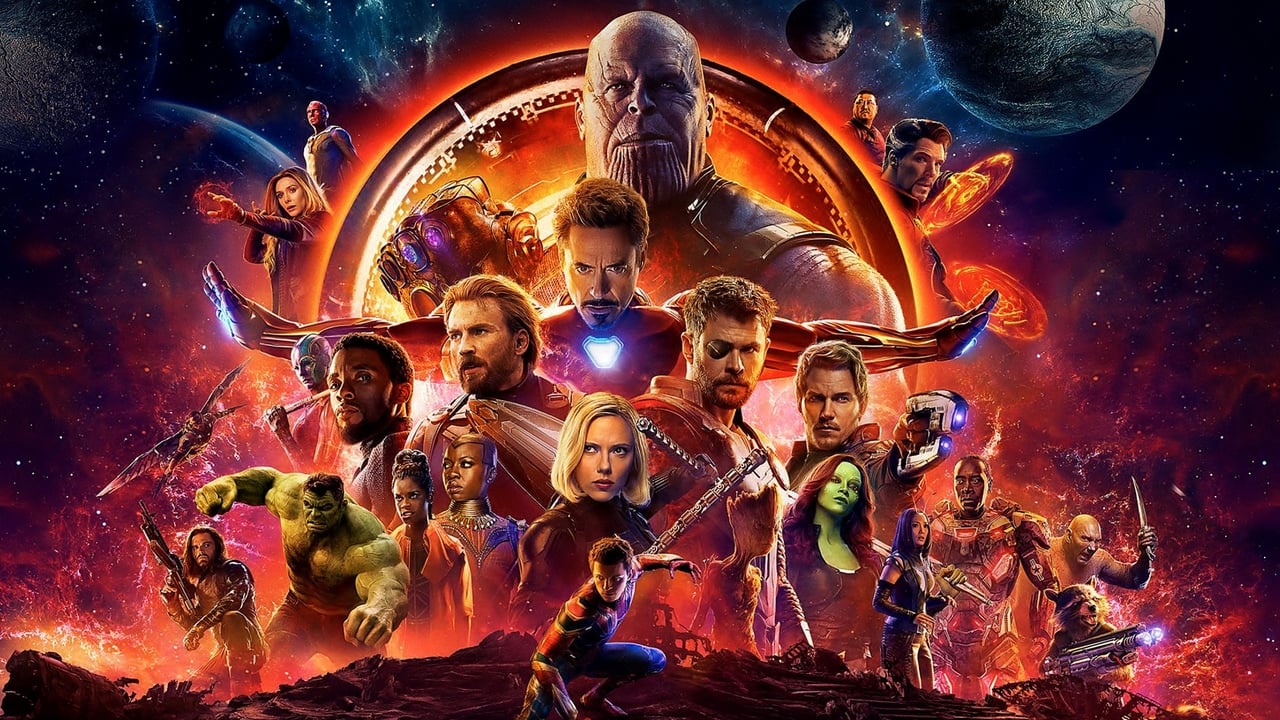
Culturally, this was the peak of the "theatrical event." Before the pandemic accelerated the shift to streaming-first releases, Infinity War was the watercooler moment of the decade. It wasn't just a movie; it was a communal experience of grief. It leaned into the "spoiler culture" of the late 2010s, turning the "Snap" into a meme that dominated social media for a year.
What It Means Now
Looking back from our current vantage point—an era where "superhero fatigue" is a constant talking point—Infinity War feels like the last time the formula felt truly vital and dangerous. It didn't feel like a corporate mandate; it felt like a payoff. The seamless CGI, particularly on Thanos’s face, still holds up better than many films released five years later, proving that throwing money at the screen actually works when you have a clear directorial vision.
The film manages to balance the quips we expect from Christopher Markus and Stephen McFeely’s screenplay with a genuine sense of dread. It’s an action movie where the stakes aren't just "the world might end," but "the world is ending, and we are failing." For a franchise often accused of being "consequence-free," the ending of Infinity War remains a bold, beautiful middle finger to the status quo.
The movie works because it respects the audience’s investment over the previous eighteen films while refusing to give them the easy out. It’s a massive, loud, expensive, and surprisingly soulful exploration of what it means to lose. Even if you aren't a cape-and-cowl devotee, the sheer craft on display is undeniable. It’s the kind of blockbuster that makes you glad we still go to the movies, even if you leave the theater feeling like you've been hit by a truck.
Keep Exploring...
-
Avengers: Endgame
2019
-
Avengers: Age of Ultron
2015
-
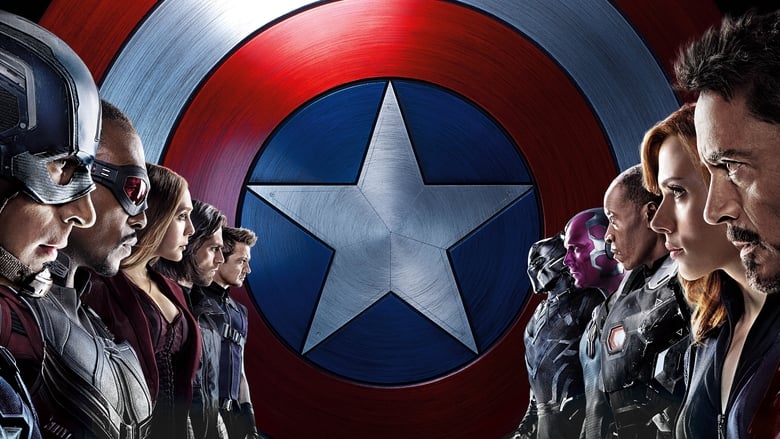
Captain America: Civil War
2016
-

The Avengers
2012
-
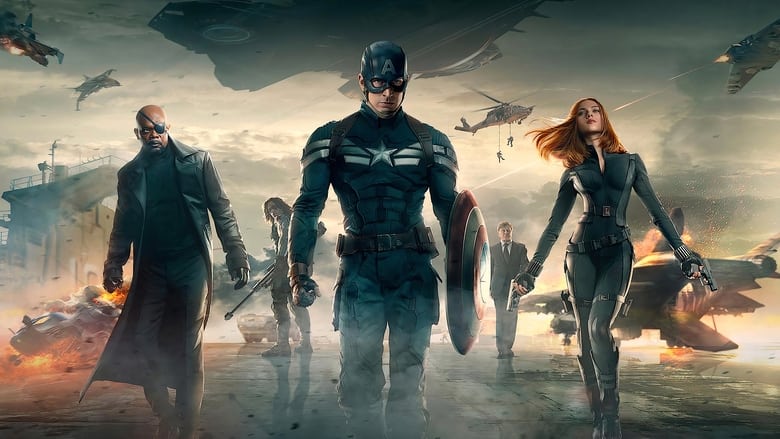
Captain America: The Winter Soldier
2014
-
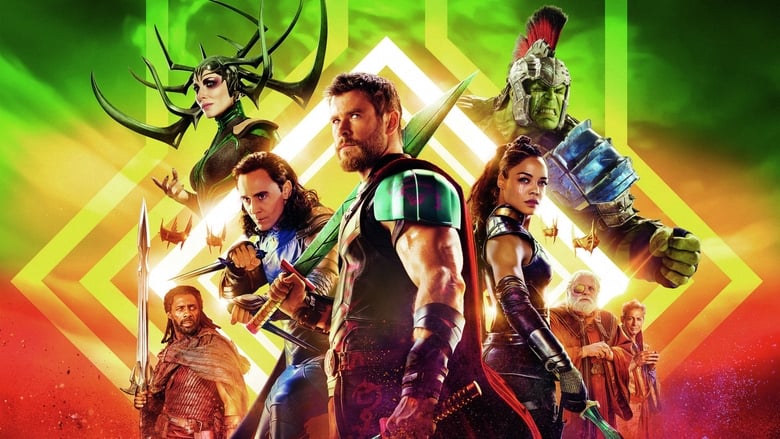
Thor: Ragnarok
2017
-
The Electric State
2025
-
Spider-Man: No Way Home
2021
-
Star Wars: The Force Awakens
2015
-
Rogue One: A Star Wars Story
2016
-
Guardians of the Galaxy Vol. 2
2017
-
Spider-Man: Homecoming
2017
-

Black Panther
2018
-
Ready Player One
2018
-
Spider-Man: Into the Spider-Verse
2018
-
Spider-Man: Far From Home
2019
-

Avatar: The Way of Water
2022
-

Guardians of the Galaxy Vol. 3
2023
-

Spider-Man: Across the Spider-Verse
2023
-

Everything Everywhere All at Once
2022