Bao
"A mother’s love is never small enough to swallow."
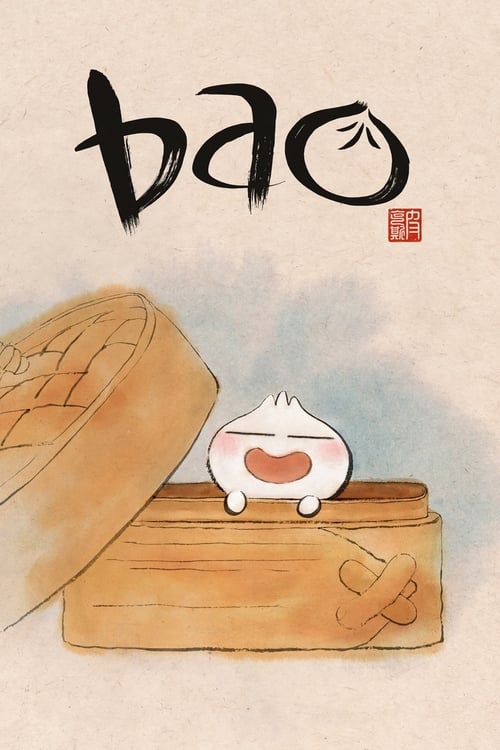
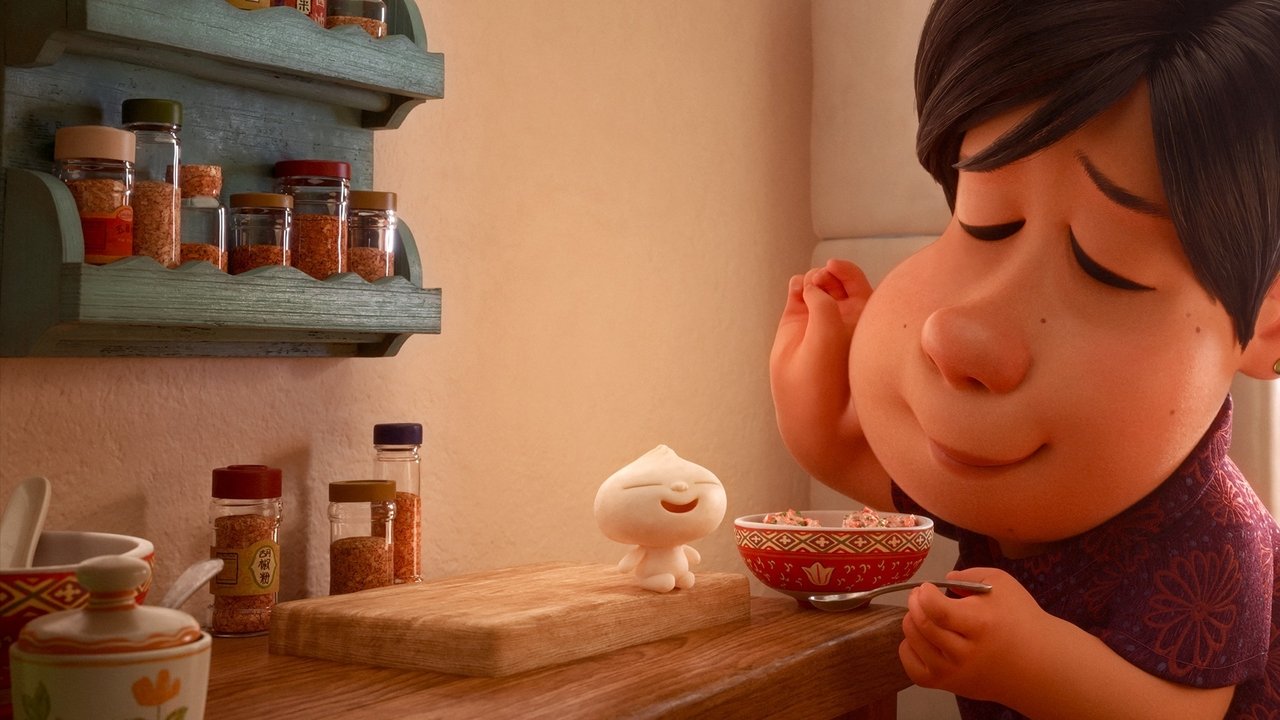
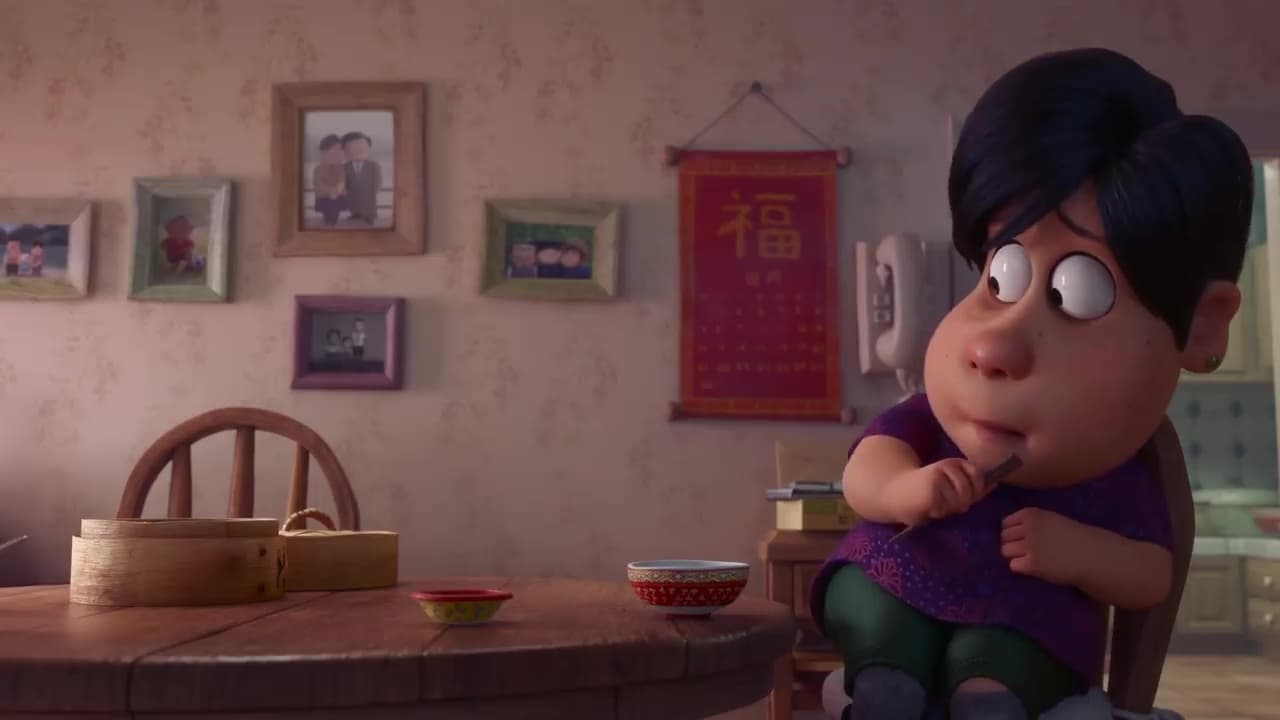
The kitchen in Pixar’s Bao feels humid. You can almost smell the ginger and the toasted sesame oil rising off the steamer baskets. It’s a space of domestic precision, where the flick of a wrist transforms a ball of dough into a pleated masterpiece. But beneath the flour-dusted surfaces of Domee Shi’s directorial debut, there is a simmering, existential dread that most "family" movies are too polite to acknowledge. I watched this short for the third time yesterday while wearing a sweater with a permanent soy sauce stain on the cuff, and I realized that while it’s technically an eight-minute animated fantasy, it functions more like a high-stakes psychological thriller about the terror of letting go.
The Horror of a Healthy Appetite
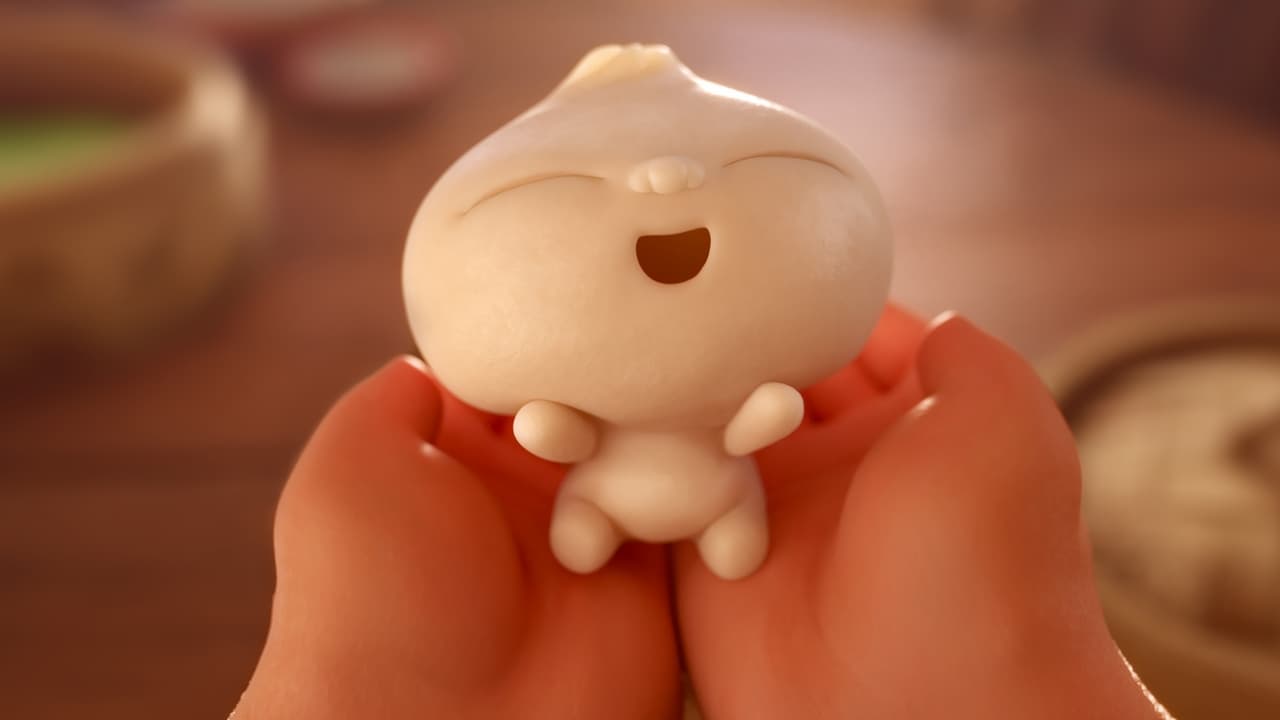
We’ve all seen the "cute object comes to life" trope. It’s a staple of the genre. But Domee Shi—who later gave us the excellent Turning Red—subverts the sugary sweetness of the premise with a sudden, jarring shift into what I can only describe as a culinary Cronenberg moment. When the aging Chinese mother, voiced with wonderful wordless nuance by Sindy Lau, finds herself raising a giggly, sentient dumpling, the film initially hits the expected beats of parental bliss. They go grocery shopping; they measure height against the wall; they bond over pastries.
Then, the dumpling grows up. He develops a soul patch (which is objectively hilarious) and a fiancée. The drama here isn’t found in dialogue—there is none—but in the tightening of the mother’s jaw and the way the camera lingers on the empty chairs at the dinner table. When the mother eventually "consumes" her creation to prevent him from leaving, it isn’t just a shock tactic. It is a profound, albeit literal, interpretation of the desire to pull a child back into the safety of the womb. It’s the most "cerebral" thing Pixar has ever done because it asks a terrifying question: Is parental love inherently selfish?
A Masterpiece of Specificity
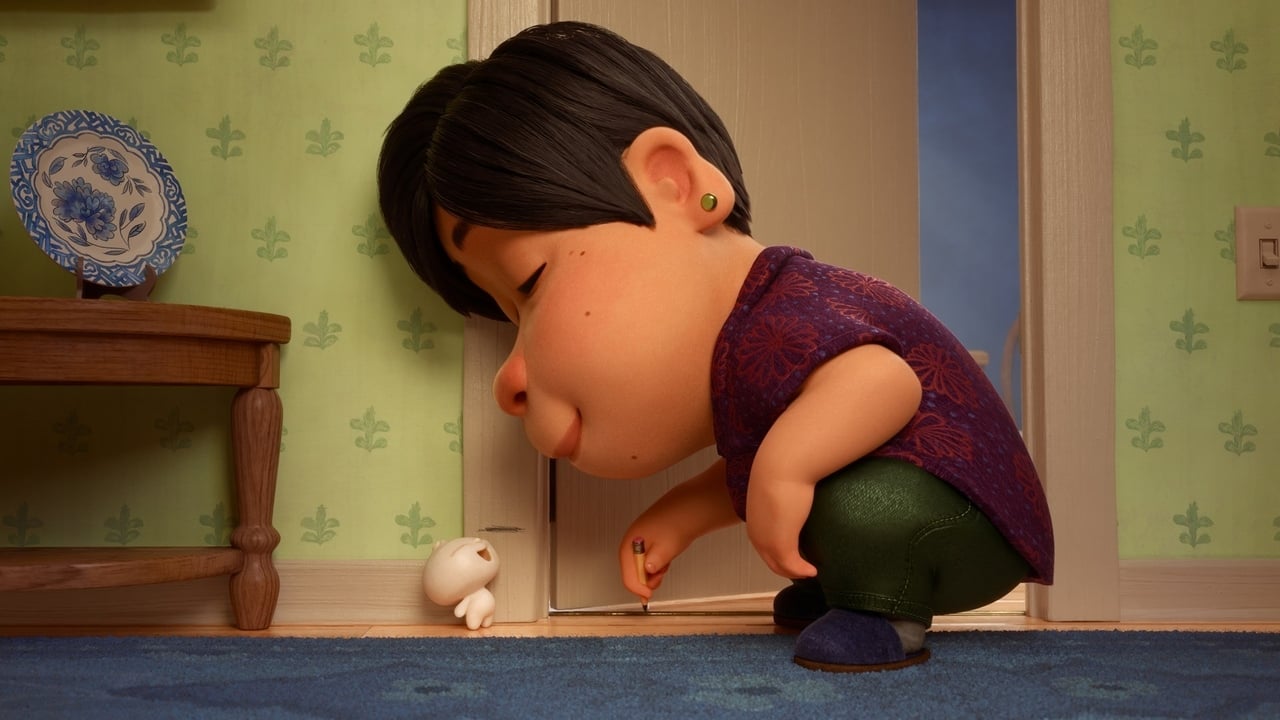
In this contemporary era of "representation" often feeling like a corporate checklist, Bao stands out because its cultural markers are baked into its DNA. This isn’t a generic story with a "diversity" skin applied to it. The way the father, played by Tim Zhang, shows affection through a bag of groceries rather than a hug is a specific cultural shorthand that resonates with anyone from an immigrant household.
Released in 2018 as a companion to Incredibles 2, Bao arrived right as the industry was finally starting to realize that hyper-specific stories are actually the most universal. The production team famously brought in Domee Shi’s own mother as a "dumpling consultant" to ensure the animation of the dough-kneading was frame-perfect. They actually filmed her making dumplings so the animators could study the physics of the flour. That level of craft matters because it grounds the "fantasy" element in a tactile reality. If the dumpling didn't look delicious, the "cannibalism" beat wouldn't have the same gut-punching impact. It would just be weird; instead, it's tragically understandable in a 'I love you so much I could eat you' sort of way.
The Short Film Shadow
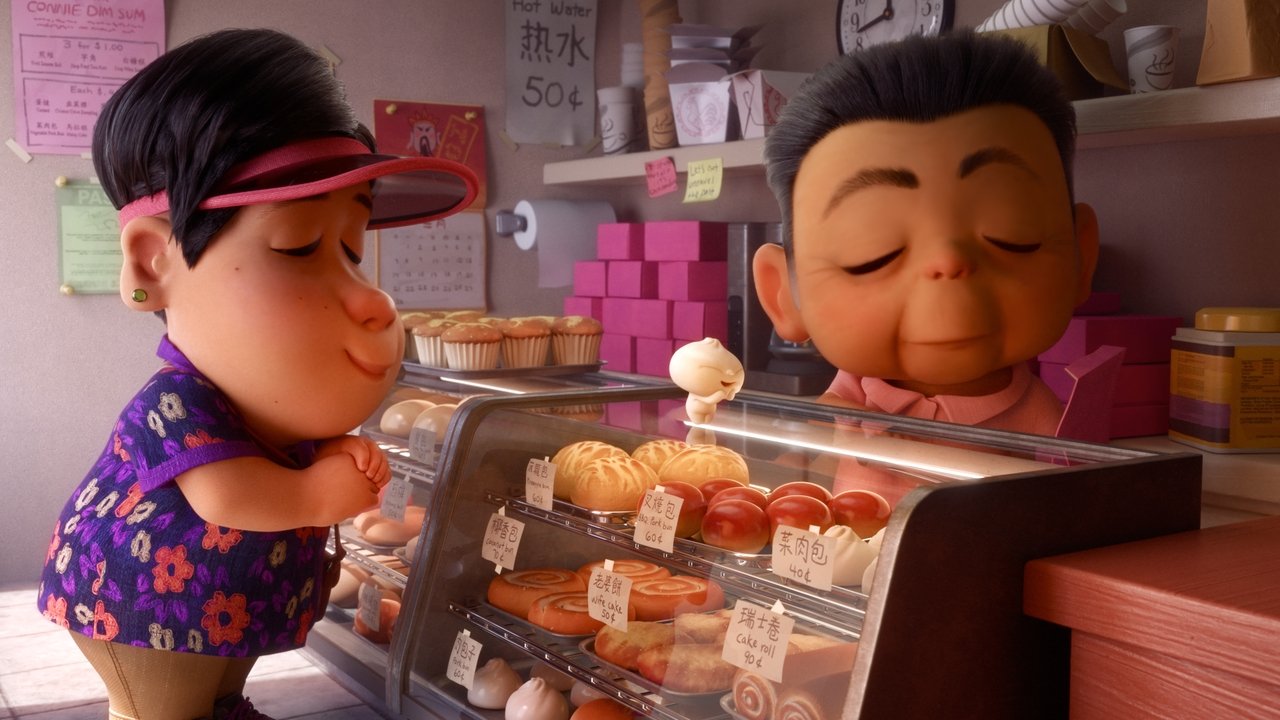
The irony of the "Contemporary Cinema" era is that despite having more access to content than ever, we’ve become terrible at valuing the short form. Short films like Bao are often treated as "the stuff you sit through to get to the main feature," and then they vanish into the depths of a streaming menu. It’s a shame, because Bao accomplishes more in eight minutes than most three-hour epics do with a $200 million budget. It manages to bridge the gap between a cute Pixar aesthetic and a deeply heavy exploration of Empty Nest Syndrome and the "Tiger Mom" archetype.
I’ve heard people call the ending a "twist," but that’s not quite right. A twist is a gimmick. The revelation that the dumpling is a surrogate for her actual son (voiced by Daniel Kailin) is more of a structural homecoming. It’s the film finally letting us breathe after holding our breath in that kitchen. It reminds me that we are currently living through a period where animation is finally being allowed to be "adult" without needing to be "edgy." It just needs to be honest.
Bao is a tiny, steamed miracle. It’s a film that understands that food is the primary language of love for people who find "I love you" too difficult to say out loud. By the time the real-life son sits down on the bed to share a snack with his mother, the film has successfully navigated the most complex emotional terrain of the decade. It’s a quiet, beautiful reminder that while children will always grow up and leave, the recipe for a family usually involves a lot of mess, a bit of pressure, and a willingness to try again.
Keep Exploring...
-
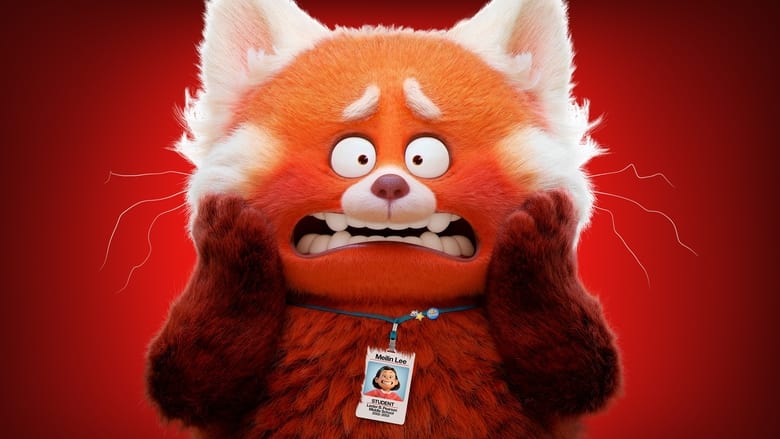
Turning Red
2022
-
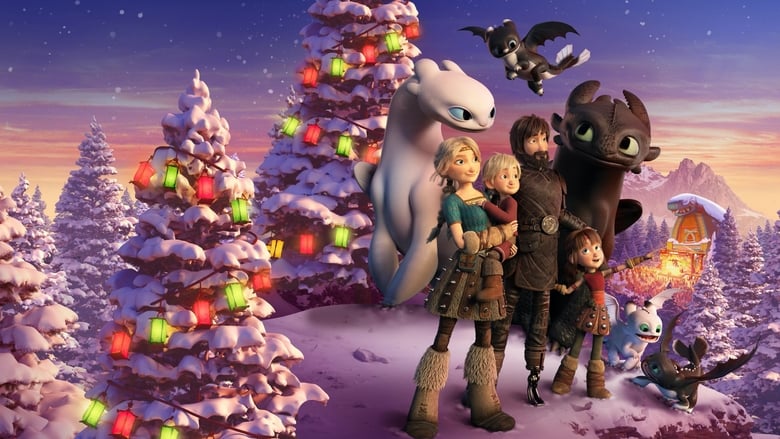
How to Train Your Dragon: Homecoming
2019
-
The Boy and the Beast
2015
-
Wolfwalkers
2020
-
Raya and the Last Dragon
2021
-
Over the Moon
2020
-
The Sea Beast
2022
-
Nimona
2023
-

The Little Prince
2015
-
Miraculous: Ladybug & Cat Noir, The Movie
2023
-

Piper
2016
-
Justice League Dark: Apokolips War
2020
-

Mortal Kombat Legends: Scorpion's Revenge
2020
-
The Red Turtle
2016
-
Mary and The Witch's Flower
2017
-
Red Shoes and the Seven Dwarfs
2019
-
The Willoughbys
2020
-
Wish Dragon
2021
-
My Hero Academia: Two Heroes
2018
-

My Hero Academia: Heroes Rising
2019