Batman Ninja
"Bushido, Batarangs, and Big-Ass Robots."

If you ever wondered what happens when the Caped Crusader trades his Kevlar for lacquered wood armor and battles a giant, steam-powered Joker-castle, then you’ve likely already succumbed to the hallucinatory joy of Batman Ninja. In a decade where the "DC Animated Universe" often felt like it was stuck in a loop of recycling the same dark-and-gritty New 52 aesthetic, this 2018 experiment arrived like a bucket of neon paint thrown at a stone wall. It’s loud, it’s narratively incoherent, and it’s one of the most daring things the studio has ever greenlit.
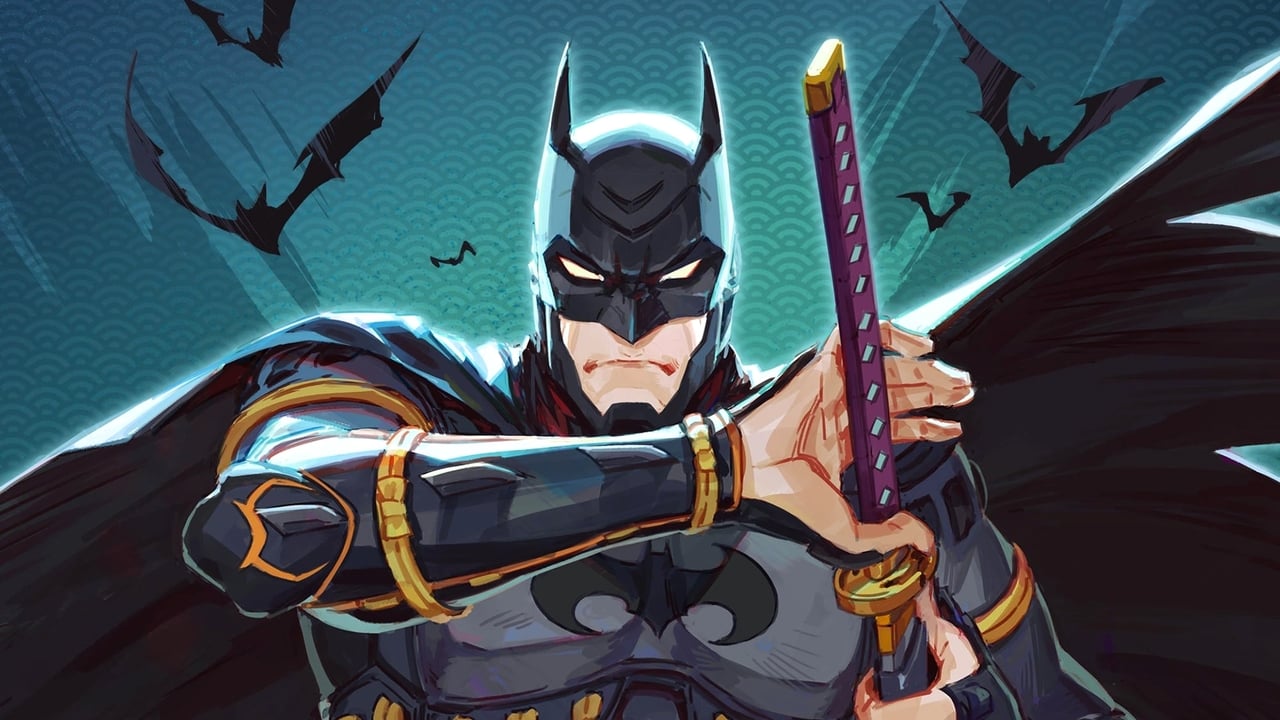
I watched this while my cat, Selina (unoriginal name, I know), was busy trying to hunt a moth behind the TV, which added a weird 4D layer to the Catwoman scenes. It’s that kind of movie—the sort of experience where you’re constantly looking around to see if anyone else is witnessing the same beautiful absurdity you are.
A Visual Fever Dream in the Sengoku Period
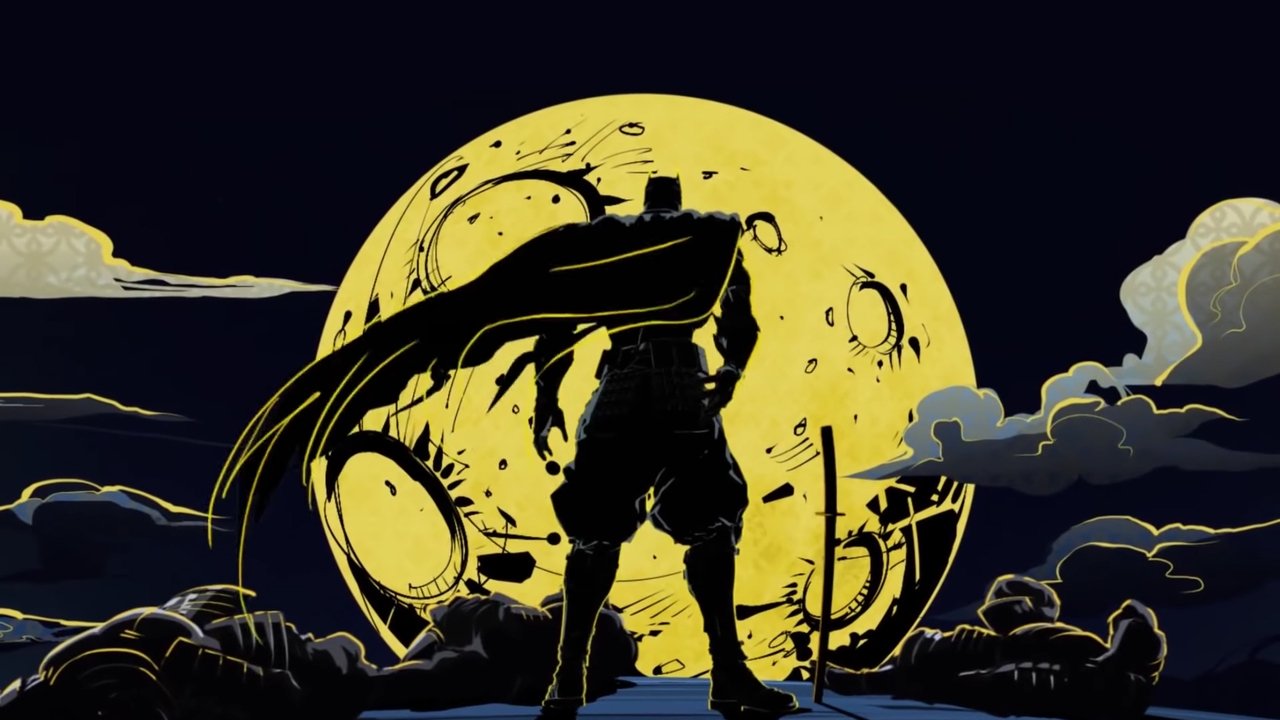
The first thing that hits you isn't the story—it’s the sheer audacity of the art. Produced by Kamikaze Douga, the studio behind the legendary opening sequences for JoJo’s Bizarre Adventure, Batman Ninja tosses aside the clean lines of Western animation in favor of a textured, CGI-anime hybrid that looks like a moving woodblock print. When Koichi Yamadera’s Batman first lands in feudal Japan after a time-travel mishap involving Gorilla Grodd, the transition is startling. The capes flow with a weightless, ink-brushed quality, and the character designs by Takashi Okazaki (Afro Samurai) are genuinely inspired.
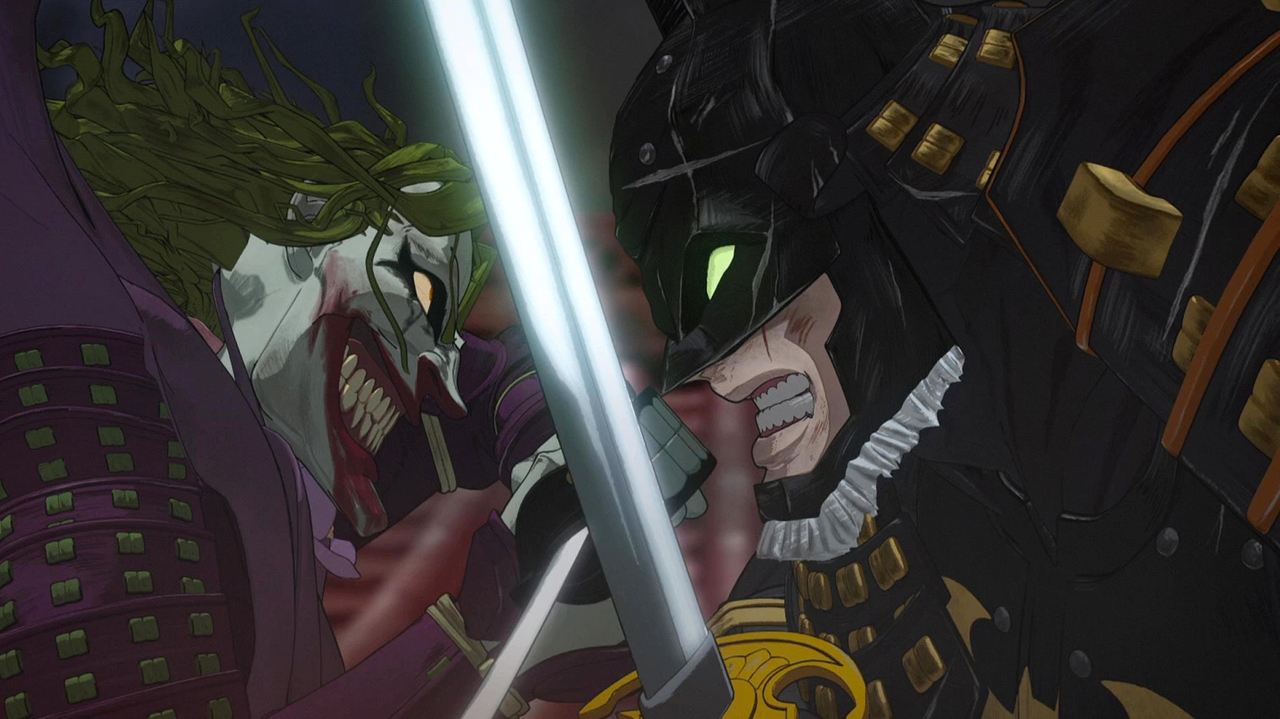
Watching Wataru Takagi voice a Joker who has fully embraced the role of a chaotic Sengoku-era warlord is a treat. He’s not just a clown here; he’s a theatrical force of nature. The film doesn't just put Batman in Japan; it drapes him in the cultural iconography of the era. The Bat-Family, including Daisuke Ono’s Nightwing and Yuki Kaji’s Robin, all get samurai-inspired makeovers that would make any action figure collector's wallet tremble. It’s a testament to the era of "brand experimentation" that we got this instead of another safe Justice League sequel.
When the Script Goes Full Super Sentai
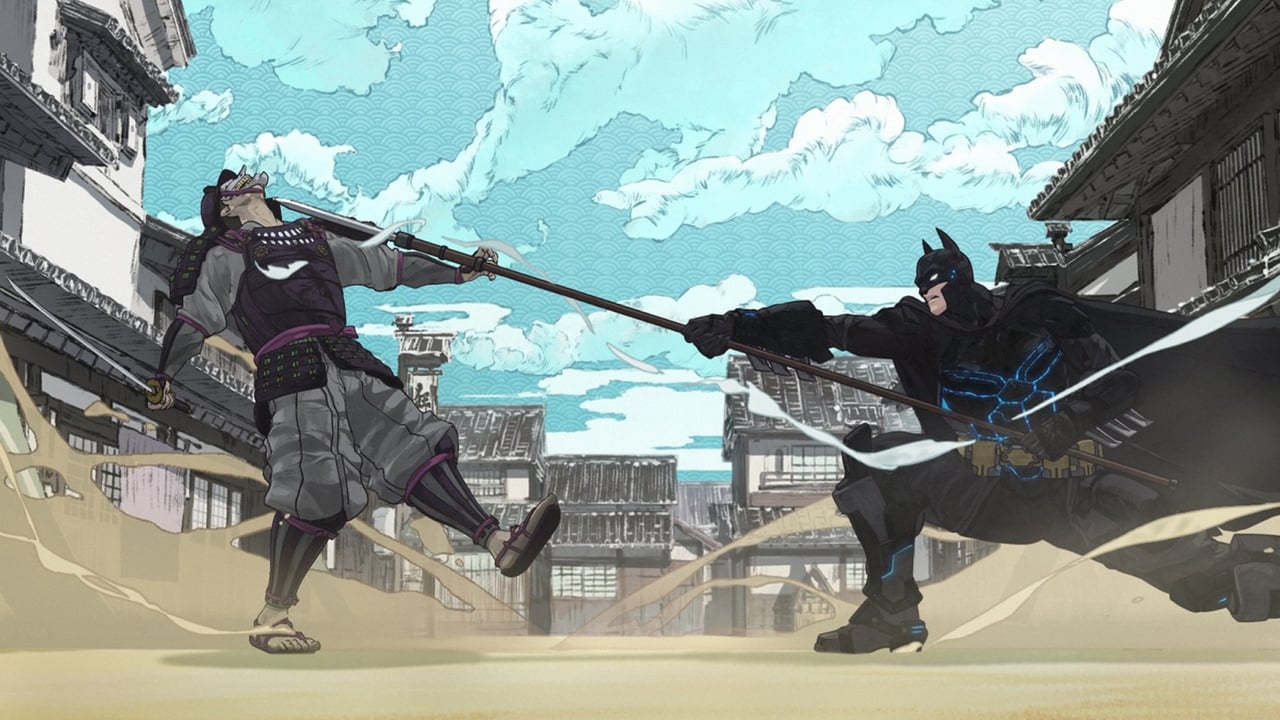
Now, if you’re looking for a grounded detective story, you are in the wrong province. Writer Kazuki Nakashima—the mad genius behind Gurren Lagann and Kill la Kill—clearly wasn't interested in the "World’s Greatest Detective." He wanted to see how many tropes he could cram into 85 minutes. About halfway through, the film takes a hard left turn from "Samurai Duel" into "Giant Robot Mecha Battle."
The villains’ castles literally transform and combine like something out of Voltron. It is utterly ridiculous. The climax of this movie is essentially a Power Rangers episode directed by someone who hates the laws of physics and loves the smell of burning celluloid. This is usually where the film loses people. It’s a "love it or hate it" moment that defies the traditional logic of the Batman mythos. Personally, I find it refreshing. In an era of franchise fatigue where every superhero movie feels like it was written by a committee of accountants, there’s something heroic about a movie that chooses to be this weird.
The action choreography is where the film earns its keep. The sword fights are staged with a rhythm that feels distinct from Western combat. There’s a focus on posture, the drawing of the blade, and the sudden, explosive bursts of movement that define the genre. When Batman finally faces off against the Joker in a field of flowers, it feels like a genuine tribute to the chambara films of old, albeit with more gadgets.
The Culture Clash of the Cape and Cowl
What’s fascinating about Batman Ninja in our current streaming-dominated landscape is how it exists in two forms. There is the original Japanese version and the English dub, which features a completely different script by Leo Chu and Eric Garcia. While the Japanese version plays it as a more straightforward (if insane) action epic, the English script adds a layer of meta-humor and Westernized dialogue. It’s a rare case where the two versions offer entirely different vibes, reflecting the "Globalized Content" era we live in.
It also highlights the shift in how we consume these "cult" oddities. It’s a film that probably would have bombed in a 2005 theatrical release but found its niche on digital platforms where fans of both DC and anime could collide. It’s not perfect—the pacing in the middle act drags, and a strange "watercolor" dream sequence, while beautiful, feels like a student film accidentally spliced into a blockbuster. But these "imperfections" are what make it human. It is a glorious, neon-soaked mess that respects the audience's intelligence enough to know we don't need another origin story; we just need to see a bat-themed ninja fight a giant monkey.
Ultimately, Batman Ninja is a success because it refuses to be boring. It embraces the "Science Fiction" part of its genre tags with a reckless abandon that most Western directors are too afraid to touch. If you’re tired of the same three-act structure and the same gravelly-voiced monologues about darkness, give this a spin. It’s a reminder that even the most established icons can still surprise us when they’re viewed through a different cultural lens. Just don't try to make sense of the giant robot castles—just let the ink-wash visuals and Yugo Kanno's bombastic score wash over you.

Keep Exploring...
-
Dragon Ball Z: Resurrection 'F'
2015
-
Resident Evil: Vendetta
2017
-
Captain Underpants: The First Epic Movie
2017
-
Batman vs. Robin
2015
-

Justice League: Throne of Atlantis
2015
-
Batman: Bad Blood
2016
-
Justice League vs. Teen Titans
2016
-
Justice League Dark
2017
-
Teen Titans Go! To the Movies
2018
-
Superman: Red Son
2020
-
Teenage Mutant Ninja Turtles: Mutant Mayhem
2023
-
Batman: The Killing Joke
2016
-
Criminal
2016
-
Monster Trucks
2016
-
Spectral
2016
-
The Lego Ninjago Movie
2017
-
A-X-L
2018
-
Extinction
2018
-
Kin
2018
-
Captive State
2019