Black Mirror: Bandersnatch
"Control is an illusion. You choose the cereal."
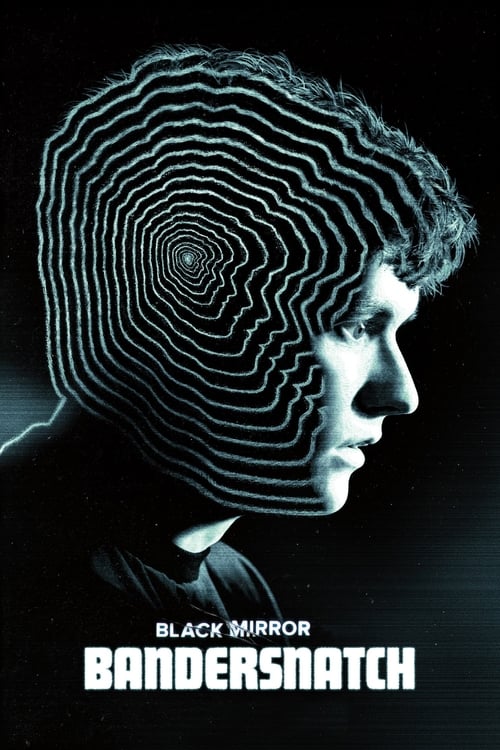
The first time I realized I was a terrible person was roughly twelve minutes into Black Mirror: Bandersnatch. I had the remote clutched in my hand like a holy relic, and I forced a neurotic teenager to pour Frosties instead of Sugar Puffs. It felt like a small, harmless transgression, but by the time I was deciding whether or not to dismember a corpse to hide the evidence, I realized Charlie Brooker had lured me into a digital trap. I watched this entire ordeal while eating a slightly stale bowl of store-brand granola, and the irony of my own breakfast choices compared to Stefan’s life-altering cereal moment wasn't lost on me.
Released in late 2018, Bandersnatch was the ultimate "water cooler" moment for the streaming era. It wasn't just a movie; it was an event that broke the internet—or at least the part of the internet that obsesses over branching narratives and 1980s synth-pop. Directed by David Slade, who previously gave us the suffocating dread of 30 Days of Night, the film captures that specific, damp, beige misery of 1984 England. It’s a period piece that feels less like a nostalgic trip and more like a ghost story told through a Commodore 64.
The Horror of the Fourth Wall
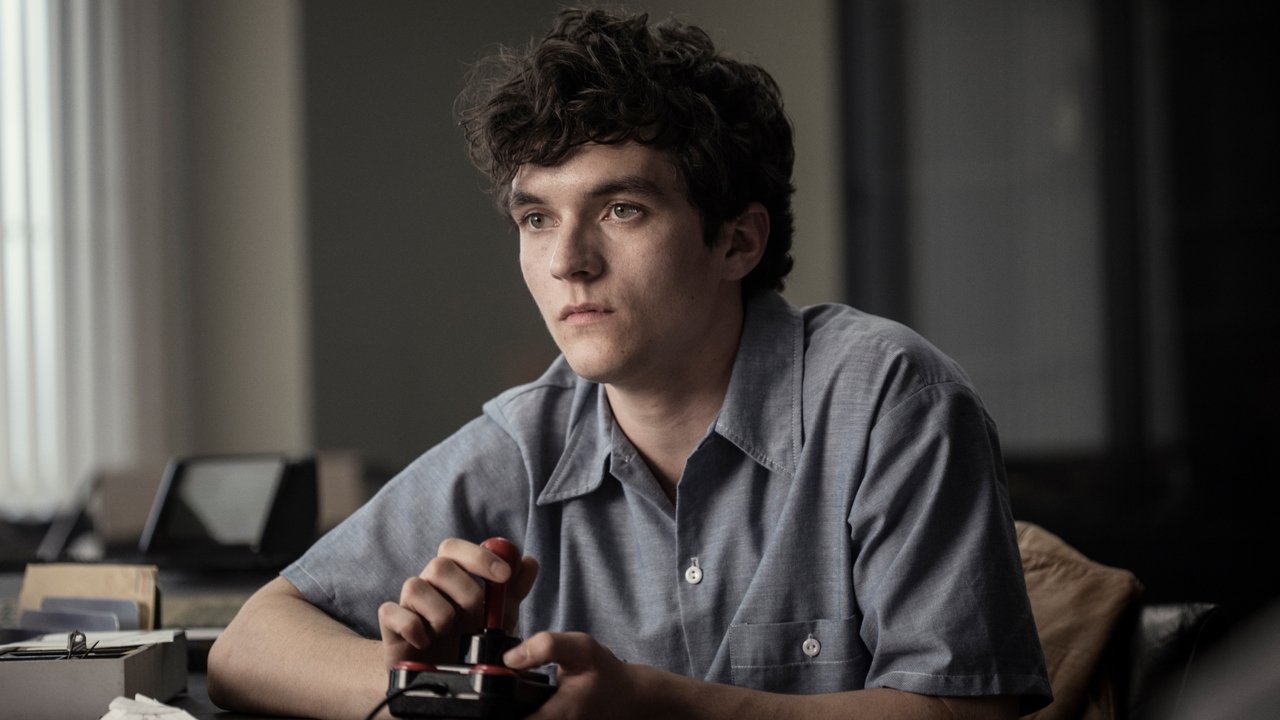
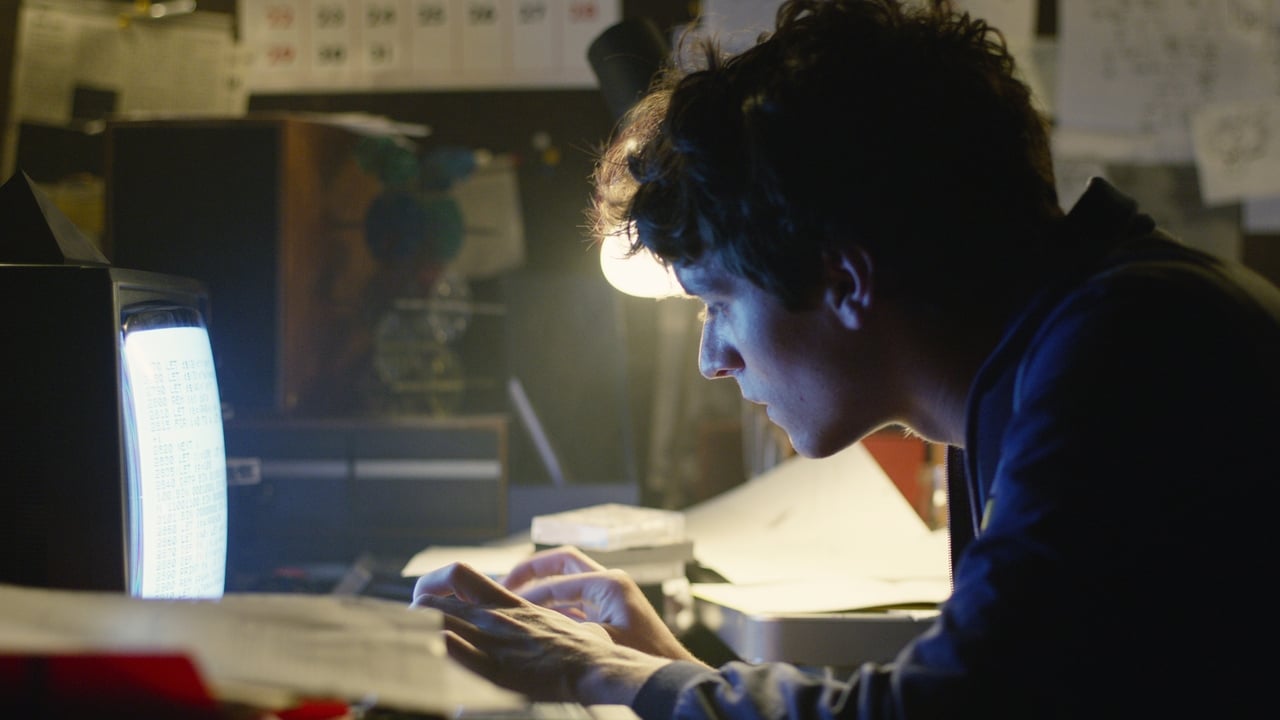
At its core, the story follows Stefan Butler (Fionn Whitehead), a programmer attempting to adapt a "choose your own adventure" novel into a groundbreaking video game. As he sinks deeper into the code, he begins to suspect that he isn't in control of his own actions. This is where the psychological horror kicks in. Most horror films rely on a protagonist making a "stupid" choice—don't go into the basement, don't open the door. Here, you are the one making the stupid choice. The dread doesn't come from a masked killer, but from the realization that Stefan is becoming aware of you, the viewer, as a malevolent force pulling his strings.
Fionn Whitehead carries the weight of this existential crisis beautifully. He looks perpetually on the verge of a nervous breakdown, his eyes darting toward the camera as if he can see the "Yes/No" prompts floating in his peripheral vision. But the real scene-stealer is Will Poulter as Colin Ritman, the bleached-blonde rockstar programmer. Will Poulter delivers lines about parallel realities and Pac-Man (Program-and-Control, man!) with a manic intensity that makes you want to jump off a balcony just to see if the world resets. His performance is the anchor for the film's cult status; he’s the guy at the party you’re terrified of, yet you can’t stop listening to his conspiracy theories.
A Maze of Meta-Commentary
The production of Bandersnatch was a logistical nightmare that resulted in something truly unique. Because of the branching paths, there are over a trillion possible permutations of the story, though most lead to the same grim dead-ends. Netflix had to develop a bespoke tool called "Branch Manager" just to handle the script, which Charlie Brooker originally tried to write in a standard Word doc before realizing he was essentially trying to build a cathedral out of toothpicks.
What makes this a contemporary cult classic isn't just the gimmick, but the way it rewards the "completionist" mindset of modern audiences. We spent weeks on Reddit mapping out every possible ending, finding the hidden QR codes, and trying to figure out how to dial the therapist’s number on a rotary phone. It tapped into the gaming culture's obsession with "Easter eggs" in a way no traditional film ever could. The "Netflix" ending is a peak meta-gag that manages to be both hilarious and deeply unsettling, as Stefan realizes his life is just entertainment for someone on a couch in the 21st century.
Stuff You Didn't Notice
If you look closely at the background of Mohan Thakur's (Asim Chaudhry) office, you’ll see a poster for a game called Nosedive, a direct nod to one of Black Mirror’s most famous episodes. The film is littered with these breadcrumbs. For instance, the "Bandersnatch" game itself was a real project by a company called Imagine Software in 1984. They went bankrupt before it was ever released, making the title a legendary "vaporware" ghost in gaming history.
Another fun detail: the sound design is a masterclass in psychological agitation. Brian Reitzell, who worked on the Hannibal TV series, uses a score that feels like it’s glitching alongside Stefan’s brain. There’s a persistent low-frequency hum in certain scenes that is designed to make the viewer feel physically uneasy, a classic horror trick that works perfectly when you’re staring at a screen trying to decide if you should "Backtrack" or "Kill Dad." David Slade even included a secret post-credits scene where Stefan listens to a data tape that, if run through a real ZX Spectrum emulator, provides a QR code leading to a hidden website for the fictional Tuckersoft game company.
Black Mirror: Bandersnatch is a fascinating relic of the moment streaming tried to eat traditional cinema. While the actual plot can feel a bit thin if you strip away the interactivity, the experience of playing god with Stefan’s life is undeniably addictive. It’s a film that demands you participate in its cruelty, and in doing so, it makes a profound point about our relationship with technology. I still feel a twinge of guilt about those Sugar Puffs, but I’d probably do it all over again just to see the secret ending one more time. It’s a dark, twisty, and deeply cynical piece of work that perfectly captures the anxiety of the digital age.

Keep Exploring...
-

Midsommar
2019
-
The Room
2019
-

A Cure for Wellness
2017
-
It Comes at Night
2017
-
Life
2017
-

Suspiria
2018
-
Sherlock: The Abominable Bride
2016
-
Vivarium
2019
-
Circle
2015
-
10 Cloverfield Lane
2016
-
Arrival
2016
-
The Void
2016
-
The Discovery
2017
-
A Quiet Place
2018
-
Summer of 84
2018
-
The Vast of Night
2019
-
Color Out of Space
2020
-
Sputnik
2020
-

The Lodge
2020
-
Antlers
2021