BlacKkKlansman
"Infiltrate the hate. Bring the funk."
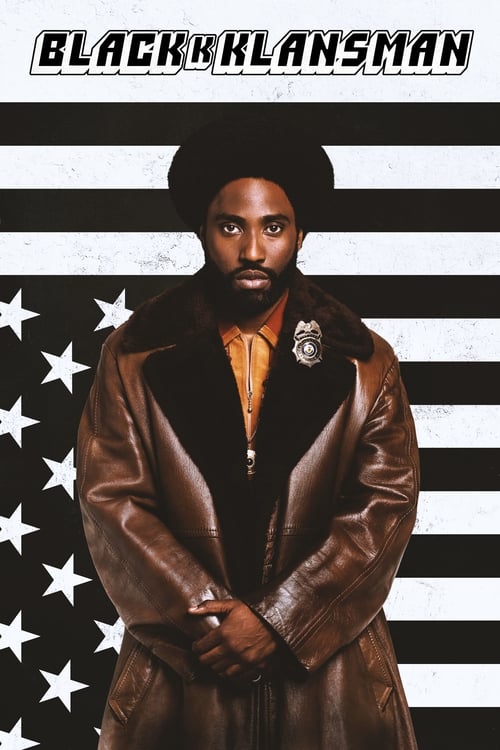
Imagine being a Black detective in late-70s Colorado Springs and deciding, essentially on a whim, to call the local Ku Klux Klan chapter using your real name. It sounds like the setup for a lost Richard Pryor sketch, but this is the jumping-off point for one of the most audacious true stories in American law enforcement. I watched this film while nursing a bag of slightly stale pretzel M&Ms—the kind where the salt has mostly rubbed off in the bag—and honestly, the crunch provided the perfect staccato rhythm for the tension on screen.
Spike Lee, a director who has spent decades kicking in the doors of American cinema with masterpieces like Do the Right Thing, found a story here that fits his sensibilities like a tailored suit. It’s a period piece that refuses to stay in the past. While it’s technically "Contemporary Cinema" because of its 2018 release, it feels like a bridge between the gritty police procedurals of the 70s and the high-definition social commentary of the streaming era.
The Ultimate Long-Distance Prank
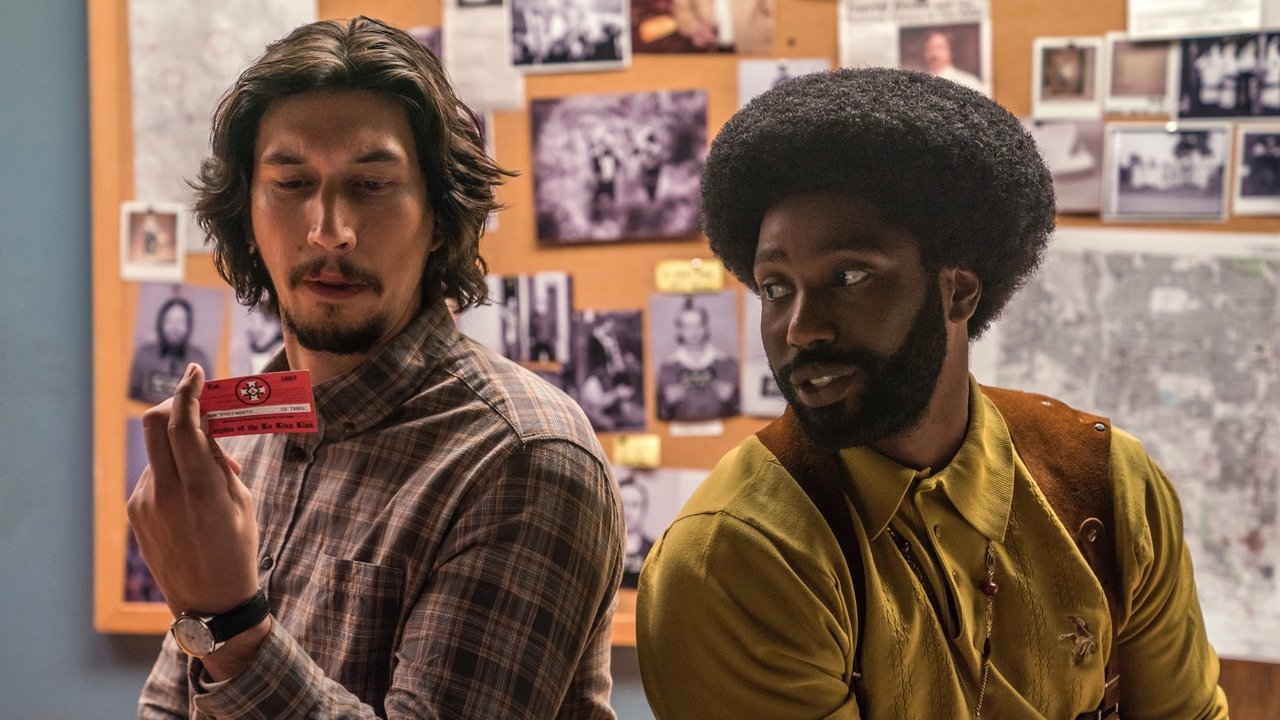
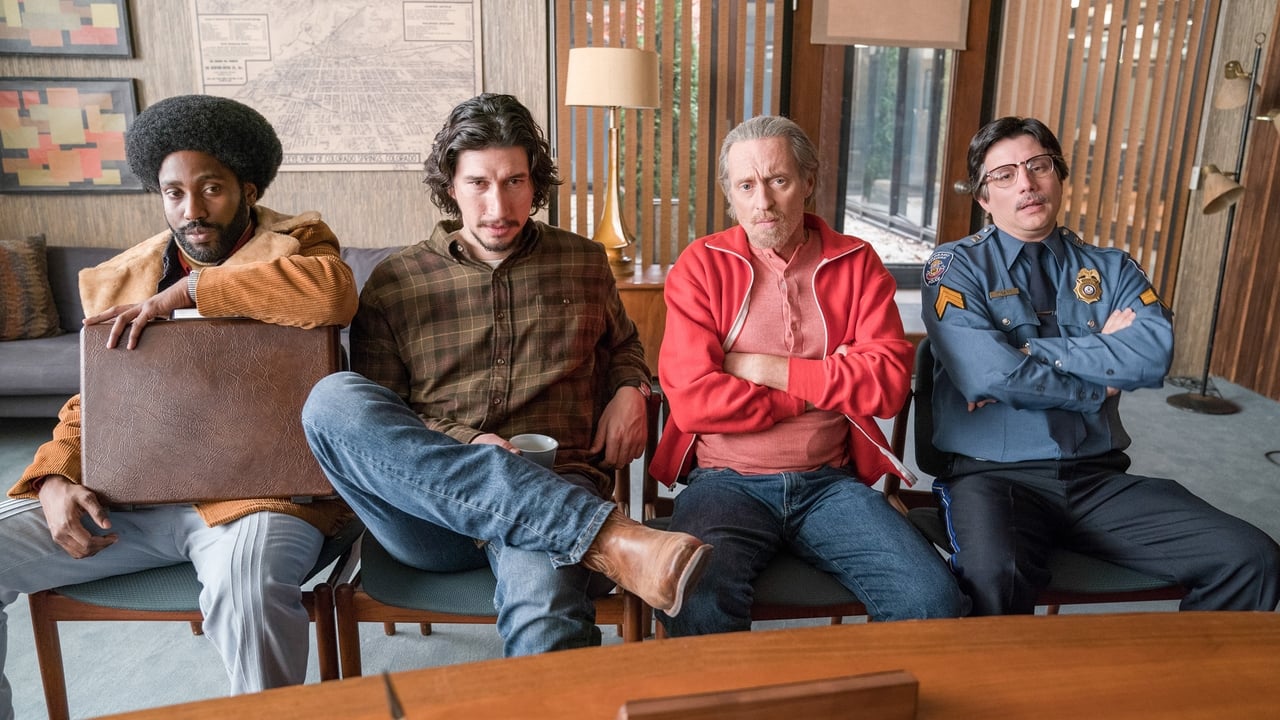
The premise is pure gold: Ron Stallworth, played with a magnetic, cool-headed charisma by John David Washington, starts a telephone relationship with the "Organization" (as the Klan prefers to be called). He talks the talk, spewing the hateful rhetoric they want to hear, and effectively becomes a member over the phone. But when it comes time for a face-to-face meeting, he needs a white proxy. Enter Flip Zimmerman, played by Adam Driver, who brings a weary, existential weight to the role.
Adam Driver is doing some of his most nuanced work here. He’s a Jewish man who has spent his life being "passing," and suddenly he’s forced to confront his own identity while sitting across from people who would happily see him erased from the map. The chemistry between him and Washington is the engine of the film. They aren't just partners; they are two sides of a very complicated coin, navigating a world where their very existence is a political statement.
A Villain in a Tailored Suit
One of the boldest moves Lee makes is the casting of Topher Grace (the guy from That '70s Show) as David Duke. My hot take? Topher Grace is better at playing a polite monster than he ever was at playing a sitcom hero. He doesn’t play Duke as a screaming caricature. Instead, he portrays him as a bland, middle-management bureaucrat who wants to "mainstream" hate. It’s a chillingly relevant performance that reminds me how much the face of extremism has changed—or rather, how it has learned to put on a tie.

The film also gives us Laura Harrier as Patrice Dumas, a local activist who provides the moral compass for the story. Her interactions with Ron highlight the "double consciousness" that W.E.B. Du Bois talked about—the struggle of being both Black and a police officer in a system that often feels designed to crush you. The dialogue in these scenes is sharp, avoiding the trap of being a dry history lesson. It feels like a real conversation between two people trying to figure out how to change the world without losing themselves.
The Spike Lee "Funk"
You can always tell when you’re watching a Spike Lee Joint. There’s a certain vibrance to the colors, a specific rhythm to the editing, and a soundtrack that feels like it’s breathing alongside the characters. The cinematography by Chayse Irvin captures the 1970s aesthetic without making it look like a "70s theme party." It’s grainy, warm, and lived-in.
There’s a legendary "double-dolly" shot—a Spike Lee signature—where characters seem to float through the frame. It adds a dreamlike, almost haunting quality to the narrative. But Lee doesn’t let you stay in that dream for long. The film is a comedy right up until the moment it isn’t. The ending is a sledgehammer that shatters the comedy, and that’s exactly why it works. He pulls the rug out from under you, connecting the events of the 70s directly to the footage of the 2017 Charlottesville riots. It’s a gut-punch that reminds the audience that this isn't just "history"—it’s the current news cycle.
Stuff You Might Have Missed
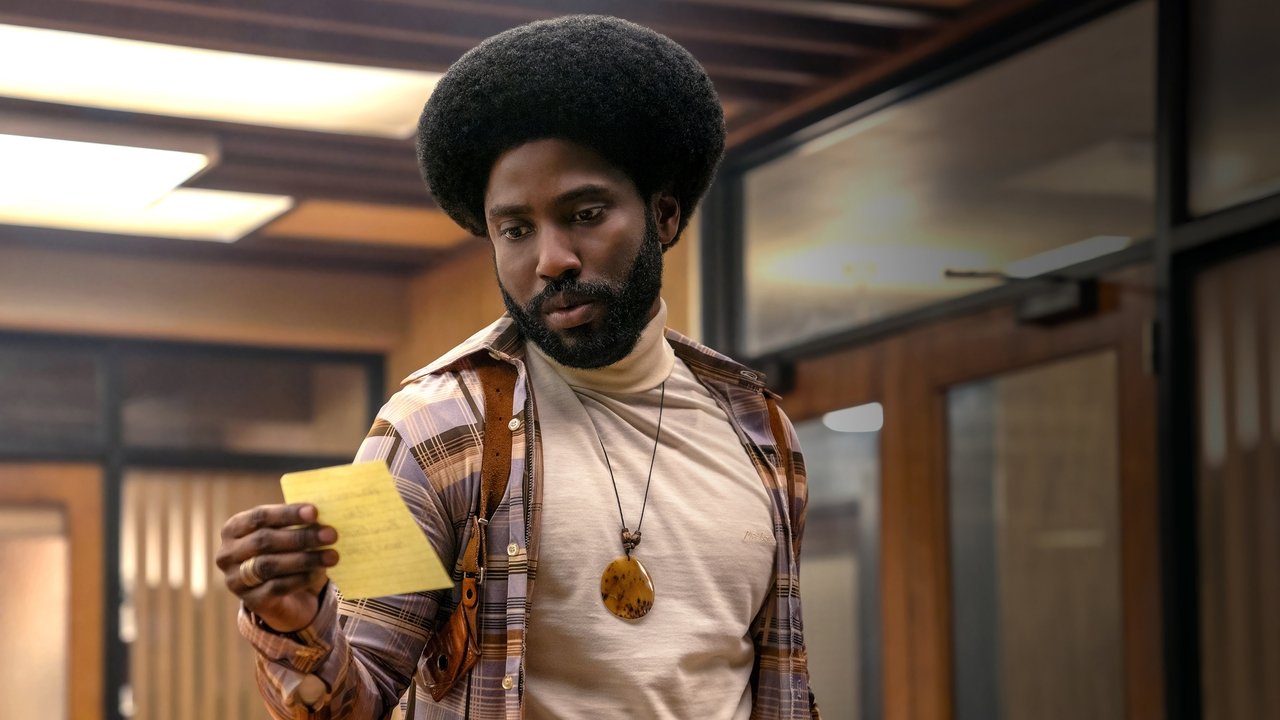
The production of this film has some of those "stars aligning" stories that fans of film history love to obsess over. Originally, Jordan Peele (the guy who redefined modern horror with Get Out) was considering directing it himself, but he realized the material needed Spike Lee’s specific brand of "fire and brimstone" filmmaking.
Here are a few more details that make the movie even better on a second watch:
The real Ron Stallworth actually kept his KKK membership card in his wallet for decades as a souvenir of the sting. Alec Baldwin opens the movie with a performance as a white supremacist "doctor" that was filmed in a single day, mostly as an improvised riff on the absurdity of racist propaganda. The legendary Harry Belafonte makes a cameo to tell the story of the 1916 lynching of Jesse Washington, providing a heartbreaking counterpoint to the Klan’s "heroic" screening of The Birth of a Nation. Jasper Pääkkönen, who plays the most volatile member of the local KKK chapter, is actually a famous Finnish actor and fly-fisherman who Spike Lee discovered while visiting Finland.
BlacKkKlansman is that rare beast: a movie that is incredibly fun to watch while being deeply uncomfortable to think about. It’s a high-wire act of tone, jumping from laugh-out-loud absurdity to genuine terror without missing a beat. Spike Lee proves he hasn't lost his edge, delivering a film that feels essential for understanding the weird, polarized era we’re currently living through. If you haven't seen it, stop reading and find a screen—just maybe skip the stale pretzels.

Keep Exploring...
-
Can You Ever Forgive Me?
2018
-
I Care a Lot
2021
-
The Favourite
2018
-
Da 5 Bloods
2020
-
American Made
2017
-
T2 Trainspotting
2017
-
Logan Lucky
2017
-
Dope
2015
-
Hail, Caesar!
2016
-
Battle of the Sexes
2017
-
I, Tonya
2017
-
Green Book
2018
-
House of Gucci
2021
-

Eddie the Eagle
2016
-
Patriots Day
2016
-
Snowden
2016
-
Just Mercy
2019
-
I Don't Feel at Home in This World Anymore
2017
-
The Man Who Invented Christmas
2017
-
Dolemite Is My Name
2019