Border
"Trust your senses, not your species."
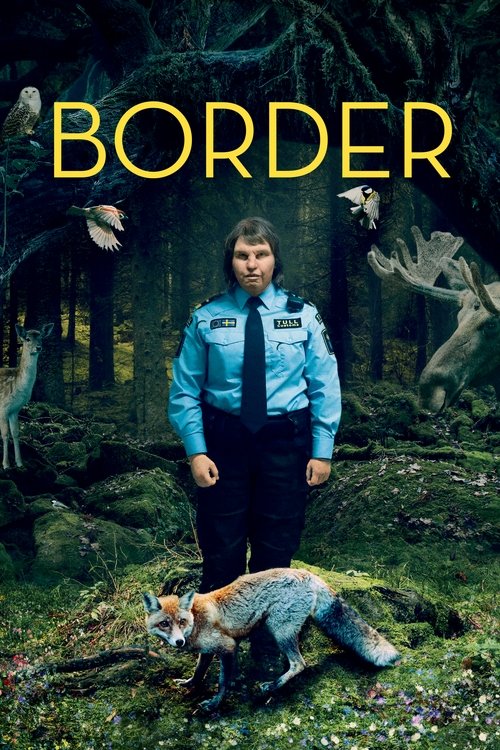
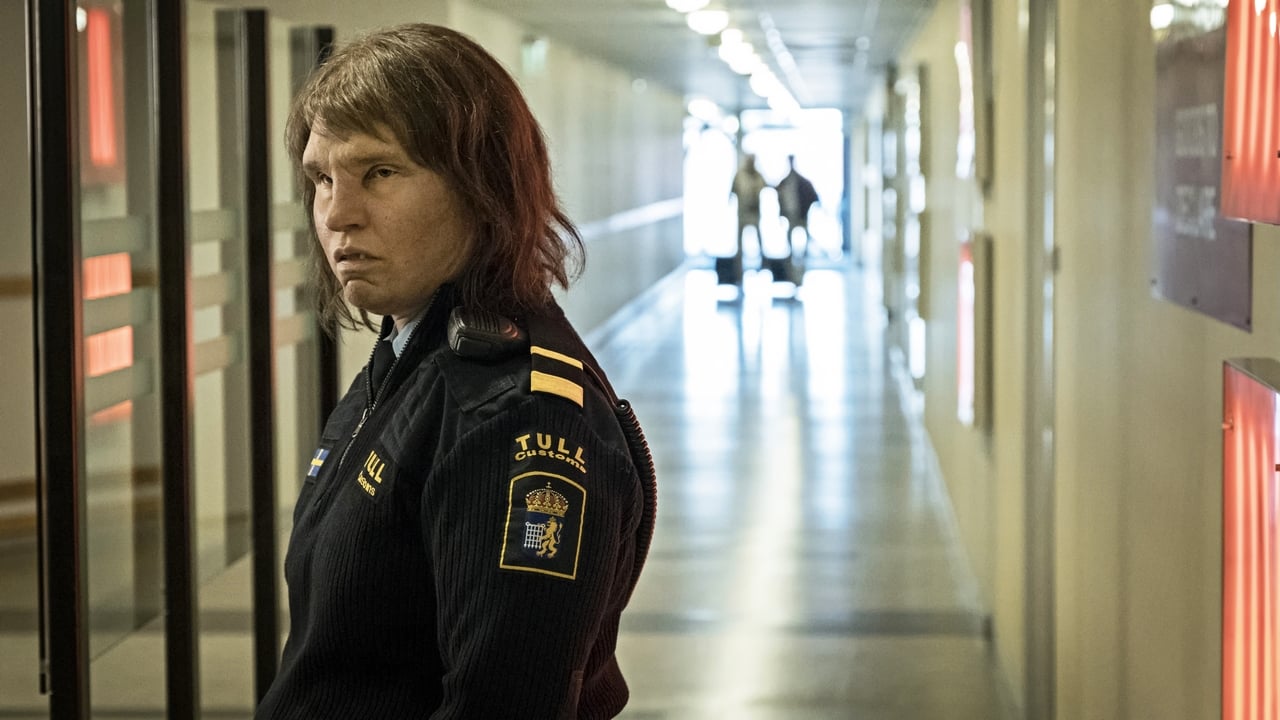
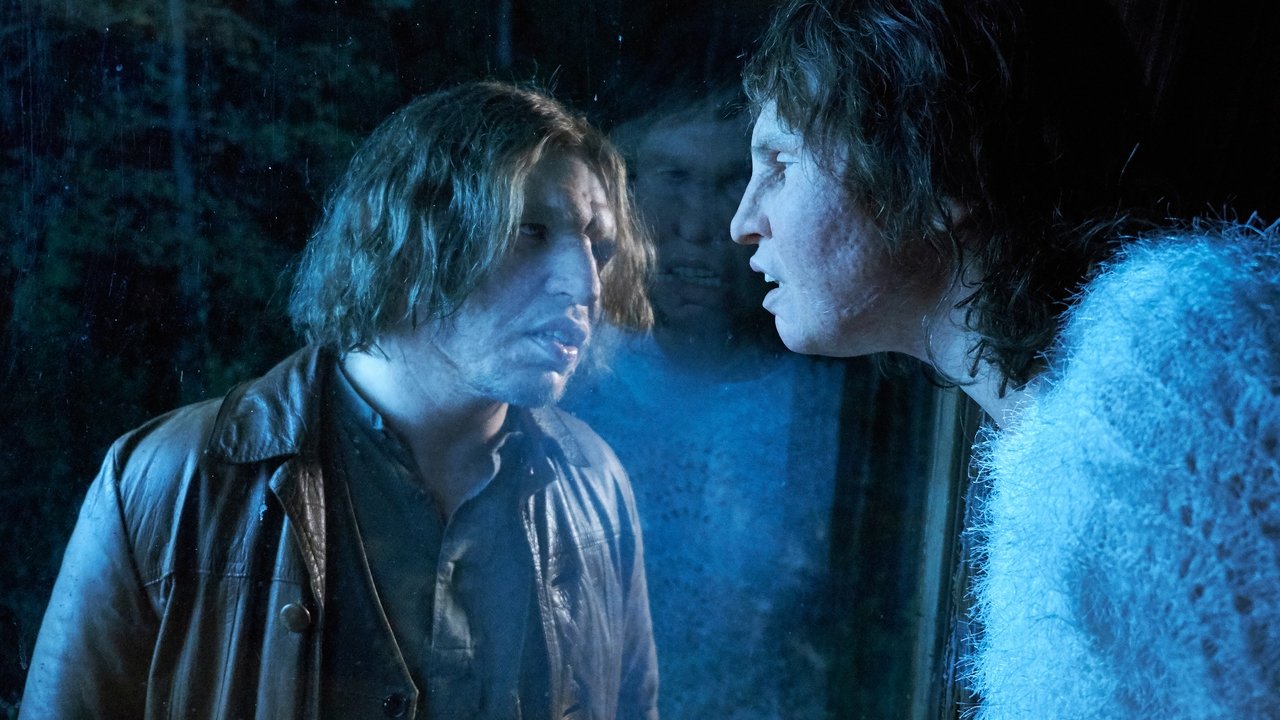
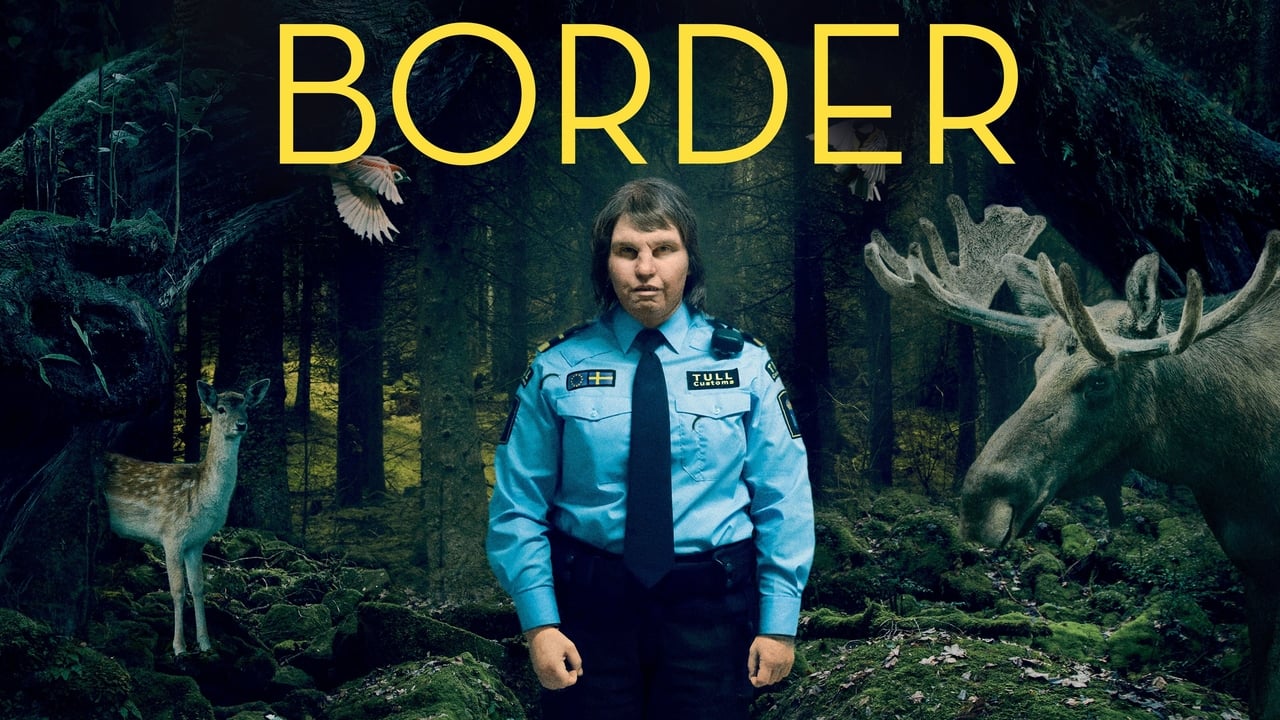
Tina stands at the edge of a ferry terminal, her heavy brow furrowed, nostrils flaring like a predator catching a scent across the tundra. She doesn’t look for hidden compartments or false bottoms; she sniffs out the chemical cocktail of human shame. In the world of Ali Abbasi’s Border, guilt isn’t a concept—it’s a pheromone. Watching Tina work is like watching a nature documentary filmed in a sterile, fluorescent-lit customs office. It is uncomfortable, hypnotic, and utterly unlike anything else currently occupying the "fantasy" shelf of your favorite streaming service.
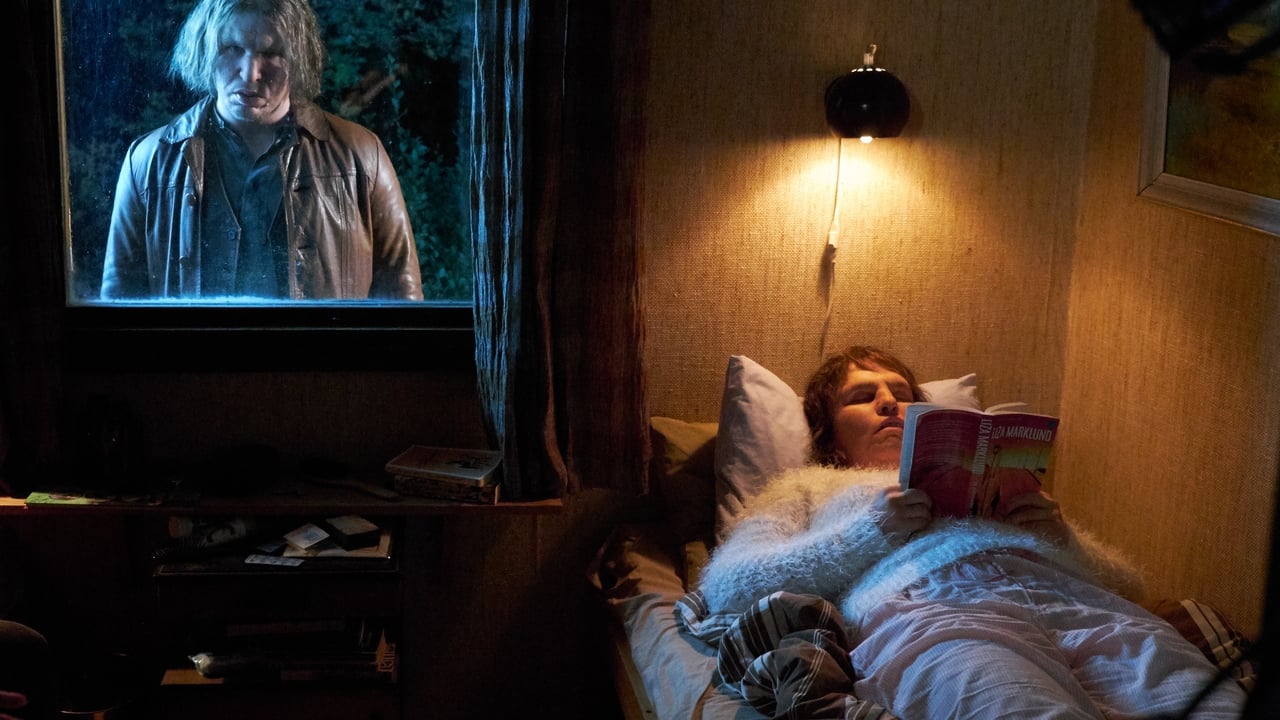
I caught this one on a rainy Tuesday while my neighbor was outside power-washing his driveway for three hours straight, and the relentless, industrial drone of the water actually served as a perfect, accidental score for the film’s grinding tension. Border is a movie that demands you lean into the grit. It’s a contemporary fairy tale that has been dragged through the mud, stripped of its Disney-fied glitter, and forced to work a soul-crushing government job.
The Anatomy of the Other
At the heart of the film is Eva Melander, who delivers a performance so transformative it feels less like acting and more like a biological event. Buried under layers of Oscar-nominated prosthetic work, Melander captures the weariness of a woman who has spent her entire life believing she is a "chromosomal freak." She is hunched, cautious, and deeply lonely, living in a forest cabin with a freeloading boyfriend, Roland (Jörgen Thorsson, who appeared in The Bridge), who cares more about his show dogs than his partner.
Everything changes when Vore walks through her checkpoint. Played with a menacing, chaotic energy by Eero Milonoff, Vore is the first person Tina can’t read. He smells like nothing she’s ever encountered—or perhaps, he smells exactly like her. Their connection is immediate and unsettling. When they finally retreat to the woods together, the film shifts from a cold Scandinavian procedural into something primal and mythological.
The chemistry between Melander and Milonoff is staggering. They manage to make scenes of eating live insects and howling at lightning feel not just plausible, but deeply romantic in a way that bypasses traditional cinema tropes. It’s a bold rejection of the "Hollywood makeover" narrative. Tina doesn’t need to be "pretty" to find herself; she needs to be honest about her own wildness.
A Darker Shade of Folklore
While the romance is the film’s spine, the nervous system is a surprisingly dark crime subplot. Ali Abbasi, who later directed the harrowing Holy Spider, doesn't let the audience off the hook with simple forest escapism. Tina’s "gift" leads her into a police investigation involving a child exploitation ring, a narrative choice that grounds the high-concept fantasy in the harshest possible reality.
This is where the screenplay, co-written by John Ajvide Lindqvist (the mastermind behind Let the Right One In), really shows its teeth. It uses the "monster" to look at the worst impulses of humanity. It forces a question that feels particularly pointed in our current cultural moment: who is the real outsider? Is it the one who looks different, or the one who commits the unthinkable behind a "normal" face?
The film handles this tonal tightrope walk with surprising grace. It moves from a bizarrely anatomical sex scene that will haunt your search history to a sequence of crushing moral choices without missing a beat. It’s a film that understands that being "special" isn't a superhero origin story; it's usually just a faster way to get your heart broken.
Why It Matters Now
In an era where most fantasy films feel like they’ve been focus-grouped into oblivion, Border feels dangerous. It’s a product of the modern European film machine—Meta Film Stockholm and Black Spark—that manages to feel ancient. Released in 2018, it arrived just as "elevated horror" and "folk horror" were becoming buzzwords, yet it defies both labels. It’s too melancholic for horror and too visceral for a standard drama.
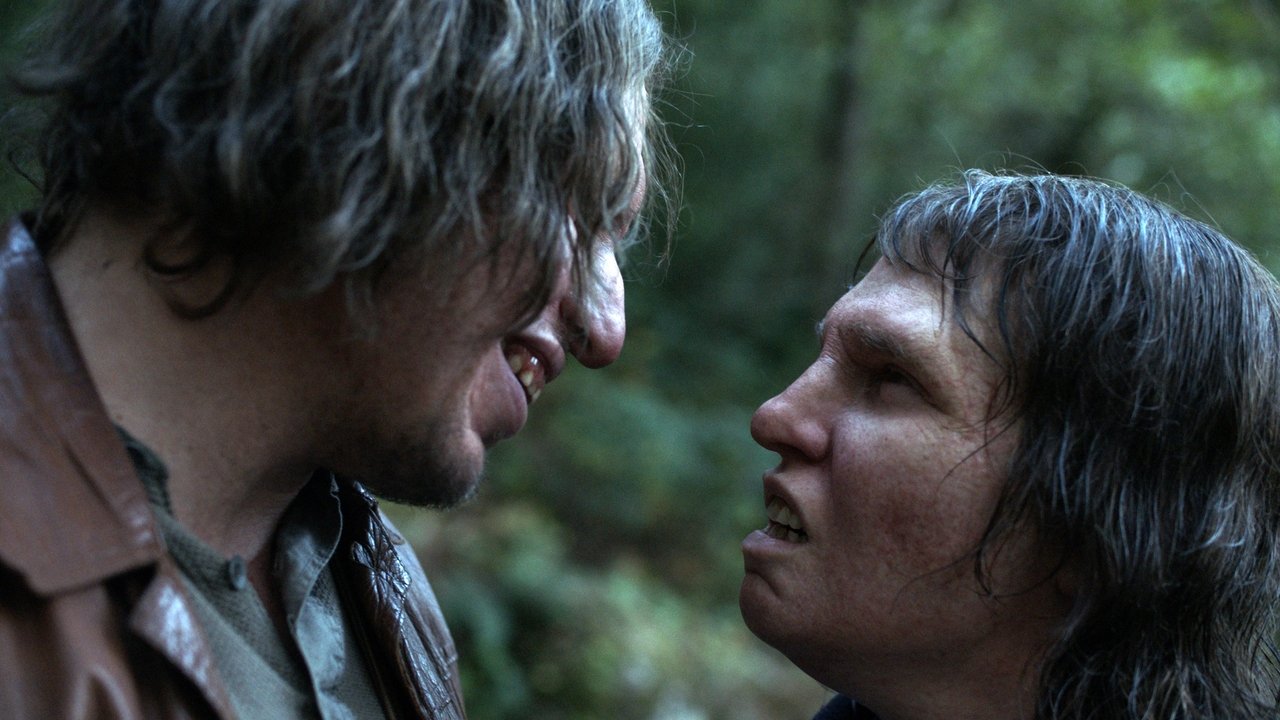
The film’s use of practical effects is a masterclass in how to use technology to enhance, rather than replace, human performance. The prosthetics don’t mask Melander’s expressions; they amplify the sadness in her eyes. It’s a sharp contrast to the seamless, often soulless CGI de-aging and virtual production we see in tentpole franchises. Border reminds me that the most effective special effect is still a human face, even one hidden under three inches of silicone.
If there’s a flaw, it’s that the crime plot occasionally feels like it belongs to a different movie, a standard Nordic Noir that Tina just happens to wander into. But even this feels intentional. It emphasizes Tina’s position as a bridge between two worlds—the mundane, cruel world of men and the ancient, amoral world of nature.
Ultimately, Border is a film about the cost of assimilation. It’s for anyone who has ever felt like they were vibrating on a slightly different frequency than the rest of the room. It’s weird, it’s wet, it’s occasionally gross, and it’s deeply moving. You might want to skip the snacks for this one—especially if they involve grubs—but you absolutely shouldn't skip the experience. It’s the kind of movie that stays in your nostrils long after the credits roll.
Keep Exploring...
-

Batman vs. Robin
2015
-
The Exorcism of God
2022
-

The Apprentice
2024
-

Dark Places
2015
-
Dope
2015
-
Heist
2015
-
Mr. Holmes
2015
-
Suburra
2015
-
Before I Wake
2016
-
Imperium
2016
-

Justice League vs. Teen Titans
2016
-
Miss Sloane
2016
-
The Infiltrator
2016
-

The Red Turtle
2016
-
I Don't Feel at Home in This World Anymore
2017
-
I Kill Giants
2017
-
In the Fade
2017
-
Roman J. Israel, Esq.
2017
-
Unicorn Store
2017
-
22 July
2018