Boy Erased
"Your identity isn't a sin to be scrubbed."
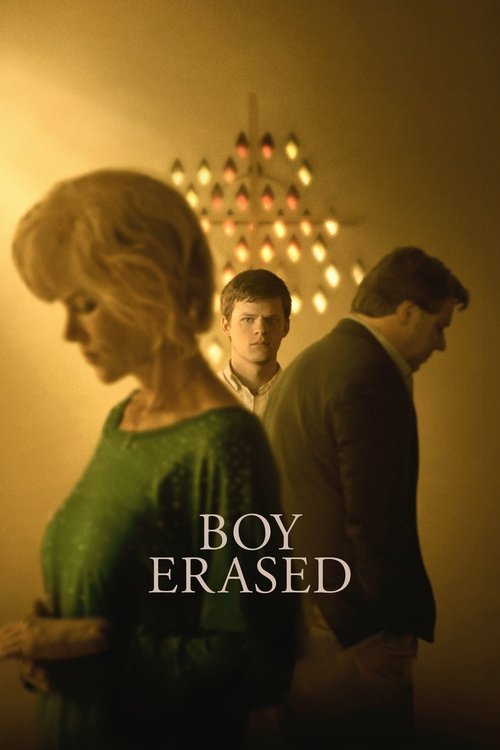
The "Good Son" is a specific kind of role that Lucas Hedges has basically trademarked for the late 2010s. Whether he’s mourning in Manchester by the Sea or being the sweet, slightly awkward boyfriend in Lady Bird, he possesses this unique ability to look like he’s perpetually apologizing for his own existence. In Boy Erased, that quality is weaponized. This isn’t a movie about a rebel or a firebrand; it’s a movie about a kid who desperately wants to be the person his parents think he is, only to realize that the "cure" for his nature is far more toxic than the supposed "affliction."

I watched this while trying to assemble a particularly stubborn IKEA nightstand, and by the end, I’d just given up on the furniture and was staring at the screen with a screwdriver in one hand and a cold, half-eaten slice of pepperoni pizza in the other. There is something about the clinical, beige-walled sterility of the conversion therapy center in this film that demands your undivided, slightly uncomfortable attention.
The Banality of Spiritual Evil
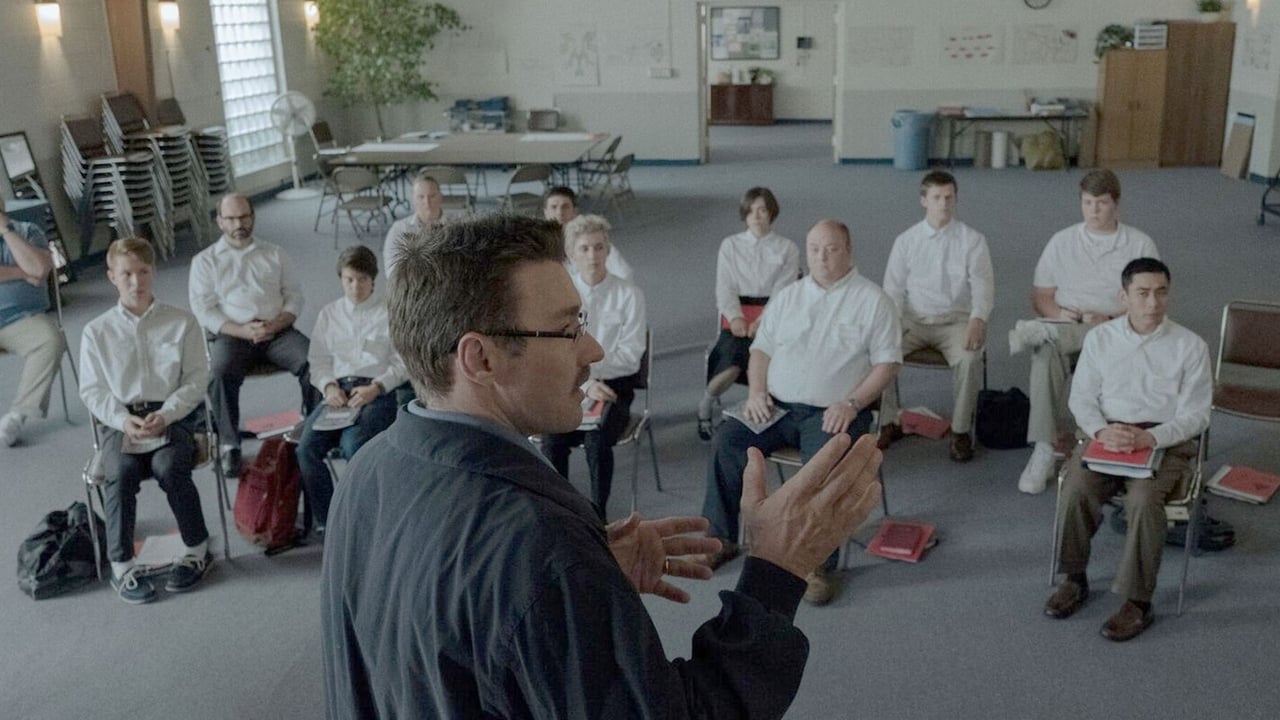
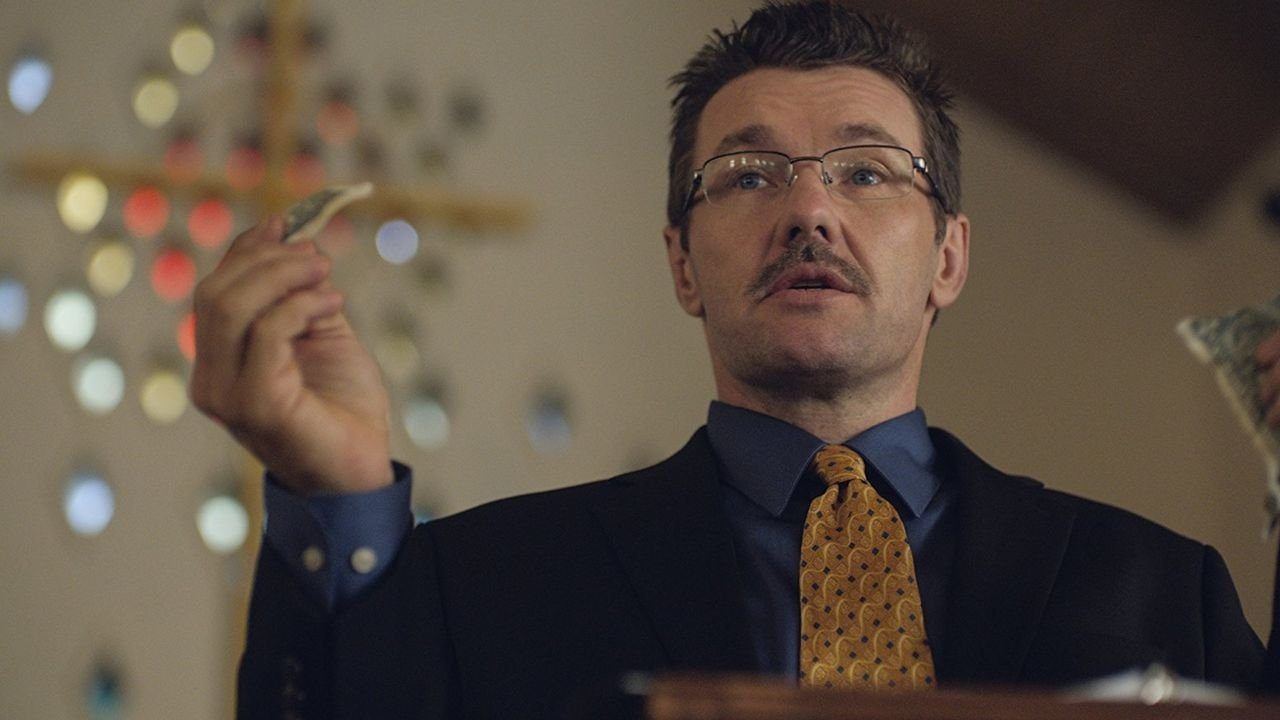
Director Joel Edgerton—who also wrote the screenplay and cast himself as the program lead, Victor Sykes—makes a brilliant choice in how he frames the "Love in Action" program. He doesn’t turn it into a gothic torture chamber. Instead, he presents it as a bland, corporate seminar. It’s all three-ring binders, folding chairs, and "moral inventories." This approach is far more terrifying because it feels plausible. It’s the bureaucracy of shame.
Edgerton’s hair in this movie is its own special kind of theological crisis, a stiff, managed coif that matches his character’s rigid worldview. As Sykes, he isn't a screaming zealot; he’s a middle-manager of the soul. He uses the language of therapy to dismantle the psyches of young people, and seeing the mechanics of that manipulation is deeply unsettling. The film captures that contemporary obsession with "fixing" people through pseudoscience and spiritual pressure, a conversation that feels incredibly relevant as legislative battles over these very programs continue to ripple through the news cycle.
A Masterclass in Parental Conflict
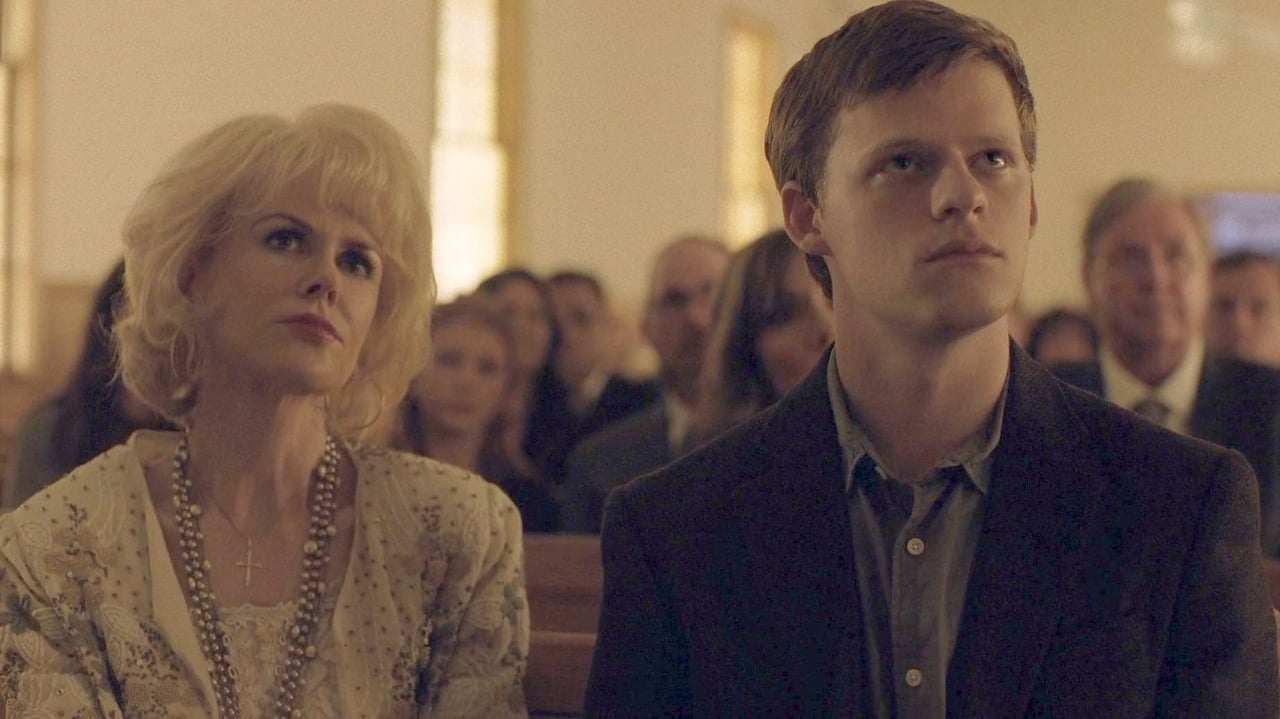
The heart of the drama, however, isn't just the program—it’s the home. Russell Crowe and Nicole Kidman play Jared’s parents, Marshall and Nancy. This is some of the best work Crowe has done in years. He plays Marshall, a Baptist pastor, not as a monster, but as a man who is genuinely terrified for his son's soul. He’s blinded by his own theology, and Crowe brings a heavy, lumbering sadness to the role that makes the conflict feel lived-in rather than scripted.
Then there’s Kidman. Initially, her Nancy seems like a passive observer, draped in Southern-mom florals and hiding behind a polite smile. But her arc is the most satisfying one in the film. While Jared is the one in the trenches, Nancy is the one who has to decide if her loyalty lies with her husband’s dogma or her son’s humanity. When she finally finds her voice, it’s like watching a dam break. It’s a reminder that Kidman can do more with a single, watery-eyed look than most actors can with a five-minute monologue.
The Contemporary Lens of Representation
Released in 2018, Boy Erased arrived right as the industry was grappling with how to tell "issue" stories without falling into the trap of "trauma porn." It’s a delicate balance. It’s basically a horror movie disguised as a prestige drama, yet it avoids being gratuitously cruel. We see the impact of the program through Jared’s eyes, but we also see the community around him. The inclusion of Troye Sivan as Gary, another attendee, adds a layer of authentic modern queer perspective. Sivan plays a character who has learned to "perform" the program to survive, highlighting the tragic masks these kids are forced to wear.
Behind the scenes, the production was heavily informed by Garrard Conley’s memoir. Edgerton reportedly consulted with survivors and activists to ensure the "Love in Action" curriculum shown on screen was accurate to the 2004 setting while speaking to the "conversion" industry that still exists today. Despite a modest box office return—earning just under $8 million—the film’s legacy lives on through streaming and its use as an educational tool. It’s the kind of movie that didn't need to be a blockbuster to be a success; it just needed to exist as a testament.
Boy Erased is a heavy lift, but it’s an essential one for anyone interested in how modern cinema handles the intersection of faith and identity. It doesn't offer easy answers or a magical "happily ever after" where the father suddenly changes his entire worldview. Instead, it offers a grounded, empathetic look at the cost of being yourself in a world that wants you to be someone else. It's a quiet film that leaves a loud echoing silence once the credits roll.

Keep Exploring...
-
The Gift
2015
-

Fathers and Daughters
2015
-

Midnight Special
2016
-

Whiskey Tango Foxtrot
2016
-
Motherless Brooklyn
2019
-

The Goldfinch
2019
-

Thirteen Lives
2022
-
Anomalisa
2015
-

Beasts of No Nation
2015
-

Colonia
2015
-
Dope
2015
-
Entourage
2015
-

Equals
2015
-

Far from the Madding Crowd
2015
-

Max
2015
-
Mr. Holmes
2015
-

Pawn Sacrifice
2015
-
The 33
2015
-

Trumbo
2015
-

20th Century Women
2016