Burning
"The void is watching you back."
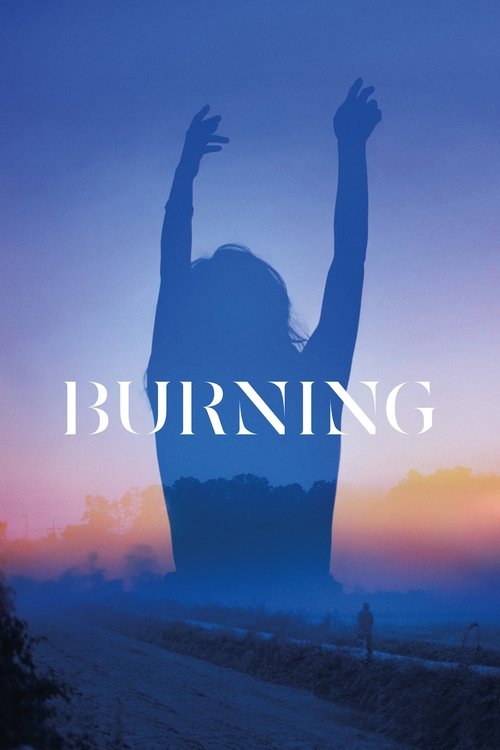
There’s a specific kind of light in Paju—a hazy, gray-blue wash that makes everything look like it’s about to evaporate. It’s the perfect setting for a film that feels less like a narrative and more like a fever dream you can’t quite shake. I watched this most recently while my laptop fan was making a noise like a dying bumblebee, but even that couldn't distract me from the suffocating tension of the opening frames. Director Lee Chang-dong, who gave us the shattering Poetry, returned from an eight-year hiatus to deliver what I consider the definitive cinematic ghost story of our era. But the ghost isn't a lady in a white sheet; it’s the crushing weight of existing in a world where you’re invisible.

The Great Gatsby of Seoul
The story follows Jong-su, played with a brilliant, slack-jawed frustration by Yoo Ah-in. He’s a deliveryman and aspiring writer who spends more time staring at nothing than actually writing. When he reconnects with an old classmate, Hae-mi (Jun Jong-seo in a magnetic debut), the film initially feels like it might be a quirky romance. She’s charmingly chaotic, telling him about her trip to Africa and the concept of the "Great Hunger"—the search for the meaning of life. Then she comes back with Ben.
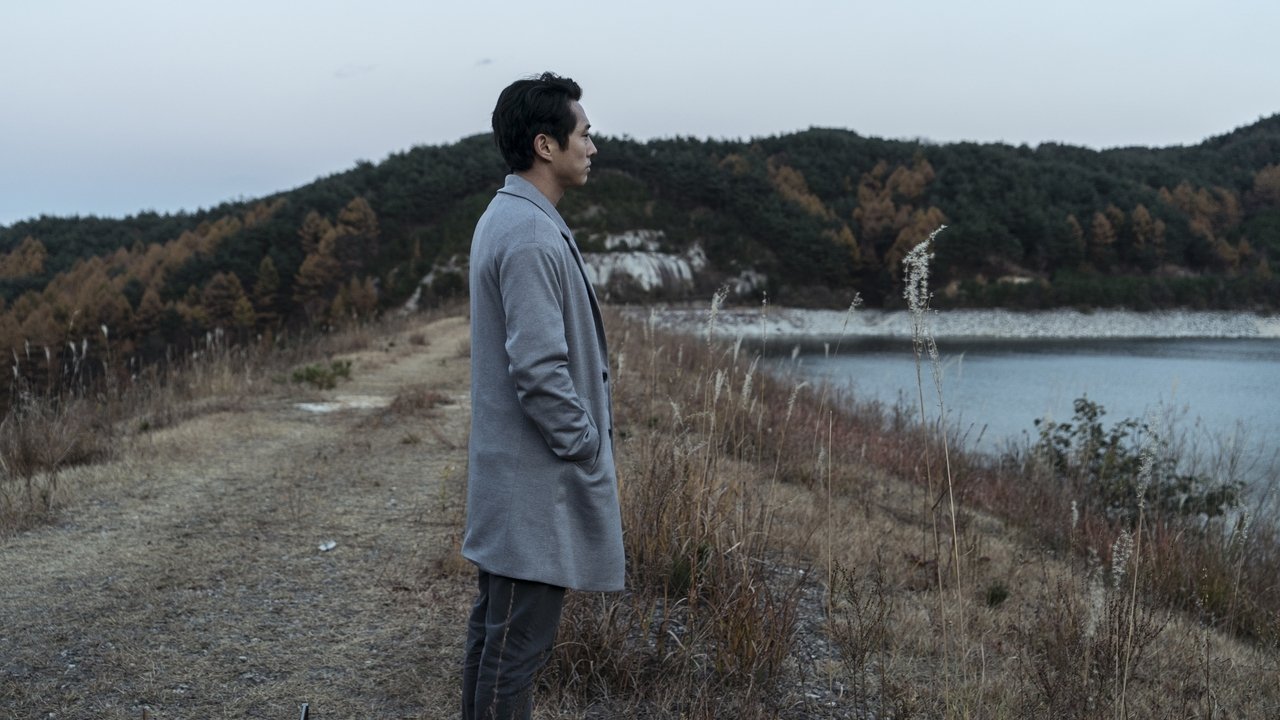
Steven Yeun (of The Walking Dead and later Minari) as Ben is a revelation. He is the "Great Gatsby" of modern Seoul—wealthy, polished, and terrifyingly bored. He lives in a neighborhood so upscale the trash probably smells like expensive cologne. Ben represents everything Jong-su isn't, and the friction between them isn't just about Hae-mi; it’s about class rage. The film is a Rorschach test for how much you distrust wealthy people with nice kitchens. Ben’s casual admission that he likes to burn down abandoned greenhouses every few months isn't just a plot point; it’s a declaration of god-like apathy. He destroys things because he can, and because the world has so much "useless" clutter that no one will notice if a bit of it goes up in smoke.
The Art of the Disappearing Act
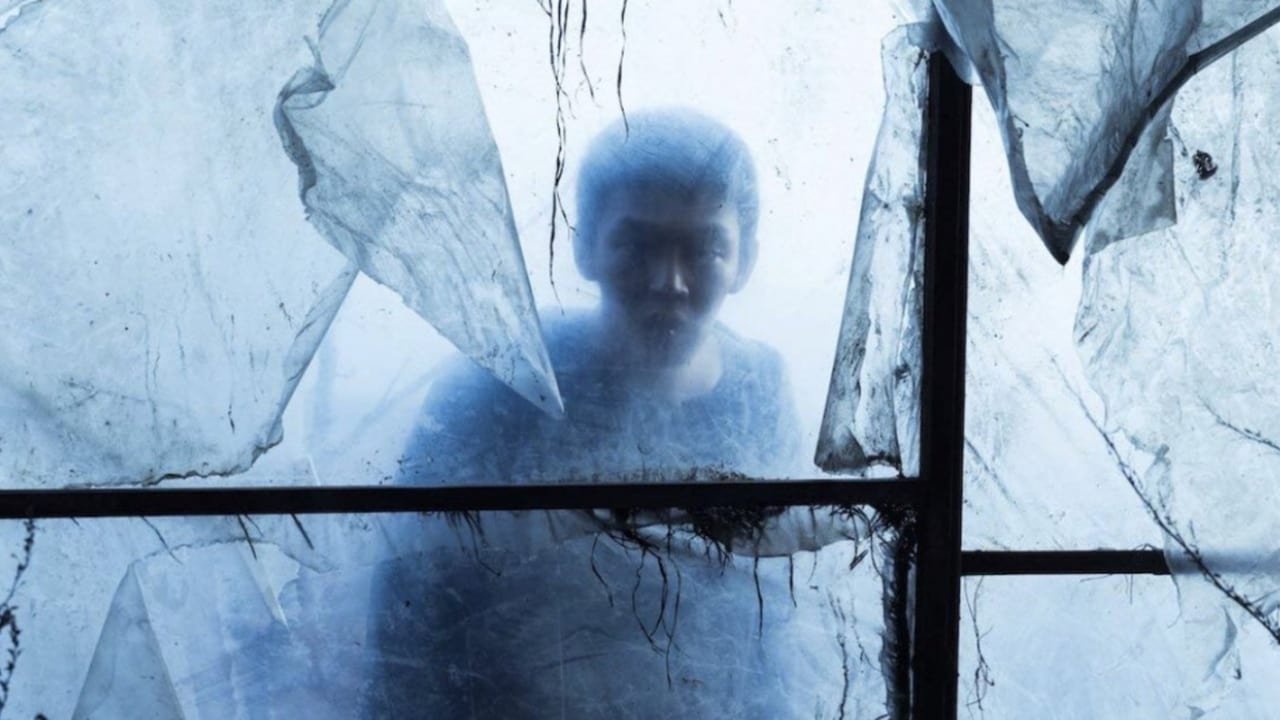
What makes Burning so effective for a contemporary audience is how it handles the "mystery." In a world of over-explained franchise lore and cinematic universes that need a wiki to understand, Lee Chang-dong refuses to give us easy answers. When Hae-mi vanishes, the film shifts into a low-frequency thriller. Is Ben a serial killer? Is Jong-su losing his mind? Does the cat even exist?
I love how the cinematography by Hong Kyung-pyo (who also shot the Oscar-winning Parasite) uses the landscape. The border with North Korea is literally right there, with propaganda broadcasts blaring in the distance while Jong-su works his father’s farm. It adds a layer of existential dread that feels incredibly "now"—the sense that we are all living on the edge of a collapse we can’t quite see. Interestingly, the film is based on a Haruki Murakami short story called "Barn Burning," but the screenplay adds a layer of simmering political anger that wasn't in the source material. It captures that specific 21st-century feeling of being a "lost" generation, over-educated and under-employed, watching the elite play a different game entirely.
A Masterpiece of Restraint
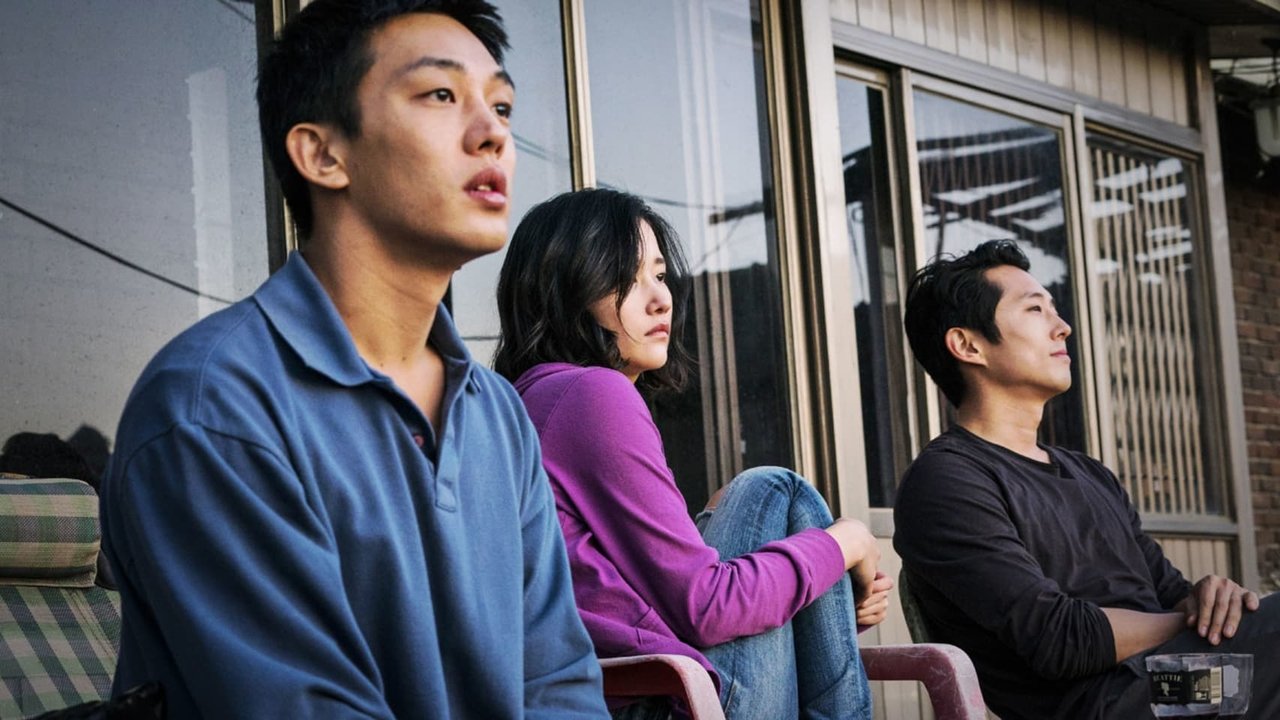
The performance from Steven Yeun is something I still think about once a week. There’s a scene where he yawns while watching his "friends" interact, and it’s the most menacing use of a yawn in cinema history. He isn't a mustache-twirling villain; he’s just someone for whom other people are merely sources of entertainment. Against him, Yoo Ah-in delivers a masterfully internalized performance. You can see the gears grinding in his head, the slow-motion car crash of a man trying to find a narrative in a world that is fundamentally chaotic.
Budgeted at just over $7 million, the film didn't set the box office on fire, but its legacy has only grown. It was the first South Korean film to make the final Oscar shortlist for Best Foreign Language Film, and it paved the way for the global "K-wave" that eventually led to the Parasite sweep. It’s a slow burn, yes—the 148-minute runtime requires you to actually sit still—but the payoff is a final act that feels like a punch to the solar plexus. It doesn’t just end; it haunts you.
Burning is the kind of film that makes you look at your neighbors differently. It demands your full attention and rewards it with a lingering sense of unease that stays in your marrow long after the credits roll. If you’ve ever felt like the world was moving on without you, or if you’ve ever looked at a sunset and felt a sudden, inexplicable grief, this is your movie. Just don't expect it to hold your hand through the dark.
Keep Exploring...
-

Black Box
2021
-
The Outfit
2022
-

Missing
2023
-
Mirage
2018
-

Forgotten
2017
-

The Professor and the Madman
2019
-

The Call
2020
-

Thelma
2017
-
Sherlock: The Abominable Bride
2016
-

The Invisible Guest
2017
-

The Killing of a Sacred Deer
2017
-

Searching
2018
-
Eye in the Sky
2015
-

Suburra
2015
-

Brimstone
2016
-

Miss Sloane
2016
-

Detroit
2017
-
Marrowbone
2017
-
22 July
2018
-
An Officer and a Spy
2019