Cam
"Your account has been compromised. So has your soul."
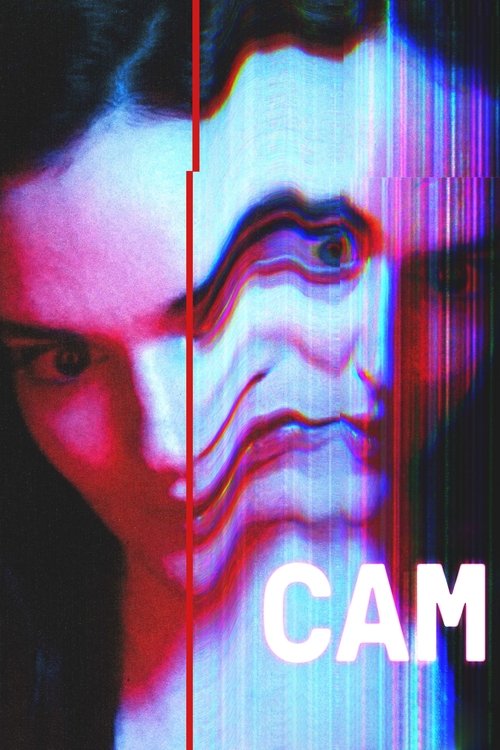
Logging into your own life and finding the password has been changed is a specific kind of modern, cold-sweat terror. We’ve all had that momentary heart-skip when an "Unauthorized Login" notification pops up from some server in a country we’ve never visited, but Cam takes that digital violation and turns it into a neon-soaked nightmare. I watched this while my cat was staring intensely at a dark corner of the room, and the combination of her unblinking eyes and the film's neon dread made me genuinely consider throwing my router out the window.
The Terms of Service From Hell
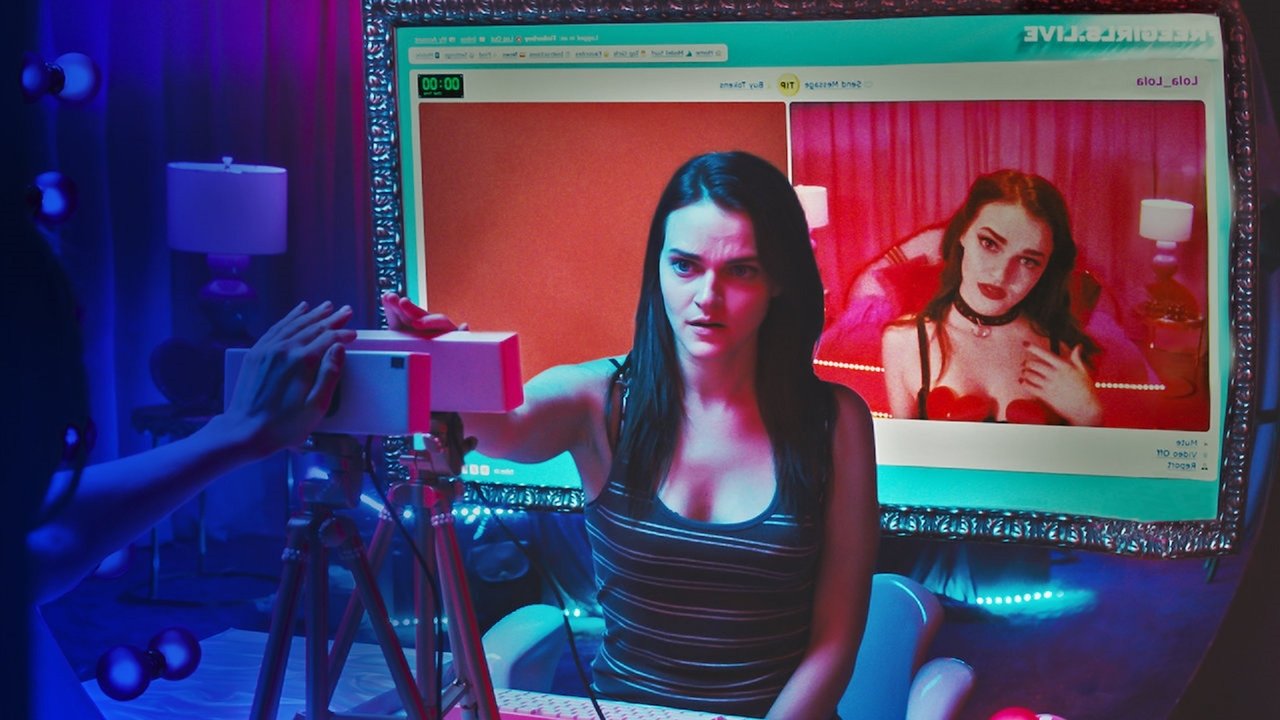
Alice (Madeline Brewer) is a woman with a plan. She’s a high-ranking performer on a camgirl site, obsessed with her "rank" and willing to stage elaborate, fake-gory suicide stunts to climb the leaderboard. She’s professional, driven, and—most importantly—in total control of her persona, "Lola." Then, the floor drops out. She’s locked out of her account, only to see "Lola" go live without her. Except it isn’t a pre-recorded loop. It’s a literal, physical double. It looks like her, talks like her, and—most disturbingly—knows exactly how to manipulate her audience better than she does.
What makes Cam so effective for a contemporary audience is how it weaponizes the "Streaming Era" anxieties we usually ignore while scrolling. Director Daniel Goldhaber and writer Isa Mazzei (who drew from her own experiences as a camgirl) don’t lean on the tired "internet is bad" trope. Instead, they treat Alice’s job with a refreshing, matter-of-fact professionalism. The horror doesn't come from the work itself; it comes from the loss of agency. In a world where our faces are our brands, what happens when the brand decides it doesn't need the human anymore? It’s a "Terms and Conditions" horror story where the fine print actually comes for your skin.
An Insider’s Gaze
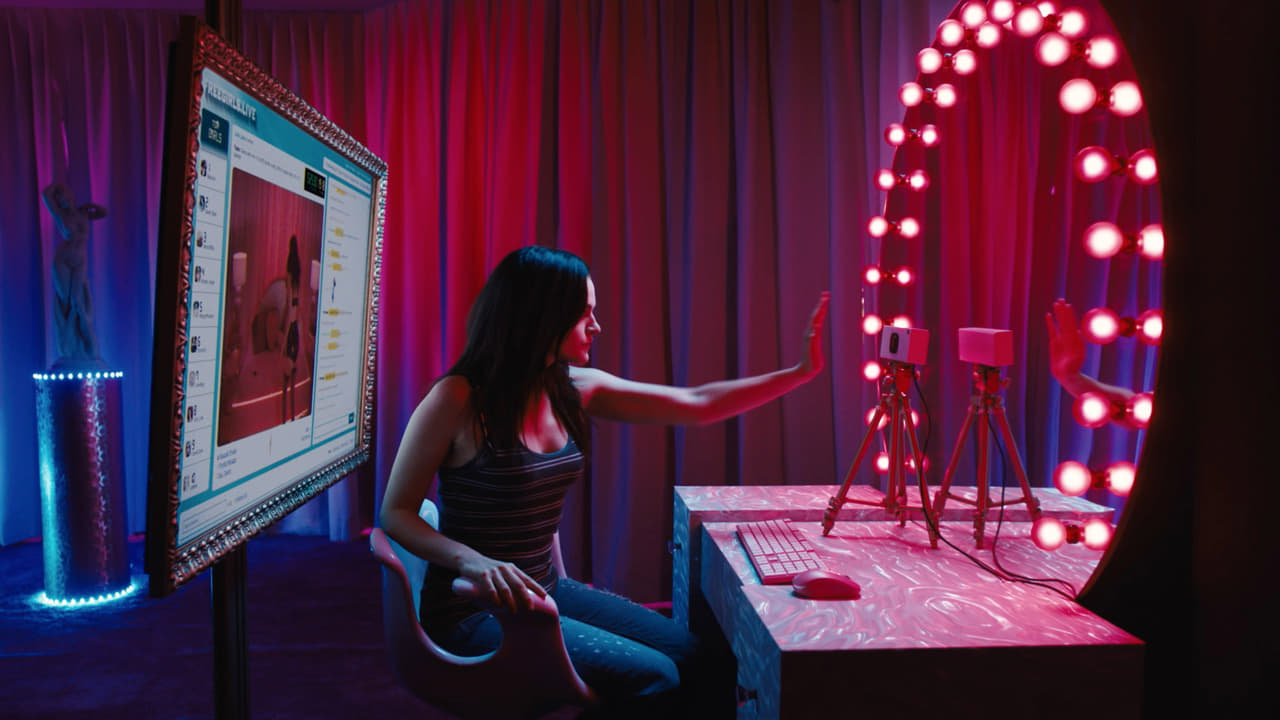
One of the biggest hurdles for indie horror is making a $1 million budget look like a deliberate aesthetic choice rather than a limitation. Cam manages this by leaning into the claustrophobia of the "studio"—which is just Alice’s bedroom. The cinematography by Katelin Arizmendi is saturated in "bi-lighting" (those pinks and blues that have defined the 2010s aesthetic), creating a world that feels both hyper-intimate and chillingly artificial. It’s a film that understands the specific architecture of a computer screen; the way a chat window can feel like a lifeline or a cage.
The secret weapon here is the script’s authenticity. Because Isa Mazzei actually lived in this world, the film avoids the "clueless outsider" gaze that ruins so many movies about sex work. There’s no moralizing here. Madeline Brewer—who you might recognize from The Handmaid’s Tale or Orange Is the New Black—delivers a performance that is nothing short of heroic. She’s playing Alice, she’s playing Lola, and she’s playing the "Replica Lola." The subtle shifts in her facial expressions when she realizes her digital twin is performing her own trauma for tips are genuinely gut-wrenching. She makes the digital feel visceral.
The Algorithm is Watching

While the film thrives on its mystery, it’s the "Fear Mechanics" that stayed with me. It’s not a jump-scare fest. It’s a slow-burn psychological erosion. The "threat" isn't a guy in a mask; it's a faceless, uncaring system that views a human being as a data point. The supporting cast, including Patch Darragh as a "super-fan" whose entitlement feels all too real in the age of parasocial relationships, adds a layer of grounded, "real-world" threat to the supernatural glitchiness. Even Devin Druid (from 13 Reasons Why) pops up as a younger brother who represents the fragile bridge between Alice's online life and her domestic reality with her mother, played by Melora Walters.
There’s a bit of trivia that highlights the indie hustle behind this: the production actually built a functional version of the "Lola" cam site interface so the actors could interact with real-time chat feeds. This allowed Madeline Brewer to react to the "donors" in a way that feels spontaneous. It’s that kind of low-budget ingenuity that elevates Cam above its peers. It premiered at the Fantasia International Film Festival and was quickly snatched up by Netflix, proving that you don’t need a franchise budget to capture the zeitgeist—you just need a terrifyingly relevant idea and the guts to follow it into the dark.
Ultimately, Cam works because it refuses to give easy answers. It’s a film about the horror of being "surpassed" by your own data, a theme that has only become more relevant as we argue about AI and deepfakes every single day. It manages to be a tense, stylish thriller while also serving as a sharp critique of the gig economy and the way we commodify ourselves for likes. When the credits rolled, I found myself staring at my own reflection in the black screen of my laptop for a little too long. It’s a movie that makes you want to cover your webcam with a piece of tape and never look at a leaderboard again.

Keep Exploring...
-
Circle
2015
-
It Follows
2015
-
Unfriended: Dark Web
2018
-
Bodies Bodies Bodies
2022
-
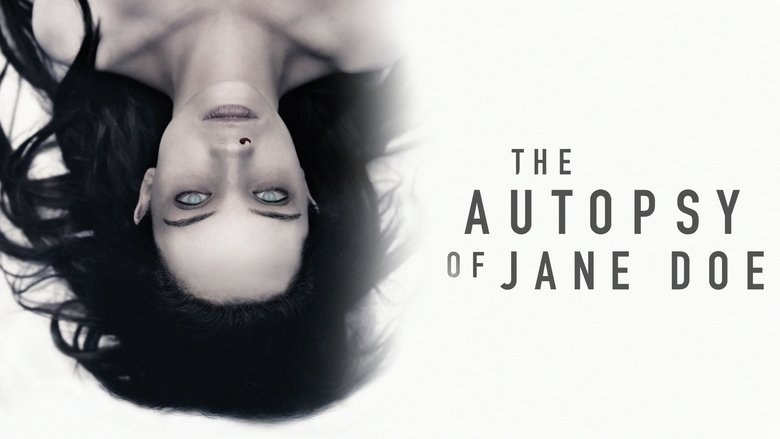
The Autopsy of Jane Doe
2016
-
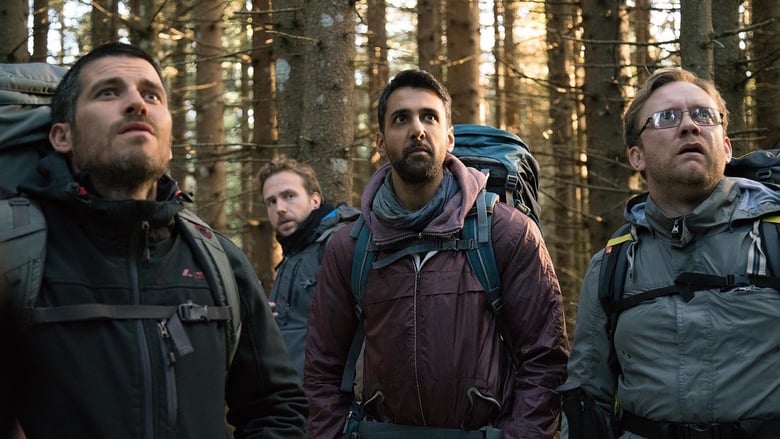
The Ritual
2017
-
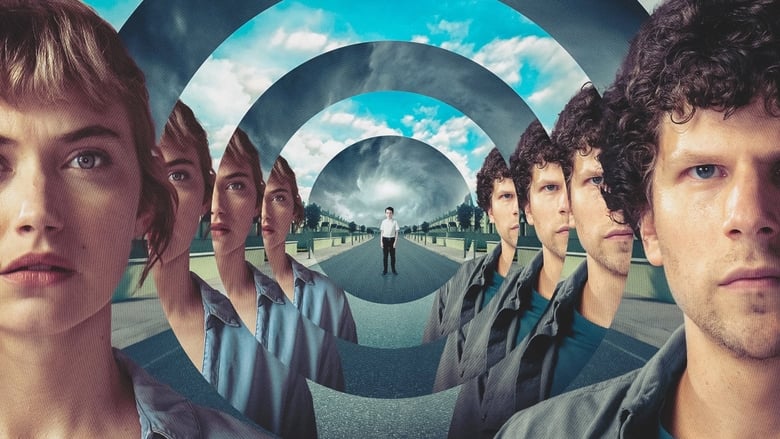
Vivarium
2019
-
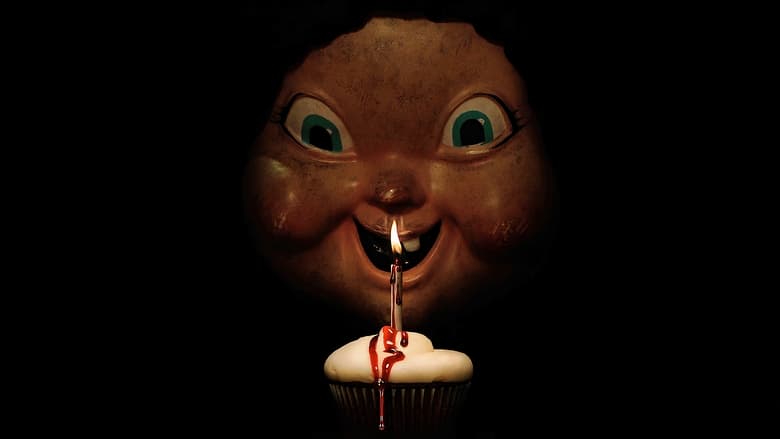
Happy Death Day
2017
-
Crimson Peak
2015
-
The Boy
2016
-
A Cure for Wellness
2017
-
It Comes at Night
2017
-

Jigsaw
2017
-
Life
2017
-
Escape Room
2019
-
Color Out of Space
2020
-
Gretel & Hansel
2020
-
Hubie Halloween
2020
-
I'm Thinking of Ending Things
2020
-
The Empty Man
2020