Capernaum
"A small boy sues the world for his existence."
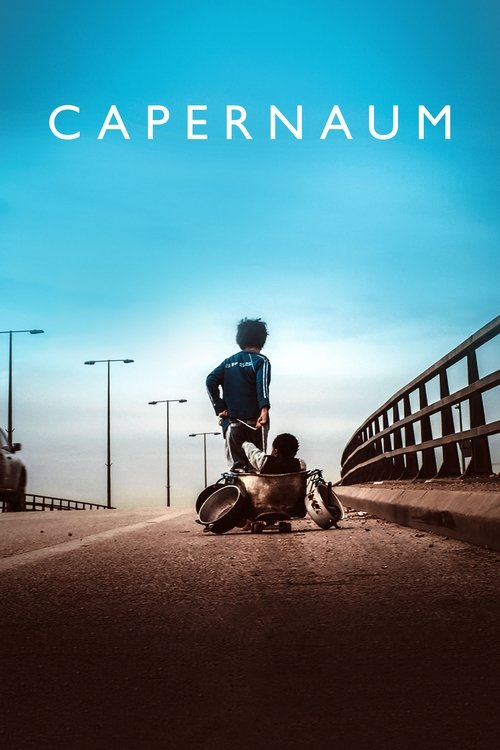
There is a specific kind of defiance that only a child forced to grow up too fast can possess. In the opening moments of Nadine Labaki’s Capernaum, we see it in the eyes of Zain, a 12-year-old boy standing in a Lebanese courtroom. He isn't there just because he’s been caught for a crime—though he has—he’s there to sue his parents. The charge? Giving him life. It’s a premise that sounds like a philosophy student's fever dream, but on the screen, it feels like an indictment of the entire world.
I watched this film on my laptop while my neighbor was power-washing his driveway, and the constant, aggressive hum of the water actually made the crowded, noisy streets of Beirut feel even more suffocatingly real. It’s the kind of movie that makes you feel like a total garbage human for complaining about your slow Wi-Fi or a lukewarm latte.
The Audacity of Survival
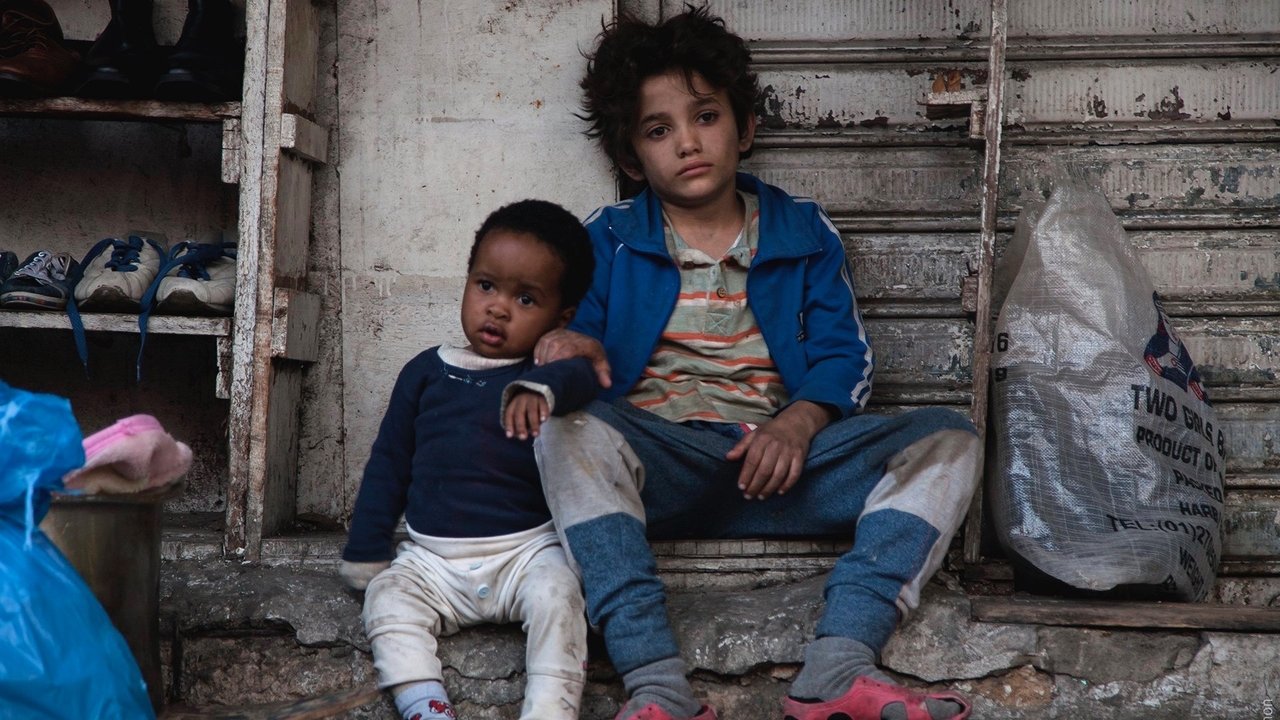
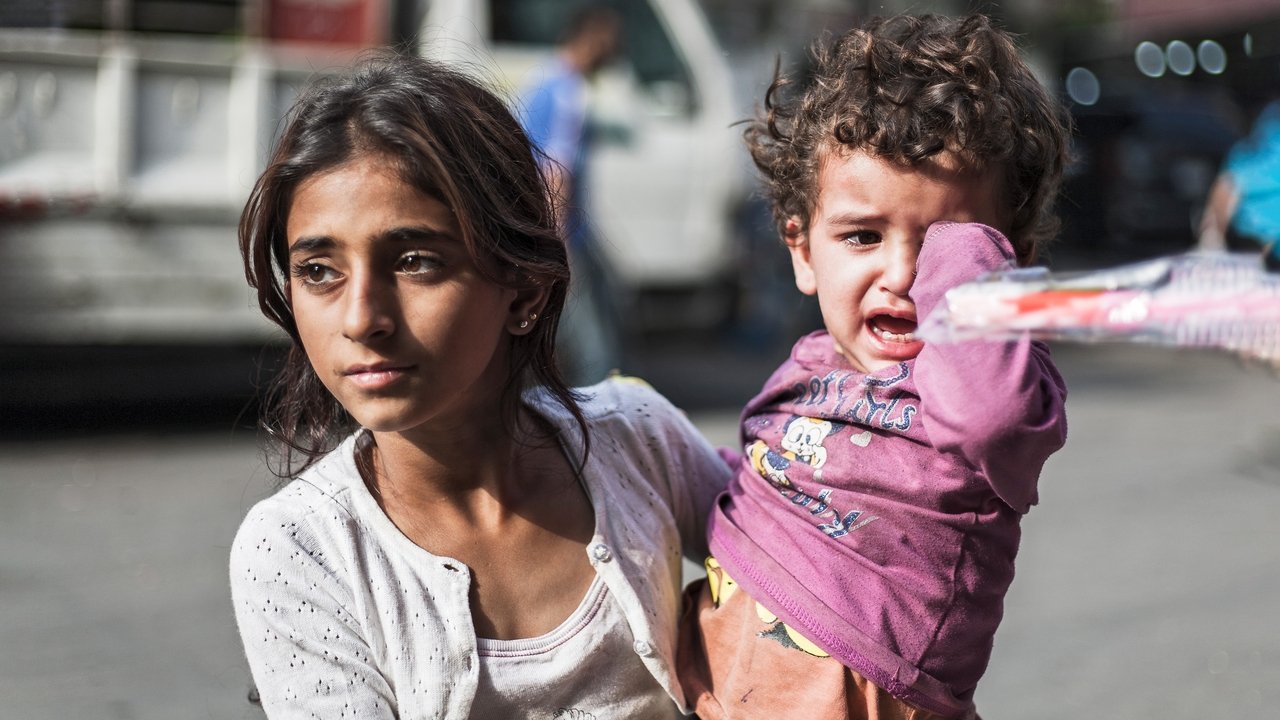
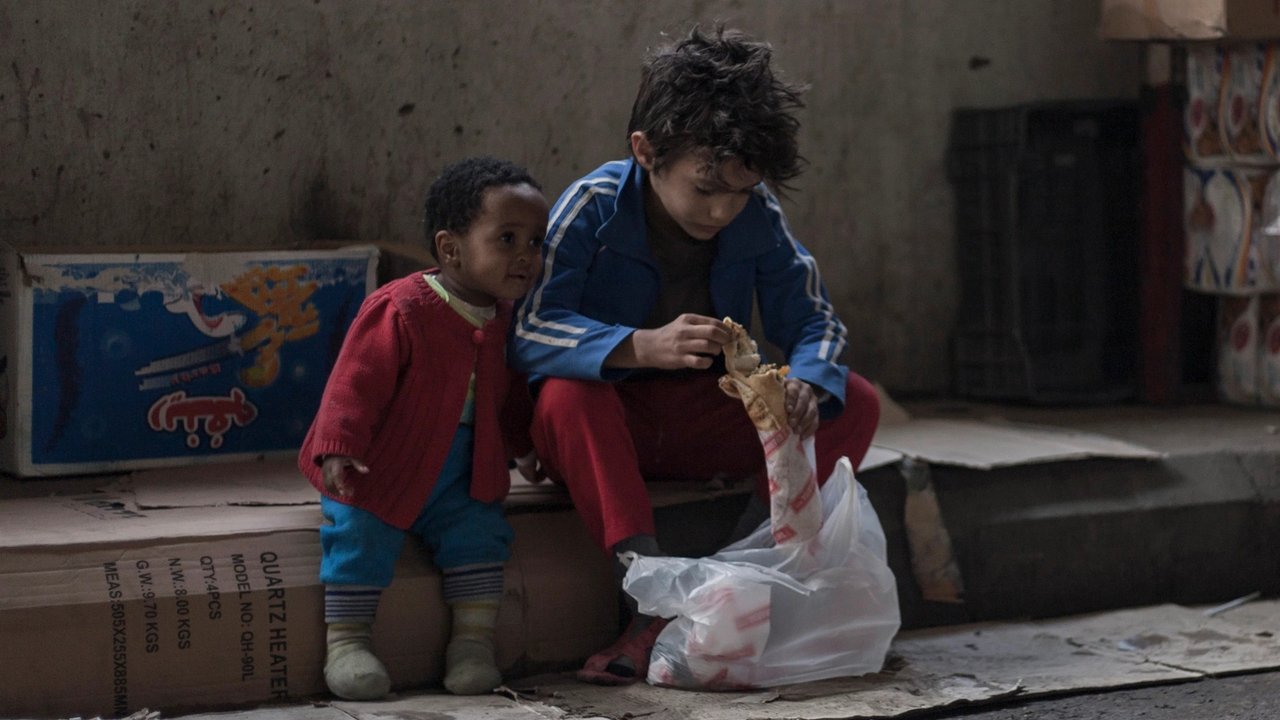
The film follows Zain, played by Zain Al Rafeea, as he navigates a life of extreme poverty. He’s the eldest child in a family that views children as either laborers or commodities. When his beloved younger sister, Sahar (Cedra Izzam), is sold into marriage to a local grocer, Zain snaps. He runs away, eventually finding a bizarre, makeshift family with Rahil (Yordanos Shifera), an undocumented Ethiopian refugee, and her toddler, Yonas (Boluwatife Treasure Bankole).
What makes Capernaum so striking in our current cinematic landscape is its commitment to "street casting." This isn't a Hollywood star putting on dirt-colored makeup to win an Oscar. Zain Al Rafeea was a Syrian refugee living in Beirut when he was discovered; he didn't even know how to write his own name at the time. His performance isn't "acting" in the traditional sense; it’s a controlled release of lived-in frustration. When he looks at the camera, you aren't seeing a character; you’re seeing a witness.
A Philosophical Cage Match
Beneath the grit, Capernaum (which means "chaos" or "a place with a heap of objects") asks a heavy, contemporary question: Is it an act of cruelty to bring a child into a world that has no place for them? It forces us to grapple with the ethics of parenthood in the absence of resources. The film doesn't let the parents off the hook, but it doesn't entirely demonize them either. They are portrayed as products of the same broken machine as Zain—people who were never taught how to be anything other than survivors.
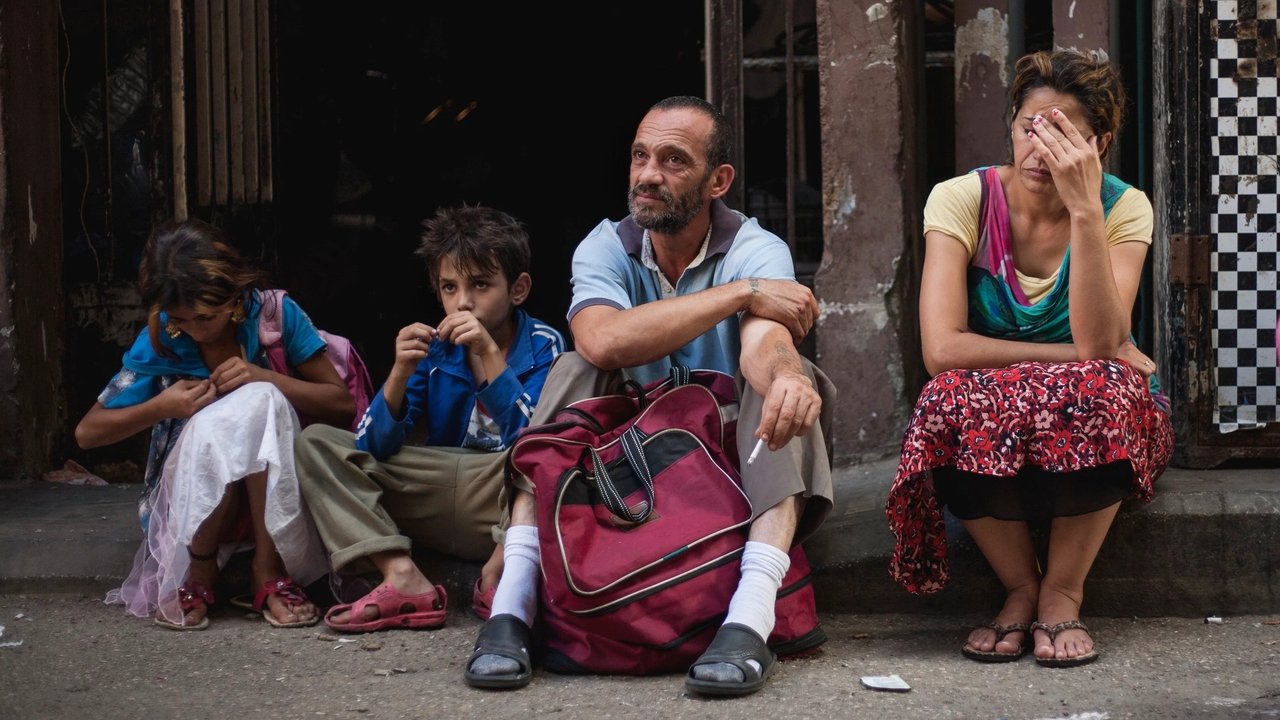
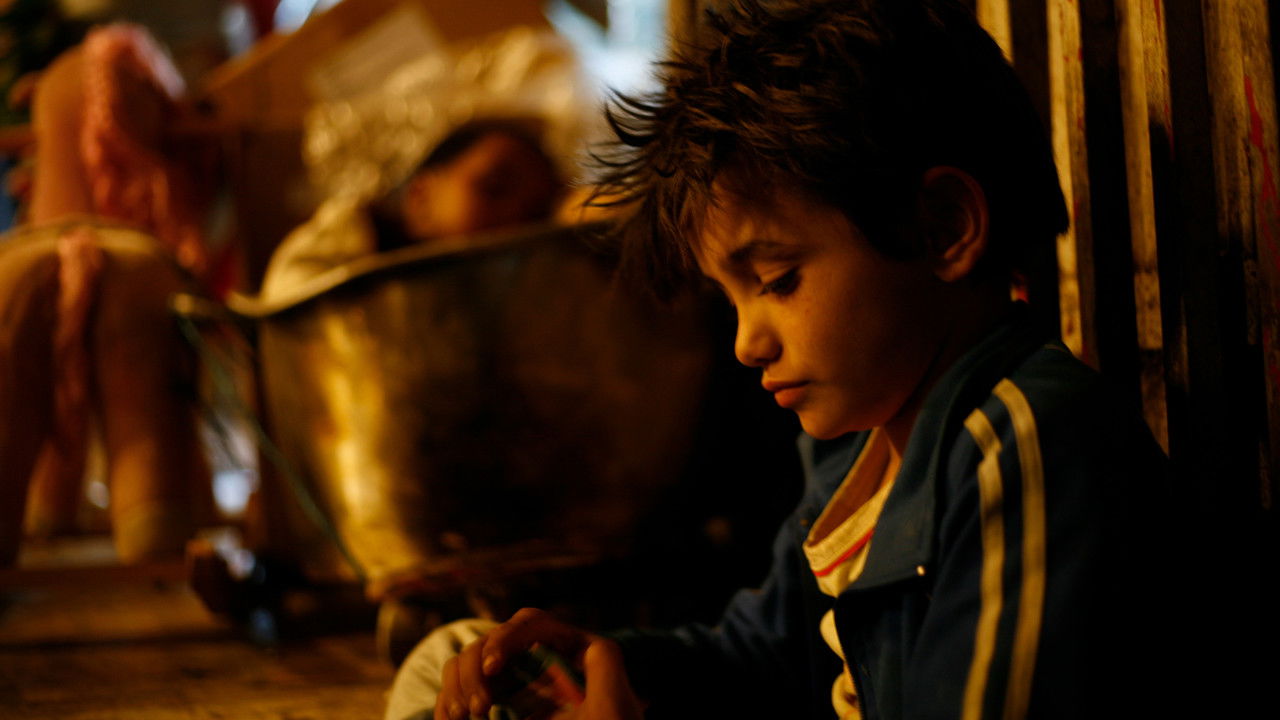
Nadine Labaki (who also directed the wonderful Caramel) uses a handheld, documentary-style approach that feels urgent rather than shaky-cam annoying. The cinematography by Christopher Aoun captures the beauty in the wreckage—the way golden-hour light hits a rusted corrugated roof. It avoids the "poverty porn" trap by focusing on Zain’s agency. He isn't a passive victim; he’s a protagonist who is constantly problem-solving, even when the problems are insurmountable.
Behind the Scraps and Scarcity
The production of this film is as wild as the story itself. Labaki spent three years researching the slums of Beirut and ended up with over 500 hours of footage. Because she was working with non-professionals, the script was often more of a suggestion. In the scenes where Zain is looking after the baby, Yonas, there was no "directing" the toddler—they just waited for the child to react naturally to Zain’s attempts to feed him.
One of the most mind-blowing trivia bits is that almost every actor in the film faced real-life legal trouble during or after production. Yordanos Shifera, who plays the mother of the toddler, was actually arrested for lack of legal papers during the shoot. The production team had to intervene to get her released so they could finish the movie. It’s a rare case where the behind-the-scenes reality is so intertwined with the plot that the line between fiction and documentary effectively vanishes.
The Modern Impact
In an era of streaming where we are bombarded with "content" designed to be half-watched while scrolling on our phones, Capernaum demands your full, undivided attention. It’s a film that benefited immensely from the modern festival-to-global-conversation pipeline. It didn't need a $100 million marketing budget; it relied on the sheer, undeniable power of its central performance to win the Jury Prize at Cannes and become a surprise box-office smash in China.
It’s a cerebral experience because it challenges your social conscience without being a lecture. It asks us what "home" means in a world of borders and birth certificates. While it’s undeniably a heavy drama, it’s also a masterclass in tension. Watching Zain try to keep a baby alive while navigating the bureaucracy of the black market is more suspenseful than any superhero showdown I’ve seen in the last five years.
Capernaum is a rare achievement that manages to be both a heart-wrenching drama and a sharp intellectual inquiry into the human condition. It’s not an easy watch, but it is an essential one. By the time the final frame hits—a rare, brief moment of lightness—you’ll realize you’ve been holding your breath for two hours. It’s proof that in our age of franchise saturation, the most powerful stories still come from the voices we usually ignore.
Keep Exploring...
-
Mustang
2015
-
The Whale
2022
-

Forever My Girl
2018
-
Finch
2021
-

Son of Saul
2015
-

Hunt for the Wilderpeople
2016
-
Moonlight
2016
-
Sing Street
2016
-
They Call Me Jeeg
2016
-
Good Time
2017
-
One Cut of the Dead
2017
-

The Florida Project
2017
-

Cold War
2018
-
Eighth Grade
2018
-
mid90s
2018
-

Searching
2018
-
Les Misérables
2019
-

The Farewell
2019
-
Run
2020
-

Drive My Car
2021