Christopher Robin
"Doing nothing is the very best something."
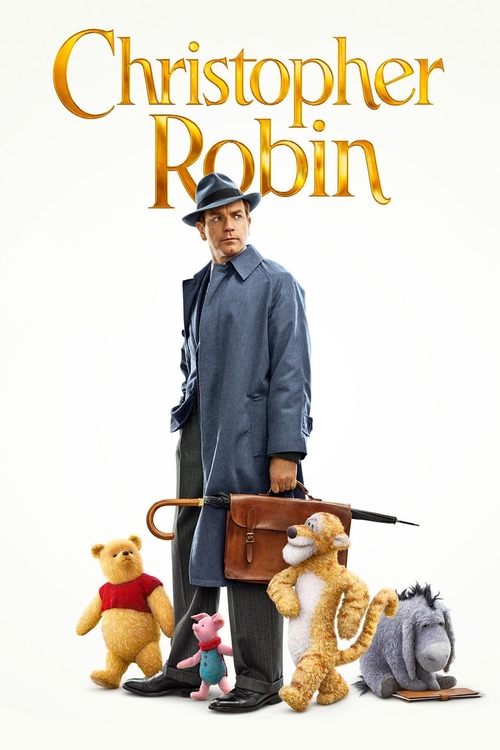
There is a moment early in Christopher Robin that feels less like a Disney "reimagining" and more like a polite, British existential crisis. We watch a montage of a boy growing up, losing his father, surviving a war, and eventually becoming a mid-level manager at a luggage company in post-WWII London. It’s grey, it’s raining, and the "Efficiency" posters on the office walls feel like a personal attack. This isn't just a sequel to a childhood story; it’s a confrontation with the crushing weight of being an adult who forgot how to breathe.
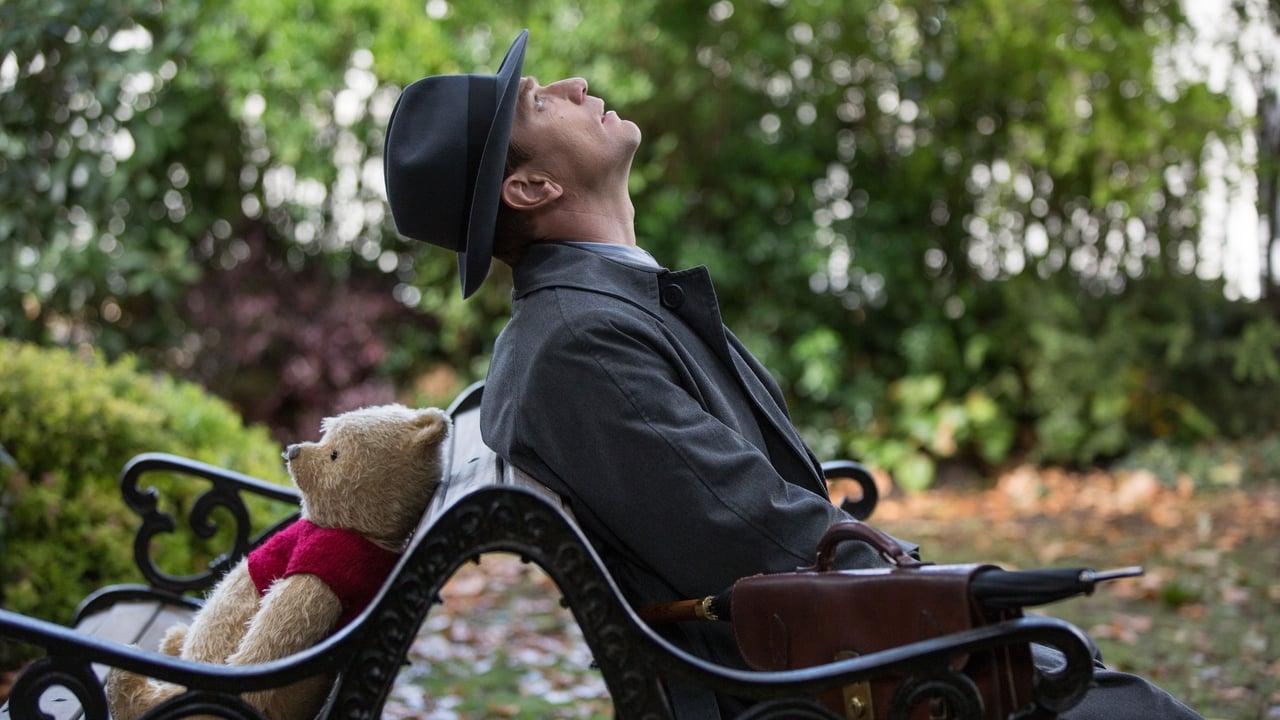
I watched this while sitting on a sofa that definitely has a rogue Lego piece wedged somewhere deep in the cushions, which added a literal sharp edge to the nostalgia. That’s the vibe of this film: a soft, fuzzy memory colliding with the jagged realities of the 9-to-5 grind.
The Texture of a Memory
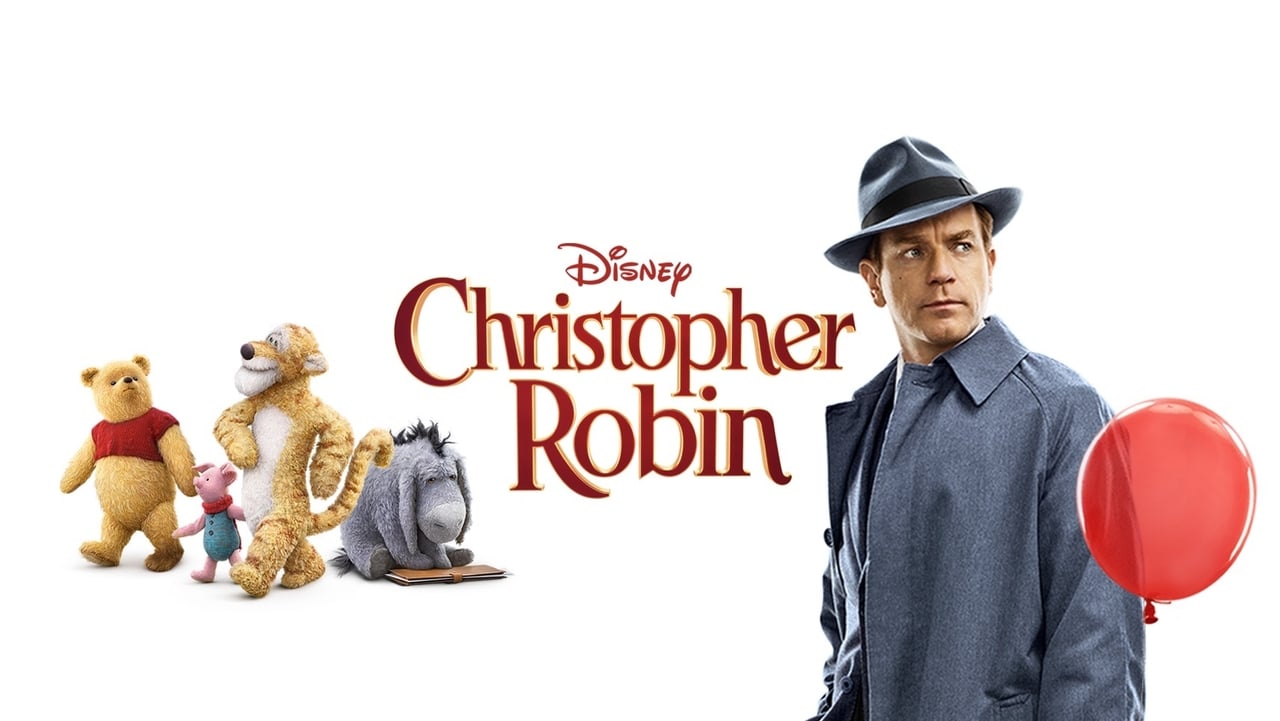
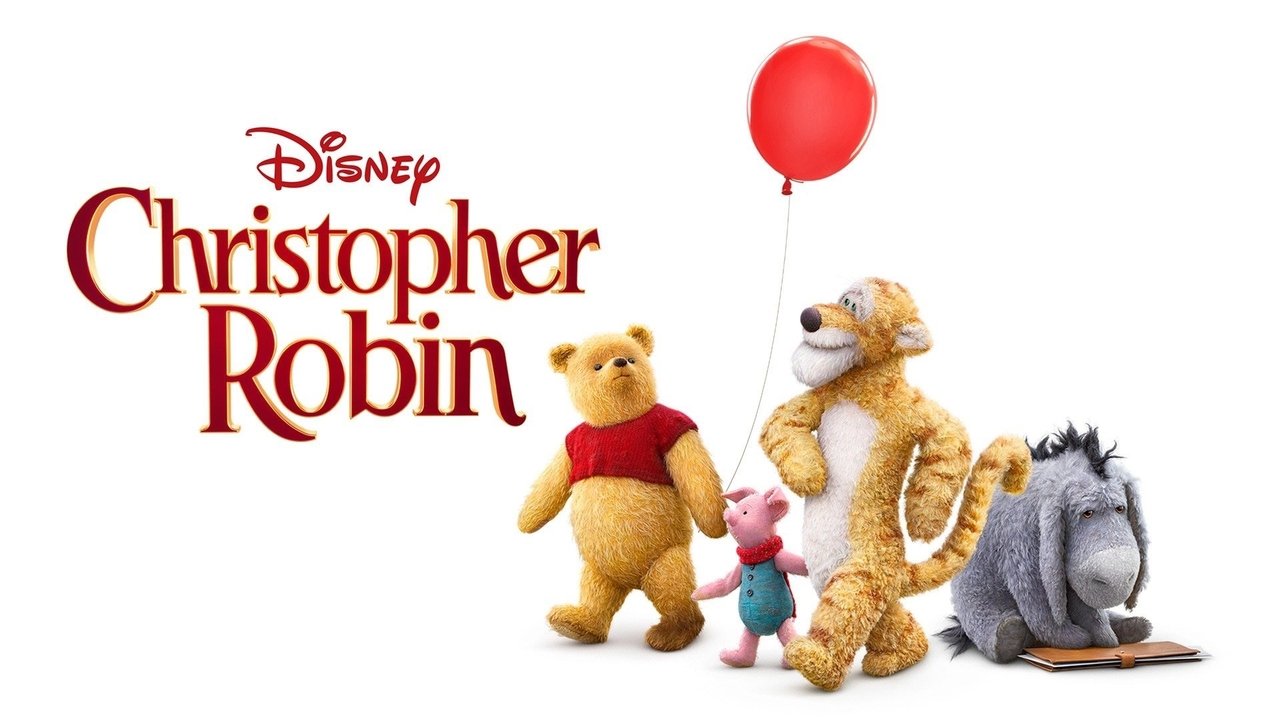
In an era where Disney has often leaned into the hyper-realistic (and occasionally soulless) CGI of The Lion King (2019), director Marc Forster (who gave us Finding Neverland) took a drastically different path. The creatures of the Hundred Acre Wood aren’t "realistic" animals. They are worn-out, loved-to-death plush toys. You can almost smell the dust and old yarn on Winnie the Pooh.
The cinematography by Matthias Koenigswieser treats these characters with a tactile reverence. When Pooh lands on a London street, he looks like something that has been shoved into a toy chest for thirty years. This visual choice is the film’s secret weapon. It grounds the fantasy in something physical and heartbreaking. Ewan McGregor gives an incredibly disciplined performance here; it’s not easy to play "depressed luggage salesman" against a CGI bear, but he sells the transformation from a man who sees a "Heffalump" as a hallucination to a man who realizes a briefcase is the ultimate cinematic villain of the 21st century.
The Voices in the Wood
While Ewan McGregor carries the human weight, the soul of the film belongs to the voice cast. Jim Cummings, the legendary voice of Pooh and Tigger since the late 80s, returns to anchor our childhoods. His Pooh is a Zen master of the mundane, delivering "Pooh-isms" that sound like profound philosophy in the mouth of a "bear of very little brain."
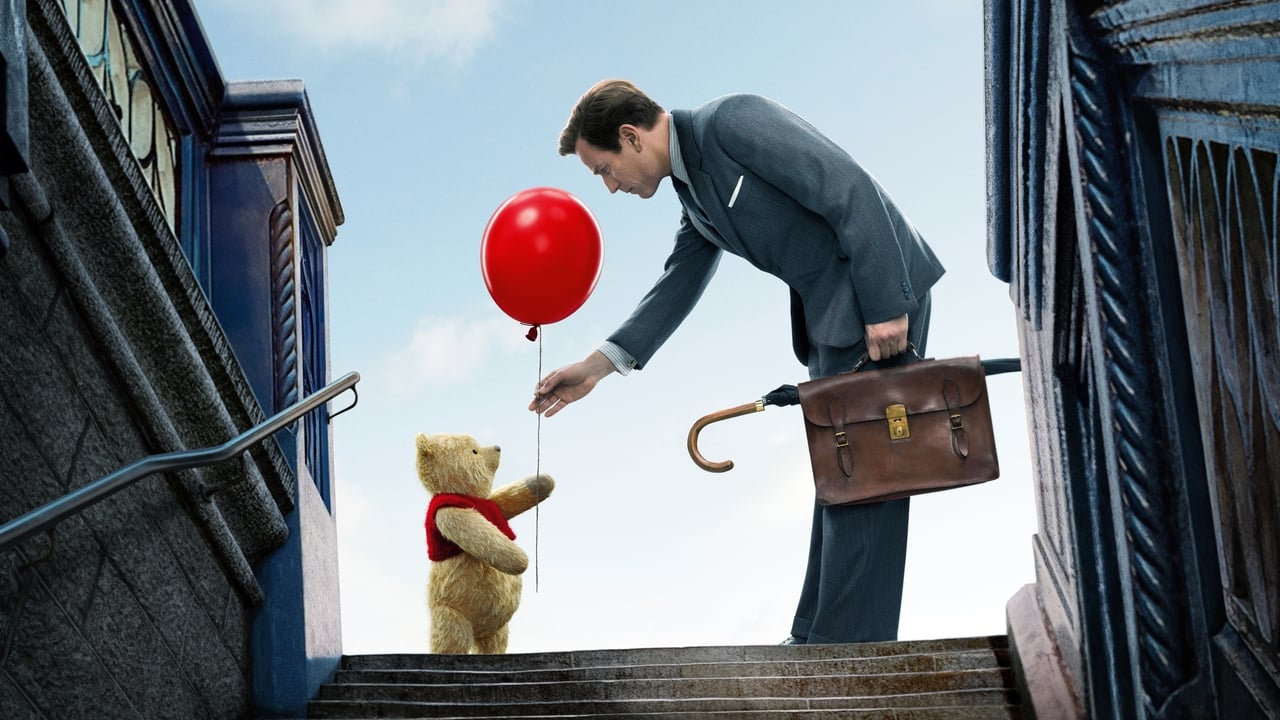
However, we need to talk about Brad Garrett as Eeyore. In my house, we have a theory that Eeyore is the patron saint of millennial burnout. Every line out of that donkey’s mouth is a masterclass in comedic nihilism. In a contemporary landscape where every franchise film feels the need to be loud and frantic, the humor here is wonderfully dry and understated. It’s a comedy of manners where one of the participants happens to be a piglet in a green sweater.
The Weirdly Indie DNA
One of the strangest and most delightful things about Christopher Robin is its writing pedigree. Look at the screenplay credits: you’ve got Tom McCarthy (the guy behind the Oscar-winning Spotlight) and Alex Ross Perry (the king of caustic, prickly indie dramas like Listen Up Philip). Having the "crown prince of indie cynicism" write a Disney movie about Winnie the Pooh is like hiring a heavy metal drummer for a lullaby—and somehow, it works.
There is a distinct "cult" energy to the way this film treats its characters. It doesn't feel like it was designed by a committee to sell plastic toys. It feels like it was made by people who are genuinely worried about their own work-life balance. The adventure isn't about saving the world or stopping a cosmic threat; it’s an adventure of recovery. It’s about a man traveling from a grey London office back to a sun-dappled forest to find the version of himself that wasn't obsessed with "quarterly projections."
Stuff You Didn't Notice
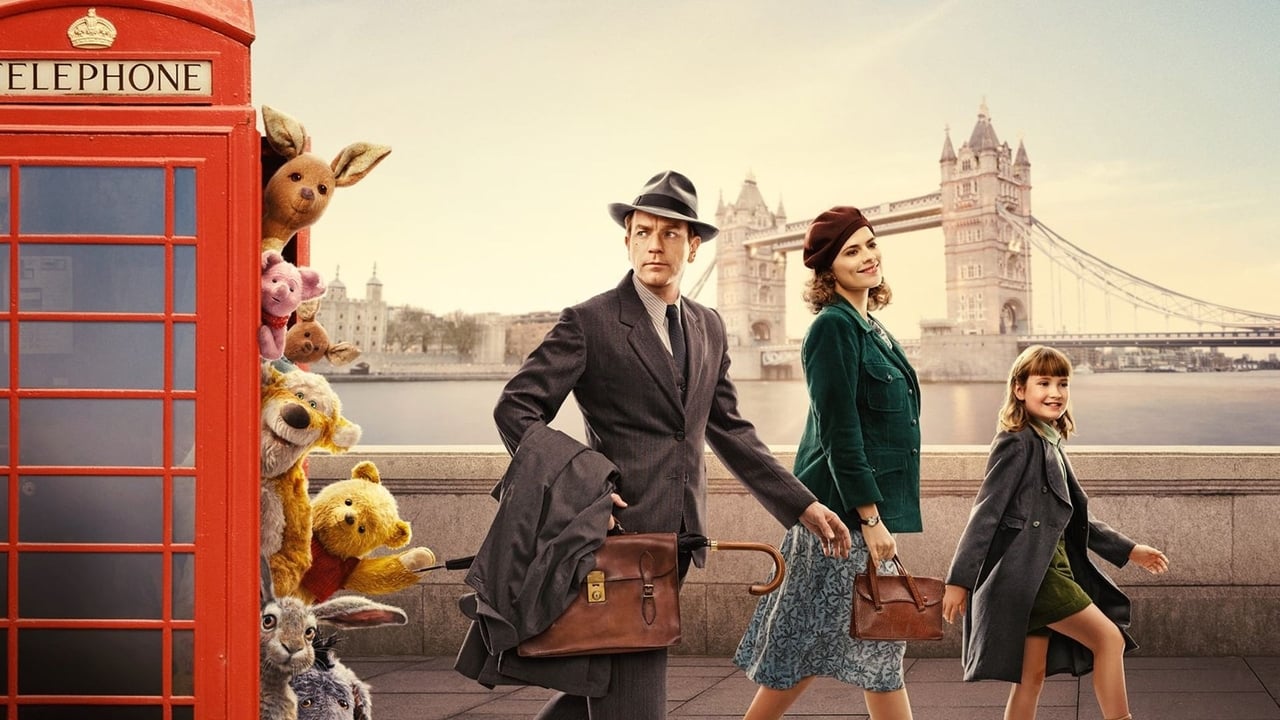
The production went to extreme lengths to maintain a sense of "real-world" adventure. Instead of filming on a soundstage with green screens, Marc Forster moved the production to the actual Ashdown Forest in East Sussex—the real-life inspiration for A.A. Milne’s stories.
Even more charming? The "stuffies." To help the actors, the crew created physical, hand-stitched versions of Pooh, Tigger, and the gang. These weren't just stand-ins; they were built with the exact weight and texture the final CGI characters would have. You can feel that weight when McGregor carries Pooh through the fog. It’s not just pixels; there's a physical history there.
Ultimately, Christopher Robin succeeds because it isn't afraid to be quiet. It’s an adventure film where the greatest "action sequence" is a man sitting on a log and admitting he’s lost. While it arrived in the middle of a massive wave of Disney live-action remakes, it stands apart as a "legacy sequel" that actually has something to say about the legacy it’s inheriting. It’s a gentle, witty, and surprisingly melancholic reminder that "nothing" is actually quite a lot.
If you’re feeling the weight of the world today, give this one a look. Just watch out for the Heffalumps—they usually look like unread emails and spreadsheets.
Keep Exploring...
-

Trolls
2016
-
Frozen II
2019
-
Onward
2020
-
Trolls World Tour
2020
-

Jungle Cruise
2021
-
Luca
2021
-

Klaus
2019
-
Dolittle
2020
-
The Croods: A New Age
2020
-
Clifford the Big Red Dog
2021
-

Hotel Transylvania: Transformania
2022
-

Minions: The Rise of Gru
2022
-
Puss in Boots: The Last Wish
2022
-
The Super Mario Bros. Movie
2023
-
A Dog's Purpose
2017
-
Olaf's Frozen Adventure
2017
-
Red Shoes and the Seven Dwarfs
2019
-
The Christmas Chronicles: Part Two
2020
-
Nimona
2023
-
Home
2015