Climax
"A neon-soaked nightmare that refuses to stop the music."
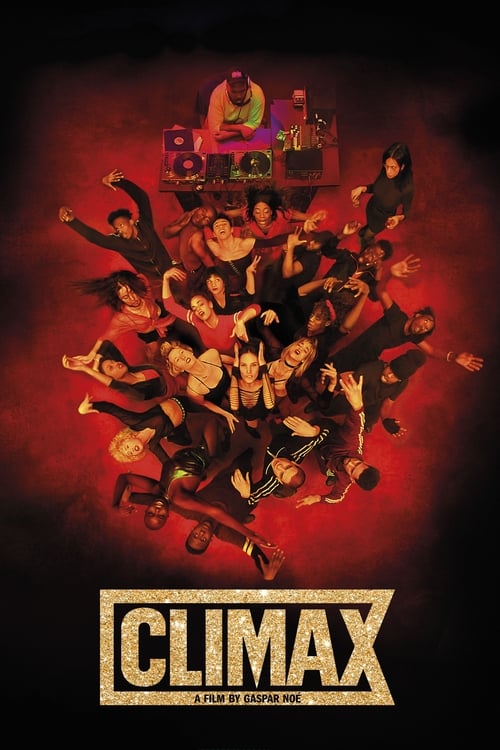
The opening five-minute dance routine in Climax is the kind of sequence that makes you forget to blink. It’s an explosion of krumping, waacking, and voguing, choreographed with such terrifying precision that you feel like you’re watching a single, multi-limbed organism breathe. It’s joyful, sweaty, and impossibly cool. But because this is a Gaspar Noé film, that joy is a trap. I watched this for the first time on my laptop while eating a bowl of lukewarm oatmeal, and the contrast between my bland breakfast and the neon-soaked nightmare on screen was genuinely distressing.
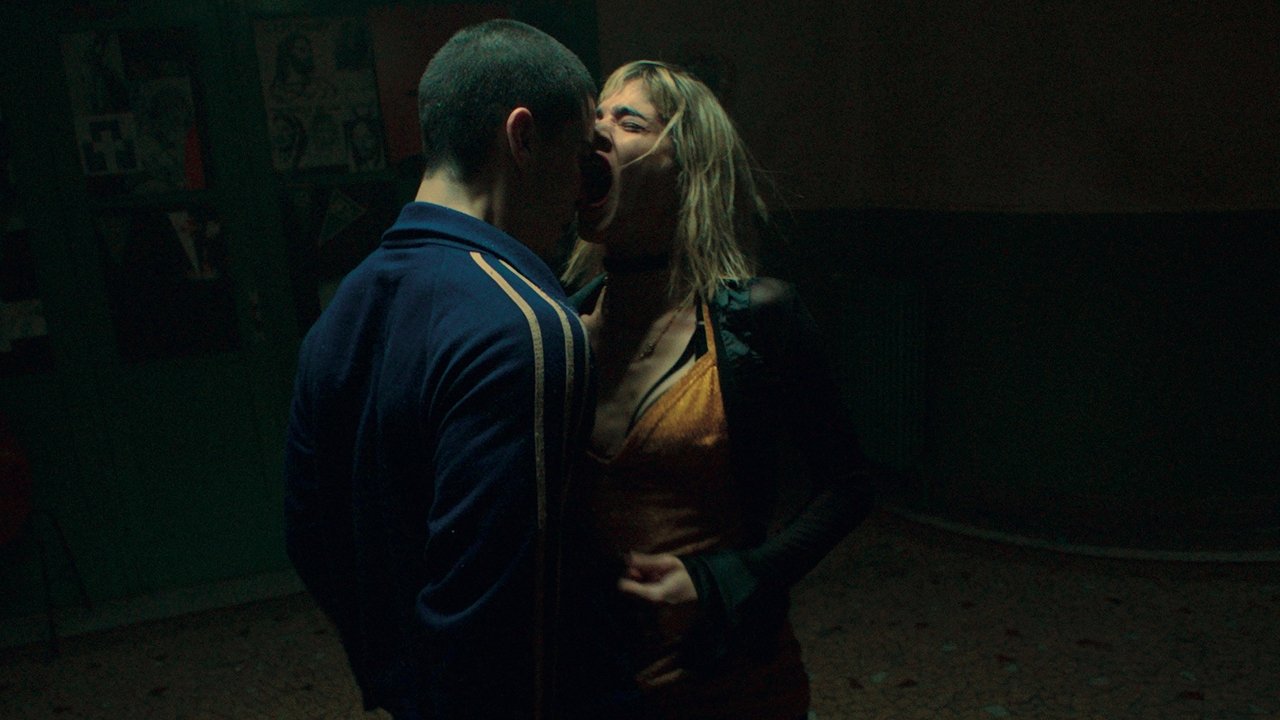
Set in 1996 but pulsating with a contemporary energy that only a filmmaker like Noé—who gave us the equally abrasive Irreversible—can summon, Climax is a simple story told with maximum aggression. A dance troupe gathers in an isolated, snowy school for a final rehearsal. They drink some sangria. The sangria is spiked with an ungodly amount of LSD. Then, the walls start to close in.
The Art of Controlled Chaos
What makes Climax such a fascinating specimen of the current "elevated horror" era isn't just the gore or the screaming—it’s the sheer resourcefulness of the production. This is an indie gem in the truest sense. Gaspar Noé reportedly shot the entire film in just 15 days, working from a mere five-page script. He didn't hire traditional actors for most of the roles; he hired professional street dancers he found in clubs and on Instagram.
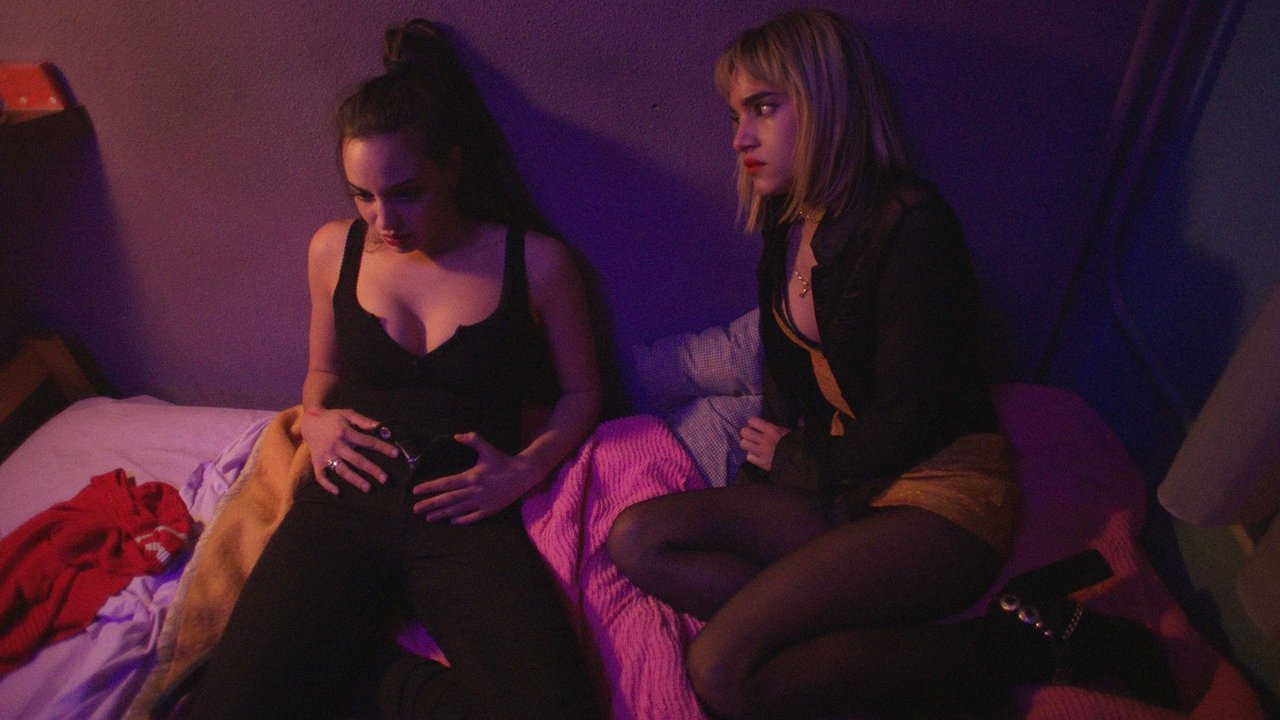
This decision is the film’s secret weapon. When the "trip" starts to go south, these performers use their bodies in ways that a classically trained actor simply couldn't. They contort, twitch, and glide through the hallways of the school like people whose nervous systems have been hijacked. Sofia Boutella, who many know from big-budget fare like Star Trek Beyond or Kingsman, reminds us here that she is, first and foremost, a world-class dancer. Her descent from the group's grounded leader, Selva, into a sobbing, vibrating wreck is hard to watch, but you can’t look away. Noé treats his characters like ants under a magnifying glass held by a kid who skipped his nap, and the result is a film that feels dangerously alive.
A Pounding Descent
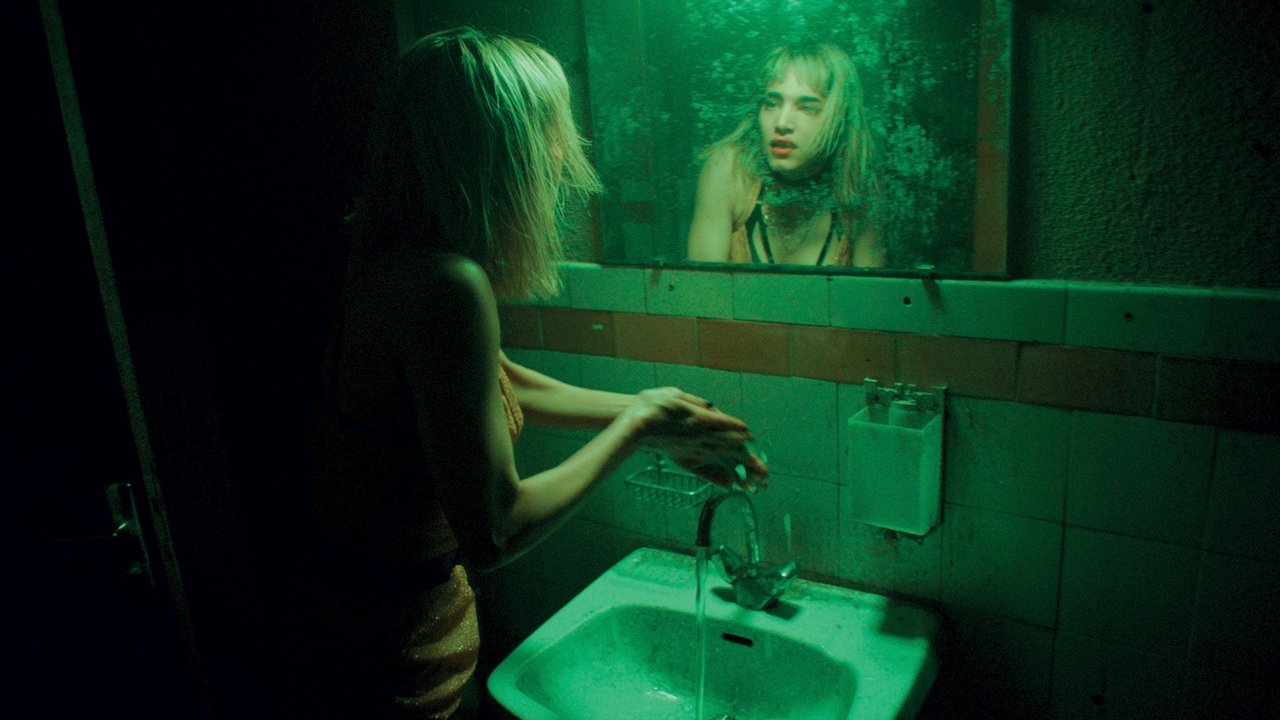
As the film transitions from a celebration of movement into a horror of confinement, the atmosphere becomes thick enough to choke on. This isn't the kind of horror that relies on a masked killer or a jump-scaring ghost. The monster here is the person standing next to you—or, more accurately, what that person becomes when their mind is stripped of its filters.
The horror is psychological and deeply physical. There are moments in the second half—like a child being locked in a room with an electrical panel or the casual, incidental cruelty the dancers inflict on one another—that feel far more disturbing than any slasher flick. Gaspar Noé leans into the "Contemporary Cinema" trend of unflinching intensity, refusing to give the audience a moment of silence. The music, a relentless mix of 90s techno and a pulsing score by Thomas Bangalter (one-half of Daft Punk), never actually stops. It becomes a character in itself, a heartbeat that’s beating way too fast for a body to sustain.
Technical Wizardry on a Budget
The technical craft on display here is a masterclass—wait, I promised no "masterclass" talk. Let’s call it a "high-wire act without a net." Cinematographer Benoît Debie, who has been Noé’s long-time visual architect, uses long, roaming takes that follow the dancers through the cramped hallways of the school. In an era where we are used to CGI-heavy spectacles, seeing the camera flip upside down and spin 360 degrees while remaining tethered to the reality of a physical room is refreshing.
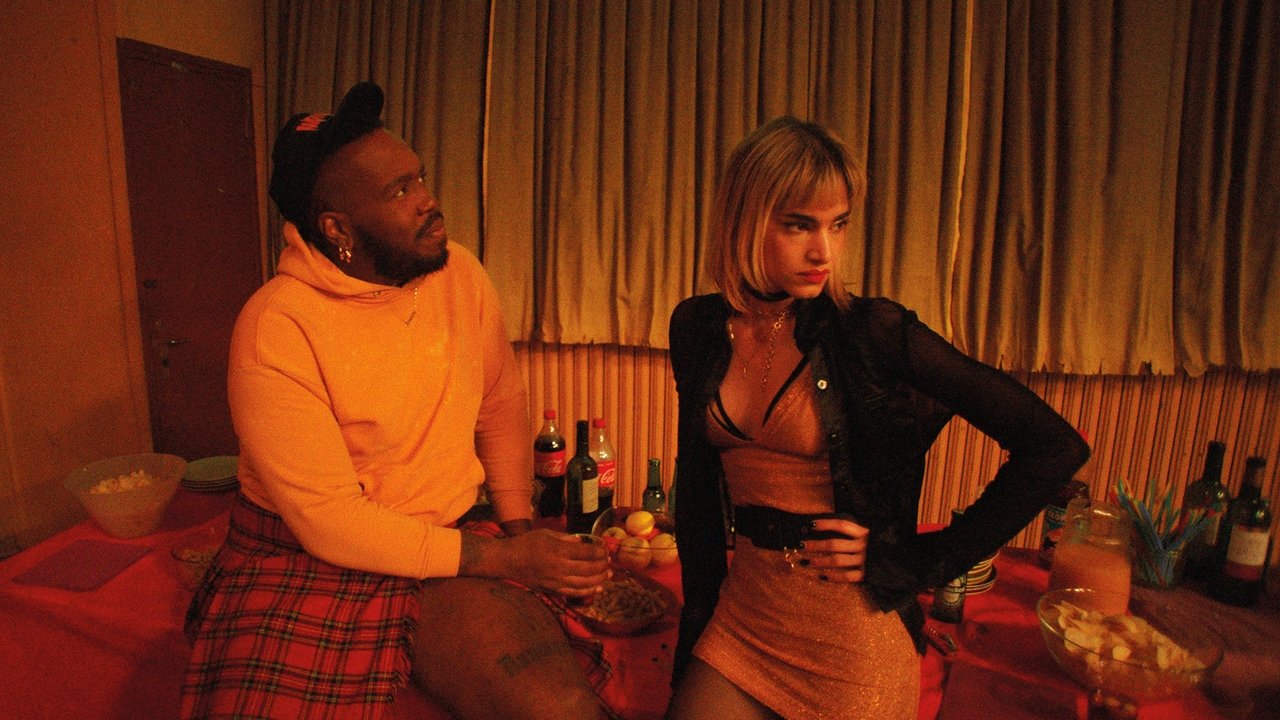
The film’s budget was roughly $2.9 million, which is practically lunch money in the world of modern streaming cinema. Yet, it looks more distinctive than most $100 million blockbusters. By sticking to a single location and focusing on the raw talent of his cast, Noé created something that feels massive in its emotional impact. It’s essentially a "Just Say No" PSA directed by a man who clearly has never said "no" to a single aesthetic whim in his life.
It’s worth noting that Climax arrived right as the conversation around "shook" audiences and social media discourse was hitting a fever pitch. It’s a movie designed to be discussed, argued over, and endured. It doesn't offer a moral lesson, and it certainly doesn't offer a happy ending. It just offers an experience—one that lingers in your brain like a low-grade fever for days after the credits roll.
Climax is a polarizing, exhausting, and brilliantly executed piece of filmmaking that proves you don't need a massive budget to create a lasting sense of dread. It’s a film that demands your full attention and then proceeds to punish you for giving it, yet the sheer craft involved makes the ordeal worth it. If you have a strong stomach and a love for cinema that takes big, messy risks, it’s a trip worth taking. Just maybe skip the sangria before you hit play.

Keep Exploring...
-
Love
2015
-
Raw
2016
-
One Cut of the Dead
2017
-
Run
2020
-
The Exorcism of God
2022
-
Irreversible
2002
-
Les Misérables
2019
-
The Beasts
2022
-
Bone Tomahawk
2015
-
The Witch
2016
-

Summer of 84
2018
-
Sputnik
2020
-
Speak No Evil
2022
-

It
2017
-
A Quiet Place
2018
-

The House That Jack Built
2018
-

Midsommar
2019
-

Bones and All
2022
-

Son of Saul
2015
-
Good Time
2017