Crazy Rich Asians
"Love is grand, but the family is expensive."
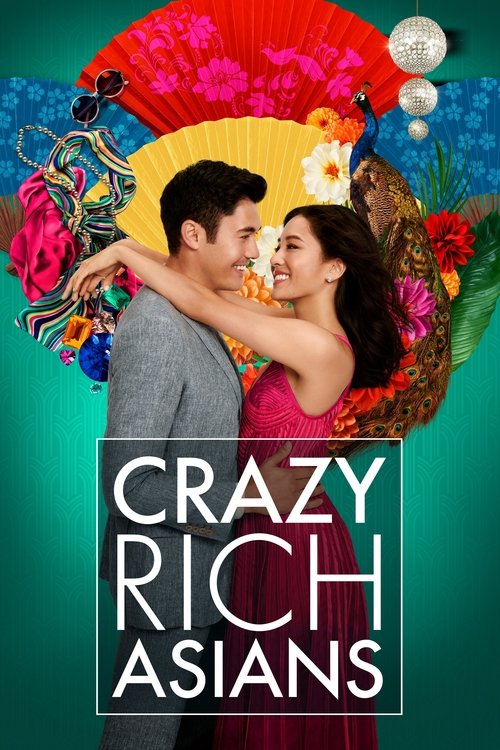
The mid-2010s was a weirdly anxious time for the romantic comedy. The genre that once minted money for Meg Ryan and Julia Roberts had mostly been relegated to the "Netflix Original" bin, appearing on our screens with the visual texture of a laundry detergent commercial. Then came Crazy Rich Asians in 2018, a film that didn't just walk into the room; it sashayed in wearing a hand-stitched, $40,000 gown and proceeded to buy the entire building. Watching it for the first time, I was struck by how much I had missed the sheer, unadulterated scale of a "Big Movie"—the kind where every frame feels like it cost more than my entire neighborhood.
I watched this on a Tuesday night while my radiator was making a rhythmic clanking sound that, strangely enough, perfectly synced up with the clicking of the mahjong tiles in the final act. It added a certain DIY percussion to the experience that I highly recommend.
The Fairy Tale Upgrade
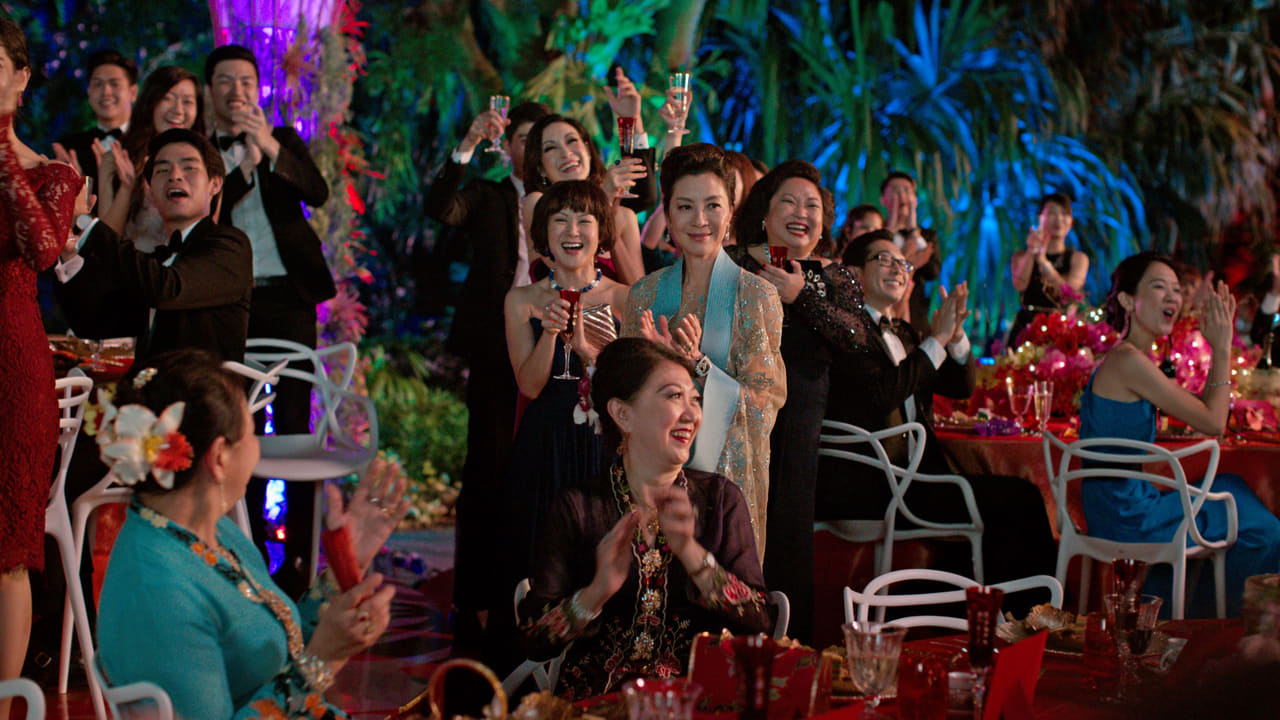
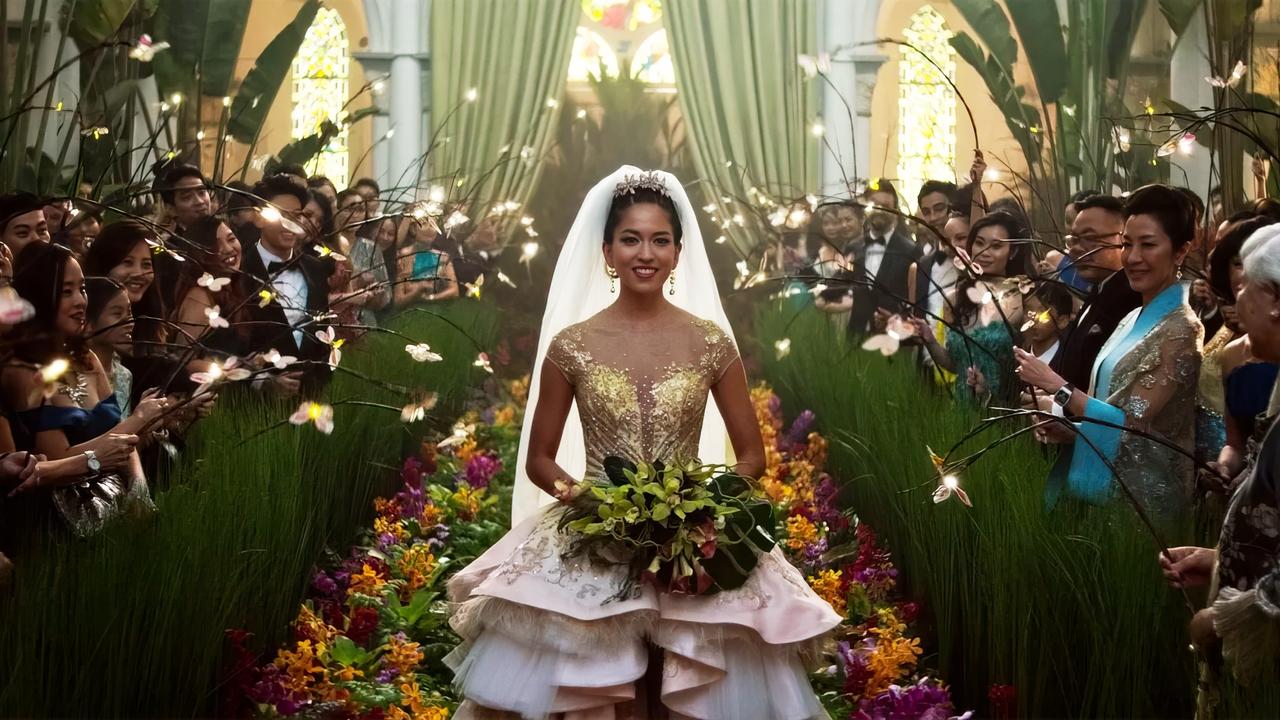
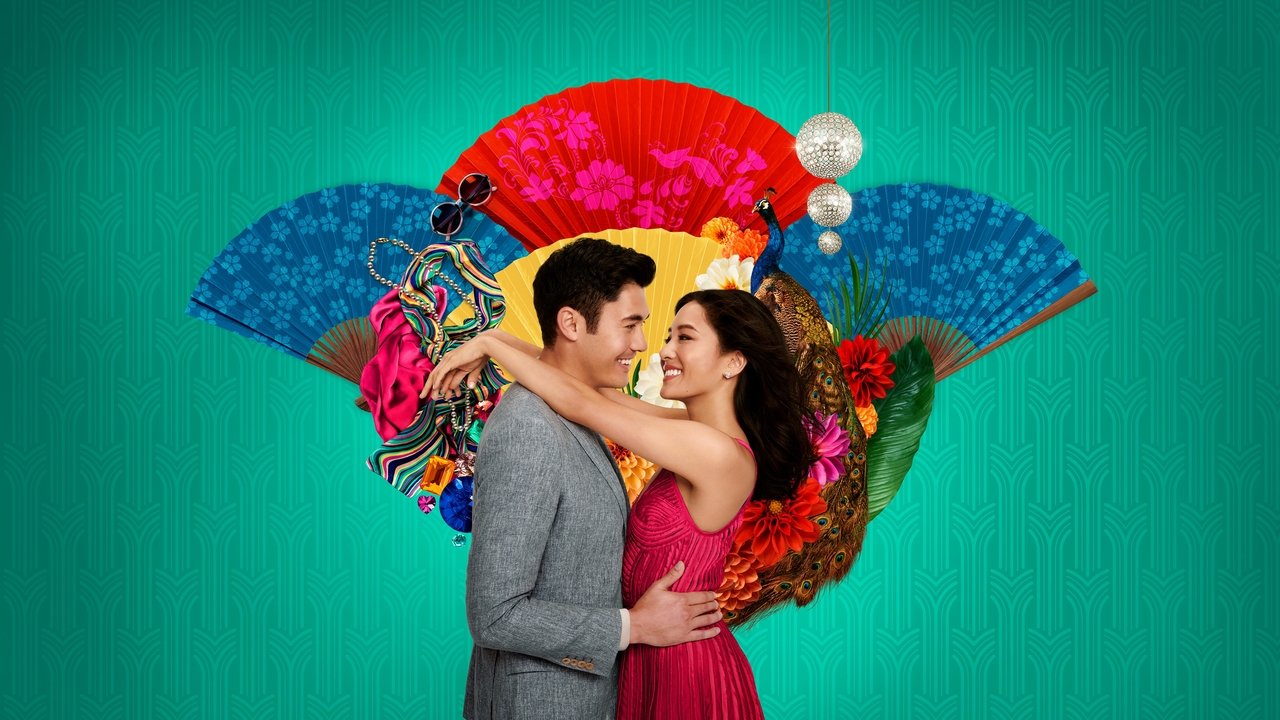
The premise is classic rom-com architecture: girl meets boy, girl loves boy, girl discovers boy is essentially the Prince of Singapore. Constance Wu plays Rachel Chu, an NYU economics professor who represents us—the audience—as she descends into a world of "old money" so deep it has its own zip code. What makes the film work isn't just the "Cinderella" trope; it’s the way director Jon M. Chu treats the opulence. He doesn’t just show us a wedding; he shows us a $40 million ceremony where the aisle turns into a literal river. It’s a spectacle that makes the British royal family look like they’re budget-shopping at Costco.
But underneath the silk and the private jets, the comedy is razor-sharp and surprisingly grounded in character. While the film is marketed as a romance, it’s really a tactical war movie where the primary weapons are passive-aggressive comments and heirloom jewelry. The rhythm of the humor relies heavily on the "fish out of water" trope, but it avoids the lazy cliches of "clumsy girl trips on rug." Instead, the comedy comes from the absurdity of the wealth and the crushing weight of tradition.
A Masterclass in Scene-Stealing
If comedy is about timing, Awkwafina is the film’s atomic clock. As Peik Lin Goh, Rachel’s college friend, she provides the necessary oxygen the movie needs whenever the "rich" side of the story gets too suffocating. Her delivery is erratic, high-energy, and brilliantly weird. Her chemistry with Ken Jeong (playing her father) feels like two people who have been trying to out-joke each other for twenty years. They represent the "new money" chaos that contrasts beautifully with the "old money" chill of the Young family.
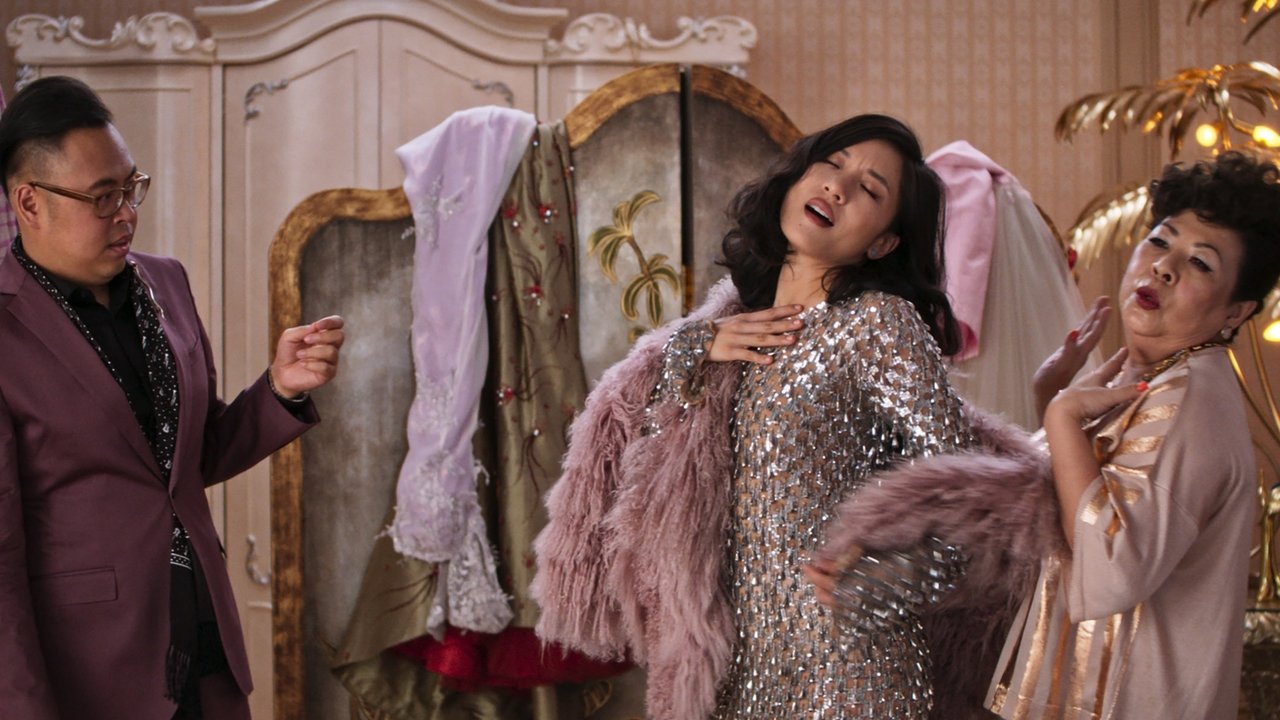
On the other end of the spectrum, you have Michelle Yeoh as Eleanor Young. She isn't "funny" in the traditional sense, but her comedic timing is found in the silence. The way she can dismantle Rachel’s entire self-worth with a single, perfectly timed eyebrow raise is a feat of precision engineering. Yeoh doesn’t play a villain; she plays a woman who views her family as a fortress, and Rachel is a termite. The tension between them is where the film finds its heart, elevating it above the "boy gets girl" formula into something much more resonant about the immigrant experience and the "Asian-American" vs. "Asian" identity.
The $238 Million Gamble
From a production standpoint, Crazy Rich Asians was a massive flex. It was the first major studio film with an all-Asian cast since The Joy Luck Club in 1993—a 25-year gap that the industry finally realized was ridiculous. The film was a monster hit, raking in over $238 million on a modest $30 million budget. It proved to a skeptical Hollywood that diverse stories aren't "niche"—they’re universal, provided you give them the blockbuster treatment they deserve.
The behind-the-scenes stories are almost as lavish as the movie itself. Apparently, the production couldn't afford a real emerald ring that looked expensive enough for Michelle Yeoh’s character, so Yeoh simply reached into her own vault and pulled out a massive 10-carat emerald from her personal collection. When you're so legendary that the props department can't keep up with your actual life, you’ve won. Additionally, the film’s use of the song "Yellow" by Coldplay was a major hurdle; the band initially said no due to the word's historical use as a racial slur, but Jon M. Chu wrote them a heartfelt letter reclaiming the word as something beautiful and "gold." It’s now one of the most emotional needle-drops in modern cinema.
The Contemporary Legacy
In our current era of "franchise fatigue" and "streaming bloat," Crazy Rich Asians feels like a beacon of what a mid-budget theatrical release can achieve. It didn't need a multiverse or a post-credits scene to get people into theaters; it just needed a great script, a charismatic cast, and a wedding scene that made everyone in the audience want to immediately go buy a plane ticket to Singapore for the street food alone.
It also paved the way for the massive wave of Asian-led stories we’ve seen since, from Shang-Chi to the Oscar-sweeping Everything Everywhere All At Once. It proved that representation isn't just about "checking boxes"—it’s about opening up new visual languages and comedic rhythms that audiences are starving for. It's a film that manages to be both a sugary, escapist fantasy and a biting critique of classism, all while looking like a million bucks (or, in this case, 238 million of them).
This is the kind of movie that makes you feel like you've been invited to the most exclusive party on earth, and for two hours, you actually belong there. It's a lush, hilarious, and emotionally potent reminder that the best romantic comedies aren't just about the kiss at the end—they're about the struggle to find your place in a world that wasn't built for you. Even if that world has a lot of gold-plated faucets.
Keep Exploring...
-

Last Christmas
2019
-

Wicked
2024
-
Girls Trip
2017
-
Ticket to Paradise
2022
-

Anyone But You
2023
-
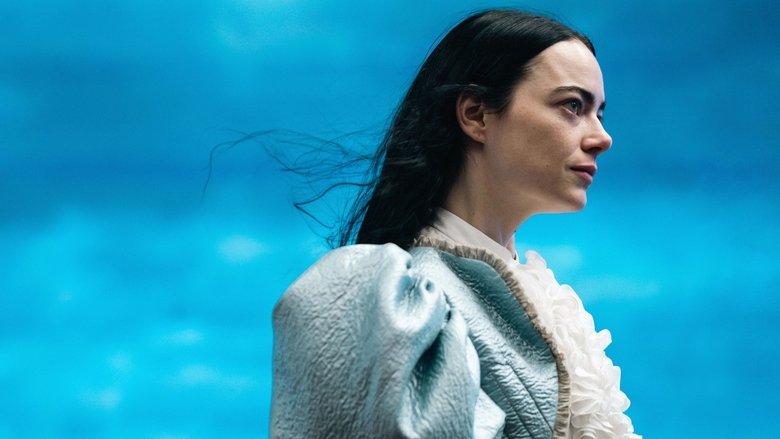
Poor Things
2023
-
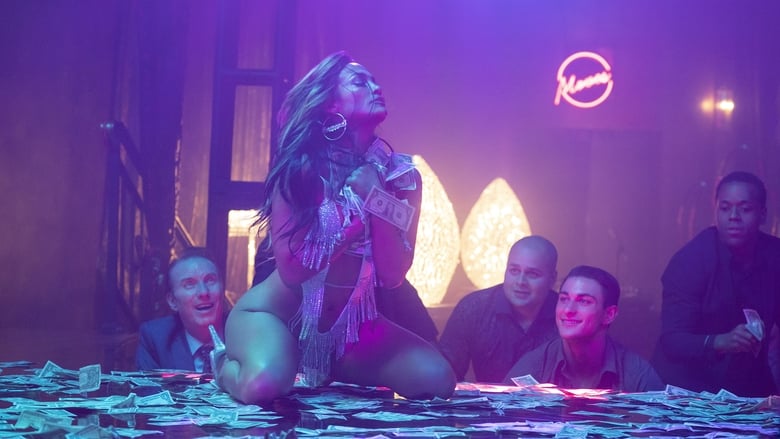
Hustlers
2019
-
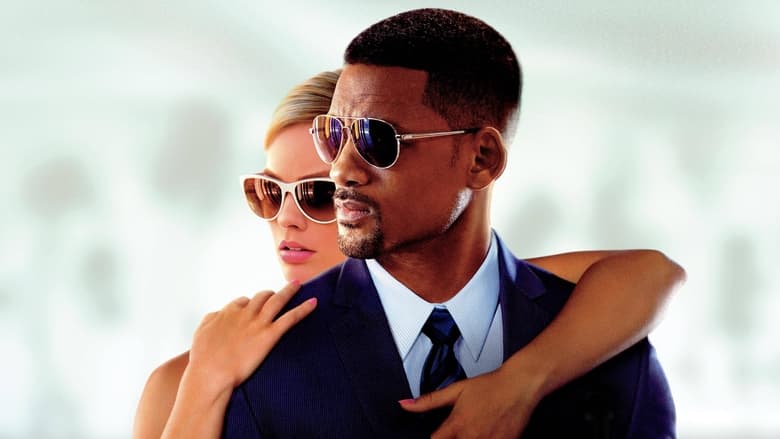
Focus
2015
-
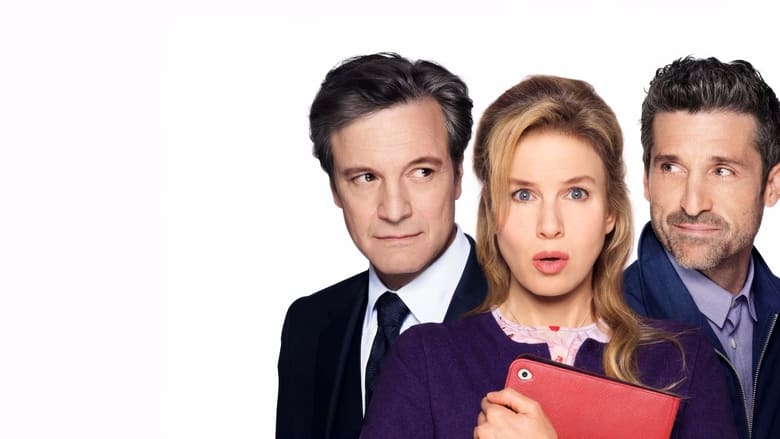
Bridget Jones's Baby
2016
-
Yesterday
2019
-
The DUFF
2015
-
La La Land
2016
-
Palm Springs
2020
-

Mamma Mia! Here We Go Again
2018
-

Love Hard
2021
-
Step Up 2: The Streets
2008
-
Anomalisa
2015
-
Café Society
2016
-
How to Be Single
2016
-
Mr. Right
2016