Disobedience
"True faith requires the freedom to choose."
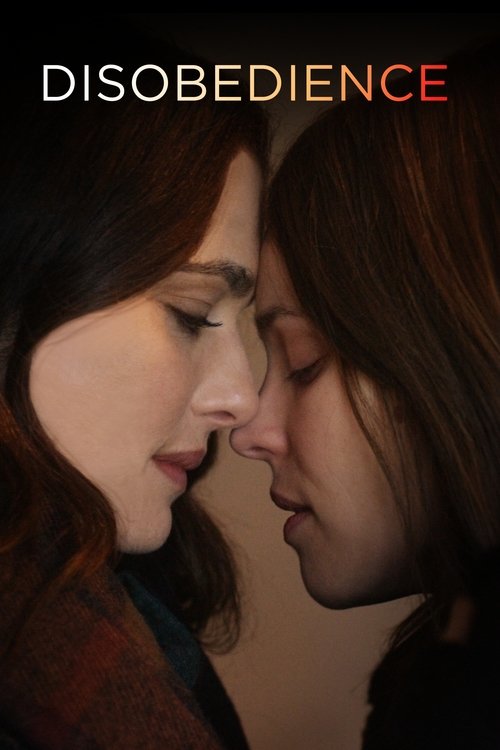
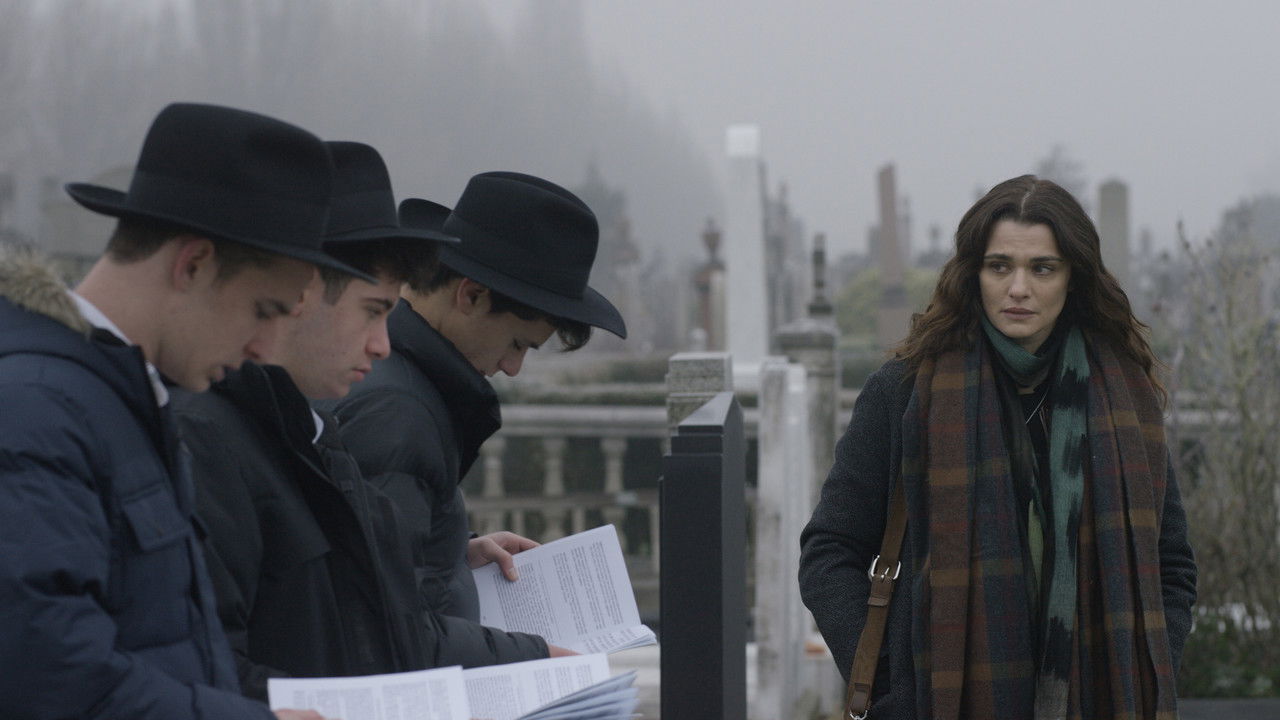
There is a specific, heavy kind of silence that permeates the North London streets of Disobedience—the kind that feels like it’s been curing for centuries in attic dust and old prayer books. It’s the silence of things left unsaid, not because they’ve been forgotten, but because they are too dangerous to voice. When Rachel Weisz’s Ronit Krushka steps off the plane from Manhattan, leather jacket clashing against the muted grays of Hendon, she isn't just a grieving daughter returning for her father’s funeral. She’s a structural crack in a very old, very rigid foundation.
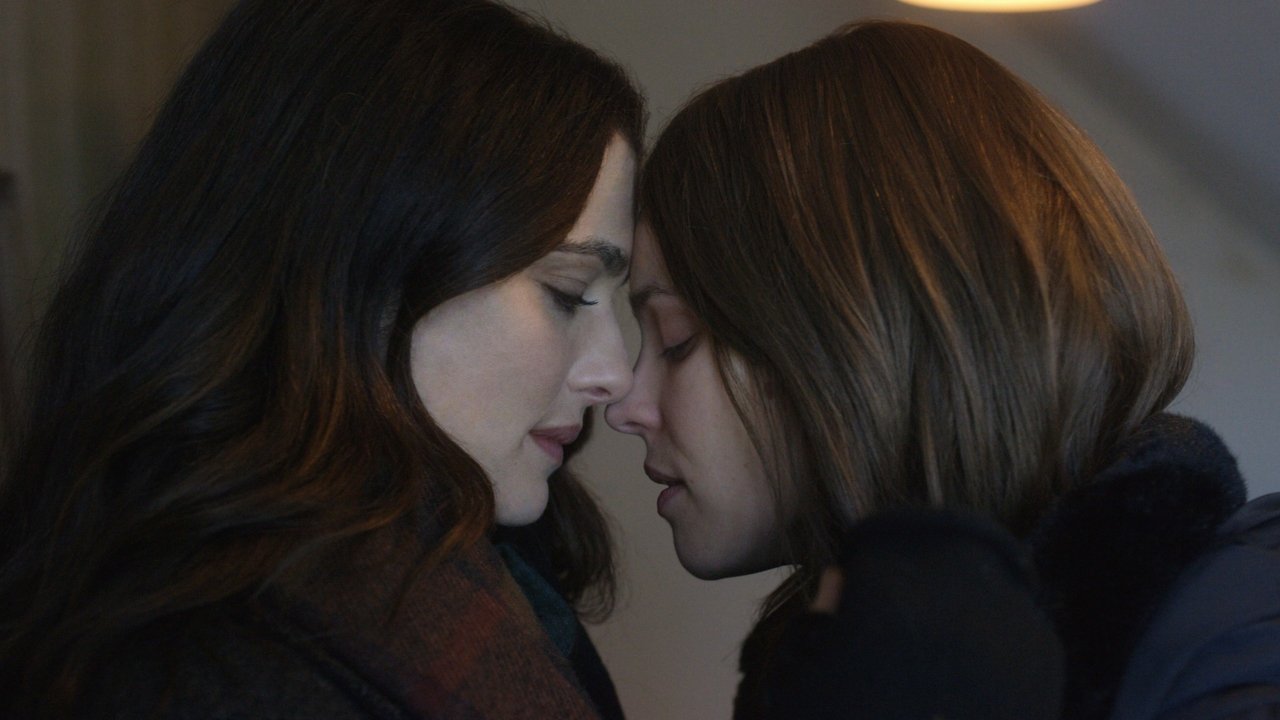
I watched this film on a Tuesday evening while nursing a cup of tea that I’d accidentally over-steeped until it was basically battery acid, and honestly, that bitter, tongue-drying astringency was the perfect accompaniment to the film’s atmosphere. It’s a movie that asks you to sit in discomfort until that discomfort transforms into something profound.
The Stealth MVP of Orthodox London
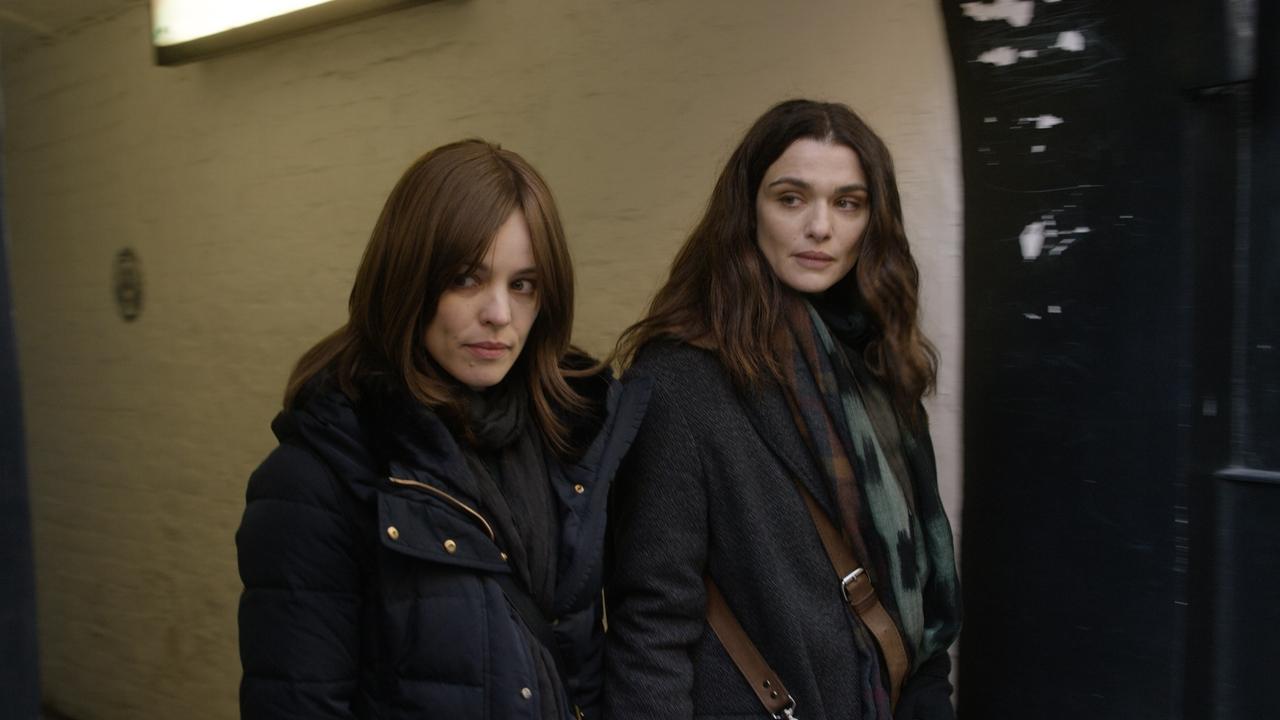
While Rachel Weisz (who also produced the film after optioning Naomi Alderman’s novel) is the narrative engine, the emotional soul of the movie belongs to Rachel McAdams. For an actress often associated with sunshine and high-wattage smiles, her turn as Esti Kuperman is a revelation of repressed longing. Esti has stayed behind, married a rising star in the rabbinical community, and camouflaged herself in a sheitel (a wig worn by married Orthodox women) and the quiet duties of a teacher.
The chemistry between Weisz and McAdams is electric, but it’s not the flashy, Hollywood kind. It’s a slow-burn reconnection that feels like watching two people remember a language they haven't spoken in decades. McAdams does more with a flickering glance across a dinner table than most actors do with a five-minute monologue. Her performance is a masterfully quiet heist of the viewer's heart.
Then there’s Alessandro Nivola as Dovid. In a lesser drama, Dovid would be the villain—the stifling husband, the religious zealot. But Nivola plays him with such agonizing empathy that you realize he’s just as trapped by the weight of expectation as the women are. He is a man trying to be "good" in a system that doesn't always have room for the "human."
Breaking the "Forbidden Love" Mold
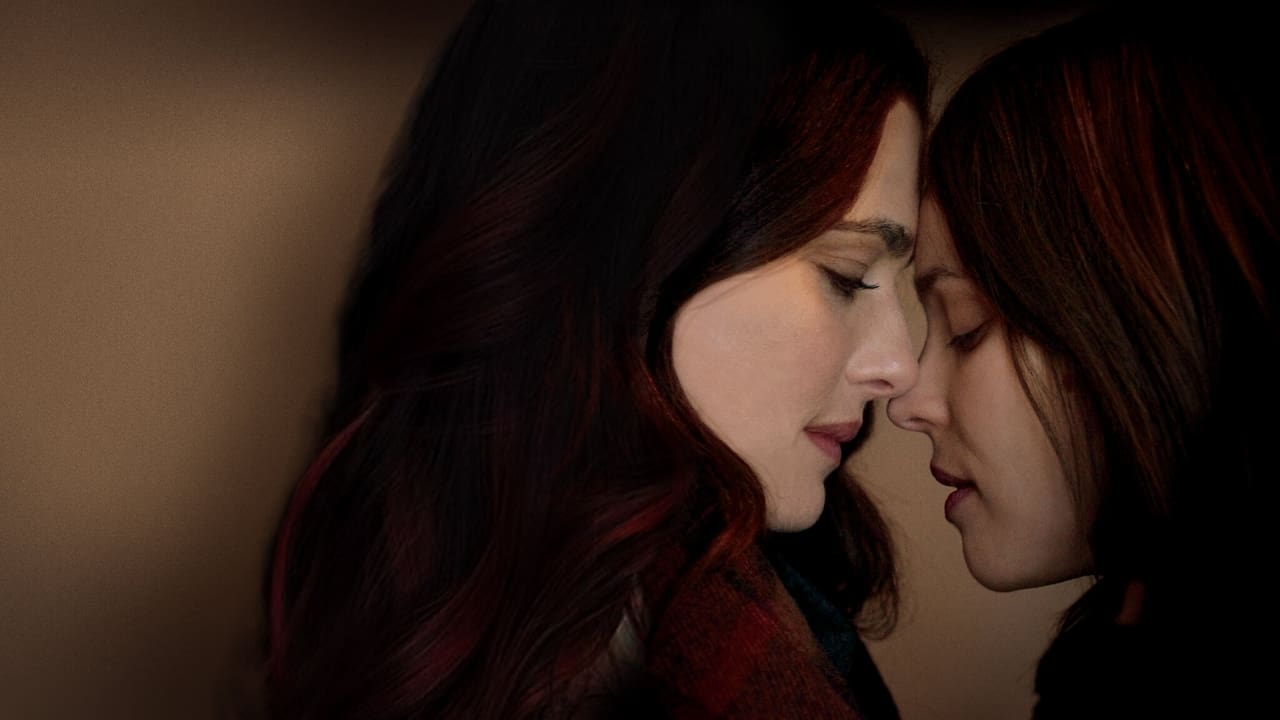
Released in 2018, Disobedience arrived at a time when cinema was finally moving away from the "tragic queer" trope—the idea that LGBTQ+ stories must end in death or total misery to be "art." Director Sebastián Lelio, coming off the success of A Fantastic Woman (2017), brings a contemporary sensitivity to the story that avoids making the religious community a caricature.
He doesn't treat the Orthodox world as a horror set, but as a complex ecosystem. The cinematography by Danny Cohen (The King's Speech) captures the texture of the community with a muted, almost tactile intimacy. You can practically smell the old wood and the rain-dampened wool.
There’s a specific sequence involving a hotel room and a rather famous moment of shared saliva that became a massive talking point on social media upon release. Beyond the "shock" value, that scene is the most honest depiction of reclaiming bodily autonomy I’ve seen in years. It isn't about sex; it's about the literal exchange of life in a place that feels increasingly stagnant. It’s raw, it’s messy, and it’s deeply necessary for these characters.
The Weight of the Modern Moment
One of the most interesting "behind-the-scenes" aspects of Disobedience is its production context. Rachel Weisz specifically sought out Sebastián Lelio because she wanted a director who understood outsiders. By filming on location in the actual Jewish communities of North London (Golders Green and Borehamwood), the production faced the unique challenge of navigating a world that doesn't always want its private struggles projected on a 40-foot screen.

Turns out, the film’s release mirrored its themes. It didn't set the box office on fire—partially because it was a mid-budget adult drama in an era increasingly dominated by the MCU's Infinity War—but it found a passionate life on streaming and in festival circles. It’s a film that demands you pay attention to the subtext, the sighs, and the way a hand lingers on a doorframe. In our current era of "second-screen" viewing where everyone is scrolling TikTok while watching a movie, Disobedience is a stubborn, beautiful argument for undivided attention.
It captures that specific 2010s pivot where we stopped asking if people could "survive" their identities and started asking if they could "thrive" within them. It’s not a movie about losing your faith; it’s a movie about finding a faith that actually fits the person you’ve become.
Disobedience is a rare bird: a quiet, adult drama that feels as high-stakes as any thriller. It avoids the easy path of making religion the enemy, choosing instead to focus on the bravery required to be honest in a world that rewards silence. If you’ve ever felt like an outsider in your own home, this one is going to hit you right in the solar plexus. Just make sure you don't over-steep your tea before you sit down.
---
Keep Exploring...
-
The Wonder
2022
-
Anomalisa
2015
-
Equals
2015
-
Far from the Madding Crowd
2015
-
Loving
2016
-

The Light Between Oceans
2016
-
Home Again
2017
-
Professor Marston and the Wonder Women
2017
-
The Discovery
2017
-
If Beale Street Could Talk
2018
-

The Aeronauts
2019
-
Tolkien
2019
-
I Still Believe
2020
-
Bones and All
2022
-
All of Us Strangers
2023
-
Priscilla
2023
-

Suite Française
2015
-
High Strung
2016
-
Up for Love
2016
-
Attraction
2017