Eighth Grade
"The most accurate horror movie ever made about puberty."
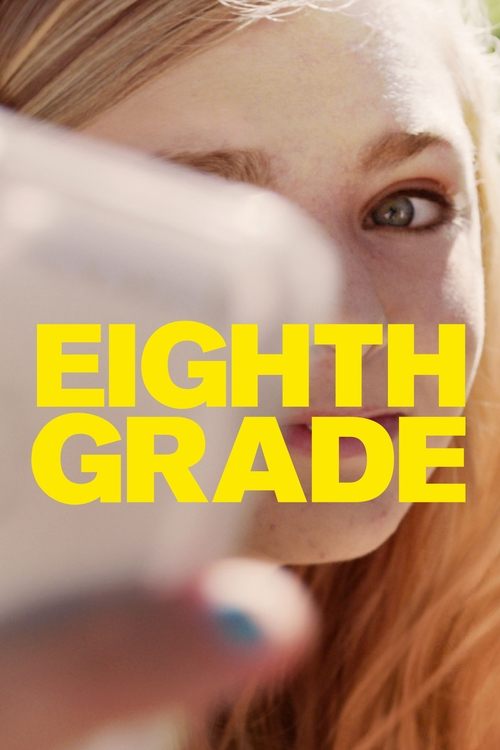
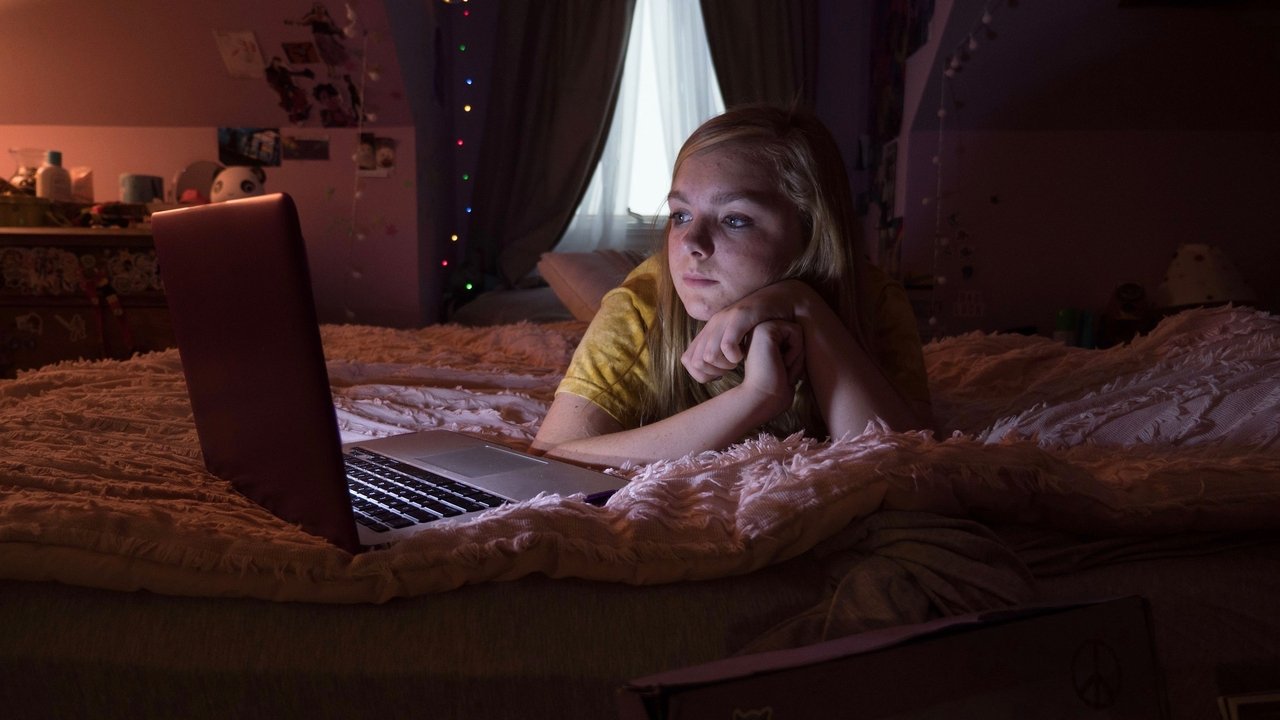
There’s a specific, haunting blue glow that defines our current era—not the warm flicker of a 35mm projector, but the cold, antiseptic light of a smartphone screen reflecting off a teenager’s face at 2:00 AM. It’s the light of a generation trying to perform their way into existence. When I first sat down to watch Eighth Grade, I watched it while eating a slightly stale sesame bagel, and the sound of my own chewing felt like a loud, awkward intrusion on the film’s agonizingly quiet moments. It turns out that was the perfect way to watch it: feeling slightly uncomfortable in my own skin while watching a middle schooler do the same.
The Cringe as a High Art Form
Most movies about teenagers are written by forty-year-olds who think kids still use "tubular" or, more recently, who think "yeet" is something you say every three seconds. Adults writing teenagers usually sounds like an undercover cop trying to bust a weed ring. But Bo Burnham—who transitioned here from a YouTube wunderkind to a legitimate auteur—understands that being thirteen isn't about snappy dialogue or high-stakes prom drama. It’s about the crushing weight of the "um," the "like," and the "totally."
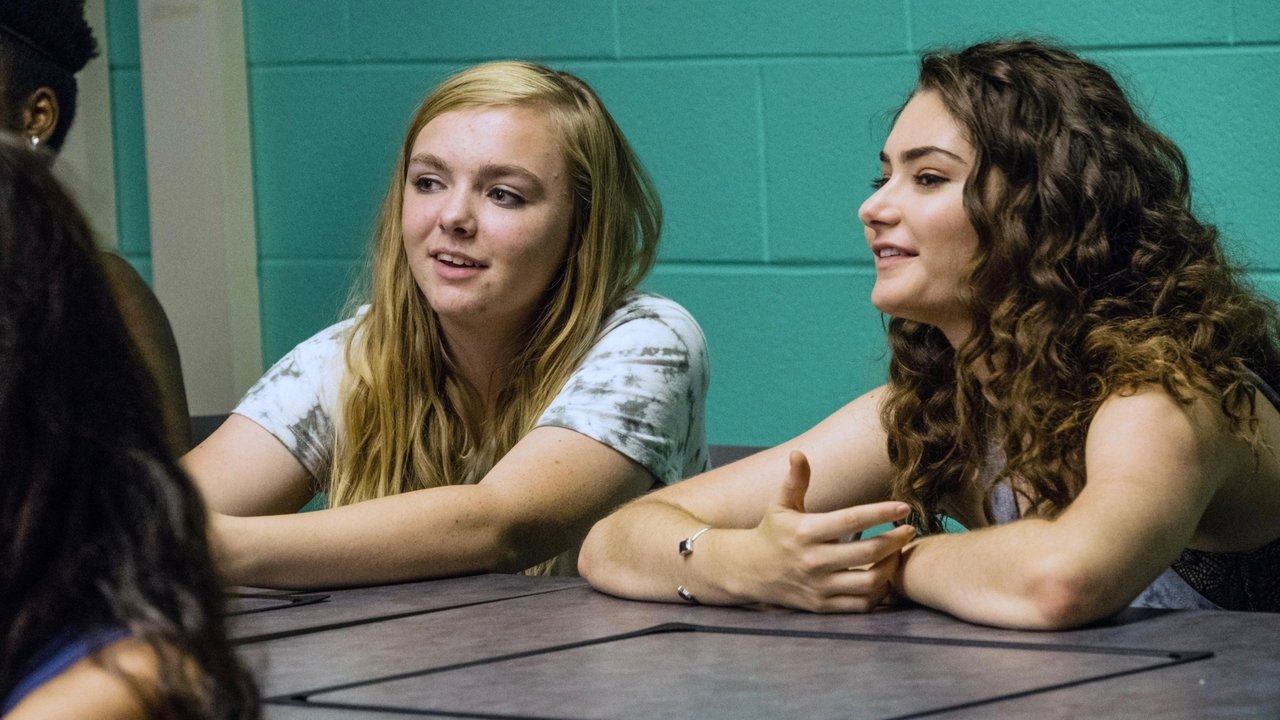
Elsie Fisher gives one of the most courageous performances of the 2010s as Kayla Day. She doesn't have the polished, "TV-ready" look of a Disney Channel star; she has actual skin texture, slouching shoulders, and an internal engine of pure anxiety. When she puts on her "cool" persona for her YouTube advice channel, the gap between who she is and who she wants to be is so wide you could drive a bus through it. It’s painful to watch, but I couldn't look away because it feels like a documentary of a soul under construction.
The Digital Mirror
What makes this film feel so "right now" isn't just the presence of iPhones, but how it captures the psychological toll of the "streaming life." Kayla isn't just living her life; she's curate-living it. We see her scrolling through Instagram feeds that look like a catalog of lives better than hers, a digital masochism that characterizes the modern adolescent experience. Burnham (who also wrote the music-heavy Inside) uses a synth-heavy, almost aggressive score by Anna Meredith that makes a simple walk through a pool party feel like the beach landing in Saving Private Ryan.
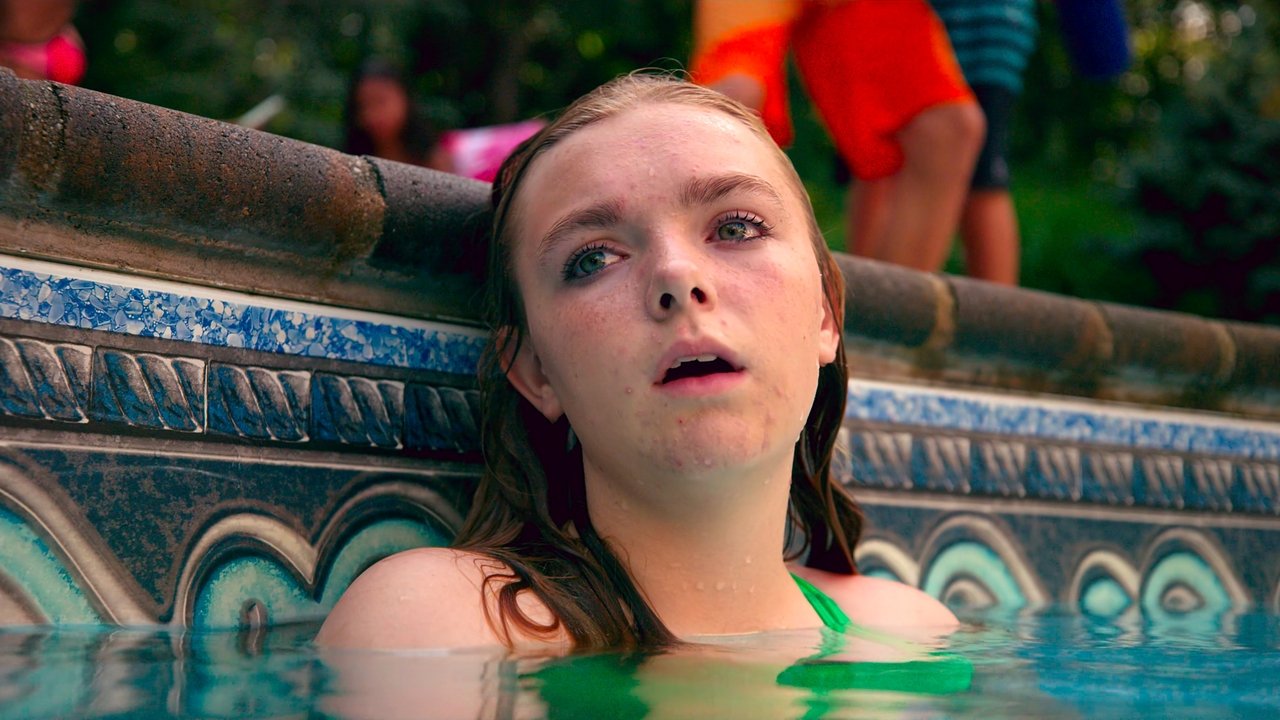
The film was famously rated R, which created a bit of a stir since actual eighth graders couldn't legally buy a ticket to see a movie about their own lives. The MPAA has a weird hang-up where they think a few F-bombs are more dangerous than the soul-crushing reality of a middle school hallway. Thankfully, the studio (A24, in their usual "we know what's cool" fashion) eventually offered free screenings for teens across the country, proving that the film’s authenticity was more important than a rigid ratings board.
Small Moments, Massive Stakes
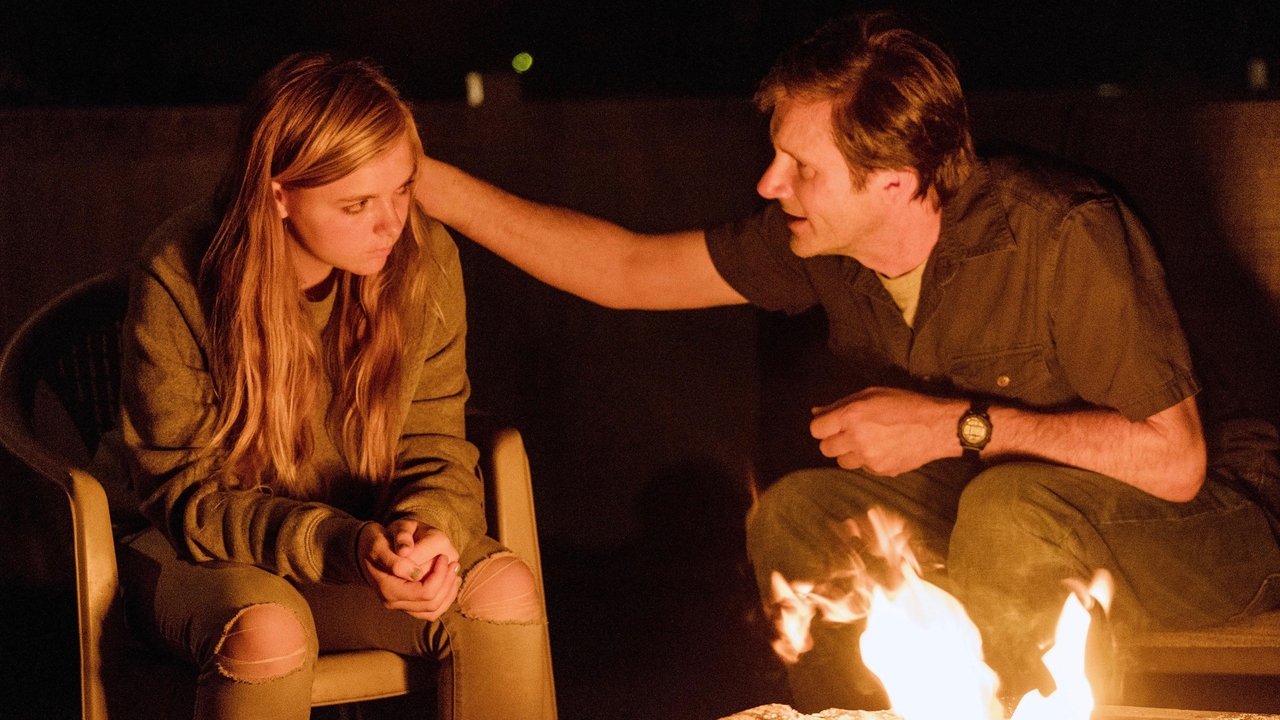
There’s a supporting performance here that I think gets overlooked because it’s so understated. Josh Hamilton plays Mark, Kayla’s single father, and he is the patron saint of "trying your best." He spends most of the movie being shut out by Kayla’s earbuds and mono-syllabic grunts. There is a scene toward the end involving a backyard fire pit that broke me. It’s a masterclass in how to write a "parental talk" without it feeling like a Hallmark card. He’s just a guy who loves his kid and has no idea how to navigate the digital labyrinth she lives in.
The film also takes a sharp, dark turn during a scene in a car with an older boy named Riley (Daniel Zolghadri). It’s a sequence that perfectly captures the "Contemporary Cinema" vibe of addressing power dynamics and consent without turning into a "Very Special Episode." It feels messy, scary, and profoundly lonely. It’s the kind of scene that sticks to your ribs long after the credits roll because it refuses to offer a neat, cinematic resolution.

Stuff You Didn't Notice
One of my favorite bits of trivia about the production is that Bo Burnham insisted on casting actual teenagers, not 25-year-olds with gym memberships. He found Elsie Fisher after looking through hundreds of tapes because she was the only one who actually felt shy. Most child actors are professionally "on," but Fisher has a way of receding into herself that you just can't teach.
The budget was a lean $2 million, which is essentially the catering budget for an MCU movie. You can see that scrappiness in the way the film is shot—lots of close-ups, natural lighting, and a feeling of being "in the trenches" with Kayla. It’s a reminder that you don't need a multiverse or a legacy sequel to create something that feels epic; you just need to capture the terror of a thirteen-year-old girl trying to say "Gucci" to a room full of people who aren't listening.
This is the kind of movie that makes me glad I’m an adult, but also makes me want to go back and give my younger self a hug. It’s a landmark of independent filmmaking that captures the specific, frantic energy of the social media era without ever feeling preachy. If you’ve ever felt like an alien in your own skin, this is your Star Wars. Just be prepared for the kind of emotional hangover that only a truly honest drama can provide.
Keep Exploring...
-
Hunt for the Wilderpeople
2016
-
Swiss Army Man
2016
-
mid90s
2018
-
Late Night
2019
-

The Farewell
2019
-

The Lobster
2015
-
Sing Street
2016
-
One Cut of the Dead
2017
-
Alex Strangelove
2018
-
A Real Pain
2024
-
The Greatest Beer Run Ever
2022
-
Anomalisa
2015
-
Dope
2015
-
Inside Out
2015
-
Joy
2015
-
Me and Earl and the Dying Girl
2015
-

The Big Short
2015
-
Café Society
2016
-
Demolition
2016
-

Eddie the Eagle
2016