Fantastic Beasts: The Crimes of Grindelwald
"Too many secrets, not enough beasts."
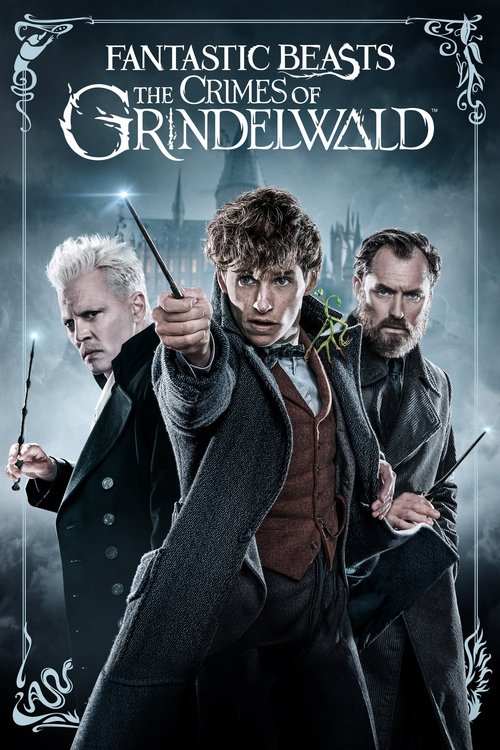
There is a specific kind of exhaustion that comes from watching a movie try to do its homework while also trying to throw a party. By 2018, the "cinematic universe" fever had reached a sweating, delirious peak, and Fantastic Beasts: The Crimes of Grindelwald feels like the moment the thermometer finally cracked. It’s a film that desperately wants to be an epic historical drama about the rise of magical fascism, but it’s still legally obligated to show you a giant underwater kelpie because "Beasts" is in the title.

When I saw this in a half-empty theater on a Tuesday night, I was distracted by a teenager three rows down who spent the entire climax trying to balance a glowing fidget spinner on his knee, and honestly, his focus was probably more organized than this screenplay. I wanted to love it—I’m a sucker for a high-budget fantasy—but this is a movie that mistakes "having a lot of plot" for "having a lot of story."
The Weight of a Wizarding World
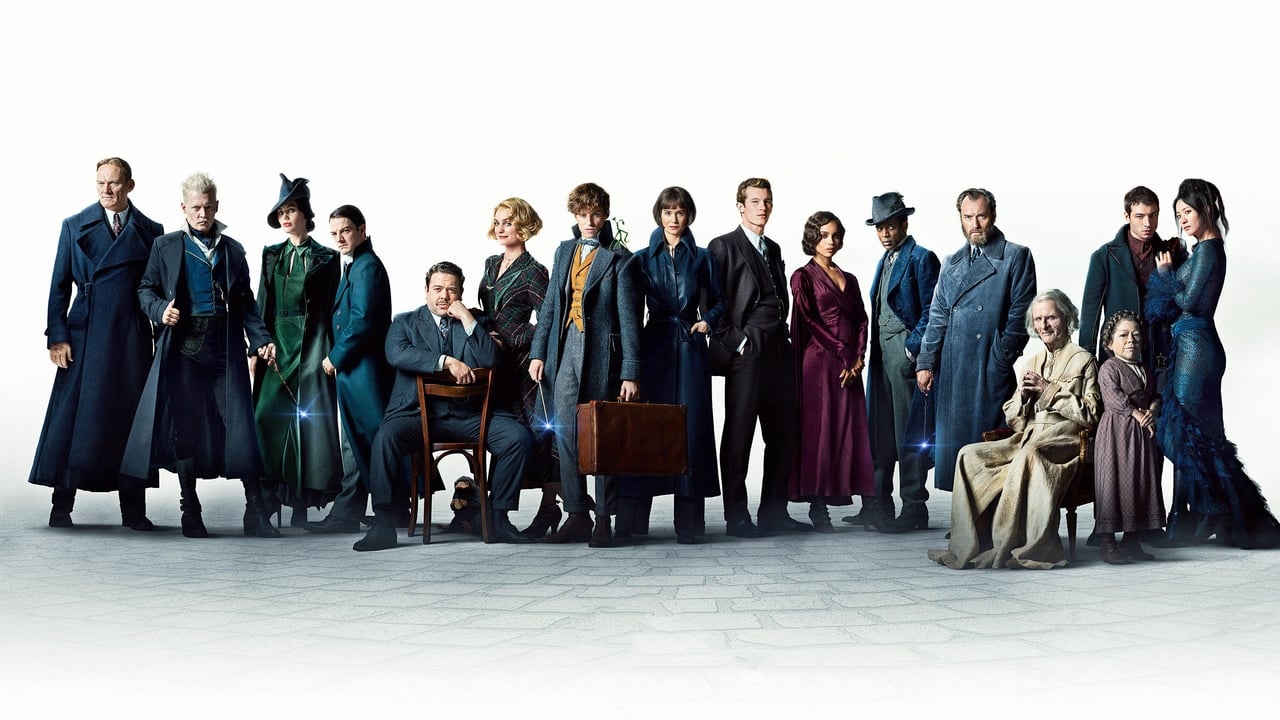
The film picks up with the escape of Gellert Grindelwald, played by Johnny Depp with a shock of white hair and a pale, predatory stillness. Depp’s casting was the subject of endless social media discourse at the time, but on-screen, he plays the villain as a silver-tongued demagogue rather than a mustache-twirling baddie. He’s heading to Paris to find Credence (Ezra Miller), the young man with the destructive magical "Obscurus" from the first film, who is searching for his true identity.
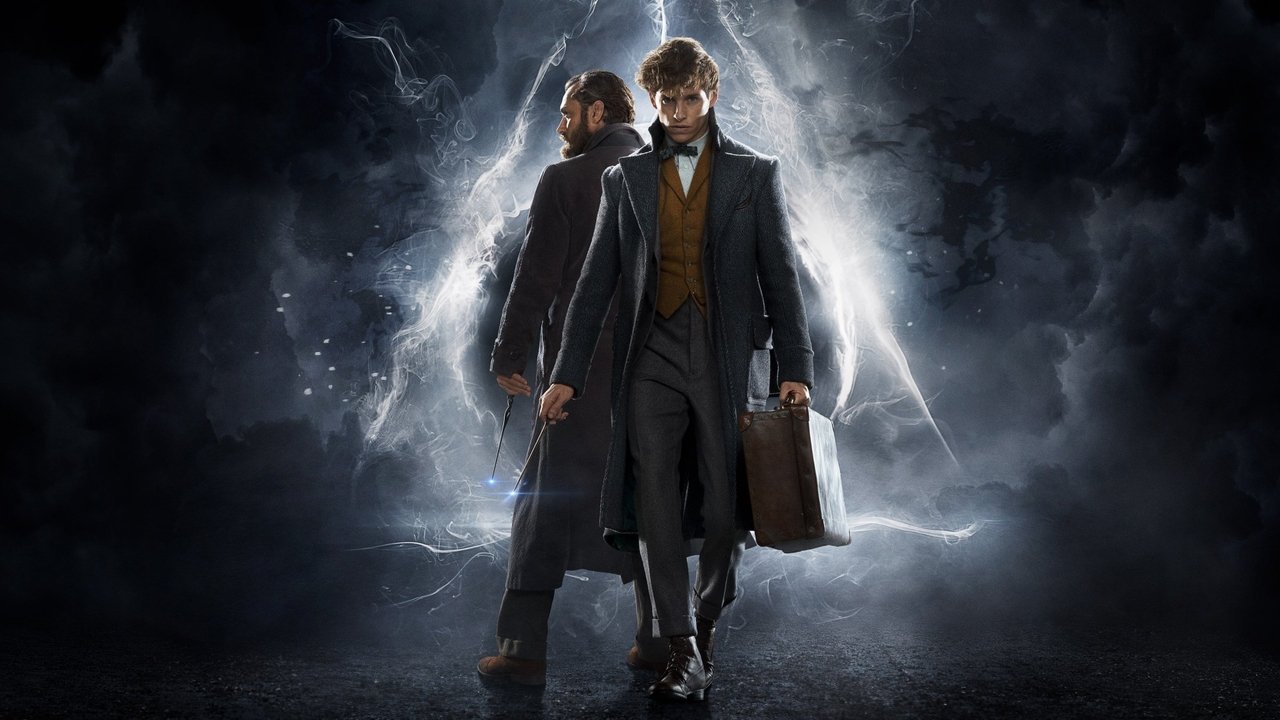
Enter our hero, Newt Scamander. Eddie Redmayne continues to play Newt with a wonderful, shy physicality—looking at the ground, mumbling to his bowtruckle—but the script increasingly treats him like a guest star in his own franchise. He’s sent to Paris by a young, dapper Albus Dumbledore, played by Jude Law with a twinkle in his eye that suggests he knows exactly how much better he is than the material he’s been given. Law is easily the highlight here; he brings a soulful, weary gravity to a character we’ve only ever known as a bearded chess-master.
The problem is that the movie is the cinematic equivalent of a 20-tab Wikipedia spiral. We spend so much time on family trees, hidden lineages, and "blood pacts" that the actual sense of adventure—the joy of discovery that defined the first film—gets smothered under a thick layer of exposition.
Paris, Pedigree, and Pacing
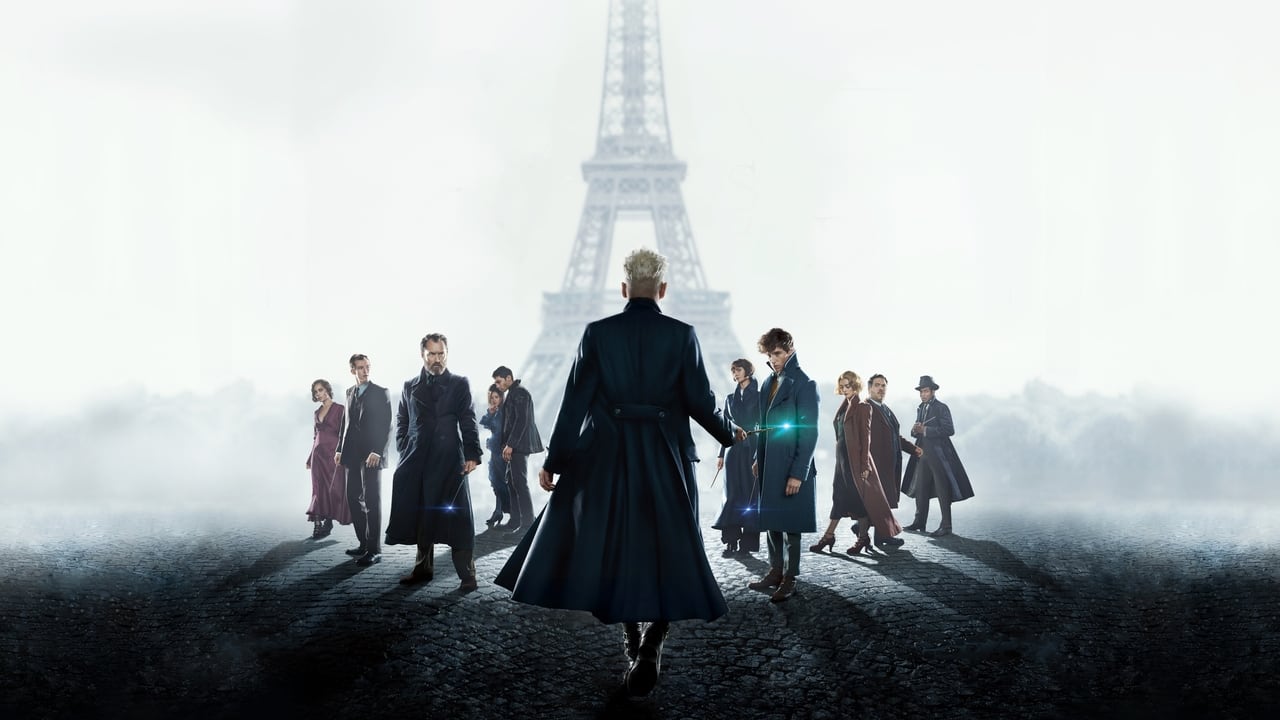
Visually, the film is a moody, charcoal-colored dream. Director David Yates and cinematographer Philippe Rousselot trade the bright, brassy tones of 1920s New York for a soot-stained, Art Nouveau Paris. It looks expensive because it was; with a $200 million budget, the production design is immaculate. The French Ministry of Magic, with its glass domes and shifting statues, is a genuine marvel of world-building.
But the adventure feels strangely static. Adventure films should propel you forward, but The Crimes of Grindelwald feels like it’s constantly pulling over to check a map. We lose the charming camaraderie of the original quartet. Tina (Katherine Waterston) is reduced to a stern detective role, and the heartbreaking turn for Queenie (Alison Sudol) and Jacob (Dan Fogler) feels rushed, even though Fogler remains the emotional heart of the series.
The "Beasts" themselves, while rendered with seamless CGI, often feel like mandatory cameos. The Zouwu—a giant, multi-colored cat-dragon—is a stunning piece of creature design, but it’s essentially a plot device to get Newt from Point A to Point B. In an era of franchise saturation, this film represents the "Middle Chapter Syndrome" at its most acute: all setup, no payoff, and a cliffhanger that feels more like a threat than a promise.
A Legacy in Flux
Looking back from our current vantage point, this film was a turning point. It arrived just as audiences were beginning to feel the first real pangs of franchise fatigue. It grossed over $654 million worldwide—a massive number for any other film, but a notable dip for the Wizarding World, signaling that even the most loyal fans were struggling to keep up with the increasingly convoluted lore.
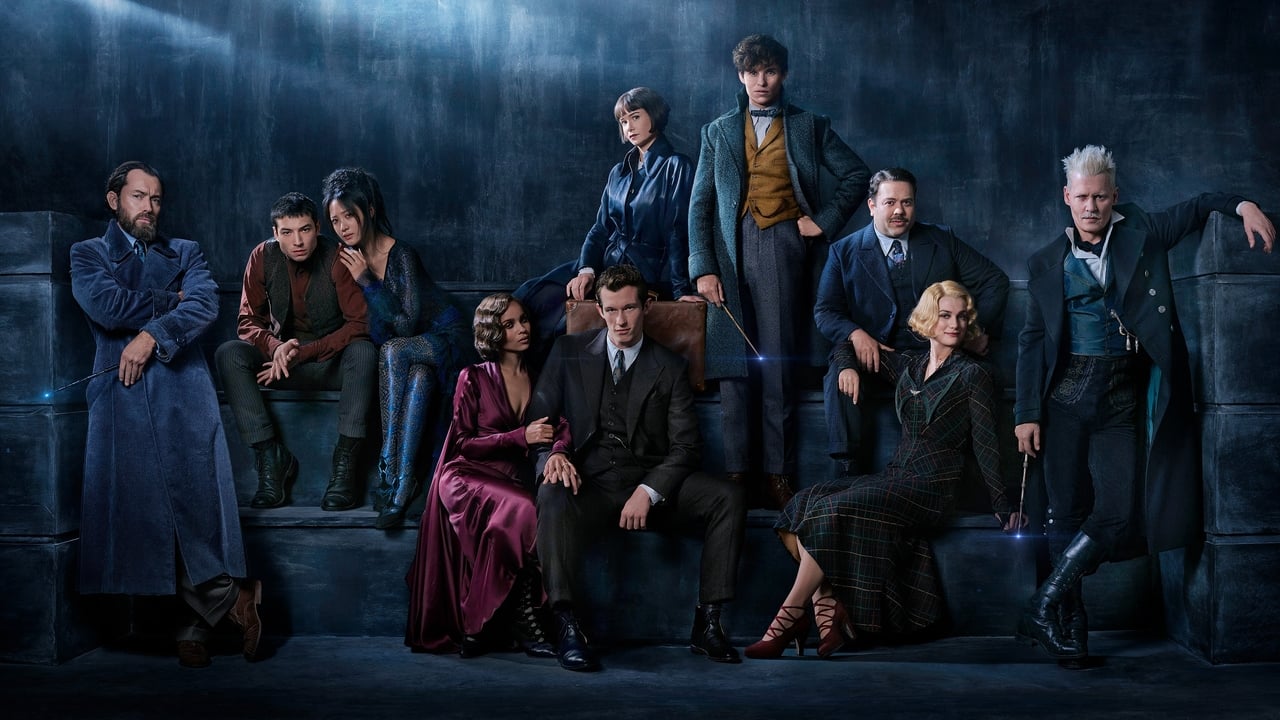
The "Crimes" of the title end up being less about Grindelwald’s actions and more about the film’s narrative choices. It’s a movie that prioritizes "The Twist" over the journey. Yet, there’s still something to admire in its ambition. It’s trying to tell a darker, more adult story about how societies fracture and how good people are seduced by easy answers. Grindelwald’s rally looks like a Coachella for Goths, and his rhetoric about "freedom" for wizards carries a chillingly contemporary weight.
If you’re a die-hard Potterhead, the Easter eggs (looking at you, Nicolas Flamel) might provide enough of a dopamine hit to carry you through. For the casual viewer looking for a fun two-hour escape, you might find yourself wishing Newt would just put the suitcase down and let us breathe for a second.
Ultimately, The Crimes of Grindelwald is a beautiful, overstuffed cabinet of curiosities that forgets to tell a coherent story. It has moments of genuine wonder—mostly involving Jude Law or a very large cat—but it’s bogged down by its own mythology. It serves as a fascinating case study in how the pressure to build a "universe" can sometimes crush the life out of a single movie. It’s a journey worth taking once, if only to see the sights of magical Paris, but you might find yourself checking your watch before the final curtain falls.
Keep Exploring...
-

Fantastic Beasts: The Secrets of Dumbledore
2022
-
Fantastic Beasts and Where to Find Them
2016
-

The Legend of Tarzan
2016
-
Batman v Superman: Dawn of Justice
2016
-

Suicide Squad
2016
-
X-Men: Apocalypse
2016
-
Pirates of the Caribbean: Dead Men Tell No Tales
2017
-

A Dog's Purpose
2017
-
Alice Through the Looking Glass
2016
-
Kung Fu Panda 4
2024
-
The Last Witch Hunter
2015
-
The SpongeBob Movie: Sponge Out of Water
2015
-
Doctor Strange
2016
-
Miss Peregrine's Home for Peculiar Children
2016
-
The Great Wall
2016
-
The Jungle Book
2016
-
Warcraft
2016
-
Jumanji: Welcome to the Jungle
2017
-

Kong: Skull Island
2017
-
Wonder Woman
2017