Free Solo
"Perfection is the only way down."
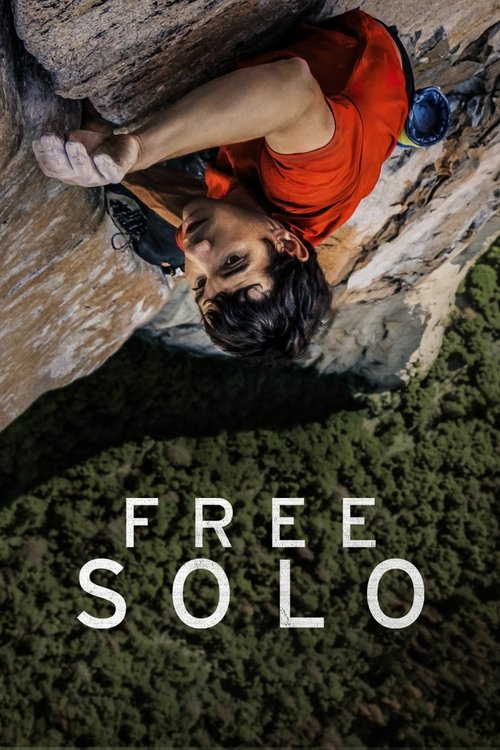
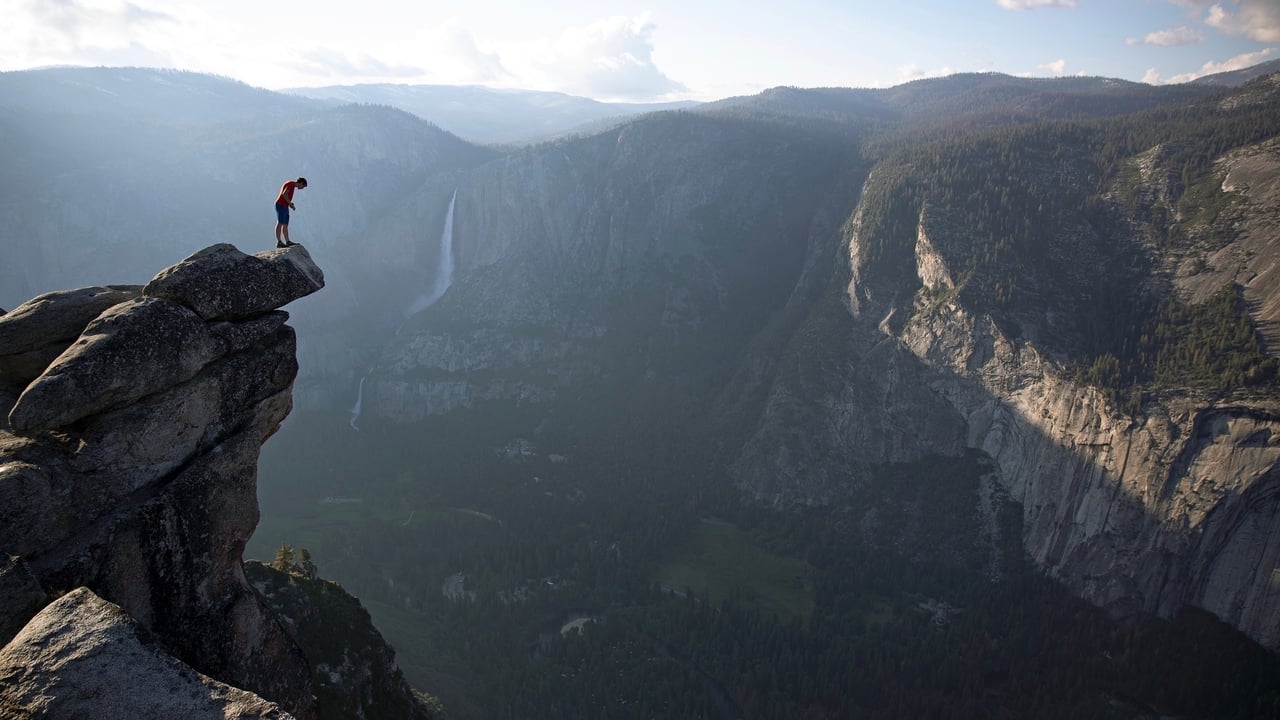
I had to stop the movie ten minutes before the end to wipe my laptop’s trackpad because my palms were so aggressively sweaty that the cursor started jumping around. I wasn't even the one dangling 3,000 feet above the Yosemite floor; I was just sitting on my sofa in a pair of mismatched socks, wondering why I chose a "relaxing" documentary for my Friday night. That is the physical tax Free Solo demands from its audience. It’s not just a film; it’s a biological stress test.
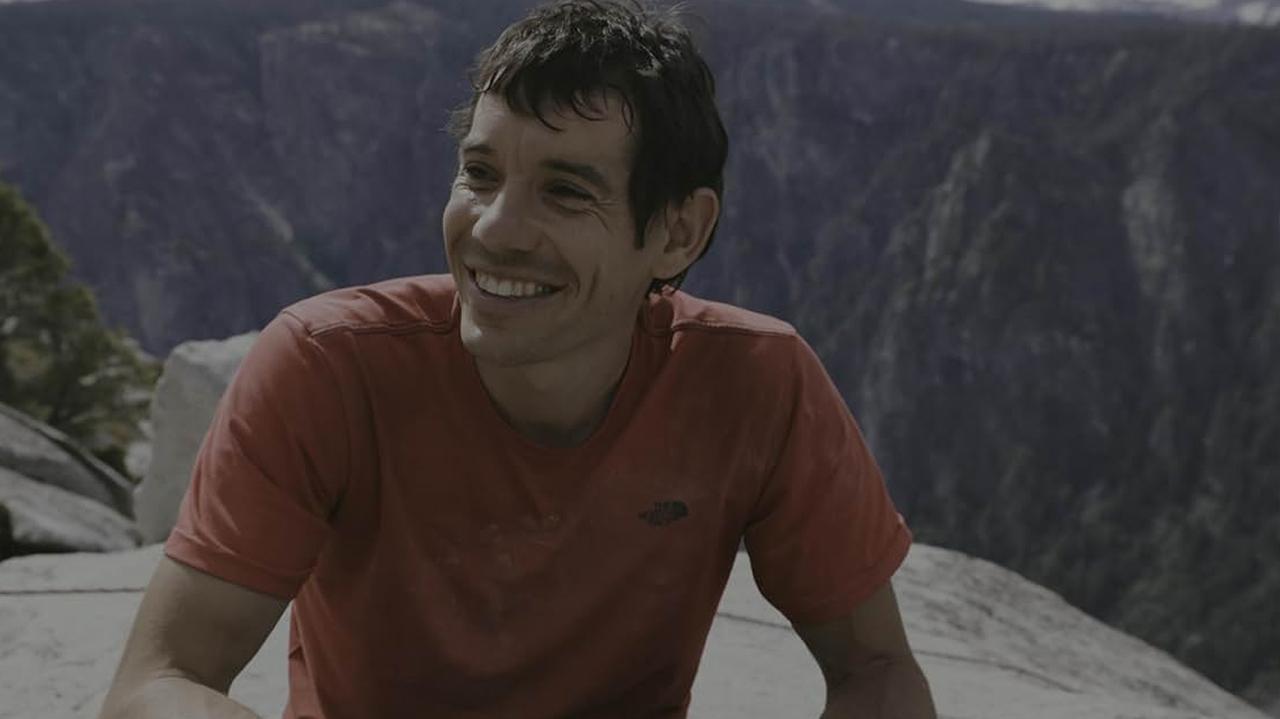
The Man Without a Fear Center
At the heart of this ordeal is Alex Honnold, a man who, if he weren't arguably the greatest athlete on the planet, might be mistaken for a very intense, slightly socially awkward philosophy student. Early in the film, we see Honnold undergo an MRI, and the results are chilling: his amygdala—the brain’s "fear center"—basically doesn't fire unless he’s faced with something truly catastrophic. He isn't brave in the way we usually define it; he’s a biological outlier.
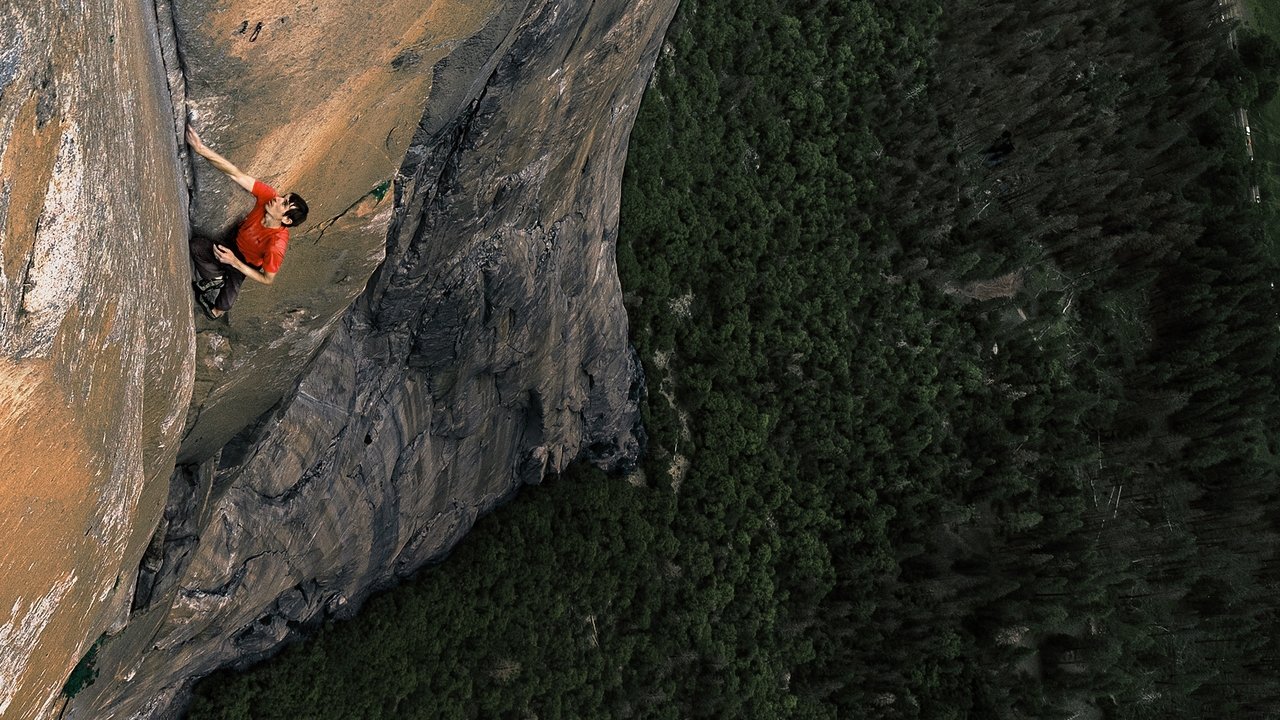
This gives the film a cerebral edge that separates it from your standard "X-Games" style adrenaline dump. Because Honnold doesn't feel the rush, his pursuit of El Capitan’s Freerider route becomes an exercise in pure, cold perfectionism. To "free solo" means climbing without ropes, harnesses, or safety nets. If you slip, you die. There is no "almost" in this sport. For Honnold, the adventure isn't about the thrill of the heights; it’s about the mental architecture required to turn a human body into a precision instrument that cannot fail. Honnold has the emotional range of a very focused granite slab, and watching that stoicism clash with the messy reality of human relationships is where the real drama hides.
A Camera Crew’s Ethical Nightmare
One of the most fascinating aspects of Free Solo is how it tackles the "observer effect." Directors Jimmy Chin (who also directed the excellent Meru) and Elizabeth Chai Vasarhelyi don't just point cameras at a mountain; they integrate the crew’s terror into the narrative. These aren't just detached journalists; they are Honnold’s close friends.

There’s a haunting scene where one of the cameramen, Mikey Schaefer, literally cannot look at his monitor while Honnold navigates the "Boulder Problem," a particularly treacherous stretch of the climb. The meta-narrative here is heavy: by filming this, are they incentivizing his death? In an era of "do it for the 'gram" and influencer-driven stunts, Free Solo feels like a much more weighted, professional version of that same anxiety. It asks what we owe to the people we watch, especially when their "content" involves flirting with a morgue slab. The production used remote-triggered cameras and long lenses specifically to avoid distracting Honnold, a high-tech solution to an ancient ethical dilemma.
The Romantic Friction of Near-Death
The film’s secret weapon isn't the climbing, though; it’s Sanni McCandless, Honnold’s girlfriend. Her presence creates a friction that the mountain alone can't provide. She represents the "normal" world—a world of safety, longevity, and emotional vulnerability. Honnold’s bluntness regarding her is almost comedic if it weren't so jarring. He essentially tells her that while he appreciates her, the climb comes first, and if he dies, that’s just the cost of doing business.
It’s a fascinating look at the "lone hero" trope that has dominated adventure cinema for decades. We’re used to the swashbuckling lead who leaves the girl behind to save the world, but here, the stakes are entirely internal. Honnold isn't saving anyone; he’s just satisfying an internal itch for a perfect performance. Watching Sanni navigate the reality of loving someone who views his own mortality as a minor technicality is the most grounded, relatable part of the journey. It forces you to wonder: at what point does a quest for greatness become a form of profound selfishness?
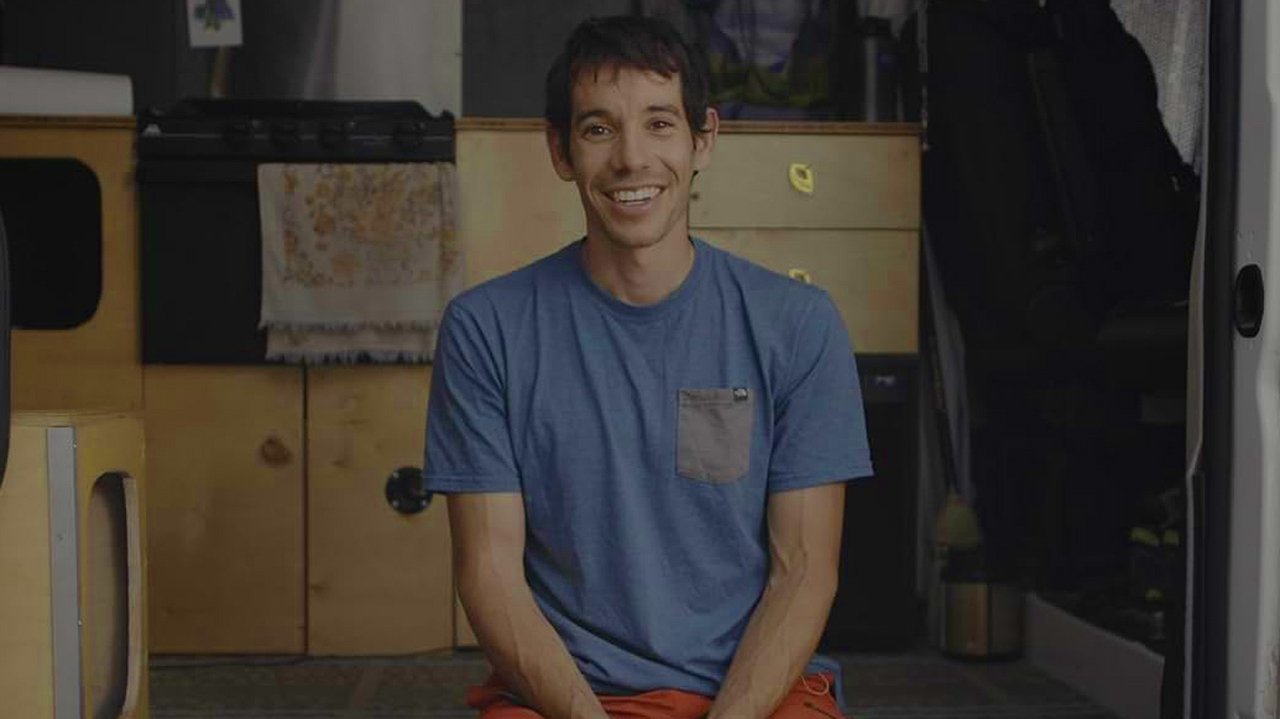
Scaling the Contemporary Moment
Released in 2018, Free Solo arrived during a golden age for National Geographic’s documentary arm, landing right alongside other prestige docs like Apollo 11. It benefited from the massive leap in camera technology—the 4K cinematography here is so sharp you can practically feel the grit of the chalk and the heat radiating off the rock. In an era where CGI allows superheroes to scale digital buildings without any real stakes, seeing a real human being stick a "karate kick" move on a sheer vertical wall with nothing but air beneath him feels like a revolutionary act.
The film won the Oscar for Best Documentary Feature, and it’s easy to see why. It manages to be both a massive, big-screen spectacle and a tiny, claustrophobic character study. It’s about the terrifying freedom of being so good at something that you no longer need the safety nets the rest of us cling to.
Free Solo is a masterpiece of tension that succeeds because it understands that the mountain is just the setting—the real adventure is the terrifyingly narrow space between Alex Honnold's ears. It’s a film that asks how much of our humanity we’re willing to trade for a moment of absolute perfection. Even if you have zero interest in rock climbing, the psychological portrait of a man who has deleted the word "mistake" from his vocabulary is worth every second of the elevated heart rate. Just keep a towel nearby for your hands.
Keep Exploring...
-
How to Train Your Dragon: Homecoming
2019
-
Justice League Dark: Apokolips War
2020
-
Friends: The Reunion
2021
-
Amy
2015
-
The Boy and the Beast
2015
-
My Hero Academia: Two Heroes
2018
-
My Hero Academia: Heroes Rising
2019
-
My Octopus Teacher
2020
-
Wolfwalkers
2020
-
RRR
2022
-
Suzume
2022
-
Transformers One
2024
-
Predator: Badlands
2025
-

Captain Fantastic
2016
-
Kubo and the Two Strings
2016
-
A Dog's Journey
2019
-
Descendants 3
2019
-
How to Train Your Dragon: The Hidden World
2019
-
Togo
2019
-
Finch
2021