Gonjiam: Haunted Asylum
"The broadcast is live. The exit is gone."
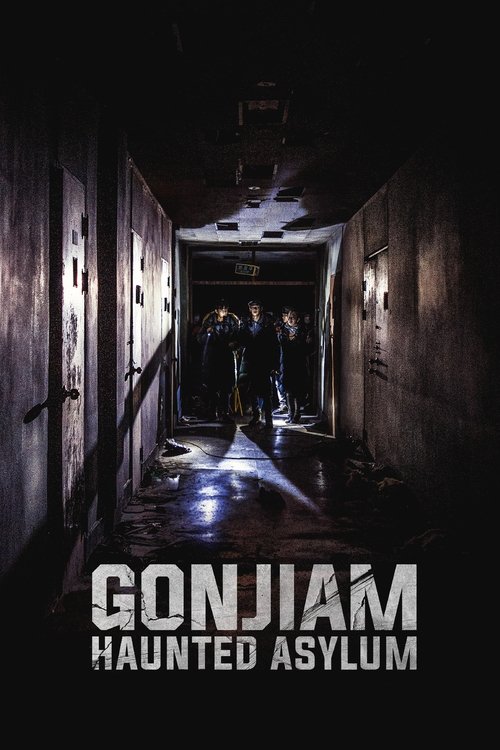
The found footage genre was supposedly buried and decomposed by 2018. We’d all survived the shaky-cam fatigue of the 2000s, and the Paranormal Activity sequels had squeezed the lemon until there was nothing left but bitter rind. So, when Jung Bum-shik’s Gonjiam: Haunted Asylum arrived, I went in with my arms crossed, fully prepared to be bored by another group of teenagers screaming at a door that closed by itself.
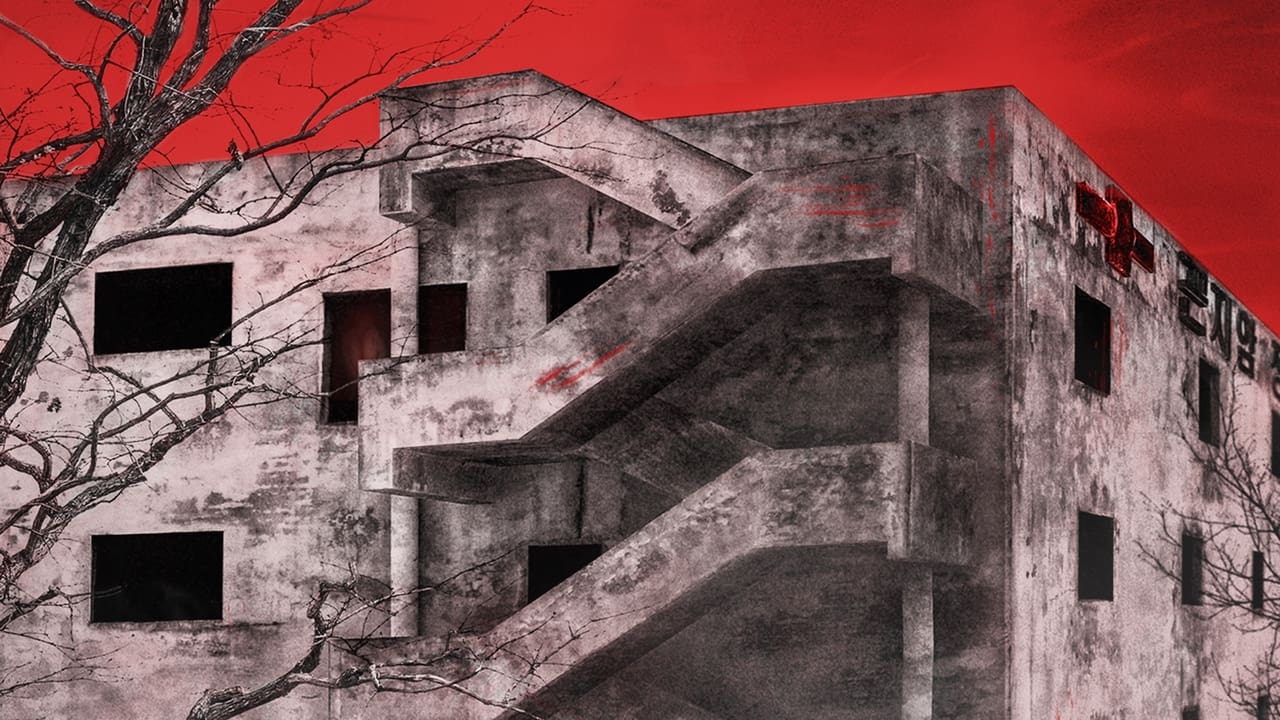
I was wrong. I watched this on a laptop with a nasty crack running down the left side of the screen, and for ninety minutes, I was convinced that crack was a spectral finger reaching out from the abandoned asylum to grab me.
Chasing Clicks into the Void
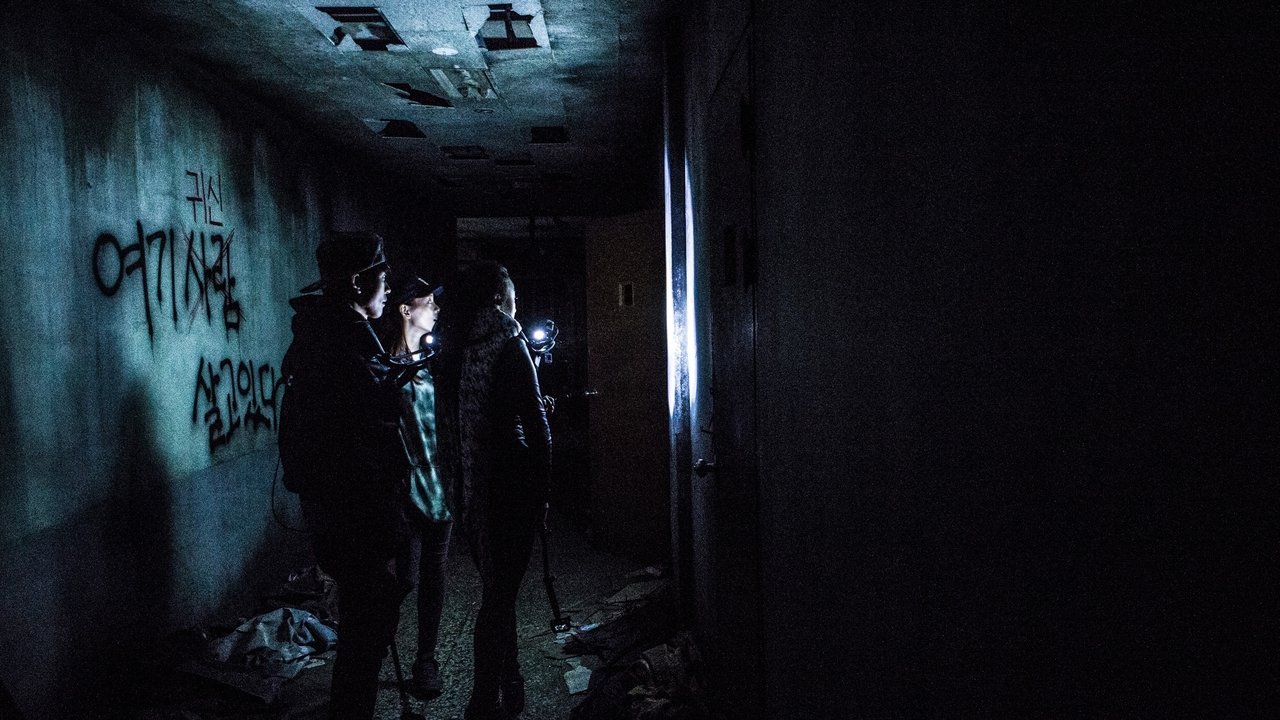
The setup is aggressively contemporary, tapping into the specific brand of desperation found in the "creator economy." Wi Ha-jun (before he was chasing players in Squid Game) plays Ha-jun, the cynical leader of a YouTube horror channel called "Horror Times." He recruits a group of thrill-seekers to explore the real-life Gonjiam Psychiatric Hospital—a place CNN famously dubbed one of the freakiest locations on the planet. Their goal isn't just to survive; it’s to hit one million live viewers to secure a massive payday from sponsors.
This isn't just a framing device; it’s a scathing look at how we’ve commodified fear. The first act feels like an actual vlog—full of awkward banter, tech setups, and that high-energy, "don't forget to like and subscribe" artificiality. It’s light, it’s modern, and it makes the eventual descent into darkness feel earned. When things start to go sideways, the characters aren't just fighting ghosts; they’re fighting the pressure to keep the camera rolling for the sake of the metrics. It’s essentially a high-budget YouTube prank gone catastrophically wrong, and that relatable greed makes the horror hit closer to home.
The Face of Pure Dread
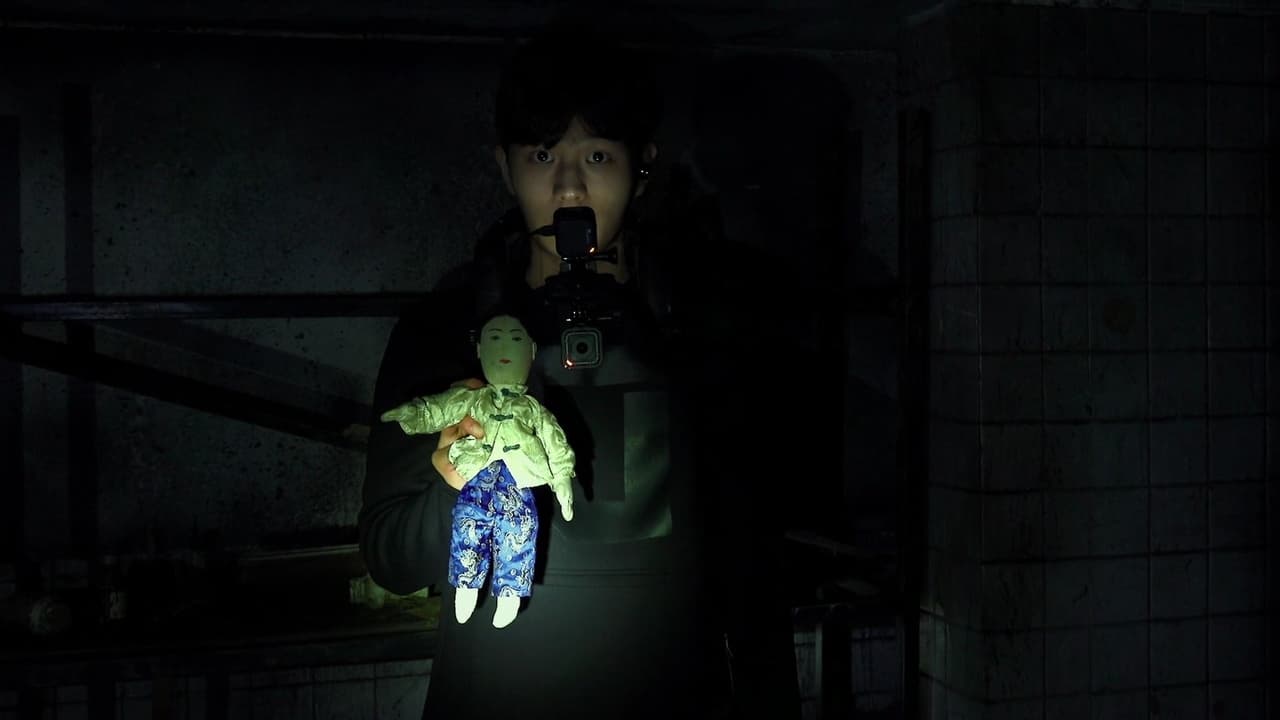
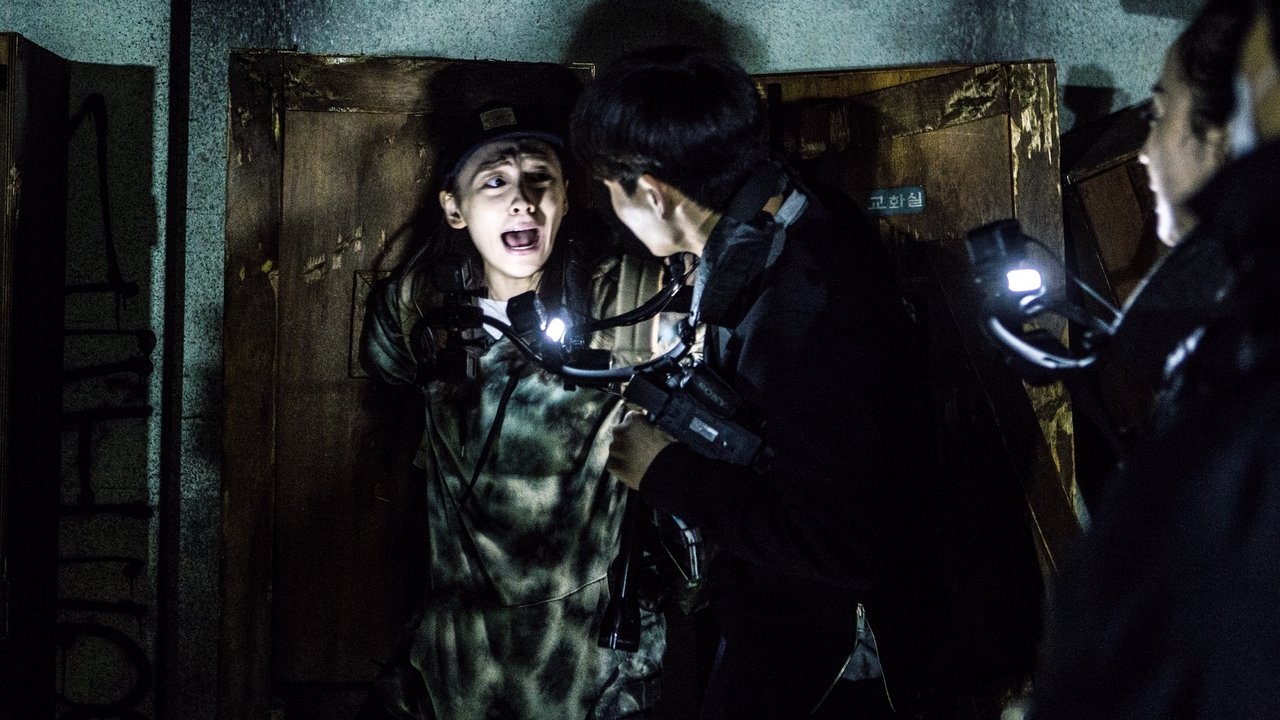
What makes Gonjiam work isn't just the jump scares—though there are a few that nearly sent me into cardiac arrest—it’s the way Jung Bum-shik uses modern technology to create intimacy. Each actor wears a rig with two GoPros: one facing out to see what they see, and one facing in, capturing their faces in a tight, wide-angle distortion.
There is a sequence involving Park Ji-hyun that has become legendary in horror circles. No spoilers, but the "whispering" girl scene is the stuff of genuine nightmares. It turns out that those terrifying, rapid-fire clicking sounds weren't made by a computer; director Jung Bum-shik actually made the noises himself into a microphone to get the exact unsettling rhythm he wanted. Watching her face contort in that fish-eye lens, I realized that the film’s greatest weapon wasn't the "monsters" in the shadows, but the naked, distorted panic reflected in a 4K GoPro lens.
Spatial Storytelling and the 402 Mystery
As the crew pushes deeper toward the dreaded Room 402—a door that has supposedly never been opened—the film transitions from a "ghost hunt" into a surrealist nightmare. The geometry of the building begins to fail. Hallways loop, doors disappear, and the group's expensive equipment becomes a liability.
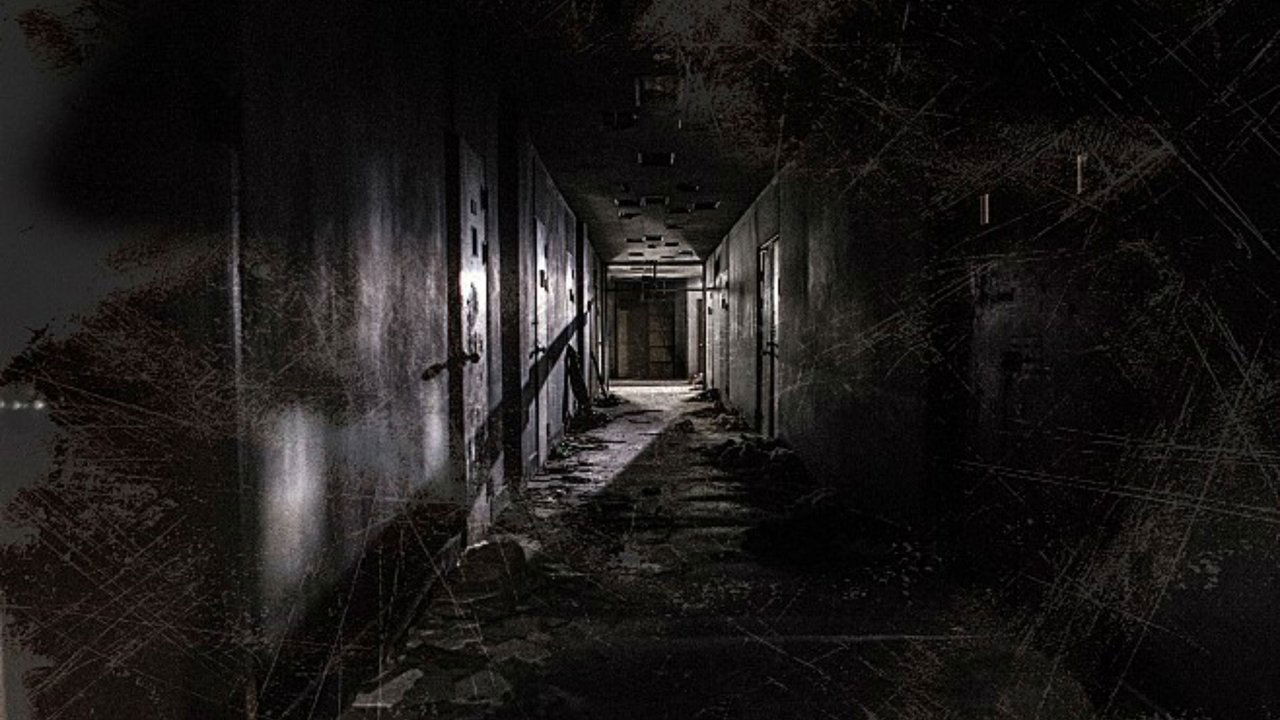
The sound design here is oppressive. In an era where many horror films lean on loud orchestral stings, Gonjiam thrives on silence and the wet, rhythmic sounds of things moving just out of sight. The cinematography by Yun Jong-ho captures the gritty, damp reality of the asylum—you can almost smell the mold and the stale air. It’s a masterclass in spatial dread, making a wide-open room feel as claustrophobic as a coffin.
While the film stays firmly within the "haunted house" tropes, it executes them with such technical precision that they feel fresh. It acknowledges the tropes of the 2010s—the live-chat scrolling on the screen, the thermal cameras, the signal drops—and uses them to isolate the characters. When the "view count" starts to fluctuate, it becomes a literal heart rate monitor for the audience.
Gonjiam: Haunted Asylum is the definitive found footage film of the social media age. It takes a tired subgenre and injects it with a shot of adrenaline and a cynical, modern soul. It’s a film that understands that in our current moment, we are more afraid of losing our audience than we are of the things that go bump in the night—at least until those things start clicking in our ears. If you haven't seen it, find the biggest screen you can, turn off the lights, and keep your hands away from the screen. Just don't blame me if you never look at a GoPro the same way again.
Keep Exploring...
-
The Wailing
2016
-
Marrowbone
2017
-

Fear Street: 1666
2021
-
Get Out
2017
-

Ghostland
2018
-
Hereditary
2018
-

Midsommar
2019
-
Fear Street: 1978
2021
-
Last Night in Soho
2021
-
The Conjuring: The Devil Made Me Do It
2021
-
Saw X
2023
-
Forgotten
2017
-
Burning
2018
-

#Alive
2020
-
The Call
2020
-
Decision to Leave
2022
-
Goodnight Mommy
2015
-
The Room
2019
-
The Night House
2021
-
Mr. Harrigan's Phone
2022