Green Book
"Class, brass, and a roadmap to understanding."
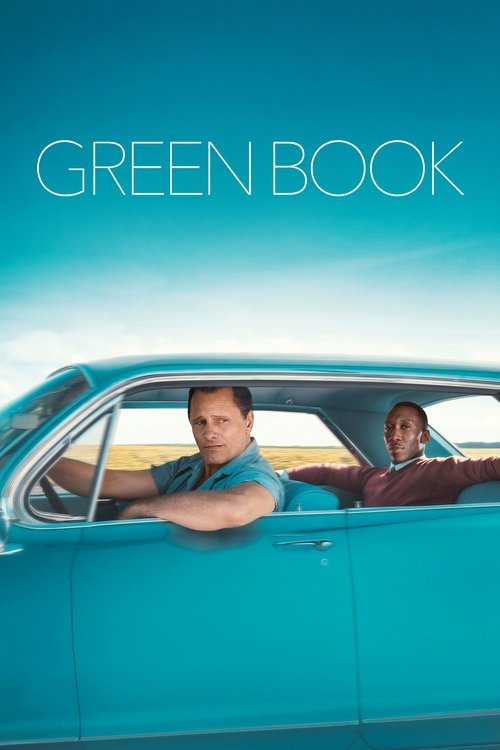
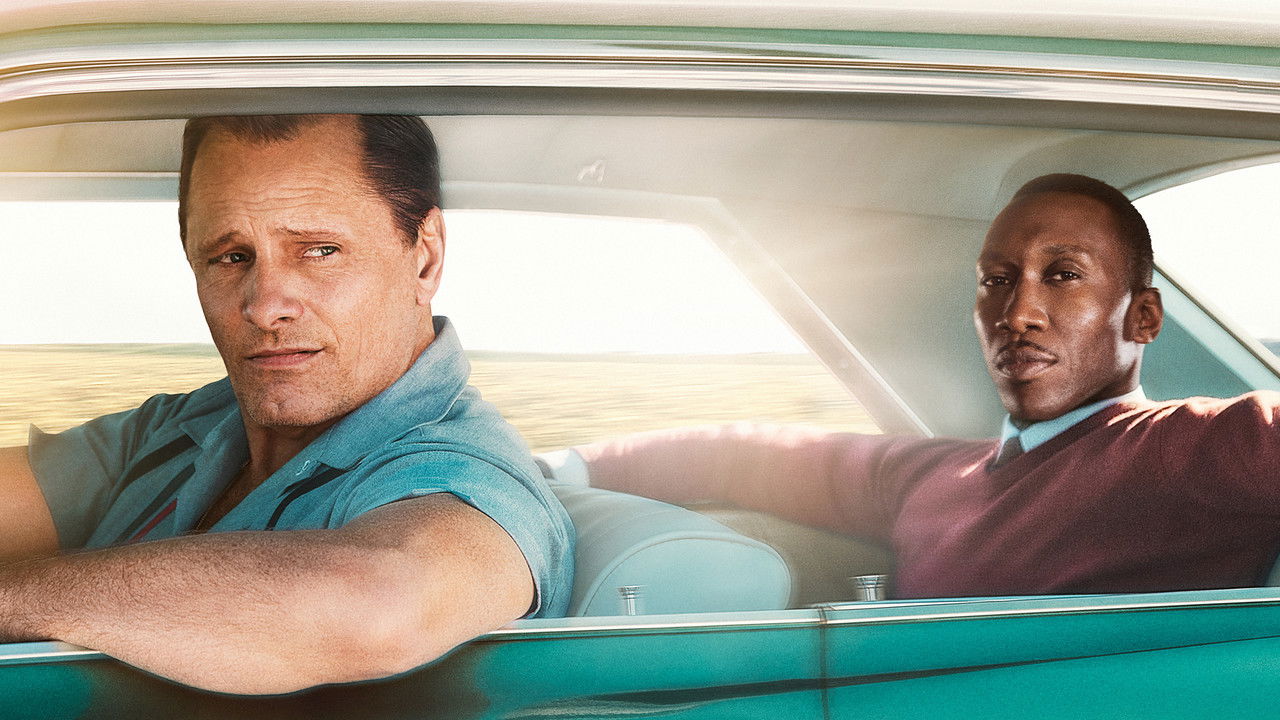
I remember the exact moment I realized Viggo Mortensen was fully committed to the bit in Green Book. It wasn’t a dramatic monologue or a tear-filled epiphany; it was the scene where he takes an entire extra-large pepperoni pizza, folds it in half like a giant New York taco, and proceeds to demolish it in bed. I watched this scene while wearing a pair of incredibly itchy wool socks my aunt gave me for Christmas, and honestly, the discomfort of the socks only made me respect Viggo’s dedication to the "Bronx bouncer" physique more. He reportedly gained 45 pounds for the role, and every ounce of that pasta-heavy prep is visible in his performance as Tony "Lip" Vallelonga.
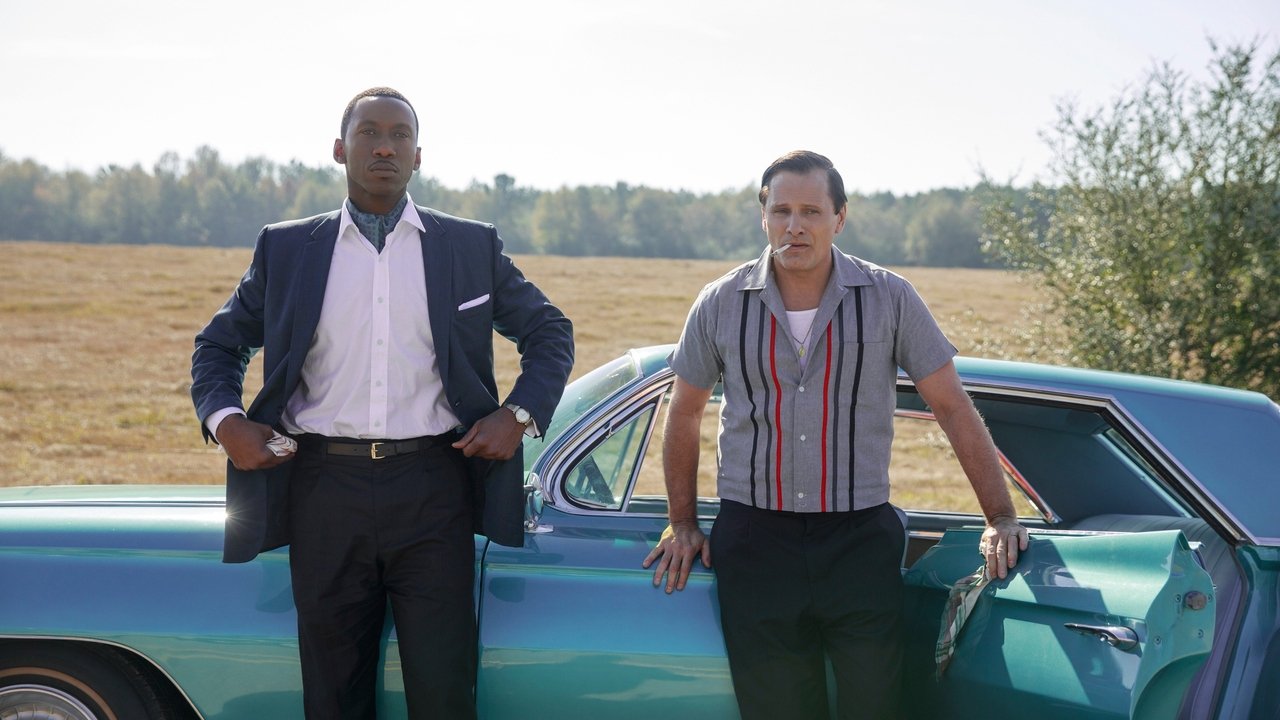
A Masterclass in Mismatched Chemistry
On paper, Green Book sounds like the setup for a joke: A guy who once directed a movie about a man getting his tongue stuck to a frozen pole (Peter Farrelly) decides to tackle the Jim Crow South. It shouldn’t work. Yet, the engine that keeps this film from veering off a cliff is the undeniable, soulful chemistry between Mortensen and Mahershala Ali.
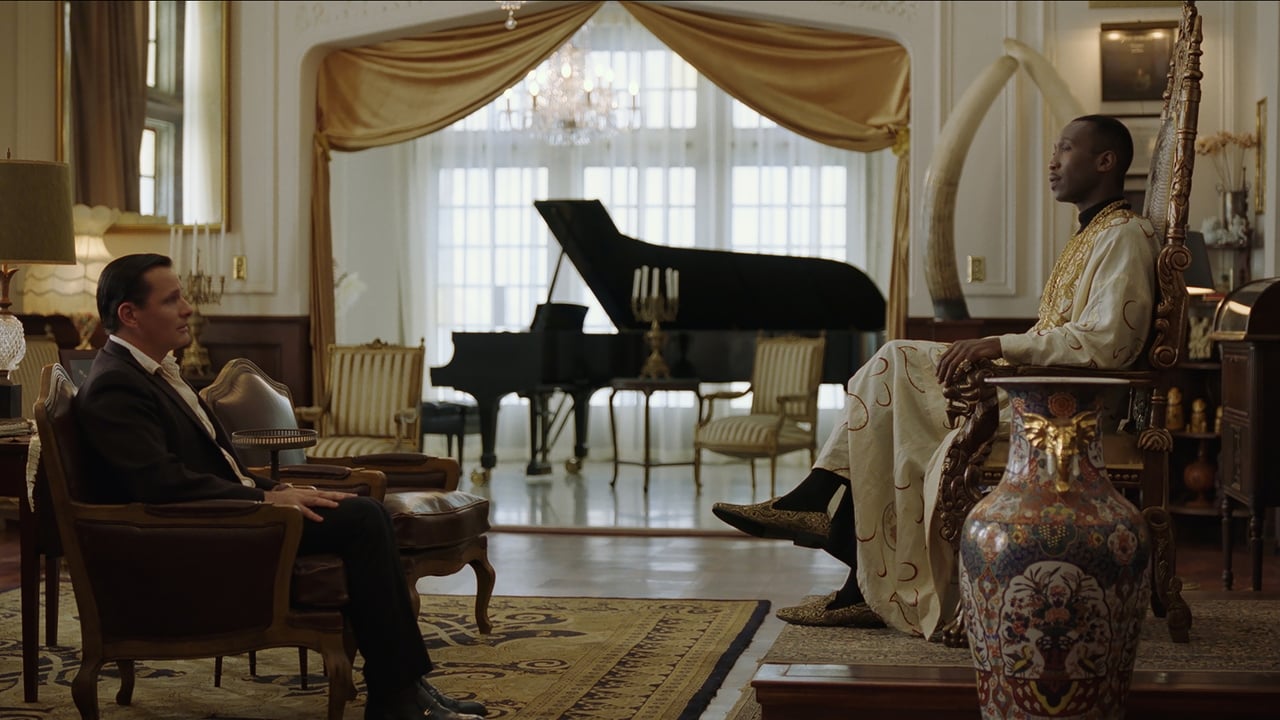
Ali plays Dr. Don Shirley, a world-class pianist who lives in a literal throne room above Carnegie Hall. He is a man of immense refinement, lonely by design, and guarded by necessity. When he hires Tony Lip to drive him through the Deep South for a concert tour, the friction is immediate. Tony is loud, unfiltered, and possesses the kind of casual prejudices that were the "standard setting" for 1962. Shirley is poised, rigid, and deeply aware that his talent doesn’t exempt him from the laws of a segregated America.
The way these two interact is the film’s greatest strength. Mahershala Ali (who rightfully picked up his second Oscar for this) does more with a subtle eyebrow raise than most actors do with a three-page speech. Watching him try to teach Tony how to write a romantic letter to his wife, Dolores (played with warmth by the always-reliable Linda Cardellini), is pure comedic gold. It’s a "buddy road trip" movie at heart, and like the best of them, it relies on the slow-thaw of two people who realize they’re both outsiders in different ways.
The Elephant in the Room: The "Feel-Good" Friction

We have to talk about the context, though. In the 2018 cinematic landscape—an era defined by a push for more nuanced representation and films like Moonlight or Get Out—Green Book felt like a bit of a time traveler. It’s a movie that looks at the horrific reality of the Negro Motorist Green Book—a literal survival guide for Black travelers—and uses it as a backdrop for a story that focuses heavily on a white man’s redemption.
It is effectively "Driving Miss Daisy" but with the seating chart flipped. While the film is undeniably charming, it’s also undeniably "safe." It paints racism as a series of individual meanies rather than a crushing systemic weight. Critics on social media had a field day with this, and the discourse around its Best Picture win was, to put it mildly, spicy. But if you step away from the Twitter-fueled firestorms, there’s a reason audiences loved it: it’s incredibly well-paced and genuinely funny. Peter Farrelly brings a light touch to the direction that keeps the heavy subject matter from becoming a slog, even if he occasionally misses the deeper resonance of the history he’s touching.
The Craft Behind the Cadillacs
Technically, the film is a polished gem. The production design by Tim Galvin captures the era without it feeling like a theme park. Every diner, every motel, and every smoke-filled jazz club feels lived-in. Then there’s the music. Kris Bowers, a brilliant pianist and composer in his own right, handled the score and actually performed the piano pieces you hear Shirley playing. The way the camera lingers on the hands during the performances makes the music feel like a third character in the car.
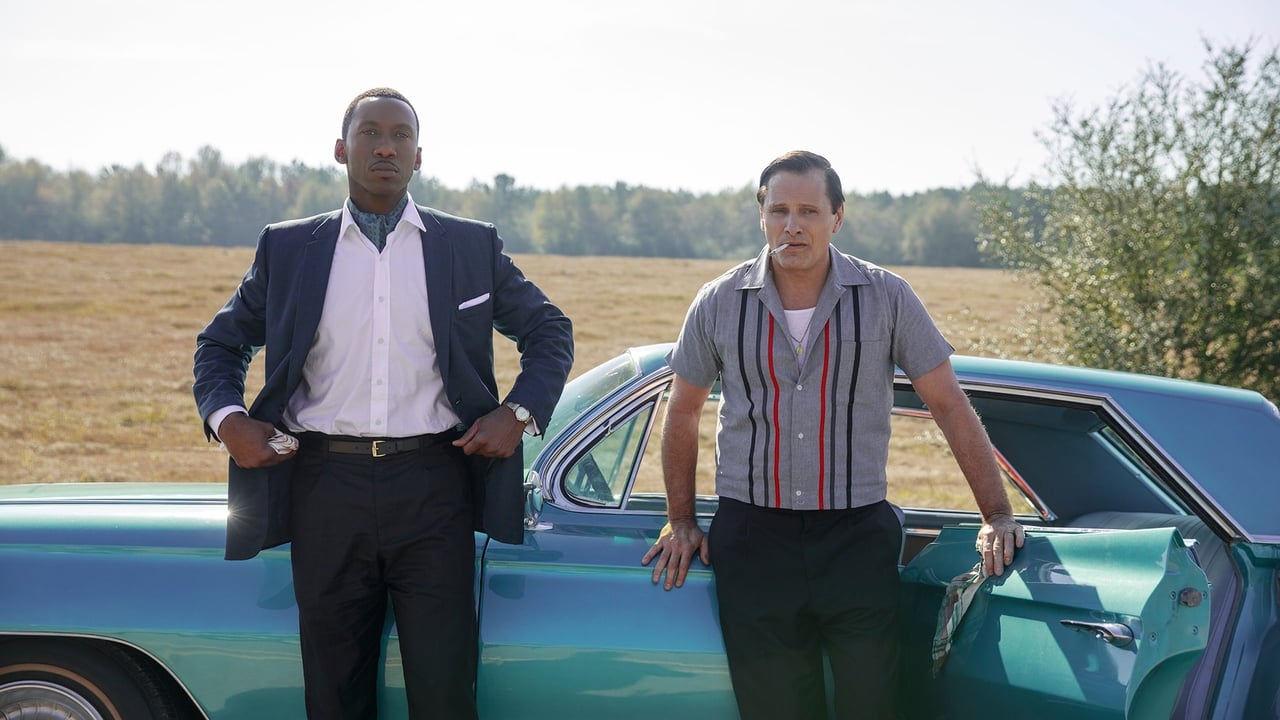
Interestingly, the screenplay was co-written by Nick Vallelonga, the real-life son of Tony Lip. This explains why the movie feels so affectionate toward Tony, though it also led to some public disagreements with Don Shirley’s family regarding the accuracy of the "friendship" depicted. Apparently, Dr. Shirley wasn't quite as estranged from his family or Black culture as the movie suggests. Does that ruin the movie? Not necessarily, but it’s a reminder that "Inspired by a True Story" often means "We kept the names and changed the vibes."
At the end of the day, Green Book is the cinematic equivalent of a warm meal on a cold night. It’s not revolutionary, and it doesn't challenge the audience in the way a more daring film might, but it delivers on its promise of a human story well-told. You come for the historical drama, but you stay for the bickering over fried chicken in a teal Cadillac. It’s a testament to the power of a great acting duo to elevate a straightforward script into something that lingers in your memory long after the credits roll. It’s a crowd-pleaser that actually pleases the crowd, and in a fragmented streaming era, there's something to be said for a film that can make everyone in the room laugh at the same time.
Keep Exploring...
-
The Greatest Beer Run Ever
2022
-
BlacKkKlansman
2018
-
The Favourite
2018
-

There's Still Tomorrow
2023
-
Gifted
2017
-
Inside Out
2015
-
Soul
2020
-

Hidden Figures
2016
-
Battle of the Sexes
2017
-

A Dog's Purpose
2017
-
I, Tonya
2017
-
Lady Bird
2017
-
The Peanut Butter Falcon
2019
-
Dog
2022
-
Hustle
2022
-
The Man Who Invented Christmas
2017
-
Can You Ever Forgive Me?
2018
-
Dolemite Is My Name
2019
-
Spotlight
2015
-

Straight Outta Compton
2015