Halloween
"Evil finally comes home to a house that’s ready."
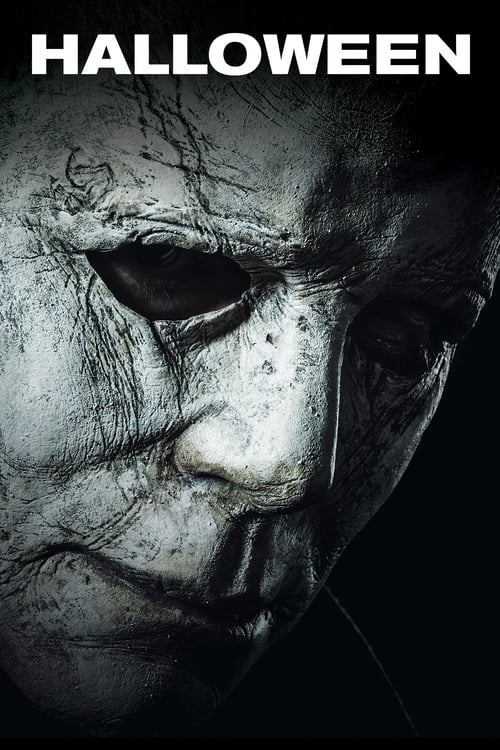
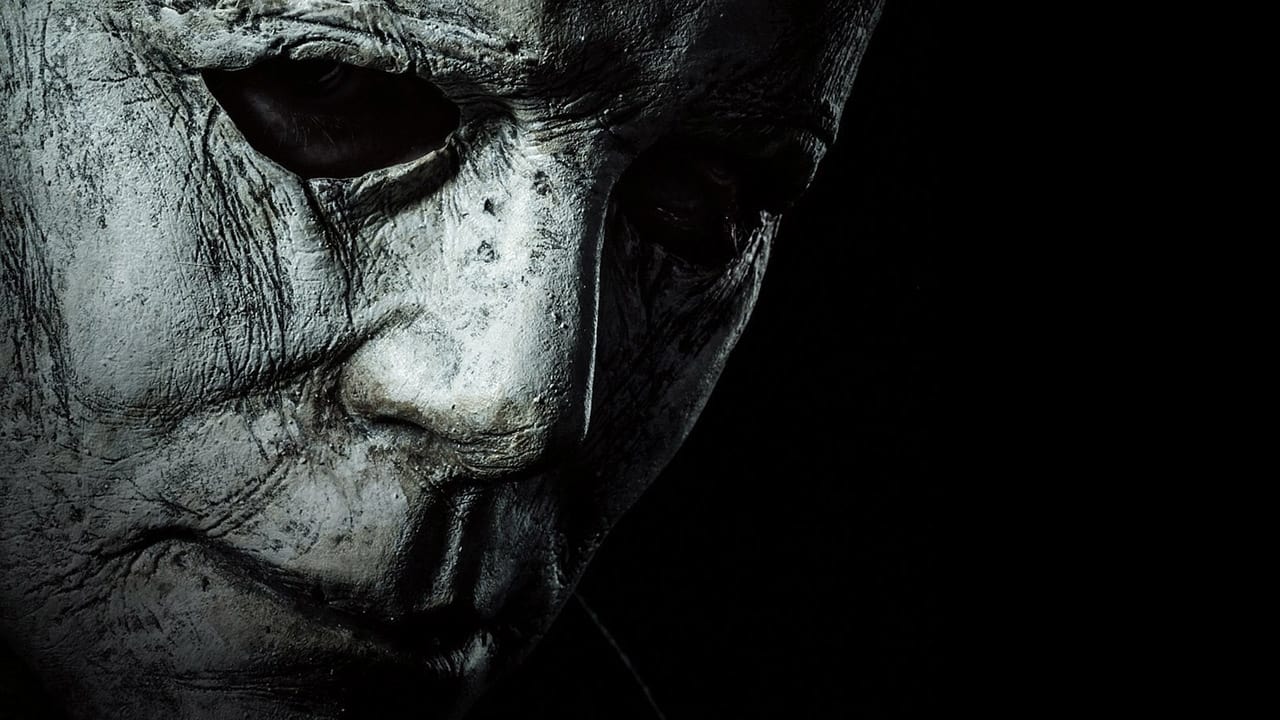
Forty years is an impossibly long time to hold a grudge, especially when the object of your ire is a silent, six-foot-tall void in a spray-painted Captain Kirk mask. Yet, when David Gordon Green stepped behind the camera for 2018’s Halloween, he understood something that five previous decades of sequels had fumbled: the Boogeyman is only scary if he’s a mystery, and Laurie Strode is only interesting if she’s allowed to be human.
By the time this film hit theaters, the Halloween franchise was a convoluted mess of cults, psychic links, and Busta Rhymes doing karate. I went into this screening with a healthy dose of skepticism, largely because "legacy sequels" were starting to feel like a mandated corporate exercise. But then the opening credits rolled, that iconic John Carpenter synth score kicked in with a modern, aggressive snarl, and I realized this wasn't just another cash grab. I watched the first twenty minutes while my cat, Jonesy, decided that exact moment was the perfect time to knock a heavy ceramic lamp off my side table. The crash nearly sent me through the ceiling, but honestly, it set the perfect high-alert mood for what followed.
The Great Timeline Cleansing
The boldest move David Gordon Green and co-writer Danny McBride (yes, the Eastbound & Down guy) made was hitting the "delete" key on every sequel since 1978. No more "Michael is Laurie’s brother" plot points. That single decision restores the pure, terrifying randomness of the original. In this 2018 landscape of franchise fatigue, where every villain needs a tragic origin story and a 500-page Wiki entry, making Michael Myers a "Shape" again felt revolutionary.
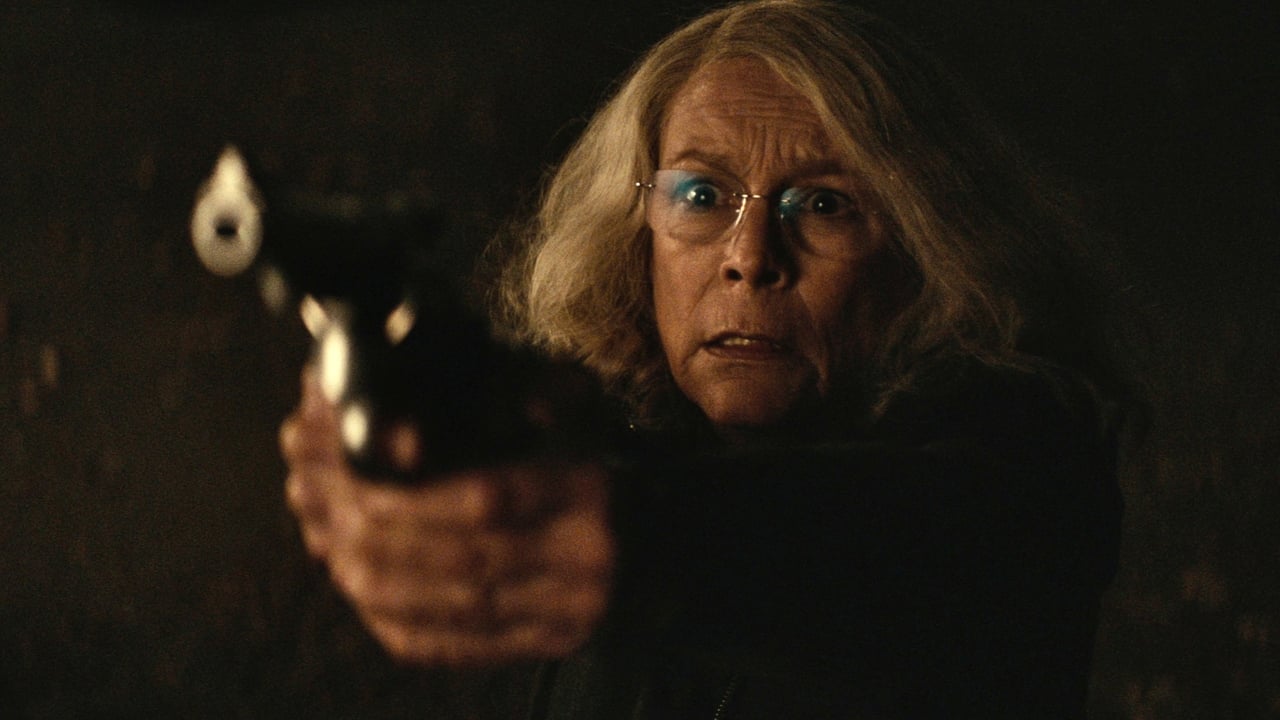
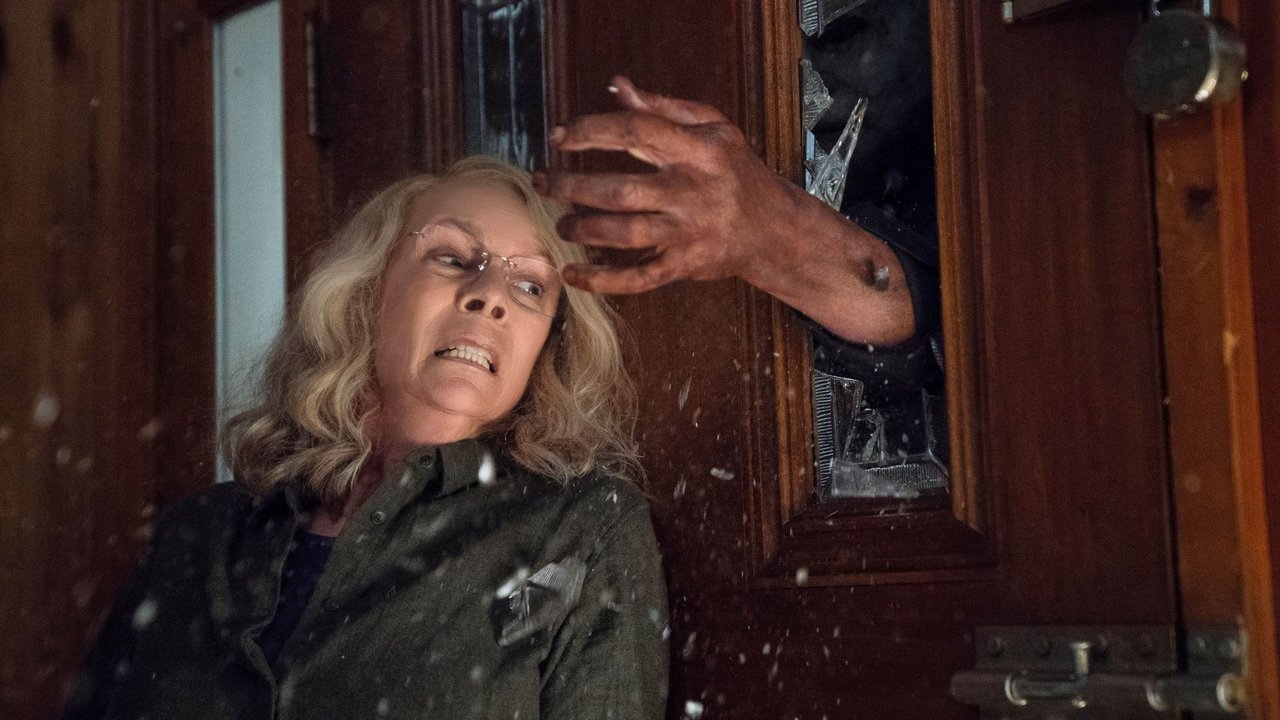
This film exists in a world where Laurie Strode (Jamie Lee Curtis) is a woman who has spent forty years living in the shadow of a single night. She’s not a hero; she’s a survivor with a severe case of PTSD and a house that looks like a high-security bunker. Laurie Strode basically turned her life into a paranoid fortress that would make Sarah Connor nod in approval. Seeing Jamie Lee Curtis return to this role without the Hollywood sheen—showing the grit, the frayed edges, and the obsessive preparation—is easily the best performance in the entire slasher subgenre.
A Trinity of Trauma
The contemporary lens of this film shines brightest when it looks at the three generations of Strode women. We have Laurie, her estranged daughter Karen (Judy Greer), and her granddaughter Allyson (Andi Matichak). While the film delivers the "kill count" fans crave, the real meat of the story is about how trauma ripples through a family tree. Karen grew up being taught how to strip a rifle instead of playing with dolls, and that resentment feels earned and grounded.
Judy Greer is often relegated to the "best friend" role in rom-coms, so seeing her get to play a character with this much hidden steel was a delight. When the third act finally kicks in and the three generations find themselves trapped in Laurie’s trap-filled house, the payoff is immense. It moves past being a simple horror movie and becomes a cathartic scream against the things that haunt us. The film manages to be a commercial juggernaut—turning a slim $10 million budget into a staggering $259 million global box office haul—without losing its soul to corporate committee thinking.
The Shape of Modern Fear
Technically, the film is a masterclass in tension. John Carpenter returned to handle the score alongside his son Cody Carpenter and Daniel Davies, and the result is a soundtrack that feels like a heartbeat skipping. The cinematography by Michael Simmonds (who worked on The Lunchbox and Nerve) uses long, prowling takes that mimic Michael’s movement. There’s a particular sequence where Michael wanders through a neighborhood on Halloween night, drifting from one house to the next in a single, unbroken shot, that is genuinely chilling.
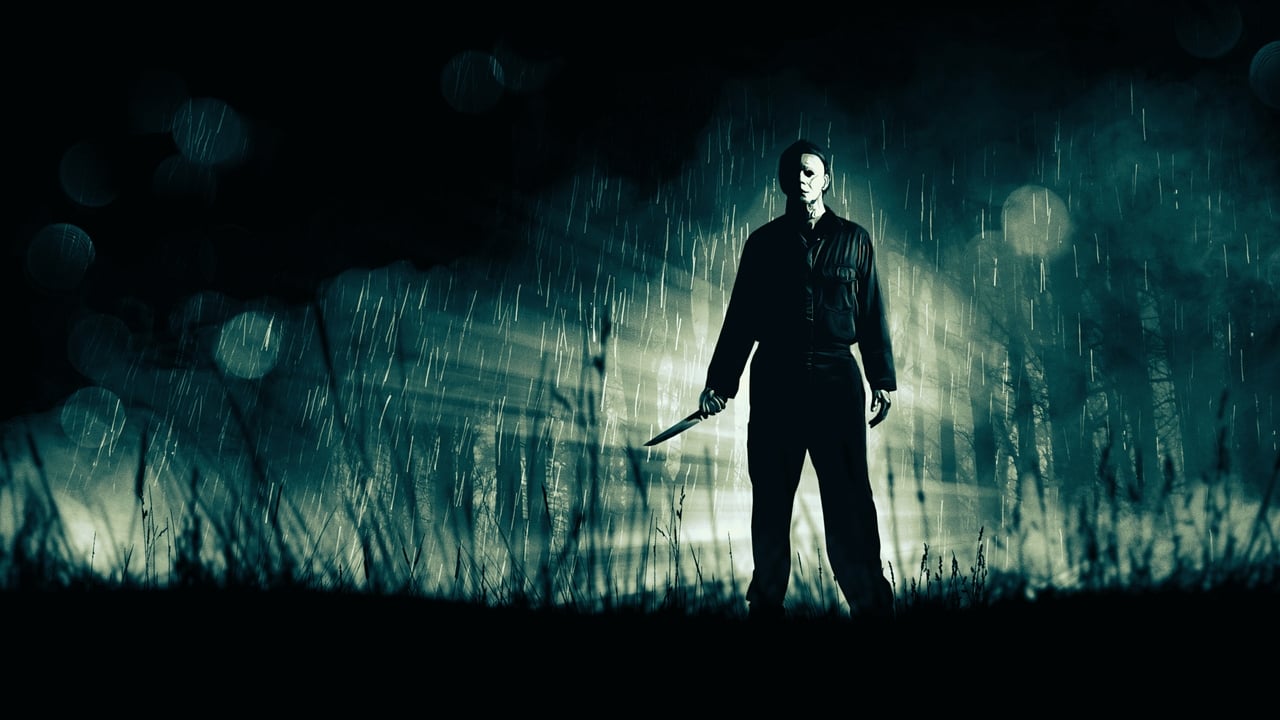
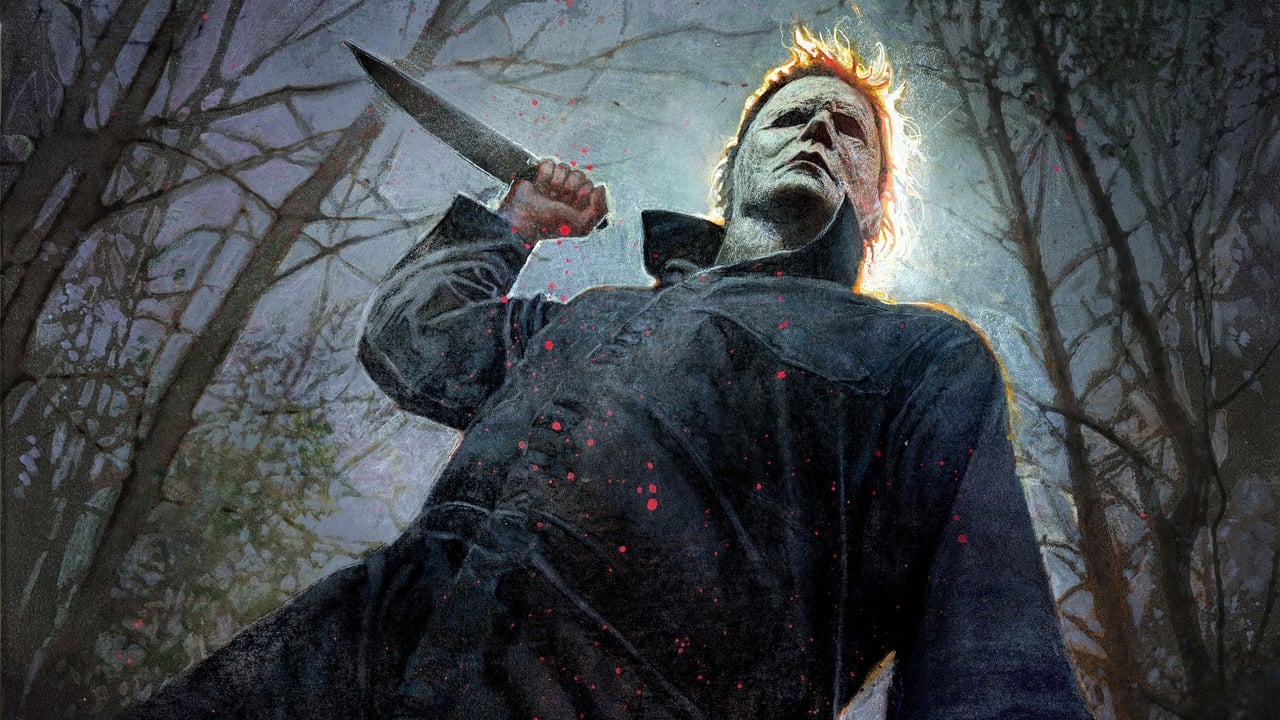
As for the man under the mask, James Jude Courtney takes over the heavy lifting, though original "Shape" Nick Castle provided the ADR for Michael’s heavy breathing and a brief cameo. The Shape is essentially the ultimate shark on two legs in this version—he’s faster, more brutal, and entirely devoid of empathy. The makeup effects by Christopher Nelson (of Kill Bill and Suicide Squad fame) are suitably gnarly, favoring practical blood and bone-crunching impact over the CGI-heavy fluff that plagues many modern horror reboots.
One of the coolest details I picked up on is that James Jude Courtney actually spent time observing how cats move to capture a more predatory, less "robotic" gait for Michael. It shows. There’s a fluid, animalistic quality to his movements here that makes him feel more dangerous than he has in thirty years.
This is exactly what a legacy sequel should be: a film that respects the roots but isn't afraid to prune the dead branches. It successfully bridged the gap between old-school atmospheric dread and the faster, more aggressive demands of the 21st-century audience. By focusing on the emotional wreckage Michael left behind, David Gordon Green gave us a horror movie with actual stakes. It’s a lean, mean, and surprisingly emotional slasher that reminds us why we were afraid of the dark in the first place. Whether you’re a die-hard Halloween collector or someone just looking for a high-tension thrill ride, this is the gold standard for how to resurrect a legend.
Keep Exploring...
-
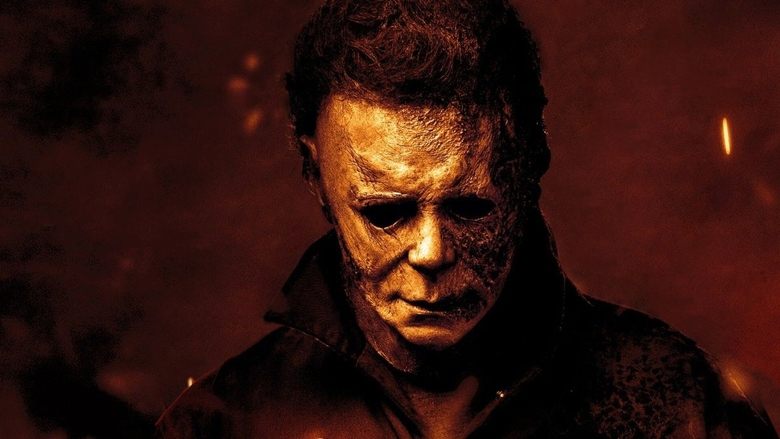
Halloween Kills
2021
-
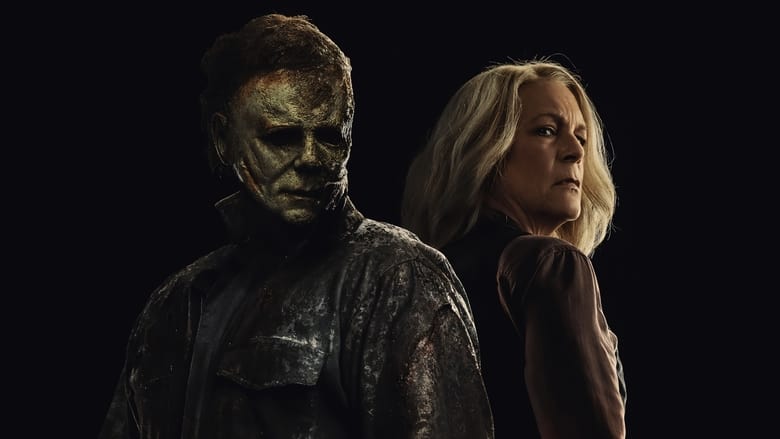
Halloween Ends
2022
-
Halloween H20: 20 Years Later
1998
-
The Exorcist: Believer
2023
-
Halloween II
1981
-

Halloween 4: The Return of Michael Myers
1988
-

Halloween
1978
-
Insidious: Chapter 3
2015
-
10 Cloverfield Lane
2016
-
Don't Breathe
2016
-
The Purge: Election Year
2016
-
The Shallows
2016
-
It
2017
-
Split
2017
-

Insidious: The Last Key
2018
-
The First Purge
2018
-
Escape Room
2019
-
The Conjuring: The Devil Made Me Do It
2021
-
The Black Phone
2022
-
Evil Dead Rise
2023