Hereditary
"Evil runs in the family."
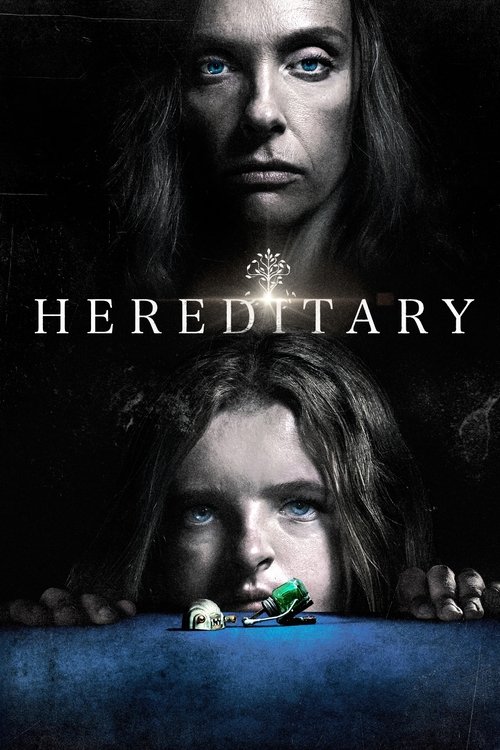
The first time I saw Hereditary, the theater was so quiet you could hear the air conditioning hum, right up until the moment a specific "cluck" sound echoed from the speakers. At that exact second, the woman two seats down from me dropped an entire extra-large bucket of popcorn. It didn’t just spill; it exploded. For the rest of the runtime, I sat there with the smell of artificial butter wafting up around my ankles, paralyzed by the most oppressive sense of dread I’ve ever experienced in a cinema.
I watched it again recently while recovering from a mild fever, and I honestly think the slight delirium made the experience even more suffocating. This isn't just a scary movie; it’s a 128-minute panic attack that redefined what horror could look like in the late 2010s.
The Architecture of Inevitability
Ari Aster didn’t just arrive with Hereditary; he kicked the door down and rearranged the furniture. In an era where mainstream horror was leaning heavily on the "Conjuring-verse" style of funhouse jump scares, Aster (who also wrote the screenplay) pivoted toward something much older and meaner. He tapped into the "elevated horror" movement—a term I find a bit pretentious, but it fits the bill for a film that treats a family’s grief with the same gravity as a Greek tragedy.
The story centers on Annie Graham (Toni Collette), a miniature artist struggling with the death of her secretive mother. As Annie, her husband Steve (Gabriel Byrne), and their children Peter (Alex Wolff) and Charlie (Milly Shapiro) navigate the fallout, the film slowly reveals that their family tree is rotting from the roots up.
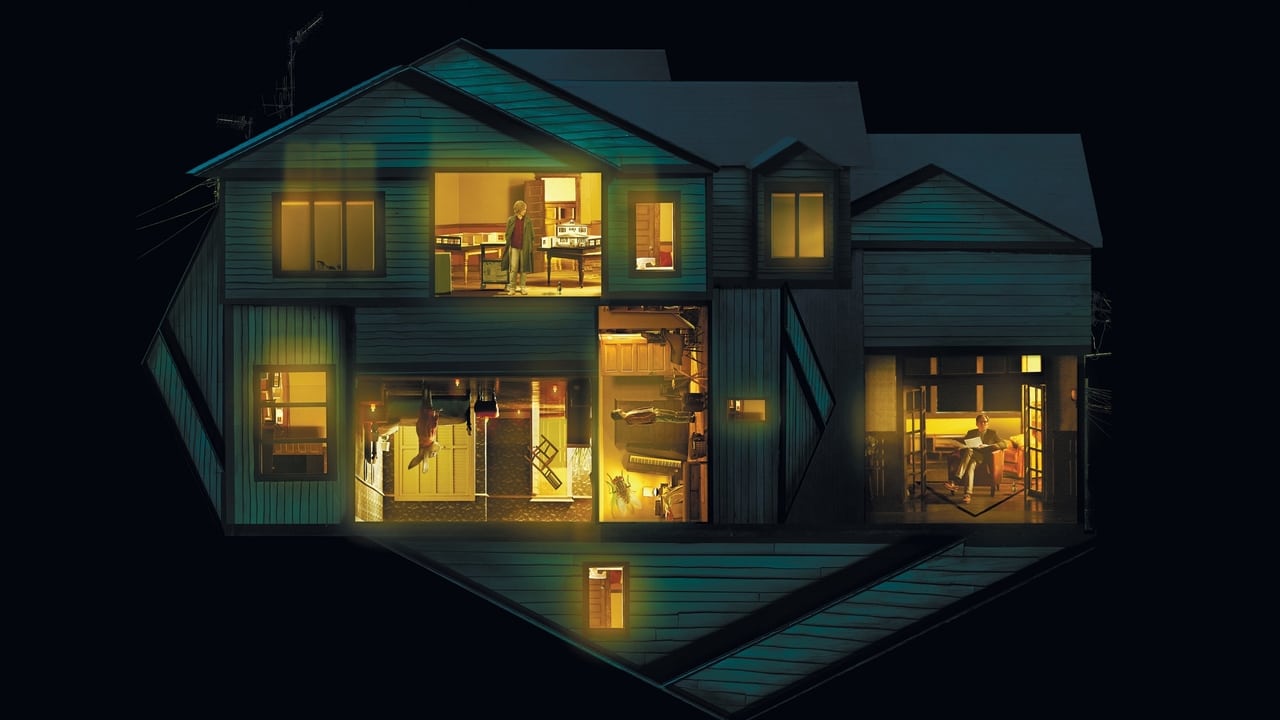
What makes the direction so effective is the use of space. Pawel Pogorzelski, the cinematographer who would later work with Aster on Midsommar, shoots the Graham house like one of Annie’s dioramas. The camera glides through rooms with a clinical, detached voyeurism. It’s a brilliant visual metaphor: the characters are just dolls in a house they don't own, moved by hands they can't see.
A Performance for the Ages
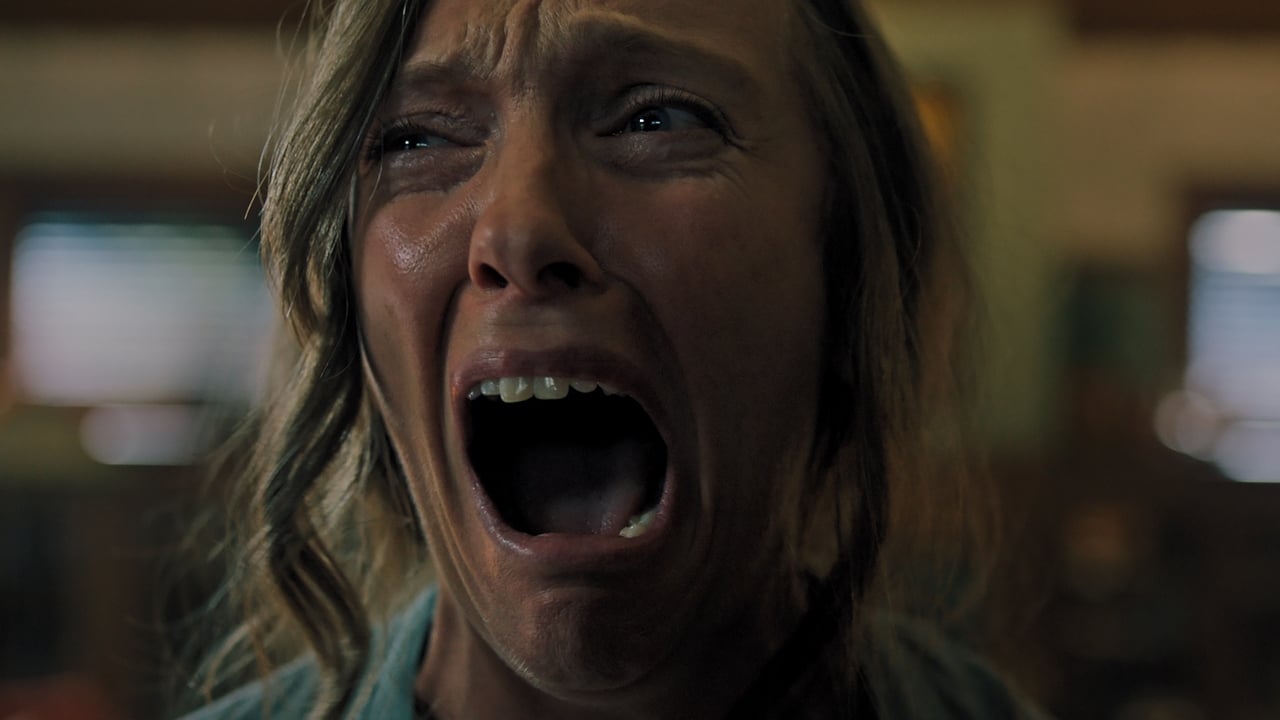
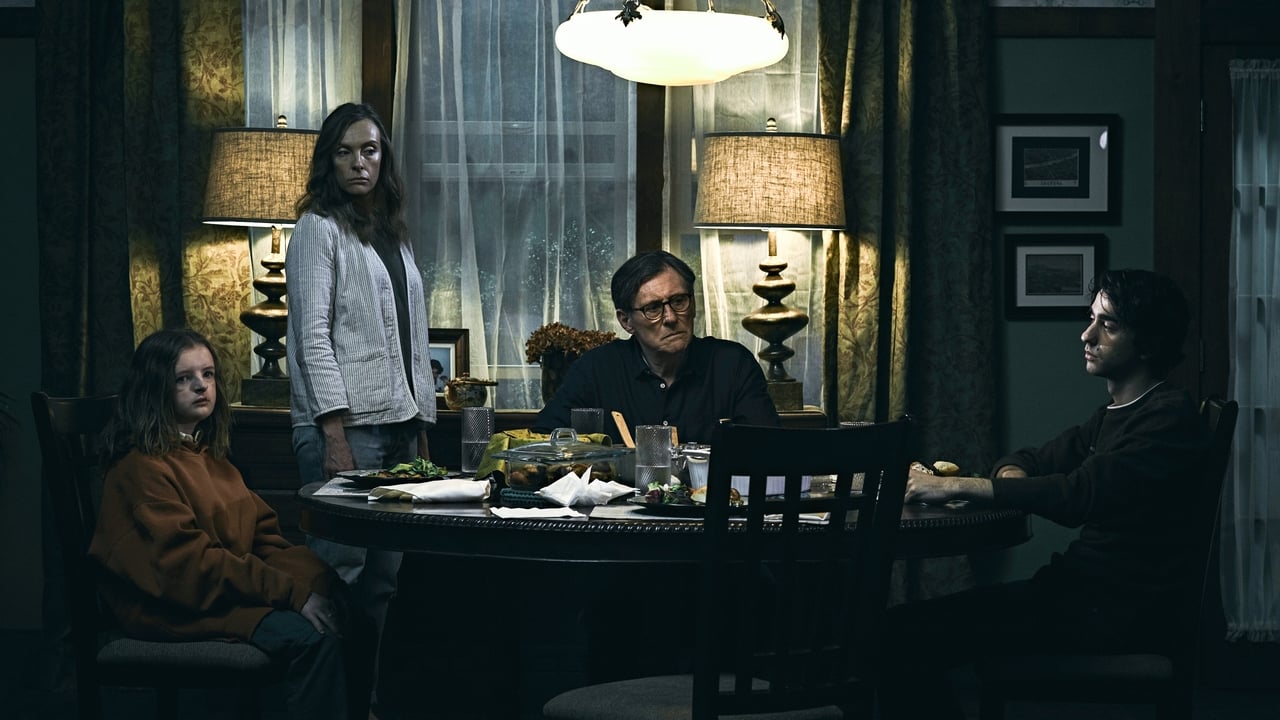
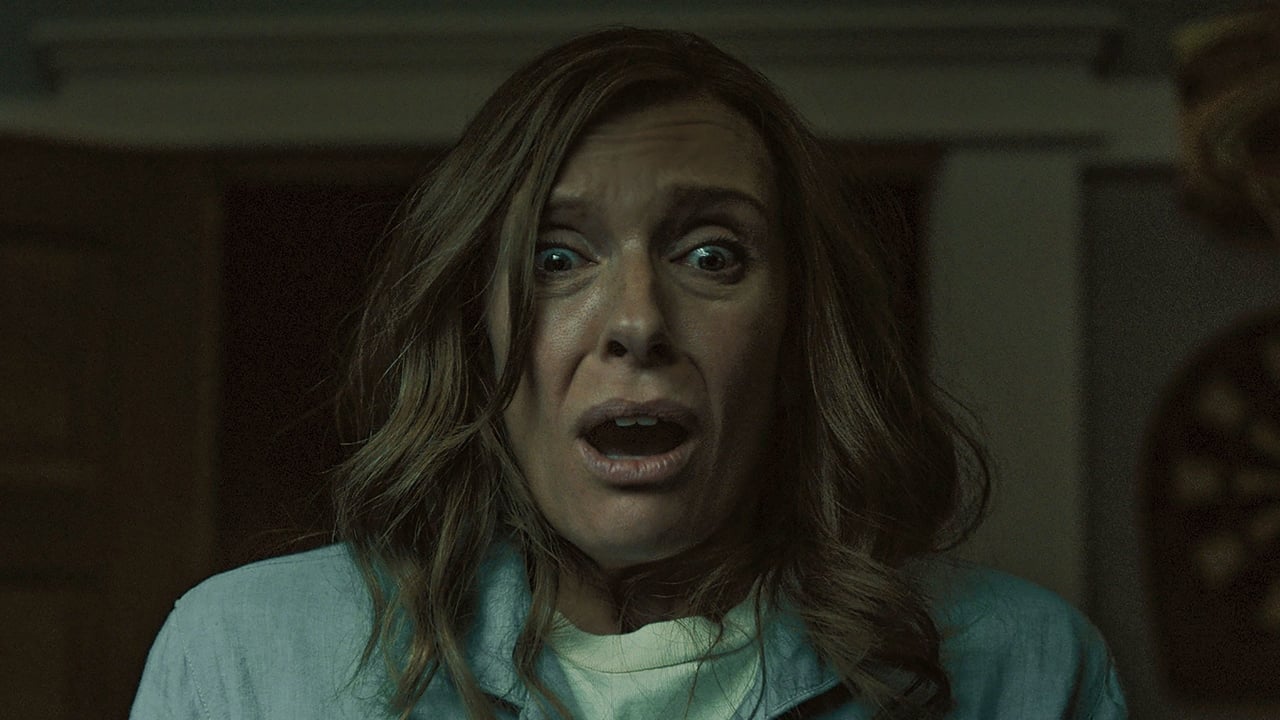
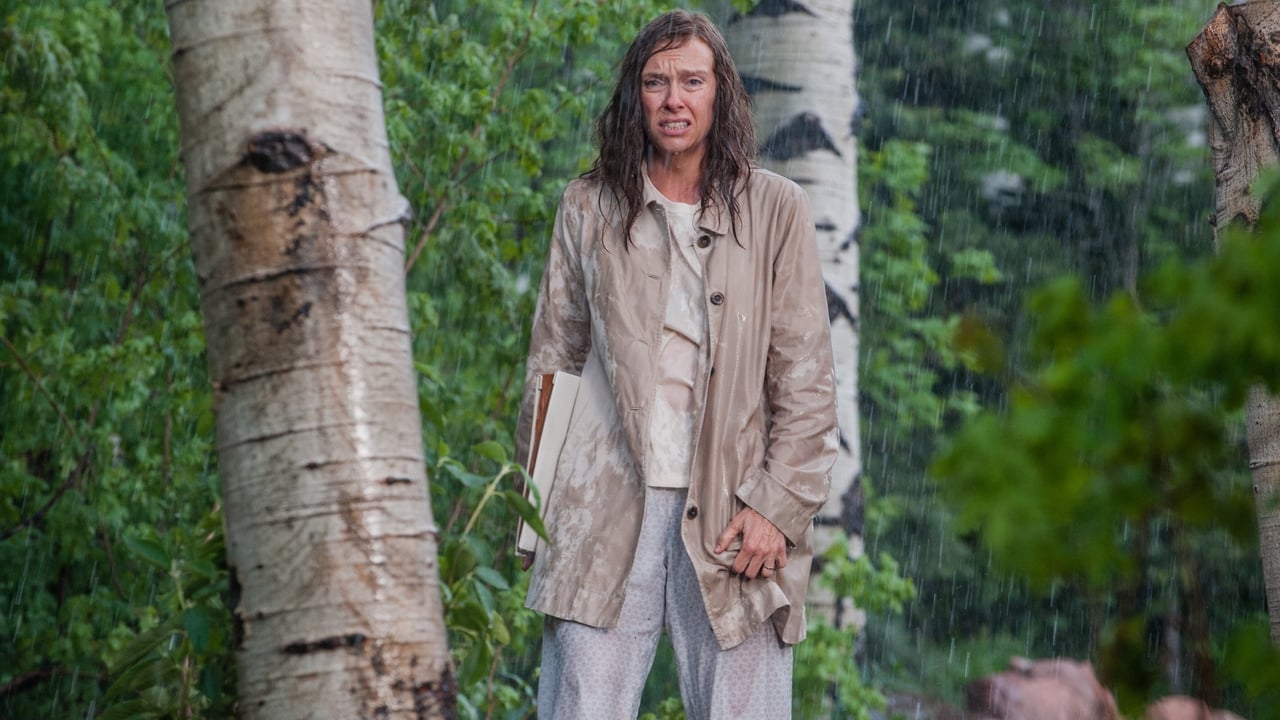
We need to talk about Toni Collette. It is a genuine cinematic crime that she wasn’t nominated for an Oscar for this. Her portrayal of Annie is an absolute Shredding of the Soul. There is a dinner table scene involving a monologue about blame and resentment that is more terrifying than any ghost. When she screams, you don’t just hear it; you feel it in your teeth.
Beside her, Alex Wolff delivers one of the most realistic depictions of shock I’ve ever seen. There is a sequence involving a car ride home—I won’t spoil the specifics for the uninitiated—where Wolff just stares into the middle distance while the sound design does the heavy lifting. Colin Stetson’s score, which swaps traditional violins for low-frequency brass and rhythmic thumping, makes the air feel heavy, like a storm is about to break but never quite does.
The "elevated horror" label is often just a way for people who are scared of slashers to feel smart, but here, the psychological weight is earned. The horror doesn't come from a masked man in the woods; it comes from the realization that the people who are supposed to love you might be the ones who ultimately destroy you.
The Cult of Details
While Hereditary was a hit for A24, its true life began in the digital corners of the internet. It has become a modern cult classic because it rewards—demands, really—repeat viewings. Once you know where the story is going, you start noticing things in the background. Members of a certain "support group" appearing in places they shouldn't. Symbols etched into wooden poles. Naked figures standing in the shadows of doorways that you missed the first time because you were too busy looking at Gabriel Byrne's weary face.
Apparently, the production was just as intense as the film. Alex Wolff reportedly requested a real desk to slam his head into during the classroom scene, resulting in a genuine bloody nose and a fractured spirit. That level of commitment bleeds through the screen. Even Ann Dowd, who plays the seemingly helpful Joan, brings a frantic, cult-like energy that makes her every "Dearie!" feel like a threat.
This film captures the contemporary anxiety of the late 2010s perfectly—the feeling that we are trapped in systems (be they familial, political, or supernatural) that were decided for us long before we were born. It’s a movie about the loss of agency, and that’s a fear that doesn’t require a ghost to feel real.
Hereditary is a masterpiece of modern tension that manages to be both a devastating family drama and a pitch-black supernatural nightmare. It’s the kind of film that stays with you long after the credits roll, making you suspicious of every dark corner in your hallway. If you haven't seen it yet, turn off the lights, put your phone away, and prepare to never look at a telephone pole the same way again. Just maybe skip the popcorn—it’s liable to end up on the floor.
Keep Exploring...
-
Midsommar
2019
-
Ghostland
2018
-
Get Out
2017
-
Marrowbone
2017
-
What Happened to Monday
2017
-
Fear Street: 1978
2021
-
The Menu
2022
-
I'm Thinking of Ending Things
2020
-
The Pale Blue Eye
2022
-
Old
2021
-
Train to Busan
2016
-

The House That Jack Built
2018
-
Last Night in Soho
2021
-
Anatomy of a Fall
2023
-
The Conjuring: The Devil Made Me Do It
2021
-
Companion
2025
-
Sherlock: The Abominable Bride
2016
-
Escape Room: Tournament of Champions
2021
-
Watcher
2022
-
Don't Breathe
2016