I Want to Eat Your Pancreas
"A heart is meant to be shared."
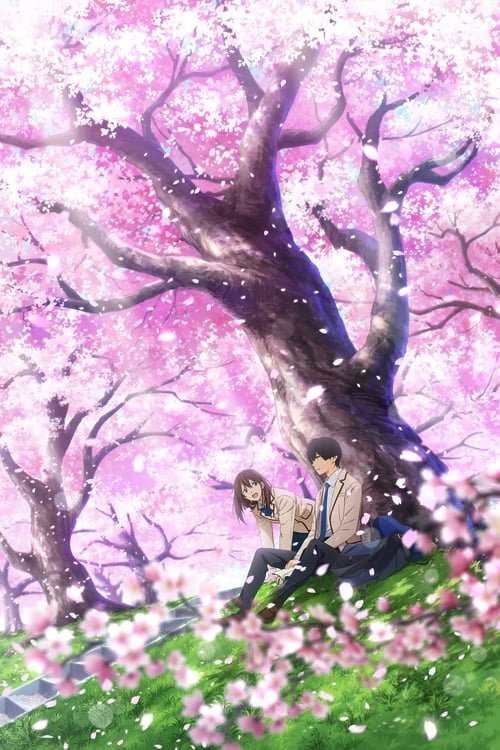
The Cannibalistic Elephant in the Room
Let’s address the title immediately, because I know exactly what you’re thinking. When I first saw the poster for I Want to Eat Your Pancreas, I assumed I was looking at a low-budget zombie flick or perhaps a very confused Cronenberg homage. I actually watched this on a tablet while my neighbor was power-washing his driveway at 7:00 AM on a Sunday, and the aggressive, mundane noise of his chores provided a strange, grounding contrast to a film that is, quite frankly, an emotional wrecking ball.
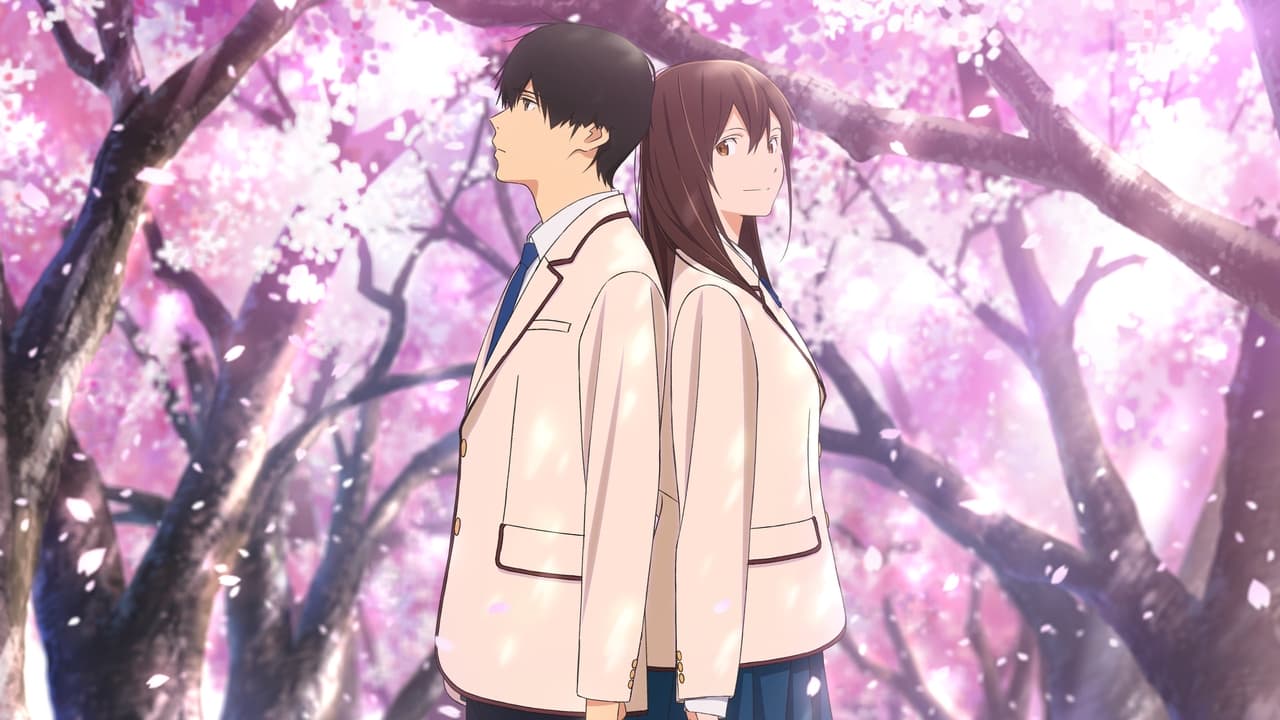
Released in 2018, right in the thick of the post-Your Name anime boom, this film is a prime example of the "contemporary tear-jerker." It arrived in an era where streaming platforms and boutique distributors like Aniplex were finally realizing that Western audiences would show up in droves for high-fidelity, standalone animated dramas. Director Shinichiro Ushijima takes a title that sounds like a threat and turns it into a devastatingly beautiful ancient proverb about the soul. In this story, "eating" a part of someone isn't about gore; it’s about the desire for their spirit to live on within you. It’s weird, it’s visceral, and by the end of the 108-minute runtime, it makes perfect, heartbreaking sense.
A Study in Human Friction
The plot kicks off with a classic "odd couple" setup. Mahiro Takasugi voices Haruki, an antisocial high schooler who views other people as background noise in the movie of his life. He finds a "Disease Diary" in a hospital waiting room belonging to Sakura, voiced with infectious, tragic energy by Lynn. Sakura is the most popular girl in school, and she is dying of a pancreatic illness. Because Haruki is the only person outside her family who knows her secret—and because he reacts with the emotional range of a dry sponge—Sakura decides he is the perfect person to help her finish her bucket list.
What I appreciated most about the script is that Sakura isn't a Manic Pixie Dream Girl; she's a nihilist who chose joy as a weapon. She doesn't exist just to "fix" the brooding boy. Her motivation is entirely selfish in the best way: she is terrified, and Haruki is the only person who doesn't look at her with the "pitying eyes" that remind her she’s a walking corpse. Their chemistry is built on friction. Mahiro Takasugi plays Haruki with such a flat, detached cadence that when he finally cracks, it feels like an earthquake.
The Philosophy of Being Seen
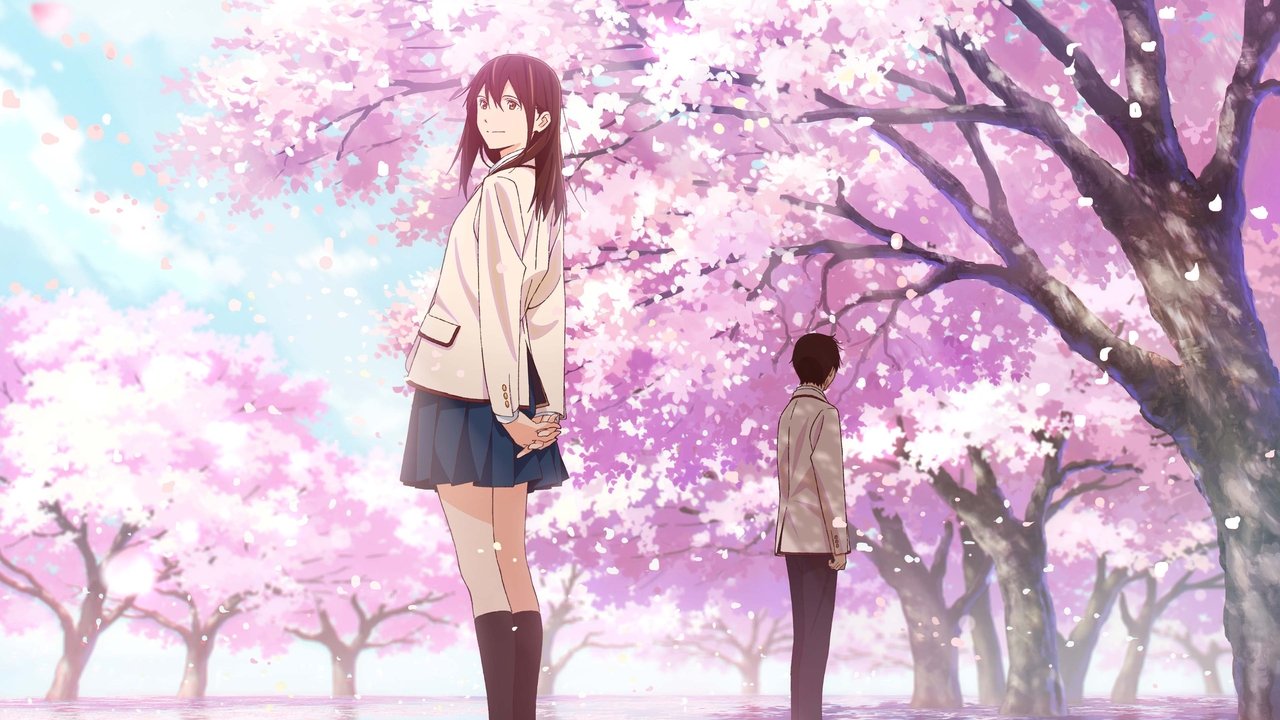
In the current landscape of cinema, where we’re often saturated with high-concept multiverses and franchise lore, I Want to Eat Your Pancreas feels refreshingly grounded in existentialism. There is a specific scene—a high-stakes game of "Truth or Dare" in a hotel room—that hit me harder than any CGI explosion I’ve seen in the last five years. It explores the idea that "living" isn't just breathing; it’s the act of acknowledging and being acknowledged by others.
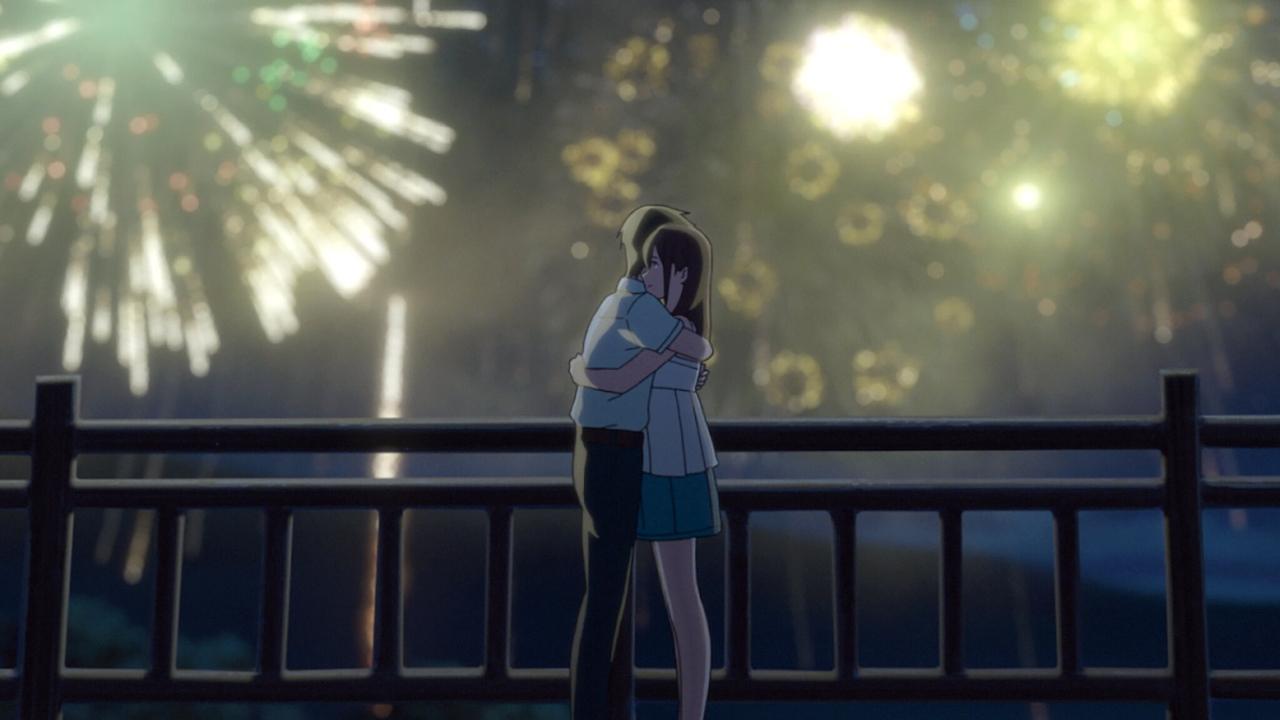
The animation by Studio VOLN is lush, particularly during a late-film fireworks sequence that uses light and shadow to mirror the fleeting nature of Sakura’s life. However, it’s the quiet moments that stick with me. The way the camera lingers on a half-eaten meal or the specific, messy way a teenager’s bedroom looks. These are the "contemporary" touches—the digital-age loneliness captured through crisp, clean lines. The film argues that our identity is a collection of the people we’ve touched, a sentiment that feels increasingly poignant in our hyper-connected yet deeply isolated social media era.
Stuff You Didn't Notice

Interestingly, this wasn't the first time the source novel was adapted. A live-action version hit Japanese theaters in 2017, but the 2018 anime is the one that really captured the global imagination. It’s a testament to the medium; animation allows for a certain "hyper-reality" where colors are just a bit too bright and the world feels just a bit too fragile, which suits a story about the end of a life perfectly.
The score by Hiroko Sebu is another highlight. It avoids the melodramatic swelling you might expect from a "sick girl" movie, opting instead for piano-driven tracks that feel like they’re breathing alongside the characters. It’s the kind of music that makes you want to stare out a rain-streaked window and contemplate every text message you never sent.
Don't let the title or the "anime tropes" scare you off. This is a sophisticated, deeply moving piece of contemporary drama that earns every tear it asks for. It manages to take a predictable premise and subvert it with a final act twist that recontextualizes the entire meaning of "a tragic ending." It’s a film that asks you to stop waiting for your life to start and to realize that you are already living it, one shared meal and one awkward conversation at a time. If you can get past the weirdness of the name, you’ll find one of the most sincere explorations of friendship in modern cinema.
Keep Exploring...
-
A Whisker Away
2020
-
A Silent Voice: The Movie
2016
-
Weathering with You
2019
-
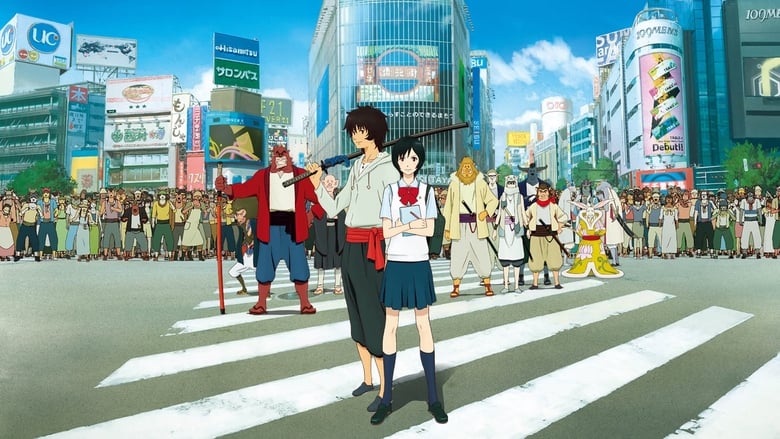
The Boy and the Beast
2015
-
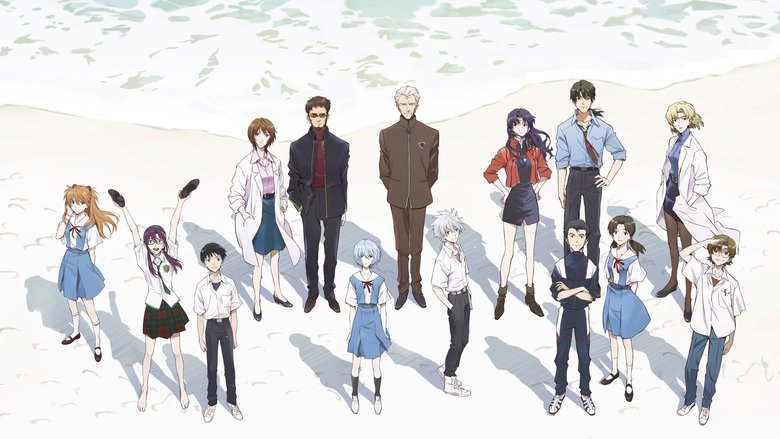
Evangelion: 3.0+1.0 Thrice Upon a Time
2021
-
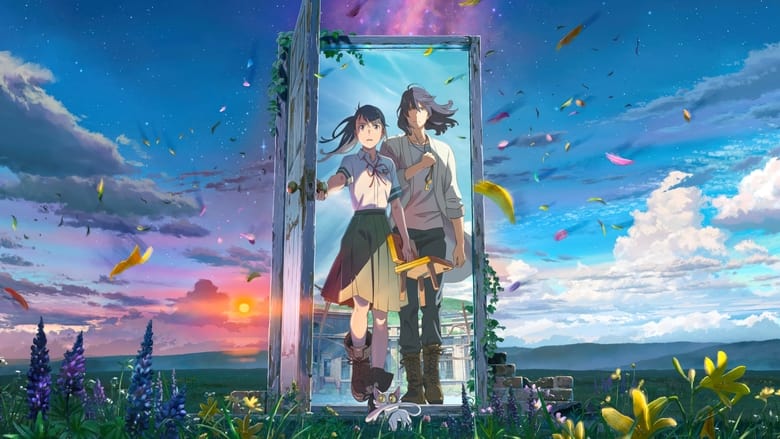
Suzume
2022
-
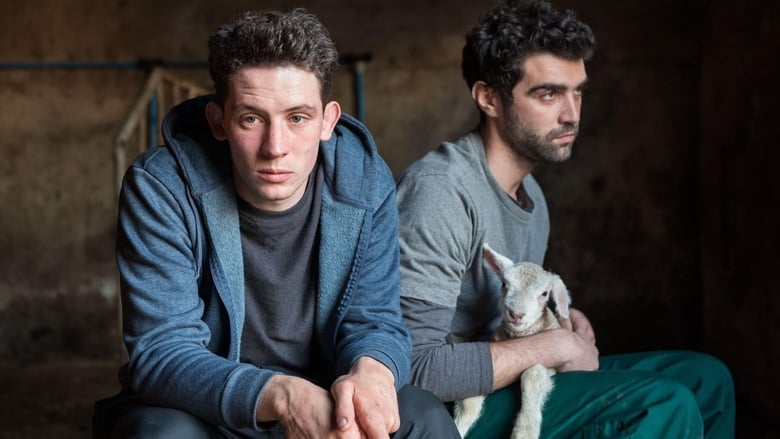
God's Own Country
2017
-
The Art of Racing in the Rain
2019
-
Clouds
2020
-
Gabriel's Inferno: Part III
2020
-

I Still Believe
2020
-
If Anything Happens I Love You
2020
-
Miraculous: Ladybug & Cat Noir, The Movie
2023
-

Your Name.
2016
-
Millennium Actress
2002
-
The Garden of Words
2013
-
Anomalisa
2015
-

The Longest Ride
2015
-
Loving Vincent
2017
-

Forever My Girl
2018