If Beale Street Could Talk
"A love story wrapped in the weight of the world."

The first time KiKi Layne looks directly into the camera as Tish Rivers, I didn’t just feel like I was watching a movie; I felt like I was being trusted with a secret. There’s a specific kind of alchemy that happens in a Barry Jenkins film, a "gaze" that bypasses the screen and hits you right in the marrow. After the massive success of Moonlight, everyone was waiting to see if Jenkins could catch lightning in a bottle twice. With this adaptation of James Baldwin’s 1974 novel, he didn’t just catch it—he let it illuminate the darkest corners of the American justice system while keeping the heater on for a romance that feels like a warm blanket in a cold room.
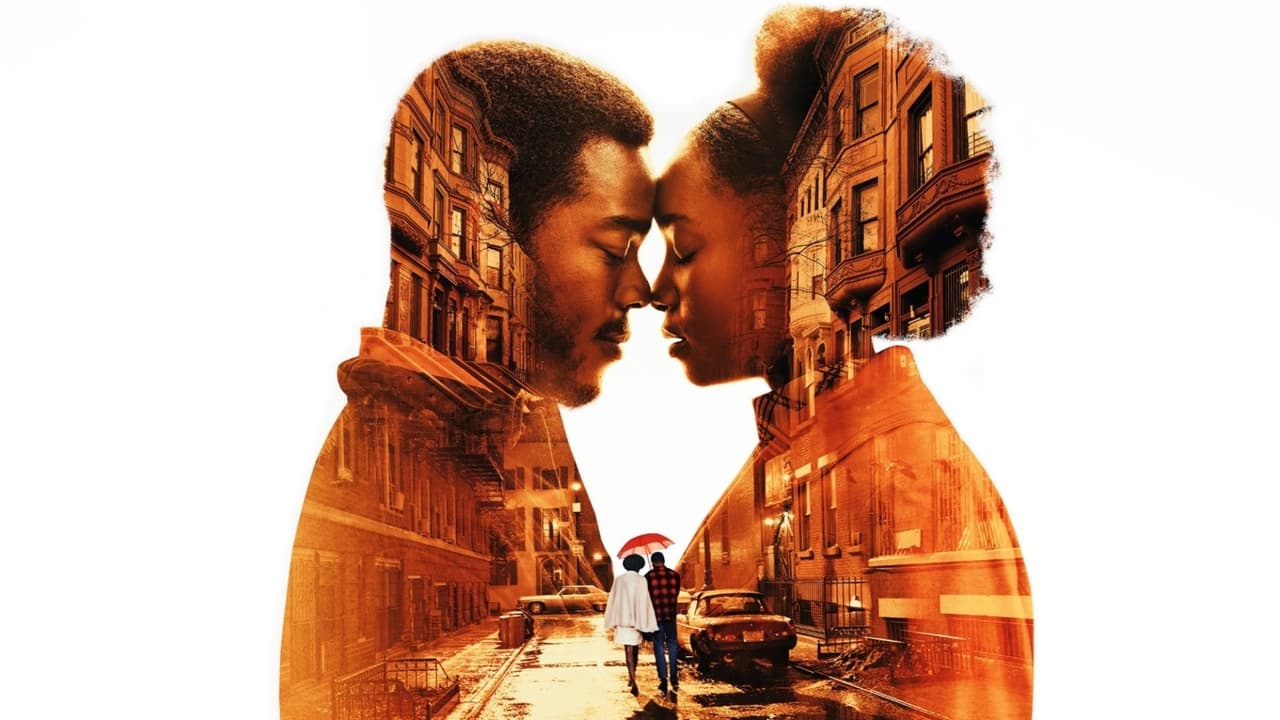
I watched this on a Tuesday afternoon while my neighbor was aggressively leaf-blowing right outside my window, and the contrast between the film’s lush orchestral swell and that mechanical roar outside was weirdly poetic. It felt like the movie itself: a beautiful, fragile thing trying to exist in a world that’s constantly trying to drown it out.
A Palette Painted in Heartache
The plot is deceptively simple, but the execution is anything but. Tish and Fonny (Stephan James) are lifelong friends turned lovers in 1970s Harlem. They’re planning a life together when Fonny is falsely accused of rape by a woman coached by a racist cop. While Fonny sits behind glass in a blue denim jumpsuit, Tish discovers she’s pregnant. The film moves like a memory, drifting between the golden-hued days of their courtship and the cold, fluorescent reality of legal battles and prison visits.
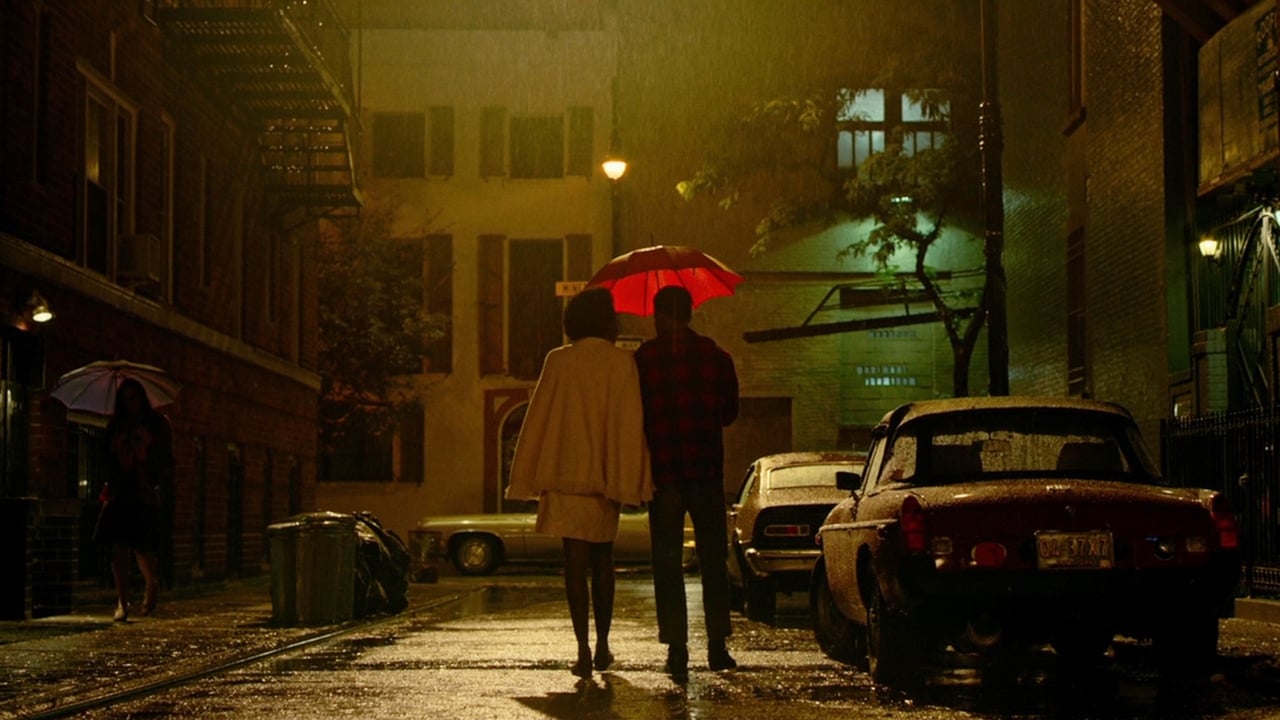
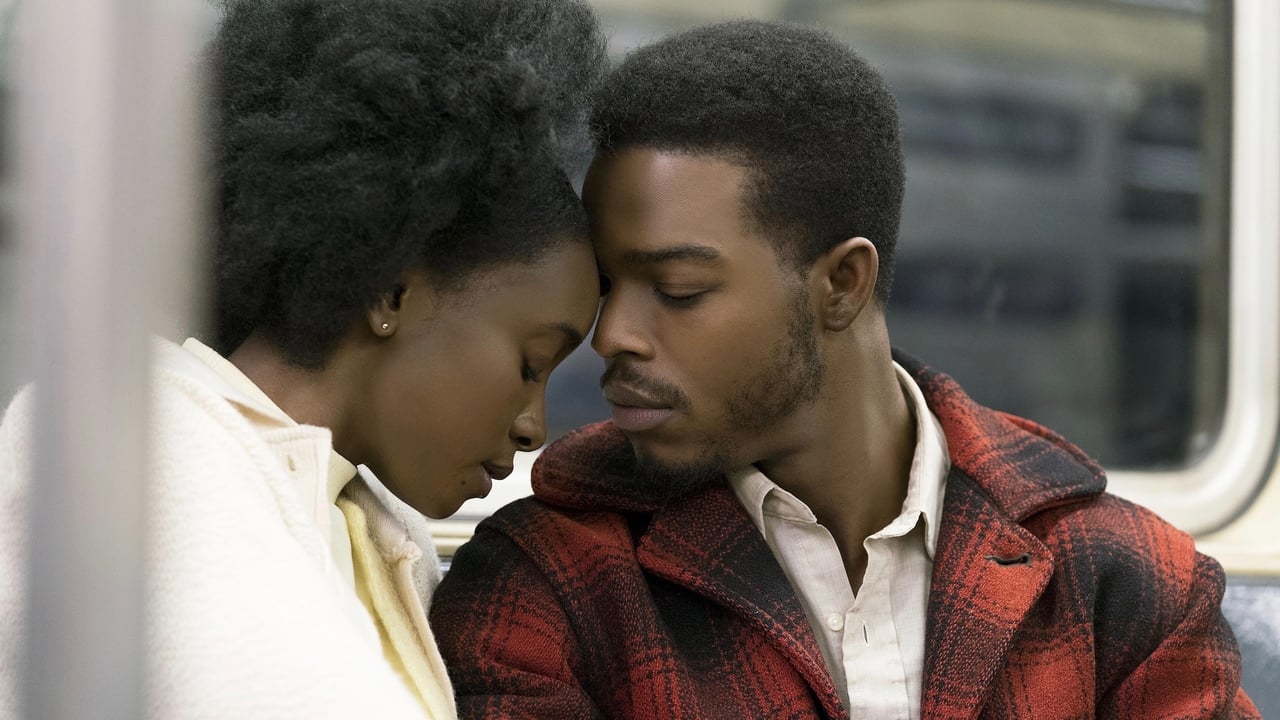
James Laxton’s cinematography is so gorgeous it almost hurts. He uses these saturated yellows, deep greens, and vibrant blues that make Harlem look like a living painting. It’s a deliberate choice. In an era where so many contemporary dramas opt for a "gritty" desaturated look to convey seriousness, Jenkins leans into beauty. He’s making a point: these lives are beautiful, even when they are being dismantled. The way the camera lingers on Stephan James’ face—which, let’s be honest, possesses the kind of bone structure that should probably be illegal—conveys more about the tragedy of incarceration than a hundred lines of dialogue could.
The Intimacy of the Rivers Family
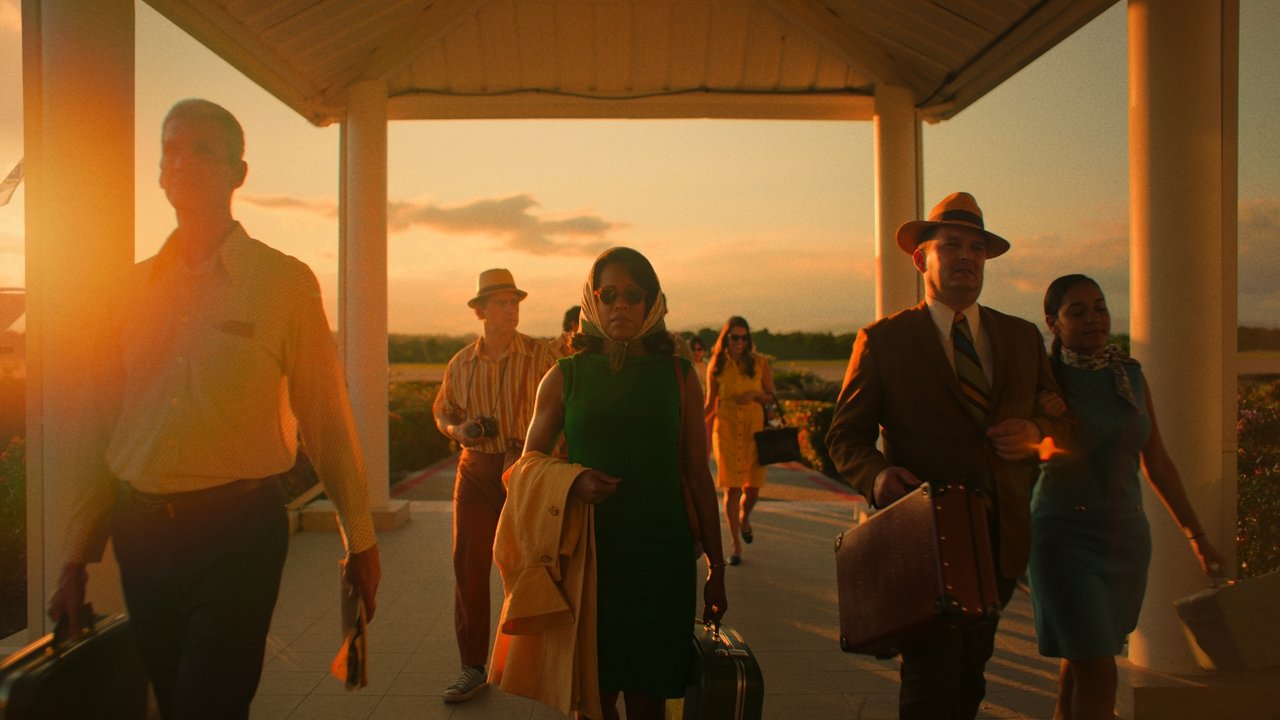
While the romance is the engine, the family dynamics are the fuel. Regina King won an Oscar for her role as Sharon, Tish’s mother, and she earned every ounce of that gold. There is a scene where she goes to Puerto Rico to find Fonny’s accuser, and the way she adjusts her wig in a mirror—a quiet moment of a woman preparing for battle—is acting at its absolute peak.
The film also gives us Colman Domingo as Joseph Rivers, Tish’s father. In a contemporary cinema landscape where Black fathers are often either absent or stern archetypes, Joseph is a revelation of warmth and fierce protection. I loved the scenes of him and Frank (Michael Beach), Fonny’s father, deciding they’ll do whatever it takes—legal or otherwise—to fund their children’s defense. It’s a "heist" subplot where the prize isn't gold, but a son's freedom.
And then there is the dinner scene. When the Rivers family meets the Hunt family to announce the pregnancy, the tension is thicker than the scotch they’re pouring. Aunjanue Ellis-Taylor plays Fonny’s mother with a terrifying, pious rigidity that makes the air turn to ice. The Hunt family dinner is a better thriller than most actual thrillers, and the way it ends with a literal curse being thrown across the room is a masterstroke of dramatic pacing.
What It Means Right Now
Released in the thick of the streaming revolution and the ongoing conversations about systemic reform, If Beale Street Could Talk feels painfully relevant. It’s a contemporary film that uses a period setting to talk about the "now." It doesn't scream its message; it whispers it through the sound of Nicholas Britell’s cellos and horns. The score is legendary—it sounds like a heartbeat that’s occasionally skipping a beat out of anxiety.
Turns out Barry Jenkins actually wrote the screenplay for this and Moonlight during the same six-week summer break in Europe back in 2013. That kind of creative heater is unheard of. It explains why the two films feel like siblings; they both treat the inner lives of Black characters with a level of reverence and "slow cinema" patience that we usually only see reserved for European arthouse darlings.
If I have one minor gripe, it’s that the film’s dreamlike pacing can occasionally feel a bit too untethered. It’s a movie that wants you to soak in it rather than rush through it. If you’re looking for a legal procedural with "gotcha" moments in a courtroom, you’re in the wrong place. This is a movie about the spaces between the legal beats—the quiet walks, the shared cigarettes, and the way a person looks at you when they know they might not see you without a glass partition for a long time.
If Beale Street Could Talk is a rare bird in the current movie landscape. It’s a big-budget, lushly produced drama that cares more about a character’s soul than a franchise’s future. It reminds me that even when the world is designed to break you, there is a profound, defiant power in simply refusing to stop loving the person next to you. It’s not just a "social justice movie"; it’s a symphony of the human spirit that deserves to be seen on the biggest, most colorful screen you can find.

Keep Exploring...
-
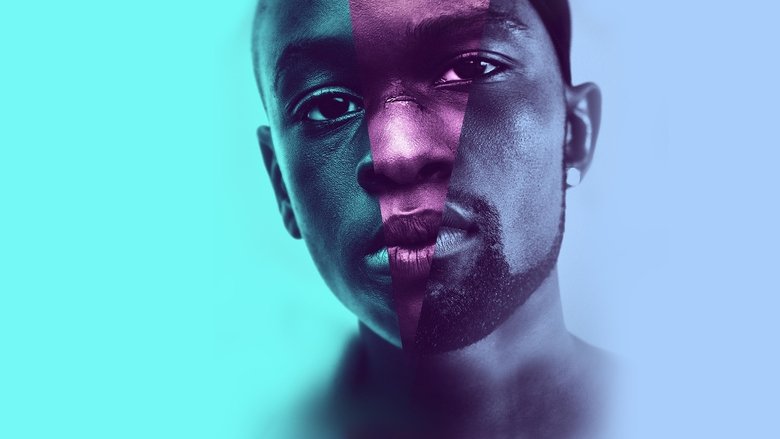
Moonlight
2016
-
Anomalisa
2015
-

Far from the Madding Crowd
2015
-

Loving
2016
-

The Light Between Oceans
2016
-
Professor Marston and the Wonder Women
2017
-

The Discovery
2017
-
Disobedience
2018
-

The Aeronauts
2019
-

Bones and All
2022
-
All of Us Strangers
2023
-
Priscilla
2023
-

Suite Française
2015
-
The Guernsey Literary & Potato Peel Pie Society
2018
-

Summer of 85
2020
-

The Half of It
2020
-

Benedetta
2021
-
The Hating Game
2021
-

The Worst Person in the World
2021
-
West Side Story
2021