Insidious: The Last Key
"The ghost hunter becomes the hunted."
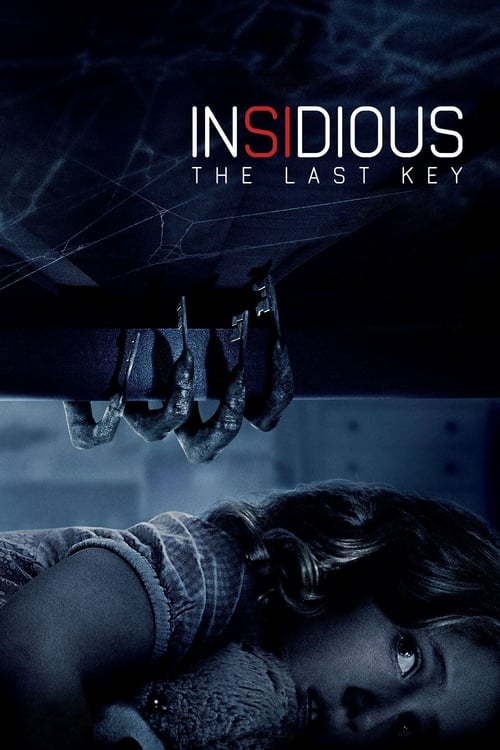
Most horror franchises treat their elderly characters as either the cryptic exposition-dumpers or the first ones to get dragged into the shadows to raise the stakes. But the Insidious series did something radical by its fourth installment: it leaned entirely into the wrinkled, weary, yet fiercely compassionate shoulders of Lin Shaye. In Insidious: The Last Key, Shaye’s Elise Rainier isn't just a side character; she is the undisputed action hero of the piece. I watched this while eating a bowl of cereal that had gone slightly soggy because I was too tense to look away during the opening flashback, and honestly, the mushy texture of the cornflakes paired weirdly well with the damp, basement-dwelling dread of the Rainier family home.
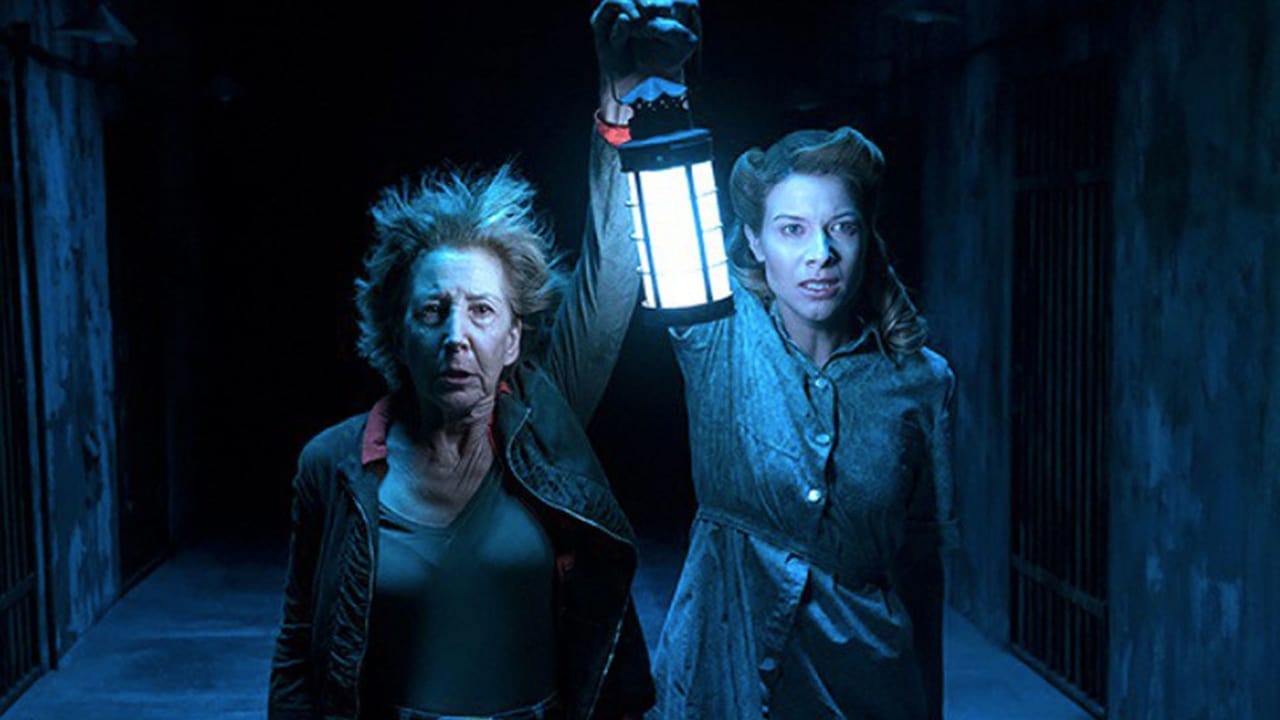
Released in 2018, a year when the "Conjuring-verse" was expanding like a supernatural oil slick and the MCU was peaking with Infinity War, The Last Key arrived as a reminder of the sheer efficiency of the Blumhouse model. With a lean $10 million budget, it managed to rake in over $172 million. That is an absurd return on investment, and it speaks to the brand loyalty James Wan and Leigh Whannell built over a decade. But by this point, the "Insidious" formula—loud jump scares, the foggy purgatory of "The Further," and tiny lanterns—was starting to show some hairline fractures.
The Trauma Behind the Terror
What sets The Last Key apart from its predecessors is its attempt to ground the supernatural in something far more terrifying: domestic abuse. Directed by Adam Robitel (who later gave us the surprisingly fun Escape Room), the film spends a significant amount of time in the 1950s. We see a young Elise living in New Mexico under the thumb of a cruel, abusive father played with chilling coldness by Josh Stewart.
This isn't just flavor text; it’s the core of the movie. When the adult Elise returns to her childhood home to help the current resident (Kirk Acevedo, always a welcome presence), she isn't just fighting a demon—she’s literally digging up her own repressed trauma. I’ve always felt that the Insidious movies are at their best when they treat "The Further" as a psychological landscape rather than just a spooky basement with red doors. Leigh Whannell’s screenplay tries to bridge that gap here, even if the transition from poignant family drama to carnival-ride jump scares feels a bit like whiplash.
Key-Fingers and Comic Relief
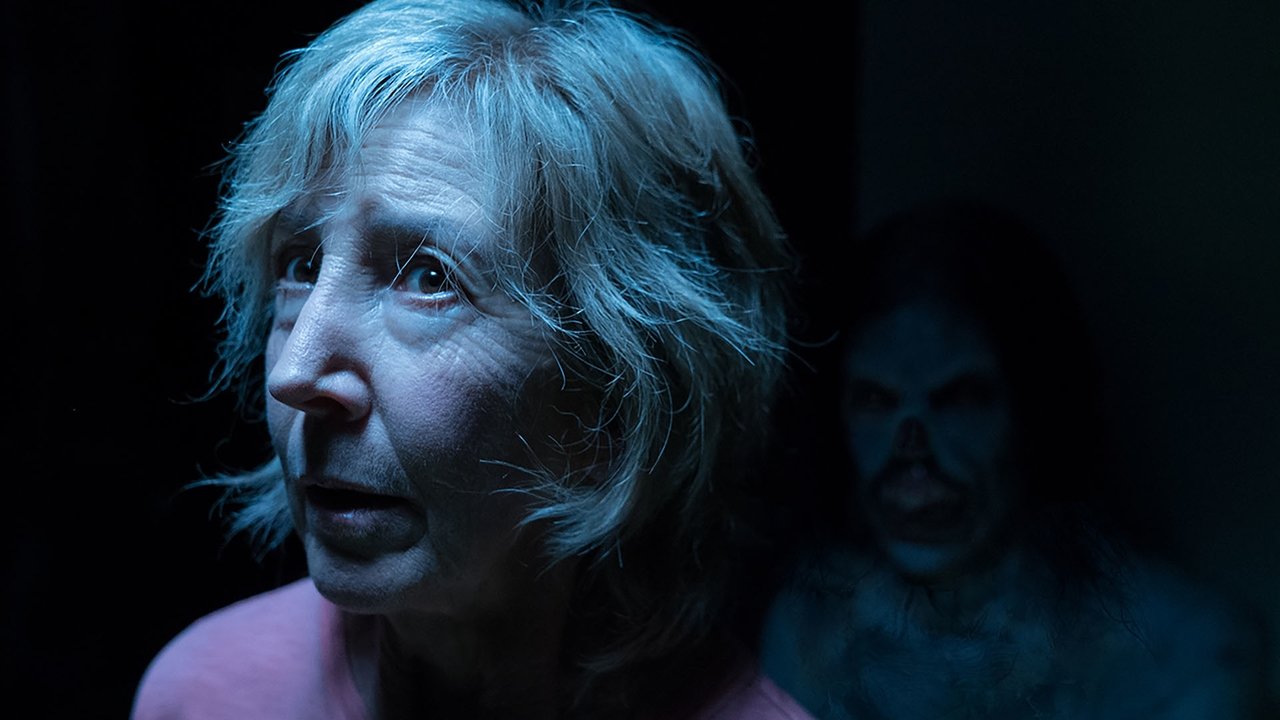
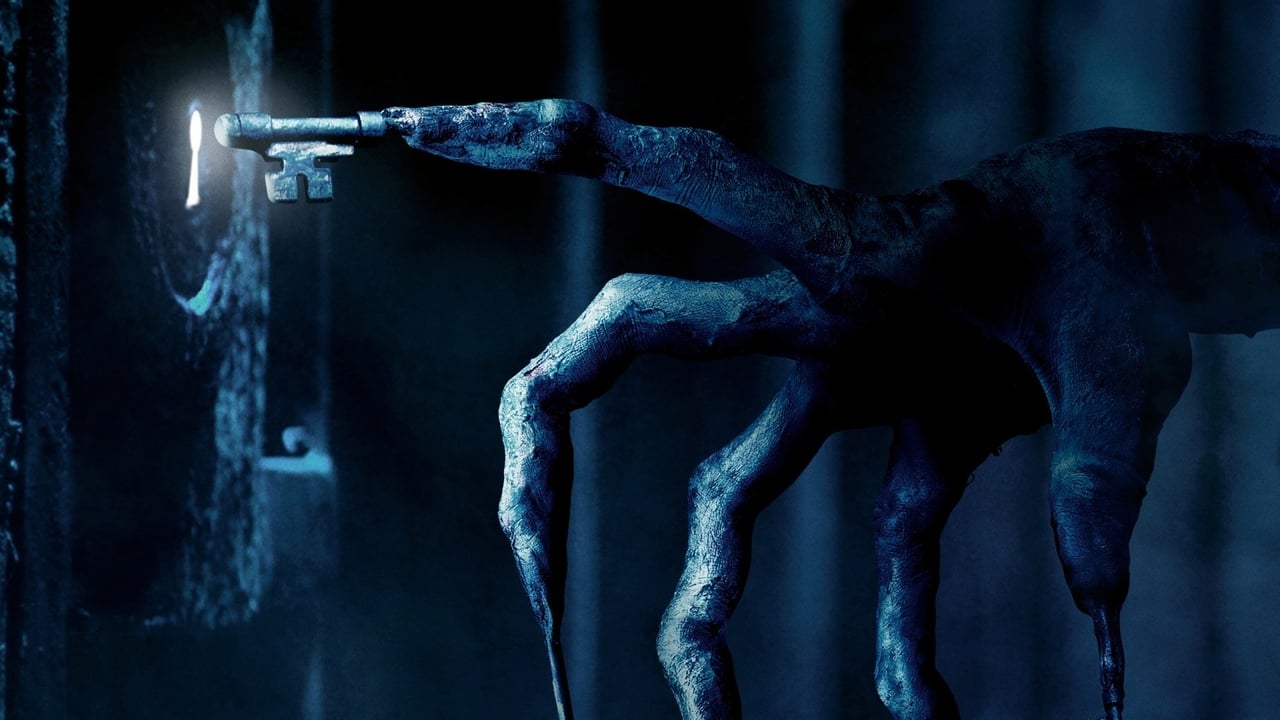
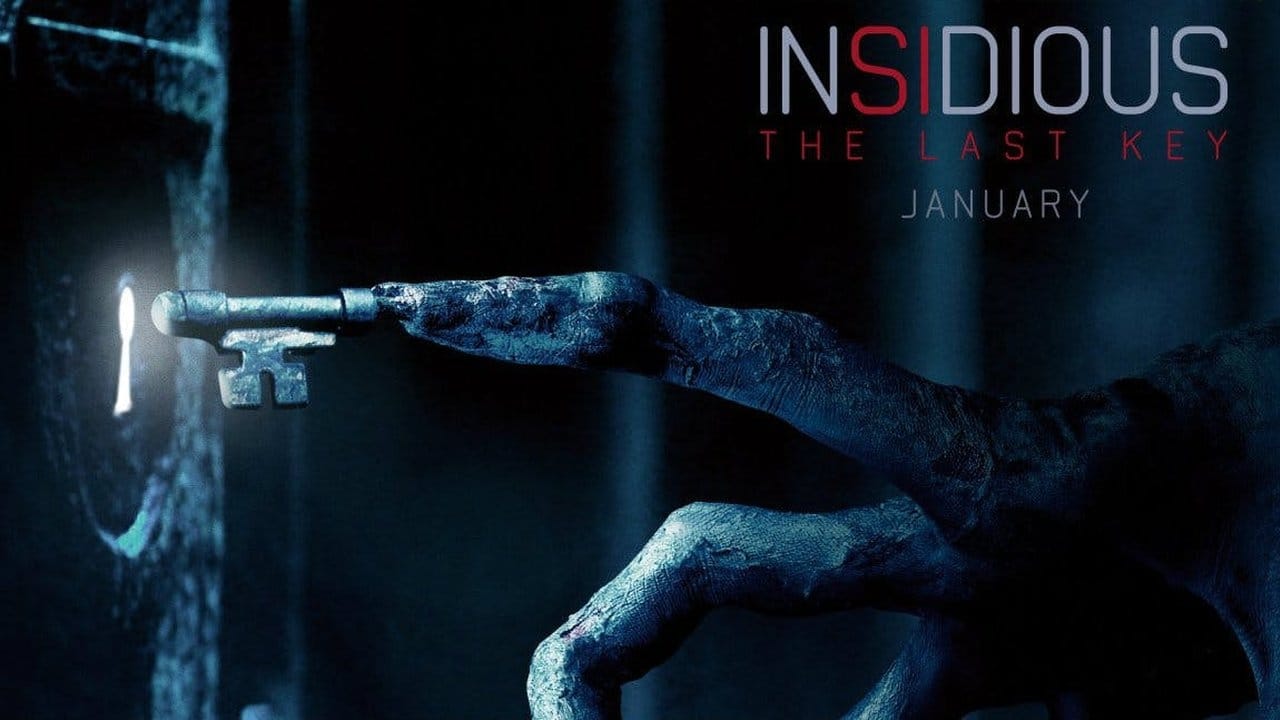
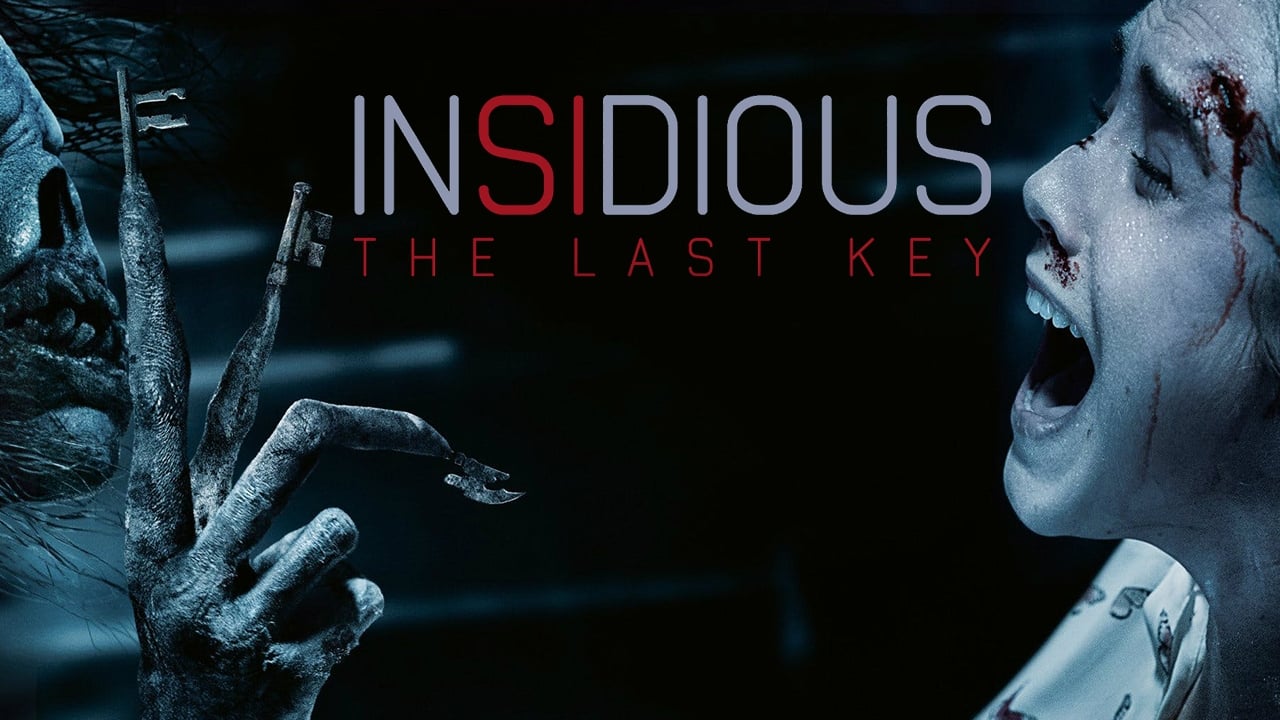
Let’s talk about the monster. Every Insidious movie needs a "face," and this time we get KeyFace—a spindly, blue-hued entity with keys for fingers that can "lock" a person's voice or soul. The creature design is fantastic, tapping into that specific brand of body horror where you can almost feel the cold metal sliding under your skin. Adam Robitel has a great eye for spatial tension; he knows exactly how to use the cramped, industrial hallways of a prison-adjacent house to make you feel like something is breathing down your neck.
Of course, it wouldn't be an Insidious flick without Specs and Tucker. Leigh Whannell and Angus Sampson return as the bumbling tech experts who provide the comic relief. By this fourth outing, their "will-they-won't-they" flirtation with Elise’s nieces feels a little forced, but their chemistry remains the secret sauce of the series. They represent the audience—terrified, out of their depth, but showing up anyway because they care about Elise. Their presence prevents the movie from sinking too deep into its own grim backstory, though I’ll admit some of the jokes land with the thud of a dropped ghost-hunting EVP recorder.
The Franchise Machine
Reviewing this in the context of the late 2010s, you can see the "franchise fatigue" starting to settle in. We were in an era of "Legacy Sequels" and "Interconnected Universes," and The Last Key works hard to loop itself back to the beginning of the very first film. It’s a bit of a cinematic snake eating its own tail. While the box office numbers were huge, the critical consensus was that the scares were becoming predictable.
But looking at it now, there’s a charm to its reliability. In an age of "Elevated Horror" where every ghost has to be a metaphor for grief (which this movie also does, to be fair), sometimes you just want to see Lin Shaye shout at a demon in a foggy void. The film also features Caitlin Gerard and Spencer Locke as the next generation of Rainiers, clearly meant to keep the IP alive if Shaye ever decided to hang up the lantern. It’s a classic example of "Universe Building" that feels a bit more like "Safety Net Building."
Ultimately, Insidious: The Last Key is a sturdy, if slightly unspectacular, addition to the pantheon. It succeeds because it recognizes that its greatest special effect isn't a CGI monster, but the expressive, empathetic face of Lin Shaye. She brings a level of gravitas to lines about "spirit portals" that most actors would stumble over.
The film serves as a perfect rainy-day watch—the kind of movie that doesn't demand total intellectual surrender but offers enough genuine heart and a few "holy crap" jumps to keep you from checking your phone. It may not reinvent the skeleton key, but it certainly knows which locks to turn to get a reaction. If you’re a completionist or just someone who enjoys a well-executed jump scare, this one still holds a decent amount of power in its pocket.
Keep Exploring...
-
Insidious: Chapter 3
2015
-
Insidious: Chapter 2
2013
-
Insidious: The Red Door
2023
-
Insidious
2011
-
Escape Room
2019
-
Escape Room: Tournament of Champions
2021
-
10 Cloverfield Lane
2016
-
Don't Breathe
2016
-
The Purge: Election Year
2016
-
The Shallows
2016
-
It
2017
-
Split
2017
-

Halloween
2018
-
The First Purge
2018
-
Halloween Kills
2021
-
Halloween Ends
2022
-
Evil Dead Rise
2023
-
Scream VI
2023
-
The Exorcist: Believer
2023
-
Wolf Man
2025