Instant Family
"Family isn't found, it's forged in fire."
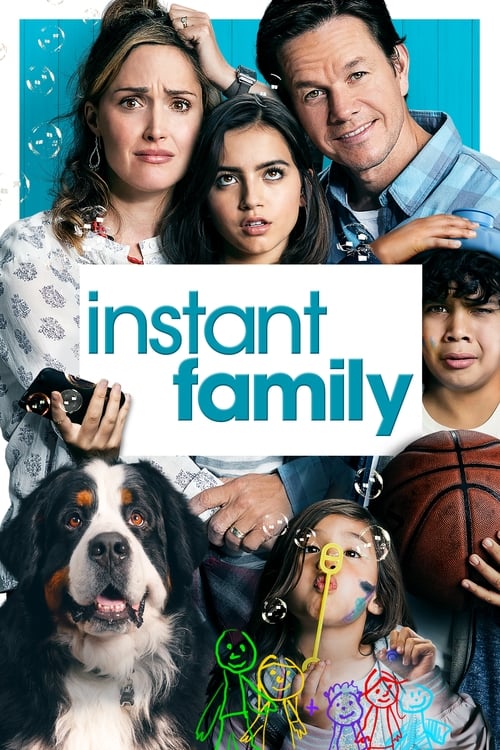
I watched Instant Family while wrapped in a weighted blanket that smelled faintly of the lavender detergent I’d overused that morning, nursing a lukewarm cup of peppermint tea. It’s the kind of movie that demands a certain level of physical comfort because, emotionally, it’s going to put you through the wringer. On paper, a Mark Wahlberg comedy about foster care sounds like a recipe for a saccharine, "white savior" disaster—the kind of film that treats children like accessories for adult self-actualization. Yet, somehow, director Sean Anders (the mind behind the much broader Daddy’s Home) tapped into something raw, messy, and intellectually honest.
The Transactional Horror of the "Teenager Corner"
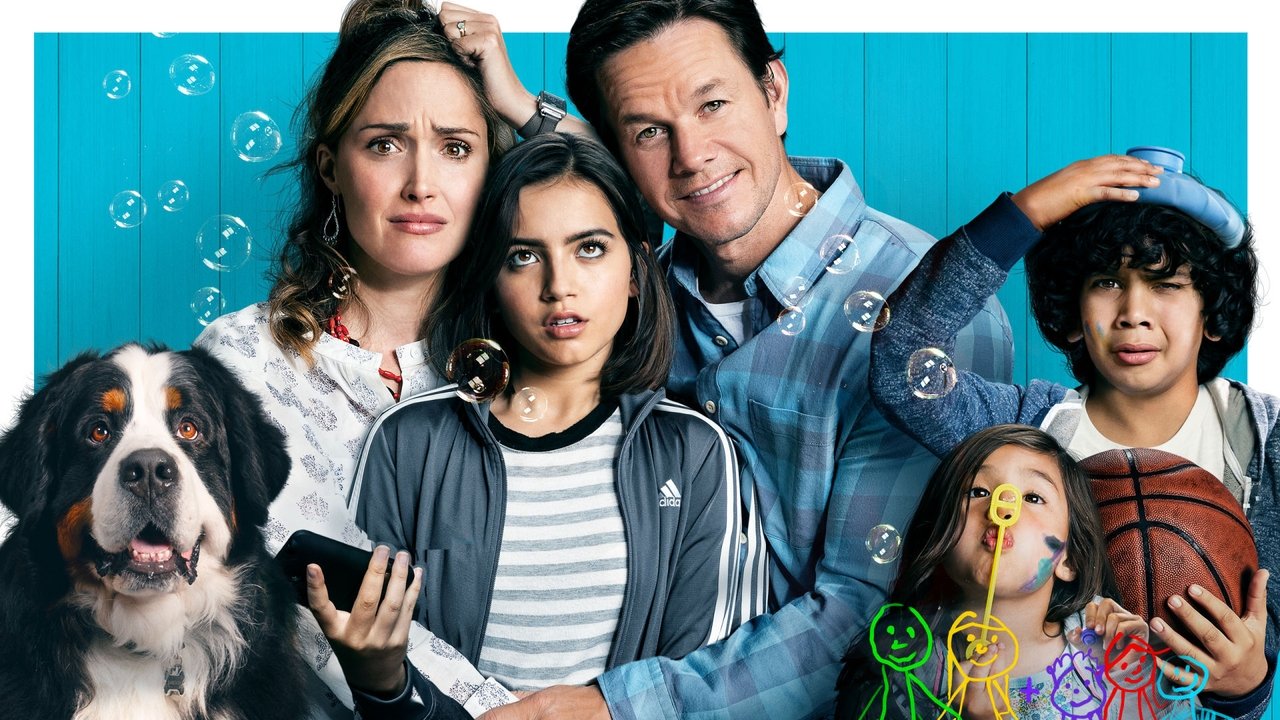
The film centers on Pete (Mark Wahlberg) and Ellie (Rose Byrne), a couple who flip houses and realize their own "fixer-upper" life is missing a soul. They stumble into a foster care orientation, led by the impeccably dry duo of Tig Notaro and Octavia Spencer. What follows isn't a montage of matching sweaters; it’s a dive into the deep end of systemic trauma and the psychological minefield of "belonging."
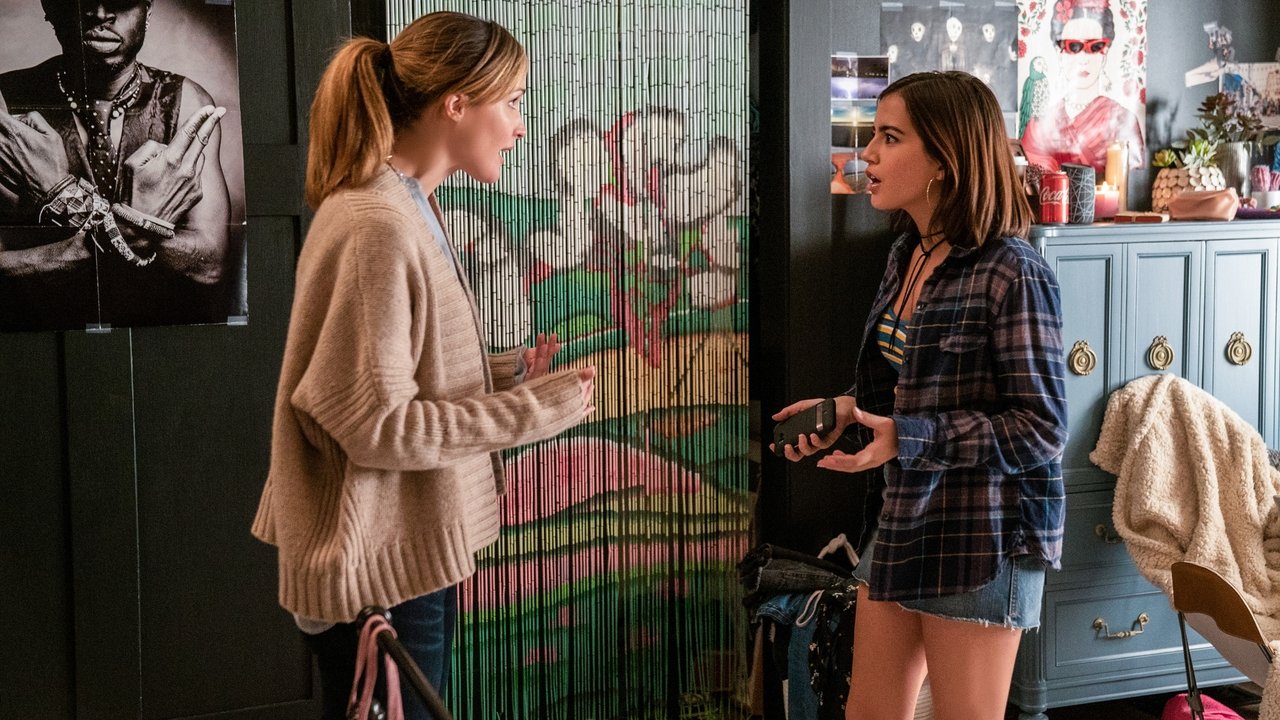
The most striking sequence—one that I keep returning to when I think about contemporary portrayals of social systems—is the adoption fair. It’s filmed like a suburban carnival, but the subtext is haunting. Prospective parents wander around with paper plates of BBQ, "shopping" for kids. The film doesn't shy away from the inherent cruelty of this reality. When Pete and Ellie drift toward the "teenager corner," they encounter Lizzy, played with a serrated edge by Isabela Merced (who was so good here she essentially catapulted herself into roles like Dora and the Lost City of Gold and Alien: Romulus).
The film's philosophical core lies in this uncomfortable intersection: the foster system is a marketplace where the currency is hope and the product is human connection. Anders, who based the screenplay on his own experience of adopting three siblings, refuses to let his protagonists off the hook. They are called out for their "savior complex," and the movie treats their initial desire to adopt as a form of vanity that the reality of parenting promptly detonates.
Performance Beyond the "Fun Dad" Archetype

We’ve seen Mark Wahlberg play the "confused but tough" guy a thousand times, but here he leans into a vulnerability that feels genuine. His chemistry with Rose Byrne is the film's secret weapon. Byrne is a comedic titan—watch her in Spy or Bridesmaids if you need proof—and she brings a frantic, Type-A energy to Ellie that makes the character’s eventual breakdown feel earned.
However, the film belongs to the kids. Isabela Merced navigates the complexities of a child who has had to be the parent for her younger siblings, Juan and Lita. Her performance isn't just "rebellious teen" tropes; it’s a study in hyper-vigilance and the fear of being "discarded" again. The scene where she finally lets her guard down isn't a Hollywood explosion of tears; it’s a quiet, terrifying admission of need.
The supporting cast adds layers of levity that prevent the film from sinking into melodrama. Julie Hagerty (Airplane!) as the well-meaning but oblivious grandma is a stroke of casting genius, while Margo Martindale brings her usual powerhouse presence as the "force of nature" matriarch. Their presence highlights the generational gap in how we discuss family—the old-school "just love them" vs. the modern understanding of attachment disorders and trauma-informed care.
The "New Classic" of the Domestic Drama

Released in late 2018, Instant Family arrived just as the mid-budget studio dramedy was beginning to vanish from theaters, migrating almost exclusively to streamers like Netflix or Apple TV+. It’s a film that benefits from the "theatrical" polish—Brett Pawlak’s cinematography avoids the flat, lit-for-television look of many modern comedies, giving the Wagner household a sense of lived-in chaos.
What makes this a "cult classic" in the making—particularly within the foster and adoption communities—is its commitment to the "Honeymoon Phase" followed by the "Crash." It acknowledges that love isn't a feeling you have; it’s a policy you enact when things are at their worst. The film’s climax doesn't involve a grand speech but a courtroom scene that feels bureaucratic and cold, which is exactly why it’s so moving. It’s the system finally working for the people it usually fails.
The grandma characters are low-key the most realistic part of the suburban nightmare. They represent the external pressure to be "normal" that makes the foster process even more isolating for the parents. By weaving in real-life trivia—like the fact that many of the families in the support group scenes are actual foster families—Anders anchors the fiction in a palpable reality.
Instant Family manages a rare feat: it's a "message movie" that never feels like a lecture. It’s a loud, funny, and occasionally heartbreaking look at the structures we build to keep the loneliness at bay. It doesn't offer easy answers, but it does offer a very loud, very messy kind of hope. If you’ve ever felt like you’re failing at being a "good person," this film is the hug—and the reality check—you probably need.

Keep Exploring...
-

The Holdovers
2023
-

Another Round
2020
-

A Man Called Otto
2022
-

Love, Simon
2018
-

Irrational Man
2015
-

Demolition
2016
-

Eddie the Eagle
2016
-
The Edge of Seventeen
2016
-

I, Tonya
2017
-

Lady Bird
2017
-

Logan Lucky
2017
-
The Big Sick
2017
-

The Disaster Artist
2017
-

BlacKkKlansman
2018
-

The Favourite
2018
-

Licorice Pizza
2021
-
The French Dispatch of the Liberty, Kansas Evening Sun
2021
-
Hustle
2022
-

Marriage Story
2019
-

The Danish Girl
2015