Isle of Dogs
"Bad dogs are just good boys in exile."

I’ll be honest: I watched Isle of Dogs for the first time while my own dog, a particularly unhelpful Golden Retriever, was busy trying to eat a discarded sock in the corner of my living room. There is something profoundly humbling about watching a film celebrate the noble, stoic spirit of the canine species while your own personal "best friend" is actively failing a basic IQ test with a piece of footwear. But that’s the magic of Wes Anderson—he takes the messy, shedding reality of life and organizes it into a series of perfectly symmetrical, hand-crafted dioramas.

Released in 2018, Isle of Dogs arrived during a strange pivot-point for cinema. We were deep into the "franchise fatigue" era, where every second movie felt like a CGI-heavy setup for a sequel three years away. Against that backdrop, Anderson’s second foray into stop-motion (after Fantastic Mr. Fox) felt like a defiant act of artisanal rebellion. It’s a film that demands you look at the stitches, the individual hairs twitching in the wind, and the thumbprints on the clay.
A Symphony of Scurry and Scraps
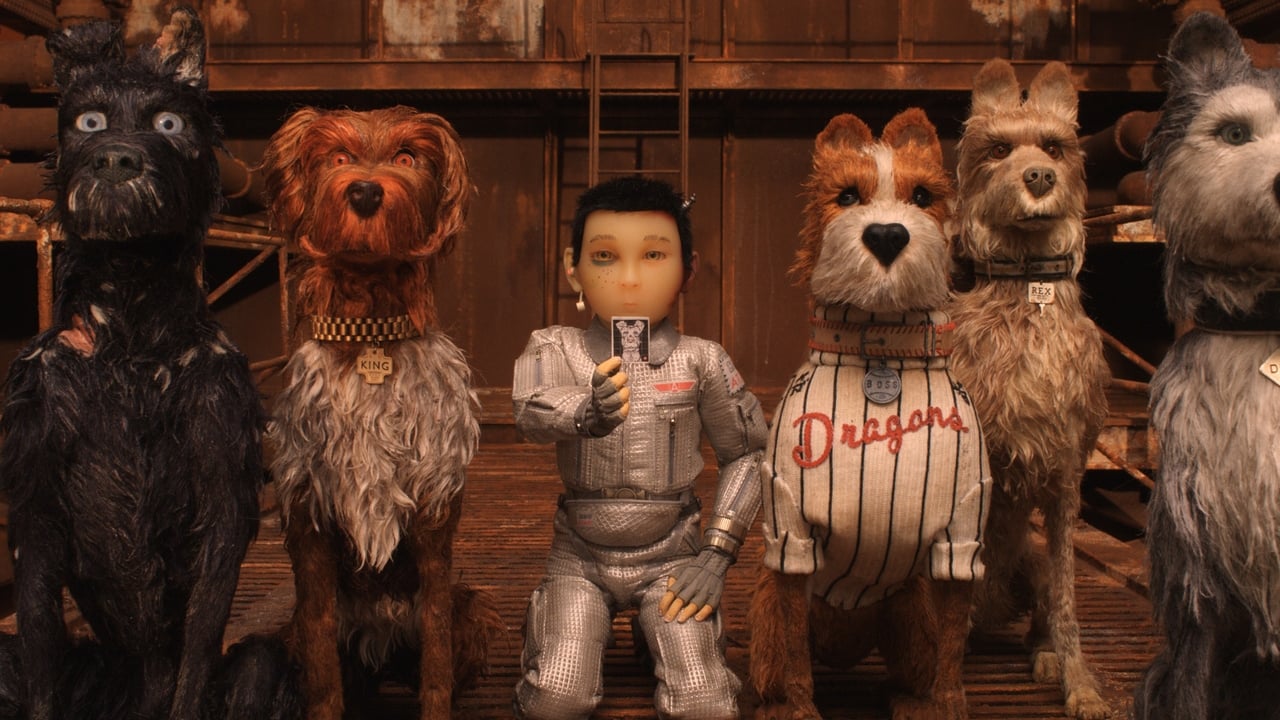
The adventure kicks off in the fictional Japanese city of Megasaki, where a "canine flu" has led the cat-loving Mayor Kobayashi to banish every dog to Trash Island. It’s a bleak premise, but in Anderson’s hands, a literal garbage dump becomes a playground of architectural wonder. When 12-year-old Atari (Koyu Rankin) crash-lands a plane on the island to find his bodyguard-dog, Spots, he’s intercepted by a pack of "scary" alphas who are actually just neurotic, gossiping house-pets.
The "pack" is voiced by a murderer's row of talent: Edward Norton, Bill Murray, Jeff Goldblum, and Bob Balaban. But the soul of the film belongs to Chief, voiced by Bryan Cranston. Chief is a stray who doesn't believe in masters, and his gradual softening toward "the little pilot" provides the emotional anchor for what is, essentially, a high-stakes scavenger hunt across a landscape of rusted metal and colored glass.
I’ve always felt that stop-motion dogs are 100% more expressive than most A-list human actors. There’s a specific shot where Chief gets a bath, and the way his fur transforms from matted grey clumps to a snowy white puff-ball is more satisfying than any $200 million explosion I’ve seen in a Marvel movie. It captures that tactile sense of "journey" that is the hallmark of great adventure—the feeling that our heroes are physically changing with every mile they travel.

The Language of the Pack
One of the most discussed elements of the film upon its release was the "Contemporary Context" of its setting. Anderson chose to have the Japanese characters speak their native tongue without subtitles, while the dogs’ barks were "translated" into English. While some critics at the time felt this leaned into "White Savior" tropes via the American exchange-student character, Tracy (Greta Gerwig), I found the language barrier to be a brilliant narrative device.
It forces the audience to stop reading and start observing. You understand Atari’s grief and determination not through his words, but through his posture and the way he interacts with the dogs. It creates a sense of "us vs. the world" camaraderie between the boy and the pack that transcends vocabulary. In an era of rapid-fire social media discourse where everyone is shouting at once, there’s something beautiful about an adventure that relies on a head-tilt or a shared look to move the plot forward.
Cool Details You Might Have Missed
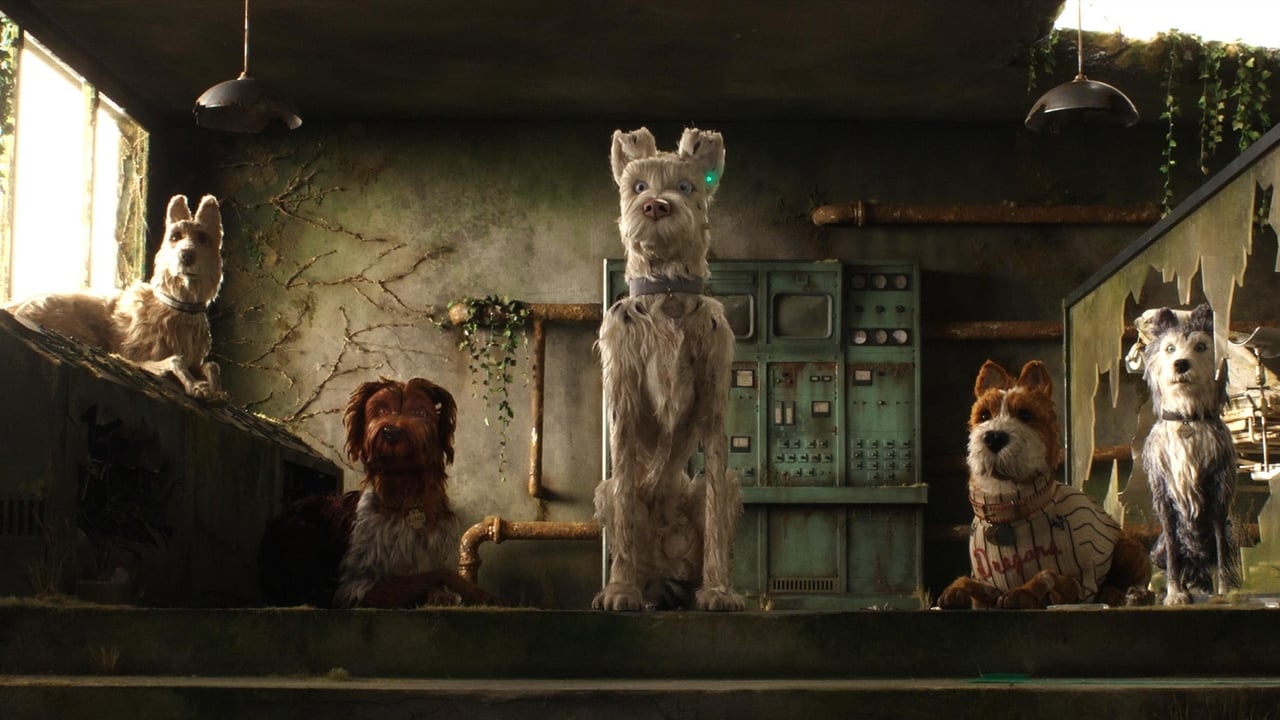
If you think your job is stressful, consider the animators who spent years moving tiny puppets millimeters at a time. Here are a few bits of trivia that make the obsession behind this film clear:
The Fur Factor: The puppets weren't just made of clay; the animators used actual alpaca and mohair for the dog fur to get that specific "jittery" look when the wind blows. A Slow-Motion Meal: The famous scene where a chef prepares sushi took six months to animate for just 45 seconds of screen time. Every slice of ginger was a conscious choice. The Pupil Detail: Each dog puppet had different sets of eyes for different emotions. Jeff Goldblum (who voices Duke) reportedly loved his puppet so much he wanted to keep it, though I suspect Duke’s obsession with gossip is just Goldblum playing himself. Puppet Population: Over 1,000 puppets were created for the film (500 humans and 500 dogs) in various scales. Cranston’s Recording: Bryan Cranston recorded his lines in a basement while filming Breaking Bad*... wait, no, wrong era—he actually recorded them while working on various projects, often remote from the other actors, yet the chemistry feels like they're huddling together in a trash can.
Isle of Dogs is a film for people who still appreciate the "hand-made" in a digital world. It’s dry, it’s weird, and it’s occasionally quite dark—the cat-loving villains are the most relatable part of the movie if you’ve ever had your sneakers chewed on. But underneath the meticulous symmetry is a glowing heart.
It captures that specific childhood feeling of being on a quest that matters more than anything in the world. It’s an adventure that smells like rebellion, wet fur, and hope. If you haven't seen it, grab your favorite four-legged idiot, sit them on the couch, and enjoy one of the most unique visual treats of the last decade. Just keep an eye on your socks.
Keep Exploring...
-
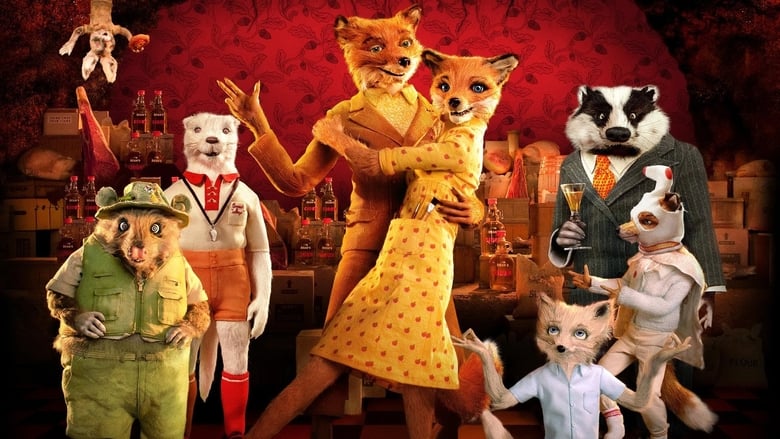
Fantastic Mr. Fox
2009
-

The Boss Baby: Family Business
2021
-
The French Dispatch of the Liberty, Kansas Evening Sun
2021
-
The Life Aquatic with Steve Zissou
2004
-

Cars 3
2017
-
Ferdinand
2017
-
Abominable
2019
-
Spies in Disguise
2019
-
Onward
2020
-
The SpongeBob Movie: Sponge on the Run
2020
-
Trolls World Tour
2020
-
Luca
2021
-
The Mitchells vs. the Machines
2021
-

The Darjeeling Limited
2007
-

The Wonderful Story of Henry Sugar
2023
-

Klaus
2019
-
Inside Out
2015
-
Finding Dory
2016
-

Kung Fu Panda 3
2016
-
Moana
2016