Leave No Trace
"The hardest place to hide is in plain sight."
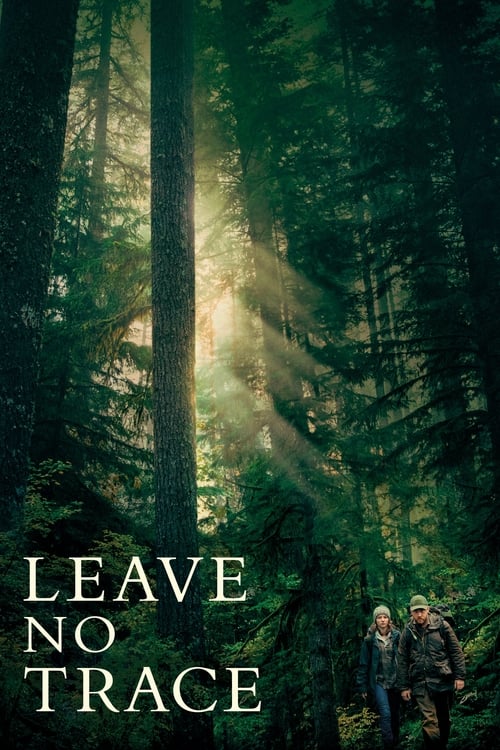
There is a specific kind of quiet that only exists in the deep woods of the Pacific Northwest—a damp, heavy silence where the moss seems to swallow your footsteps before you’ve even taken them. This is the world of Leave No Trace, a film that arrived in 2018 like a hushed secret. While the rest of the cinematic landscape was busy with the deafening snap of Thanos’ fingers or the high-gloss nostalgia of legacy sequels, director Debra Granik (who famously discovered Jennifer Lawrence in Winter's Bone) delivered something that felt like it was breathing.
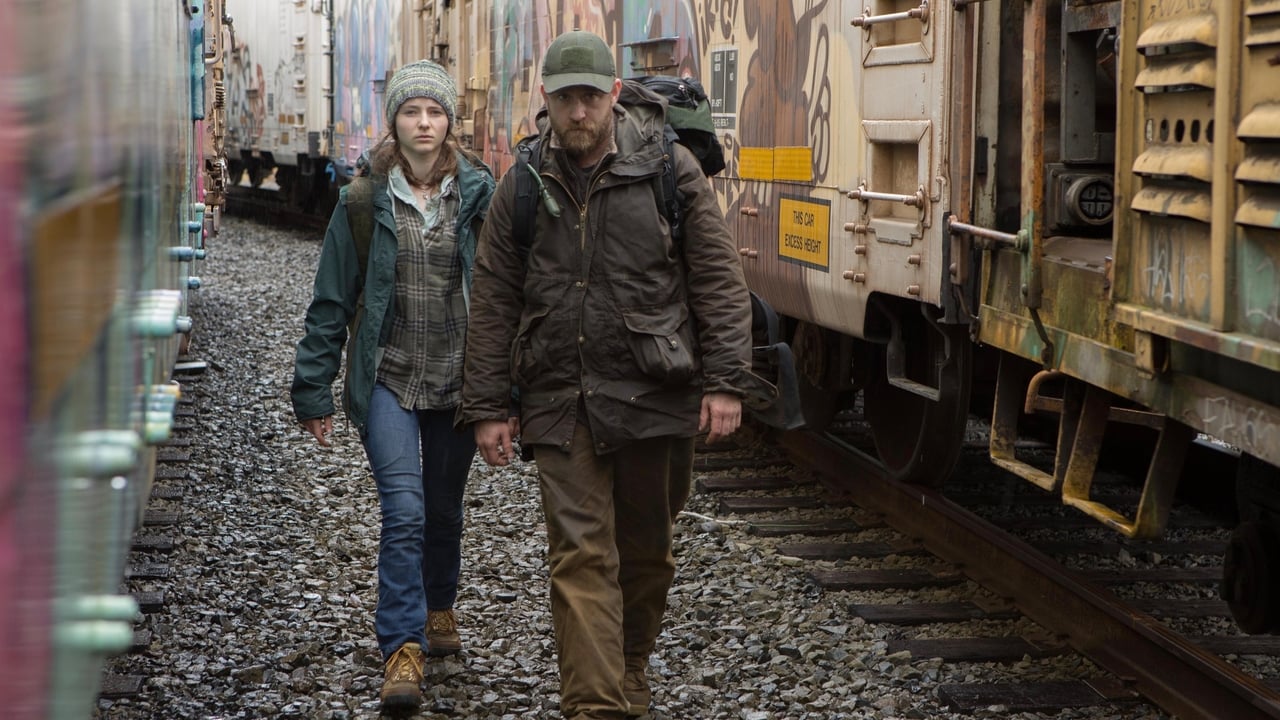
I watched this while eating a bowl of instant oatmeal that was slightly too watery, which felt like an embarrassing luxury compared to the wild mushrooms and rainwater collection systems I was seeing on screen. It’s one of those movies that makes you look at your smartphone and feel like you’re carrying a tracking device designed by an alien civilization.
The Art of Being Unseen
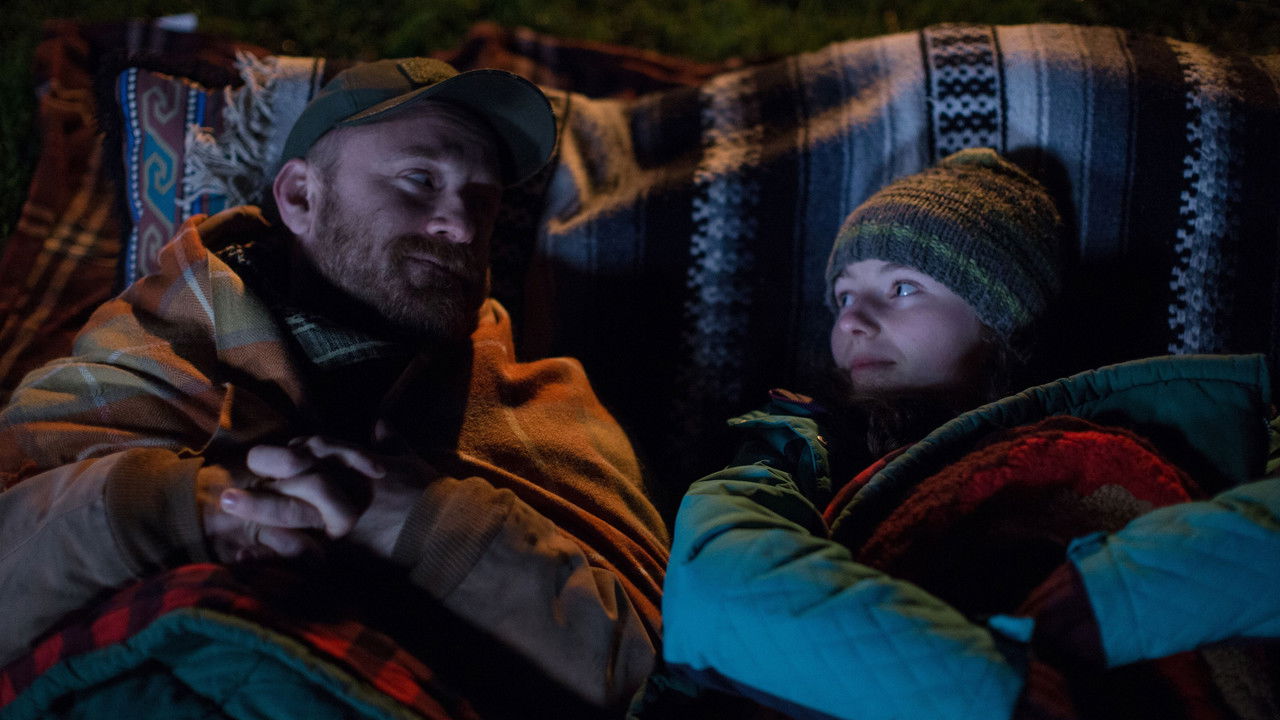
The setup is deceptively simple. Will, played by a hauntingly internal Ben Foster, and his teenage daughter Tom, played by the then-unknown Thomasin McKenzie, are living off the grid in a public park near Portland. They aren't "camping" in the way we think of it; they are inhabiting the forest. They practice "drill" sequences to hide from hikers, they forage, and they share a bond that is almost telepathic. Will is a veteran dealing with PTSD that the film never feels the need to over-explain with clunky flashbacks. We see his trauma in the way he flinches at a chainsaw or the way he looks at a suburban cul-de-sac as if it were a minefield.
When they are inevitably caught by the authorities, the film takes a turn that I honestly didn't expect. Usually, in these "man against the system" stories, the social workers and police are the villains—faceless bureaucrats looking to crush the human spirit. But here? The people trying to help them are actually... helpful. Dana Millican plays a social worker who is genuinely trying to find a middle ground. This creates a much more painful conflict: The world isn't trying to hurt them; it’s just trying to make them fit, and for Will, fitting in is a slow death.
The Weight of Silence
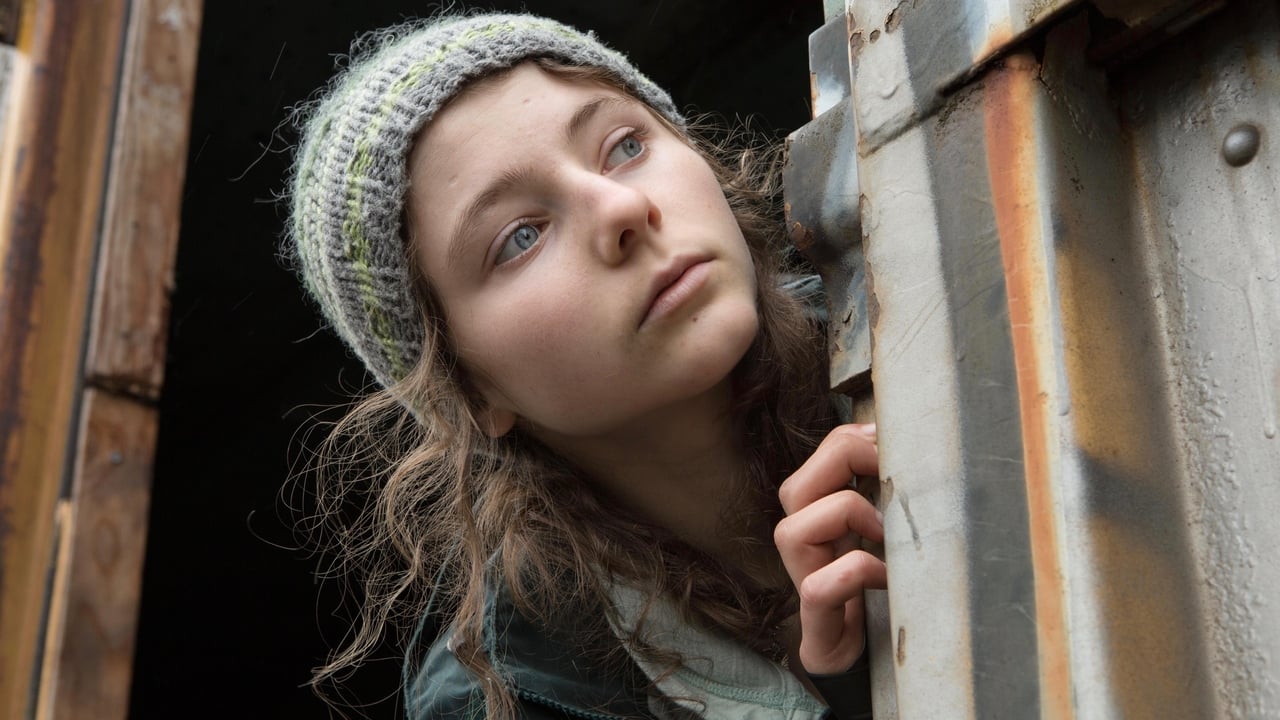
If you ever needed proof that Ben Foster is one of the most underrated actors of his generation, this is it. He doesn't have a big "Oscar scene" where he screams at the rain. Instead, he uses his eyes to convey a man who is physically present but spiritually elsewhere. He looks like he’s constantly trying to tune into a frequency that no one else can hear.
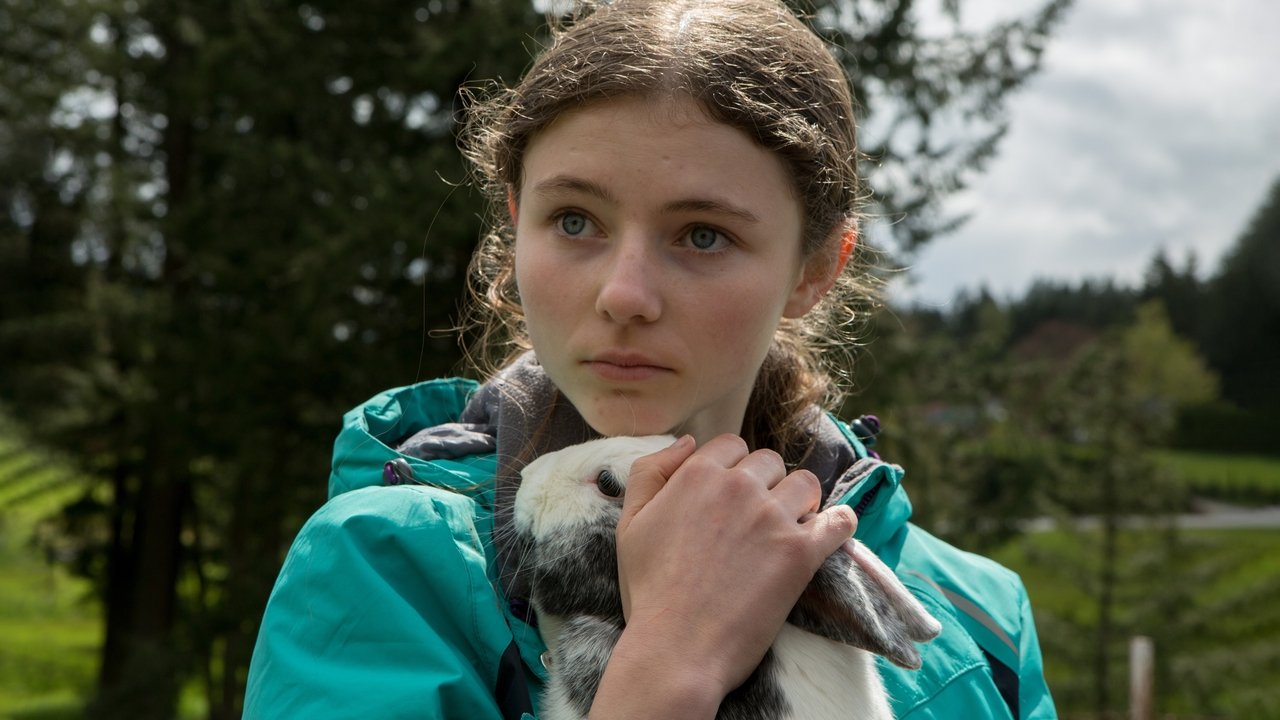
However, the real discovery here is Thomasin McKenzie. Her performance is a marvel of subtle transition. At the start, she is an extension of her father. By the end, she is becoming her own person, realizing that while she loves him, his "forest" is actually a prison for her. She manages to convey the heartbreak of outgrowing a parent without ever raising her voice. There’s a scene involving a 4-H club and some rabbits that had me more emotionally wrecked than any $200 million blockbuster that year.
Debra Granik has this incredible knack for making rural or marginalized communities feel lived-in and respectful. She doesn't do "poverty porn." Whether it’s the park rangers or a community of RV dwellers featuring the great Dale Dickey (who you’ll recognize from Iron Man 3 or Hell or High Water), everyone feels like a real human being with a history.
Why It Slipped Through the Cracks
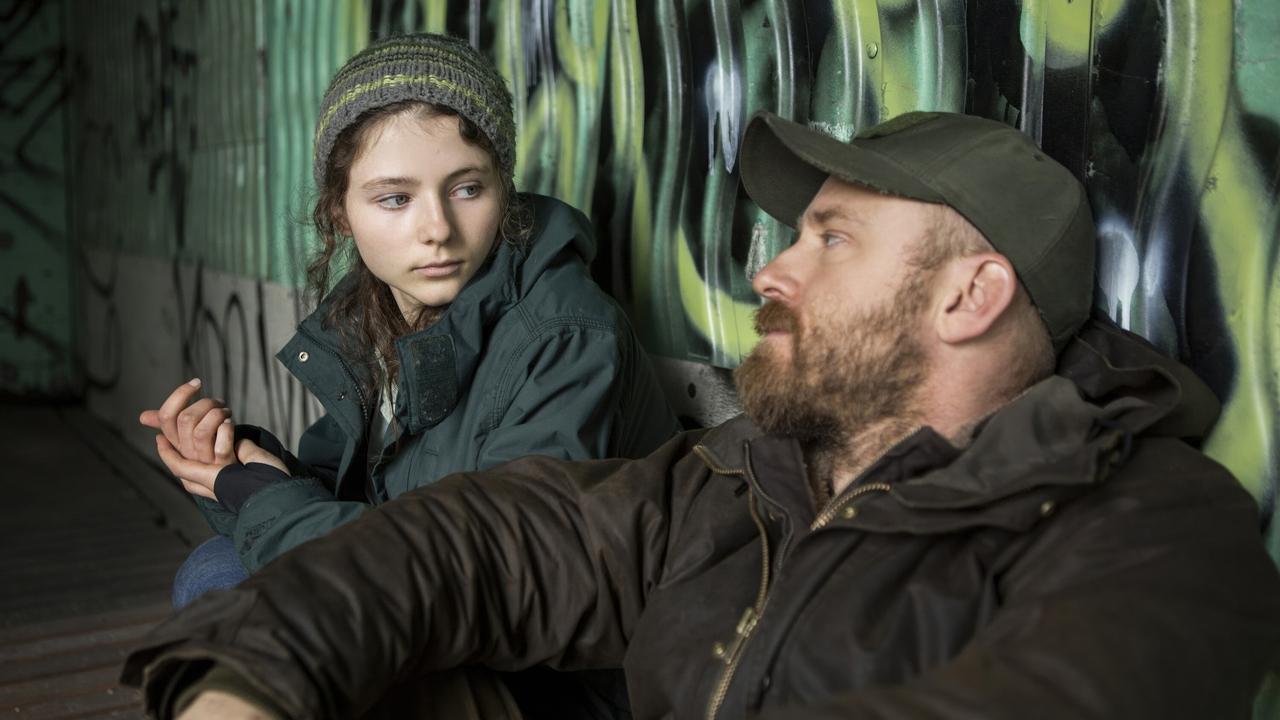
Despite being one of the few films in history to maintain a 100% "Fresh" rating on Rotten Tomatoes with hundreds of reviews, Leave No Trace didn't exactly set the box office on fire. It was released during the height of the "streaming vs. theatrical" wars, where quiet indies often got suffocated by the sheer volume of content being dumped onto platforms every Friday. It’s a film that demands your full attention, which is a big ask in an era where most people are scrolling through TikTok while watching a movie.
Apparently, to prepare for the roles, Ben Foster and Thomasin McKenzie actually spent days in the Oregon wilderness learning primitive survival skills from an expert. They learned how to build shelters that are invisible from ten feet away and how to make fire in the rain. That tactile, muddy reality translates to the screen. You can almost smell the wet pine and the woodsmoke. It also helped that the production stayed small; Granik and her crew were often hiking into locations that larger productions wouldn't touch.
I suspect this film has stayed under the radar for some because it’s not an "easy" watch in terms of its emotional weight, even though it’s visually beautiful. It doesn't offer a tidy, Hollywood ending where everyone moves into a house and lives happily ever after. It respects its characters enough to let them make difficult, messy choices.
In an age of endless franchises and CGI spectacles, Leave No Trace is a reminder that the most compelling special effect is a human face. It’s a ghost story where the ghost is still alive, trying to find a place where the world can't find him. I find myself thinking about the final shot of this movie at least once a month. It’s a quiet, devastating piece of work that earns every bit of your time. If you missed it in the 2018 shuffle, it’s time to go find it—just don’t expect it to leave a map for you to follow.
Keep Exploring...
-
Winter's Bone
2010
-
The Finest Hours
2016
-

No Exit
2022
-
Blood Father
2016
-
Anomalisa
2015
-

Batman vs. Robin
2015
-
Beasts of No Nation
2015
-

Dope
2015
-

Far from the Madding Crowd
2015
-
McFarland, USA
2015
-
Mr. Holmes
2015
-

Pawn Sacrifice
2015
-

The Stanford Prison Experiment
2015
-

Trumbo
2015
-
While We're Young
2015
-

20th Century Women
2016
-

Before I Wake
2016
-
Hell or High Water
2016
-
Imperium
2016
-
Loving
2016