Life of the Party
"It’s never too late to peak."
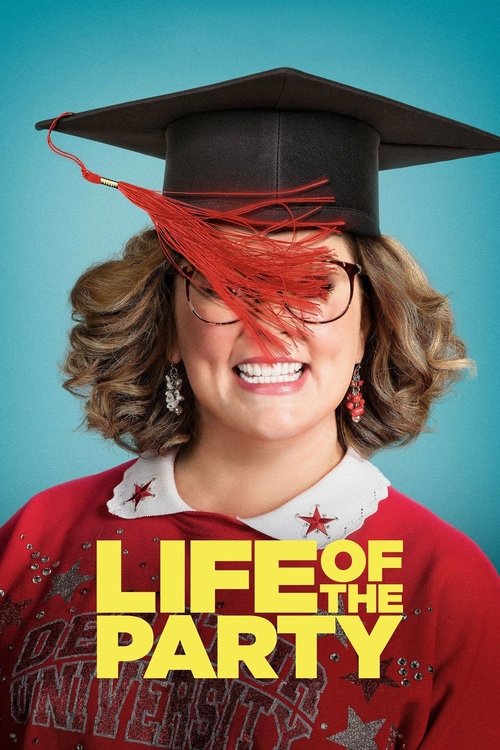
I watched Life of the Party on a long-haul flight while the woman in the seat next to me was intensely needle-pointing a portrait of a very grumpy-looking Himalayan cat. There was something about that specific brand of cozy, chaotic energy that felt like the perfect visual accompaniment to a Melissa McCarthy movie. It’s that exact "craft-store-meets-slapstick" vibe that has defined the collaboration between McCarthy and her husband, director Ben Falcone, for years.
Released in 2018, Life of the Party arrived during a weirdly transitional moment for the theatrical comedy. The mid-budget, star-driven studio comedy was already starting to feel like an endangered species, slowly being pushed off the big screen and into the bottomless maw of the Netflix "Recommended" row. Seeing it now, it feels like a warm, slightly fuzzy time capsule of an era when we still went to the multiplex just to see a funny person do funny things for 105 minutes.
The Rise of Dee Rock
The premise is pure "high-concept 80s," the kind of thing Rodney Dangerfield or Bette Midler would have crushed thirty years ago. After dropping their daughter Maddie (Molly Gordon) off for her senior year at Decatur University, Dan (Matt Walsh) abruptly tells his wife Deanna (Melissa McCarthy) he wants a divorce. He’s mean, he’s clinical, and he’s already moved on with a real estate agent (the always-welcome Julie Bowen). Deanna, a dedicated housewife who dropped out of college just credits shy of a degree to support Dan’s career, decides there’s only one logical path forward: she’s going back to finish her senior year at the same school as her daughter.
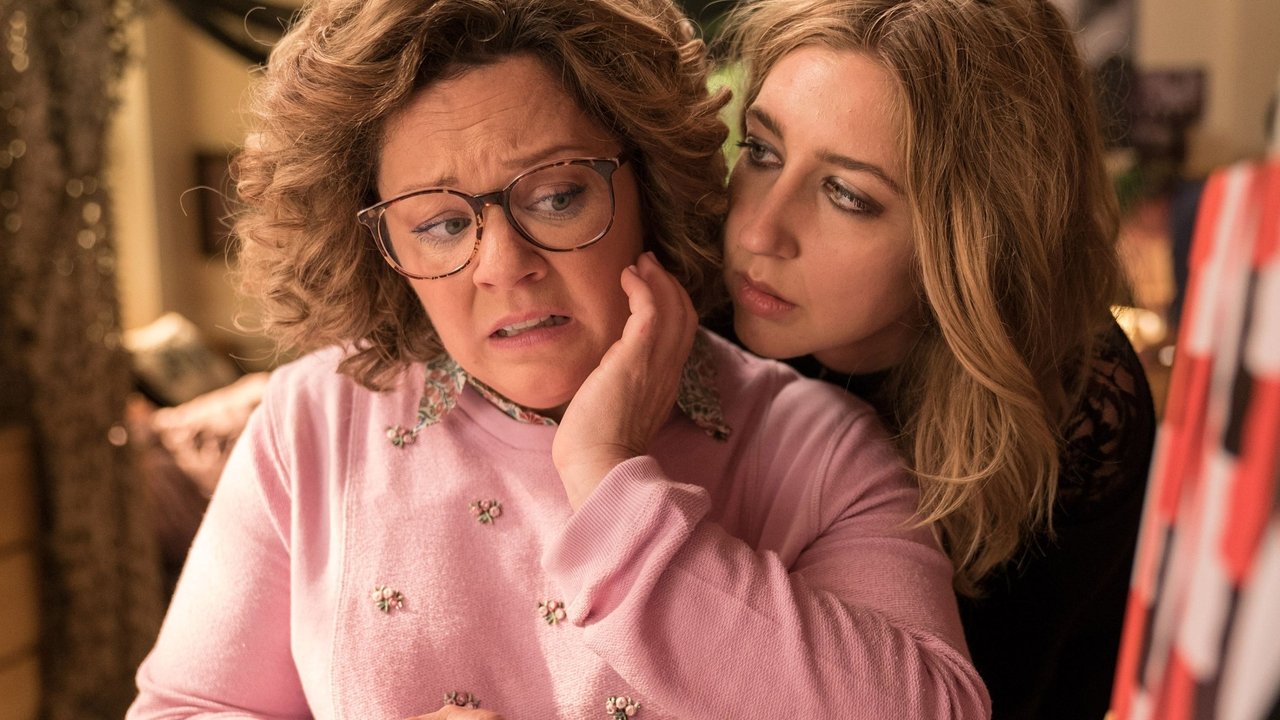
What follows is less a biting satire of higher education and more a celebration of the "McCarthy Method." If you’ve seen Tammy (2014) or The Boss (2016), you know the drill. McCarthy starts as a bit of a caricature—here, she’s a walking "Pinterest Mom" nightmare of floral prints and nervous energy—and slowly evolves into a powerhouse of self-actualization. Life of the Party is essentially a series of loosely connected sketches held together by sheer charisma and a staggering collection of sequined sweaters.
A Masterclass in Supporting Stealing
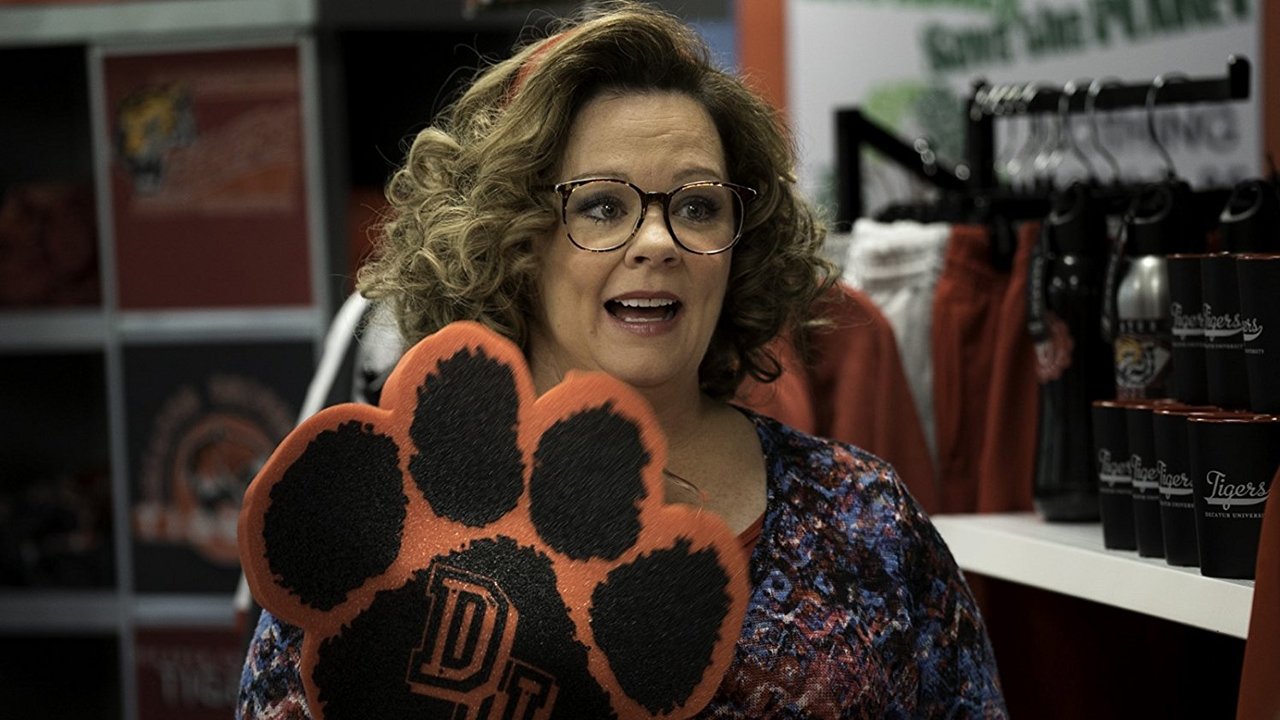
While McCarthy is the engine, the movie’s secret weapon is the ensemble. The 2010s were a golden age for "Wait, I know them!" character actors, and this film is lousy with them. Maya Rudolph, playing Deanna’s best friend Christine, is operating at an eleven. Her chemistry with McCarthy is so effortless that half their scenes feel like we’re eavesdropping on a private joke that happened twenty minutes before the cameras started rolling. When they’re together, the movie finds a rhythmic, improvisational life that the script itself sometimes lacks.
Then there’s Gillian Jacobs as Helen, a "super-senior" who is back at school after being in a coma for eight years. Jacobs, who spent years being the "britta" of Community, leans into a wonderful, wide-eyed weirdness here that keeps the sorority house scenes from feeling too generic. I also have to give a shout-out to Luke Benward as Jack, the frat boy who develops a massive, unironic crush on Deanna. The decision to make the 'younger man' subplot sweet and mutually respectful instead of a gross-out gag is the film's smartest move. It subverts the typical "cougar" tropes of 2000s comedies and replaces them with something genuinely charming.
The Falcone-McCarthy Aesthetic
As a director, Ben Falcone (who also co-wrote the screenplay) has a very distinct style: he stays out of the way. His framing is functional, his lighting is bright and sitcom-adjacent, and he prioritizes the performers over the "cinema." For some, this feels thin. For me, it feels like a throwback to the Garry Marshall school of filmmaking—it’s about the heart and the punchline, not the camera move.
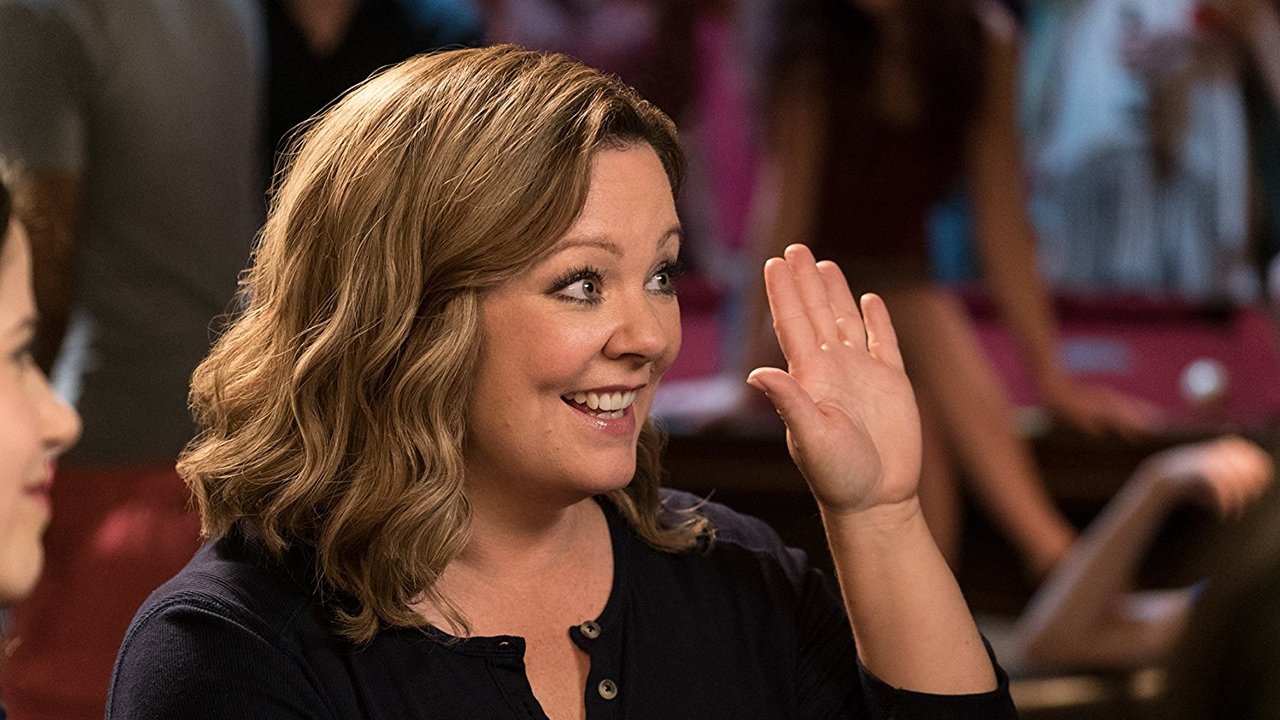
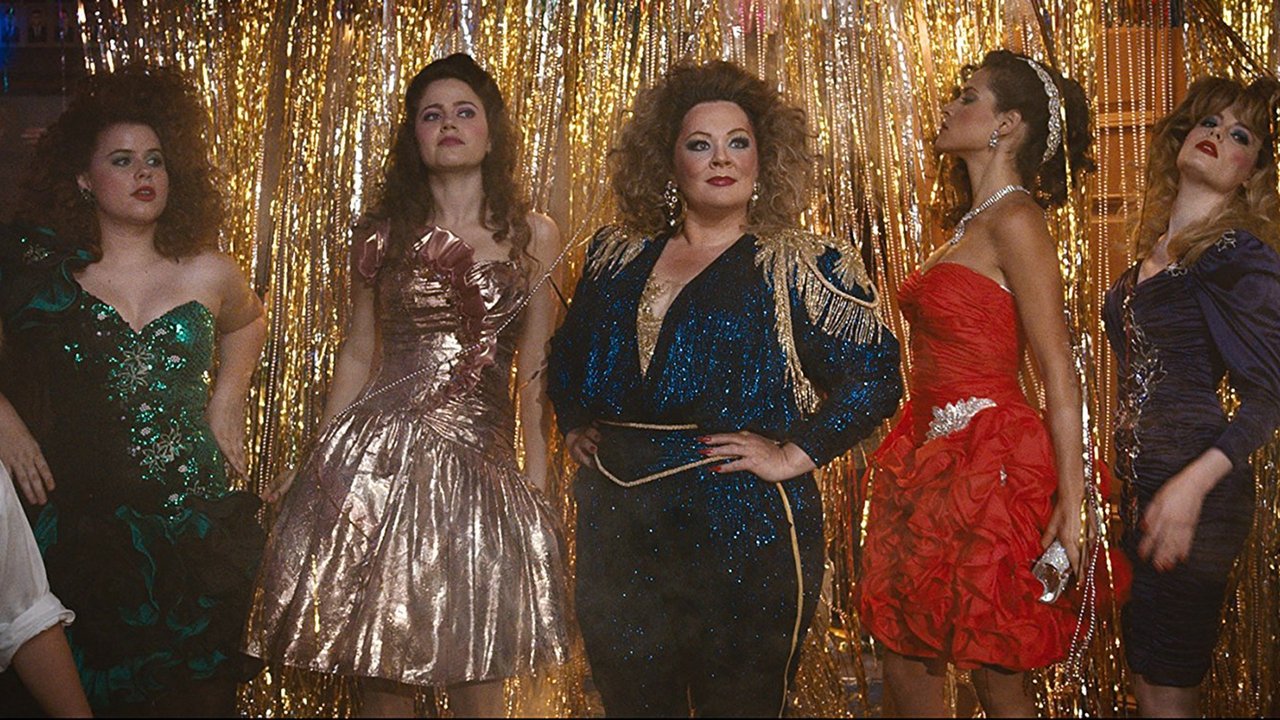
The film leans heavily into the 80s nostalgia that was peaking in 2018 (shout out to the Stranger Things effect). There’s a massive 80s-themed party featuring a cameo by the Sugarhill Gang that serves as the film’s centerpiece. It’s colorful, it’s loud, and it allows McCarthy to indulge in the kind of physical comedy—tripping, dancing, sweating—that made her a household name in Bridesmaids.
Does every joke land? Not by a long shot. There’s a sequence involving a public speaking panic attack that goes on for several minutes too long, and some of the "mean girl" sorority rivals feel like they were imported from a 1995 Disney Channel original movie. But in the landscape of contemporary comedy, which has become increasingly cynical or reliant on meta-commentary, there is something deeply refreshing about a movie that just wants you to like its protagonist.
Life of the Party isn't going to redefine the genre, nor is it the "instant classic" that Spy (2015) was. However, it’s a remarkably pleasant way to spend two hours. It treats its middle-aged lead with dignity while still letting her fall through the occasional table, and it champions female friendship in a way that feels earnest rather than calculated. It’s the cinematic equivalent of a heavy pour of Chardonnay—it’s not particularly sophisticated, but it certainly gets the job done and leaves you feeling a whole lot better than when you started.
Keep Exploring...
-

The Boss
2016
-
Hubie Halloween
2020
-
Can You Ever Forgive Me?
2018
-
Popstar: Never Stop Never Stopping
2016
-
CHiPs
2017
-
The Happytime Murders
2018
-
The Do-Over
2016
-
Dumplin'
2018
-
Disenchanted
2022
-
Barely Lethal
2015
-
Dope
2015
-
Entourage
2015
-

Hot Pursuit
2015
-

Love the Coopers
2015
-
The Night Before
2015
-
The Wedding Ringer
2015
-
While We're Young
2015
-
Keanu
2016
-
Masterminds
2016
-
Mr. Right
2016