Look Away
"Your reflection knows all your secrets."
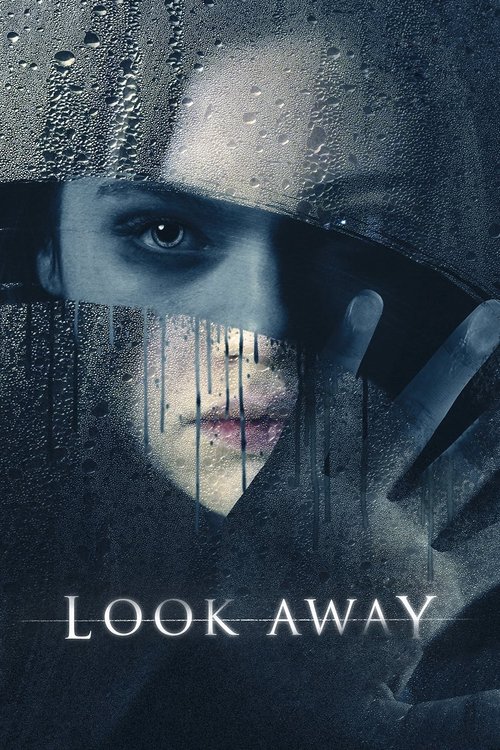
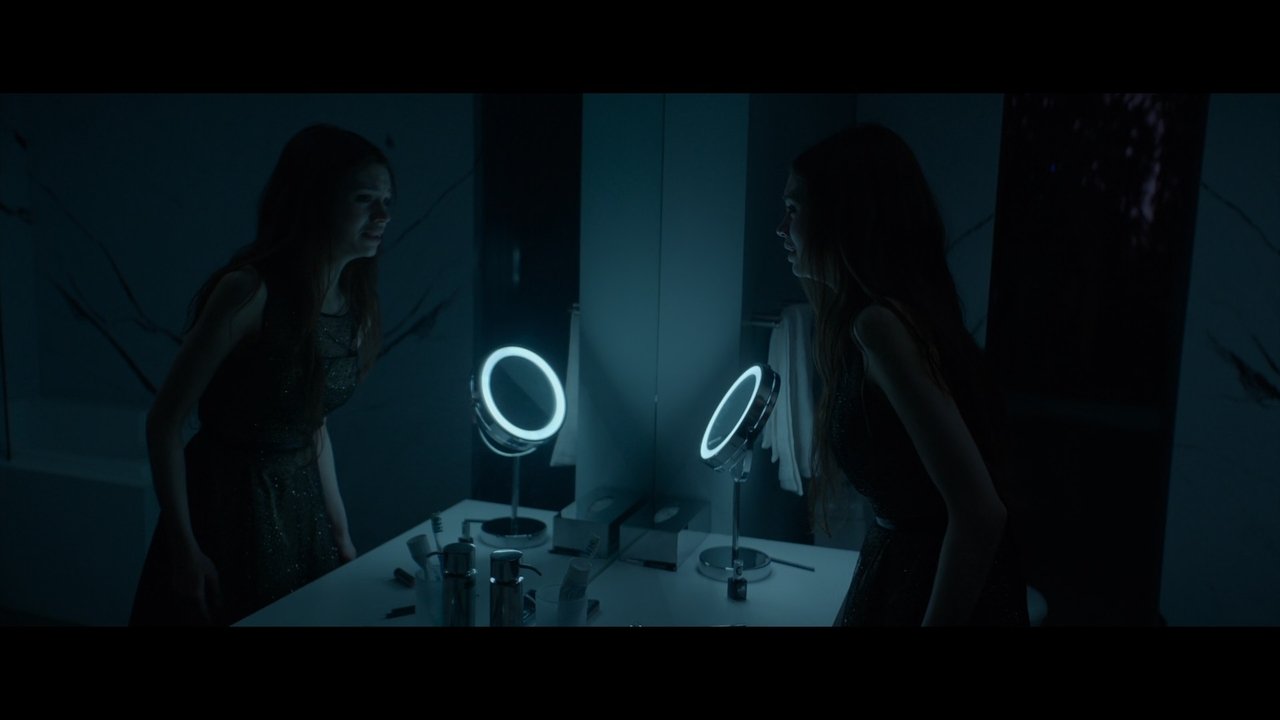
There is a clinical, almost antiseptic chill that radiates from the opening frames of Look Away. It’s the kind of movie that feels like it was filmed inside a high-end refrigerator—all brushed steel, pale skin, and blue-tinted shadows. Released in 2018, it arrived during a specific boom in "elevated" indie horror, where the scares were less about masked killers and more about the psychological rot festering beneath a polished, upper-class surface. I watched this on a Tuesday night while trying to ignore a neighbor’s leaf blower that sounded like a dying aircraft, and the film’s silence still managed to cut through the racket.
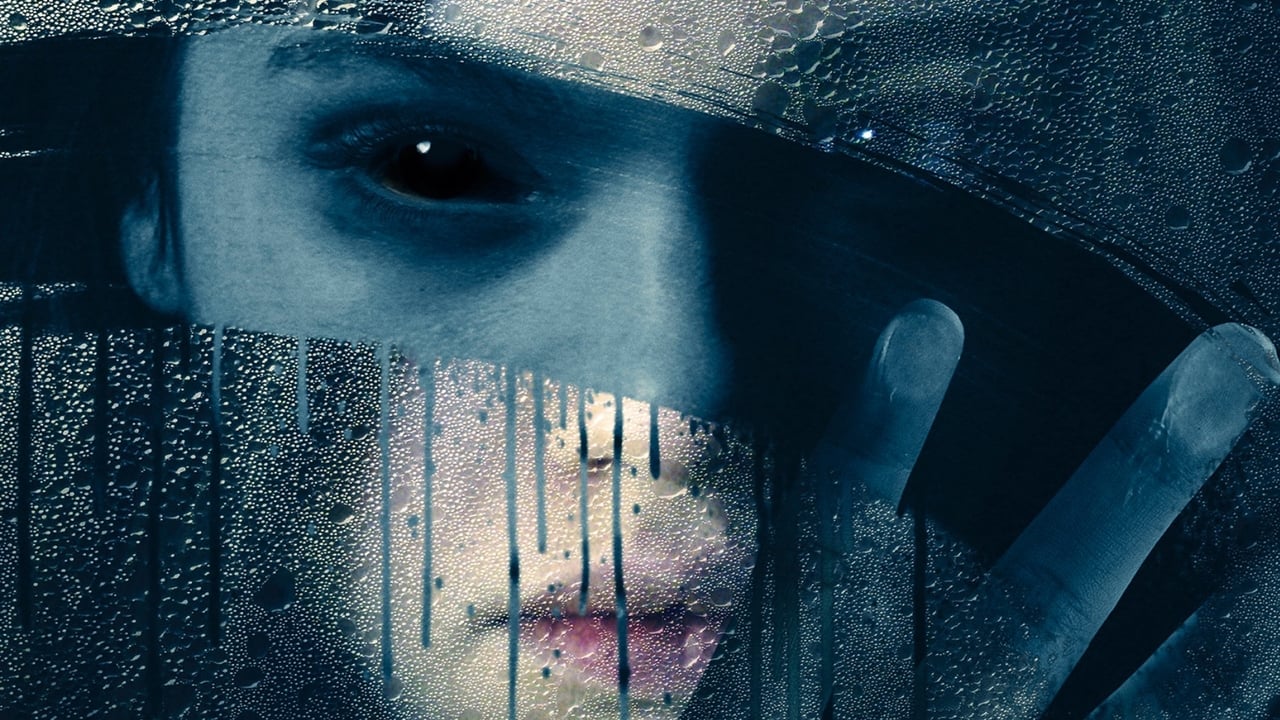
The story follows Maria, a painfully shy high schooler who is essentially a ghost in her own life. She’s bullied at school, ignored by her distant mother, and—most disturbingly—treated like a flawed project by her father, a plastic surgeon who gift-wraps a nose job for her 18th birthday. When Maria discovers her reflection, Airam, can talk back and offers to "take care" of her problems, the film pivots from a sad character study into a dark, revenge-fueled supernatural thriller.
The Scalpel and the Mirror
What keeps Look Away from being just another "evil twin" trope is the casting of Jason Isaacs as Dan, the father. Isaacs is the undisputed king of making you want to take a long shower after he leaves a scene. He plays a man so obsessed with physical perfection that he has completely hollowed out his daughter’s self-esteem. Every time he looks at Maria, he isn’t seeing a person; he’s seeing a series of anatomical errors that need correcting. It’s a genuinely skin-crawling performance that grounds the more fantastical elements of the plot in a very real, very modern kind of horror: the patriarch who views his family as a brand to be managed.
India Eisley takes on the dual role of Maria and Airam, and she carries the film’s 103-minute runtime with an impressive range. As Maria, she is hunched and flickering, like a candle about to go out. As Airam, she’s predatory and hyper-confident. It’s a performance that feels like a nod to the "social media dysmorphia" of the late 2010s—that nagging feeling that there is a better, more curated version of ourselves living behind the glass, just waiting to replace us. Eisley (the daughter of Olivia Hussey, the iconic Juliet from the 1968 Zeffirelli film) has a face that looks like it was designed for silent cinema, which fits the film's reliance on long, wordless stares into the mirror.
A Sledgehammer in Velvet
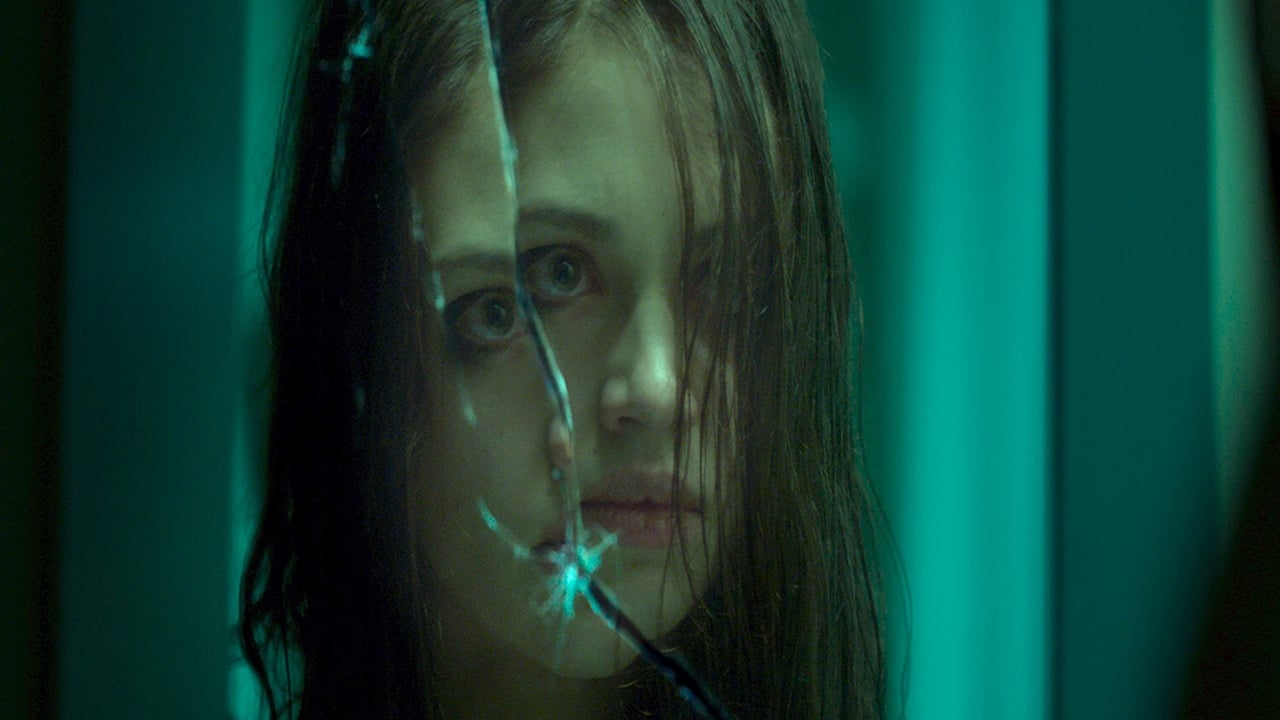
While the first half of the film is a masterclass in building dread, the second half trades nuance for a more traditional slasher-adjacent structure. Once the "switch" happens, the film leans into a mean-spirited streak that might alienate some viewers. It handles the darker aspects of teenage revenge with the subtlety of a sledgehammer wrapped in velvet.
Director Assaf Bernstein (who also wrote the screenplay) leans heavily on the visual language of Nicolas Winding Refn’s The Neon Demon. Every frame is meticulously composed, emphasizing the isolation of the Brennan family’s massive, glass-walled house. It’s a beautiful film to look at, even when the subject matter gets ugly. There’s a particular scene involving an ice-skating rink that is shot with such cold, geometric precision that you can almost feel the frost on your own breath.
Why Did This Slip Away?
Despite its striking visuals and a solid performance from Mira Sorvino as the crumbling mother, Look Away barely made a ripple at the box office, grossing just over a million dollars globally. It’s one of those films that fell into the "streaming abyss" almost immediately. In 2018, the horror market was dominated by heavy hitters like Hereditary and A Quiet Place, leaving smaller, more idiosyncratic thrillers like this one to be discovered via algorithm recommendations rather than theatrical buzz.
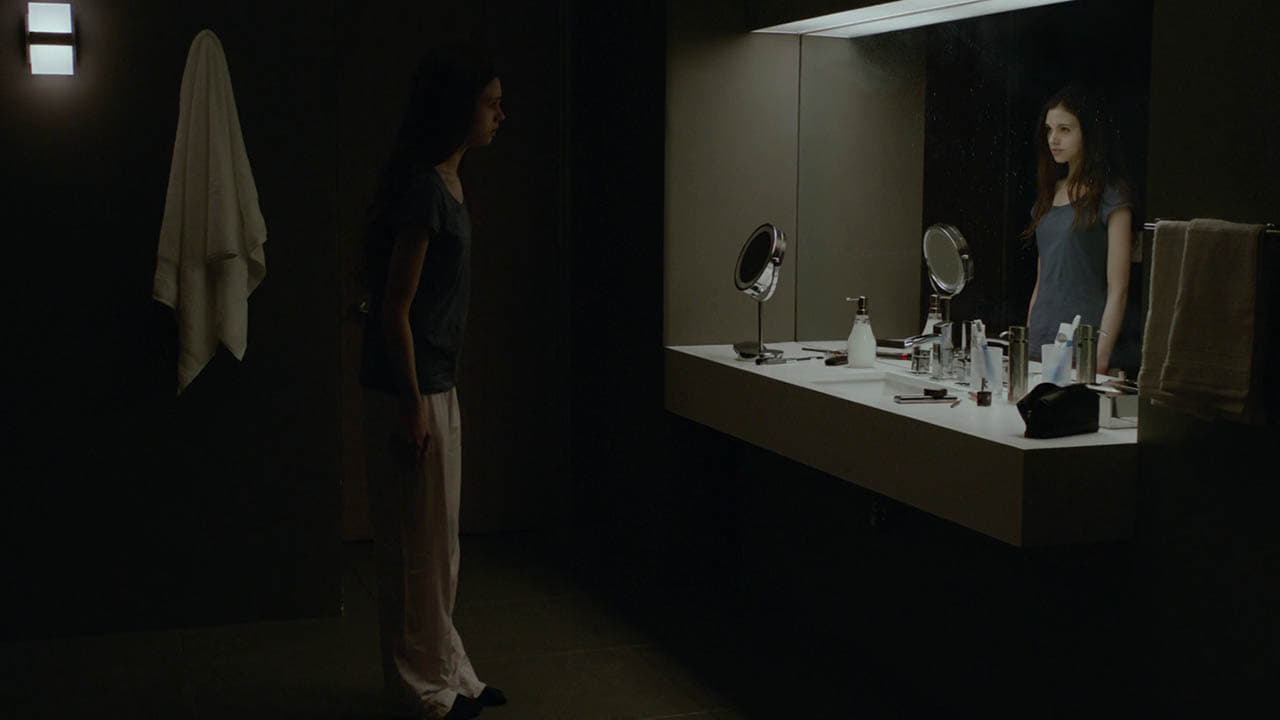
The film also suffered from a generic title and a marketing campaign that made it look like a standard VOD ghost story. In reality, it’s a much more interesting (if flawed) exploration of body image and the trauma of being "unseen" by those who are supposed to love you. It’s a "forgotten curiosity" because it doesn't quite fit into one box—it’s too weird for the mainstream and perhaps a bit too melodramatic for the hardcore "A24" horror crowd.
Look Away is a sleek, disturbing fairy tale for the Instagram age that deserves a second look, even if it occasionally stumbles over its own metaphors. It’s a film that understands that the scariest thing in the room isn't a monster under the bed, but the person looking back at you in the mirror when you finally stop pretending to be okay. If you’re in the mood for something cold, stylish, and deeply uncomfortable, this is a reflection worth seeking out.

Keep Exploring...
-
Before I Wake
2016
-

Wish Upon
2017
-
The Silence
2019
-
Gretel & Hansel
2020
-
Men
2022
-

Underworld: Blood Wars
2016
-

Day Shift
2022
-
Candyman
2021
-
Crimes of the Future
2022
-
Batman vs. Robin
2015
-
Goodnight Mommy
2015
-
Hidden
2015
-
I Spit on Your Grave III: Vengeance Is Mine
2015
-
Regression
2015
-

Tale of Tales
2015
-
Friend Request
2016
-

Morgan
2016
-
The Other Side of the Door
2016
-
Cargo
2017
-
Creep 2
2017